Over the Fourth of July weekend, the Grand Teton’s iconic ridgelines changed in an instant. A major section of the Second Tower—a prominent formation on the Grand Teton itself—broke free in a dramatic rockfall event that triggered sustained instability across the mountain’s eastern face. For at least 48 hours after the initial collapse, climbers observed consistent, intermittent rockfall cascading from the debris field. The Jenny Lake Rangers, Grand Teton National Park’s elite rescue unit, confirmed the event likely occurred Saturday, July 5, and have issued warnings about ongoing hazards in the area.
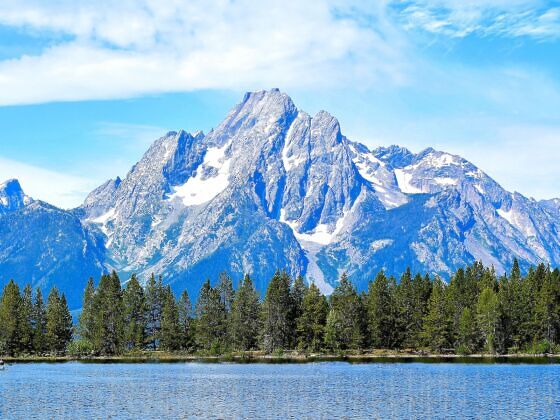
Photo: Ray Geiger /Shutterstock
Skyline-Altering Rockfall Strikes Grand Teton Over Fourth of July Weekend
In a separate but related event, a large boulder tumbled across the winter route to the Lower Saddle—a popular approach used by climbers summiting the Grand. While no injuries have been reported, the timing and magnitude of these events underscore growing concerns about mountain stability, particularly during summer’s volatile freeze-thaw cycles.
Rockfall is not new to the Tetons, but its frequency and scale have noticeably increased. The same Second Tower experienced a significant collapse in the fall of 2022, and climbers familiar with the massif report a rising trend of spontaneous breaks, even in seemingly stable zones.
View this post on Instagram
The Jenny Lake Rangers attribute much of this activity to environmental changes—specifically, the cycles of freezing and thawing that expand cracks in granite and ultimately trigger failure. Still, they caution that rockfall remains “highly unpredictable.”
The Second Tower, specifically, is now a repeat offender. In September 2022, a significantly larger portion of the formation collapsed,” the Jenny Lake Ranges wrote in an Instagram post. “At this time, it is not known if the East Ridge climbing route has been impacted. A large debris field is visible from the valley on the Teepe Glacier.“
Climbers and hikers are urged to monitor ranger updates and make conservative decisions about route planning. Areas with fresh debris may remain unstable for days or even weeks. Routes like the Owen-Spalding and Exum—popular for summer ascents—may require updated assessments. For those considering a trip to the park, officials recommend checking the National Park Service website for alerts and speaking with rangers at the Jenny Lake Climbing Information Center before venturing into alpine zones. Helmets, conservative route timing, and updated maps are more essential than ever. While the Grand Teton remains a world-class climbing destination, this summer’s rockfall serves as a stark reminder that in the high alpine, landscapes can shift without warning—and experience alone doesn’t offer protection when the mountain decides to move. 