It’s no secret within the travel industry that multi-generational vacations are soaring in popularity. A 2024 TravelPulse survey claims 49 percent of parents say they are swapping solo getaways for multi-generation family trips. When presented with different criteria they look forward to when planning multi-gen vacations, the priority was on time spent together as a family, with options for activities (54 percent), restaurants (54 percent), large accommodations/connecting rooms (45 percent) and the rare opportunity to have everyone in one place (36 percent) valued most. Plus, family vacations are no longer just for the biological children and blood relatives — spouses and significant others are invited to join the celebration.
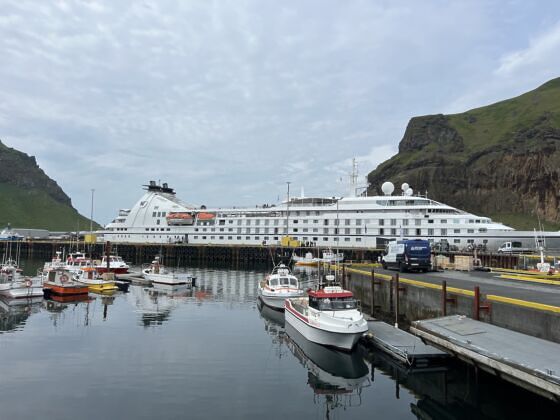
Photo: Molly O'Brien
How a Windstar Cruise Around Iceland United Our Multi-Gen Family
Subsequently, according to Cruise Trade News, Gen Z is driving a multi-gen cruise boom, which meets all of these criteria. My family of six (two parents, two kids and spouses) is an adventurous group who get along well, but we live in three different states, scattered 3,000 miles across the country. We are also fortunate to have the privilege of being well-traveled, able-bodied individuals with the means and time to try something new and exciting on a trip together. After realizing we hadn’t spent time together as a unit since my wedding back in 2023, we decided to plan a family vacation that would forge some truly unforgettable memories and teach us about the world, without significantly damaging our bank accounts (or, let’s be honest, damaging our relationships with each other).
How we landed on a cruise for a multi-generational family trip
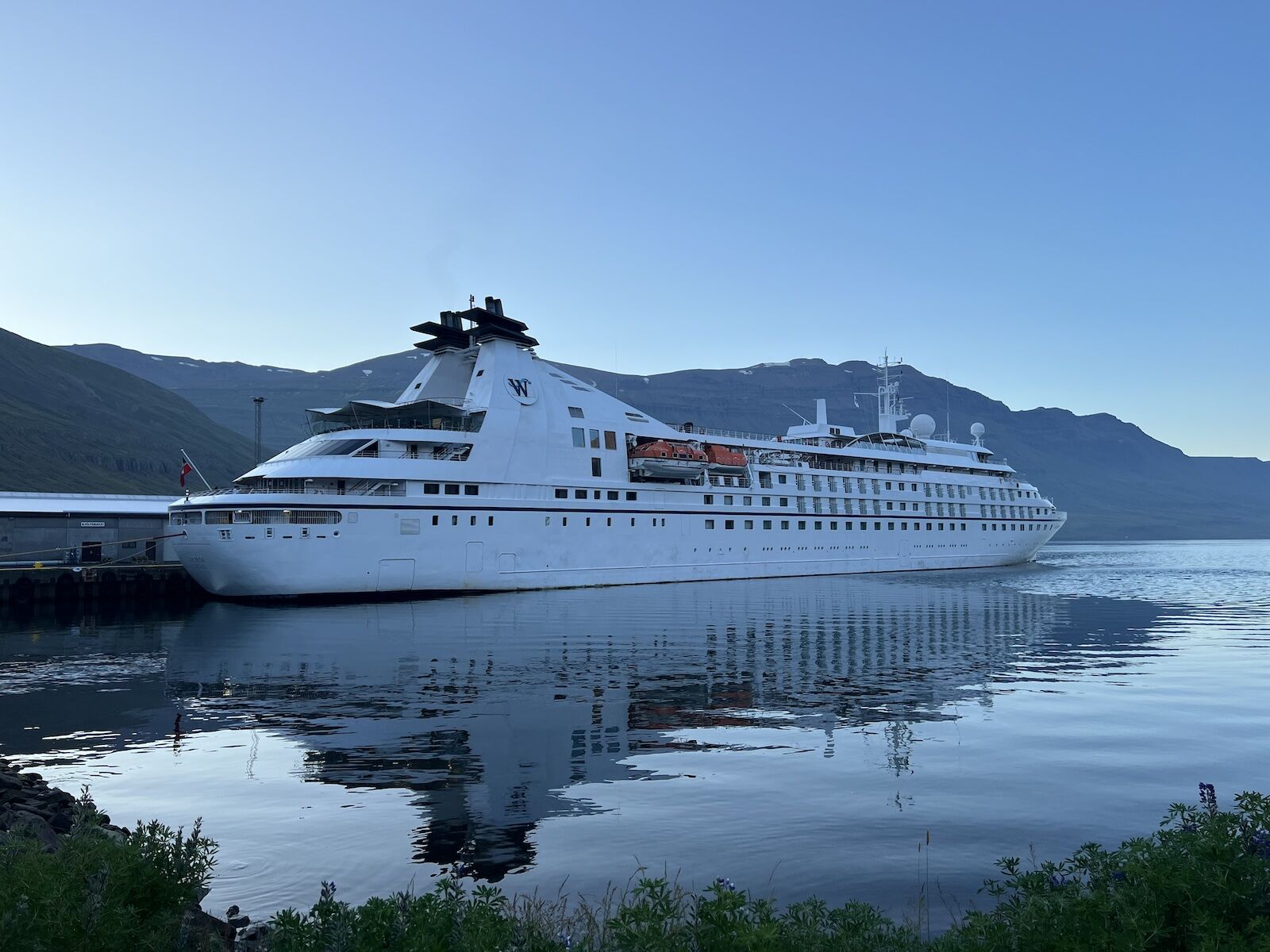
Photo: Molly O’Brien
We knew that, no matter what, traveling together would be an interesting experience since it was the first time all six of us would be traveling this extensively as a unit. And of course, as it often goes in group travel, my family features a diverse mix of personalities and interests.
My father is a wallet-conscious man who loves a tasty, well-priced meal paired with a locally sourced selection of beer. We needed to find something that offered value for our money and included an element of cultural immersion. My mother is a very particular eater and doesn’t like being stuck in one place for too long. We needed to find somewhere that’d serve good wine and food she’d want to eat, in a space where she’d never feel trapped.
My “little” brother is a large, athletic dude — and although he’s not picky when it comes to dining and drinking, as a strong, strapping six-foot-plus lad, he does need to eat more in terms of volume. We needed to find a spot that didn’t require us to find and cook the food for ourselves (because grocery stores in other countries, although extremely fascinating to me, require a fair amount more energy and effort to work for, especially when you’re hungry).
I sought a vacation that was fresh and exciting — something that would teach me about the world, and give me a chance to rest when I needed to (with opportunities to explore when I wanted to).
All of these factors pointed toward a vacation with:
- Plentiful (quality) dining options offered at various times of day
- The chance to embark on compelling excursions
- An environment that gave us space when we needed, but was easy enough to navigate that we’d never have trouble finding each other
A cruise offers this and lets travelers explore a variety of new destinations on the same trip — while you conveniently leave your belongings in the same place. We took the leap and decided to embark on a group adventure across the world in Iceland, via Windstar Cruises. To make the trip even more special, this would be my father’s first real “cruise experience.”
Families who distance together, stay together
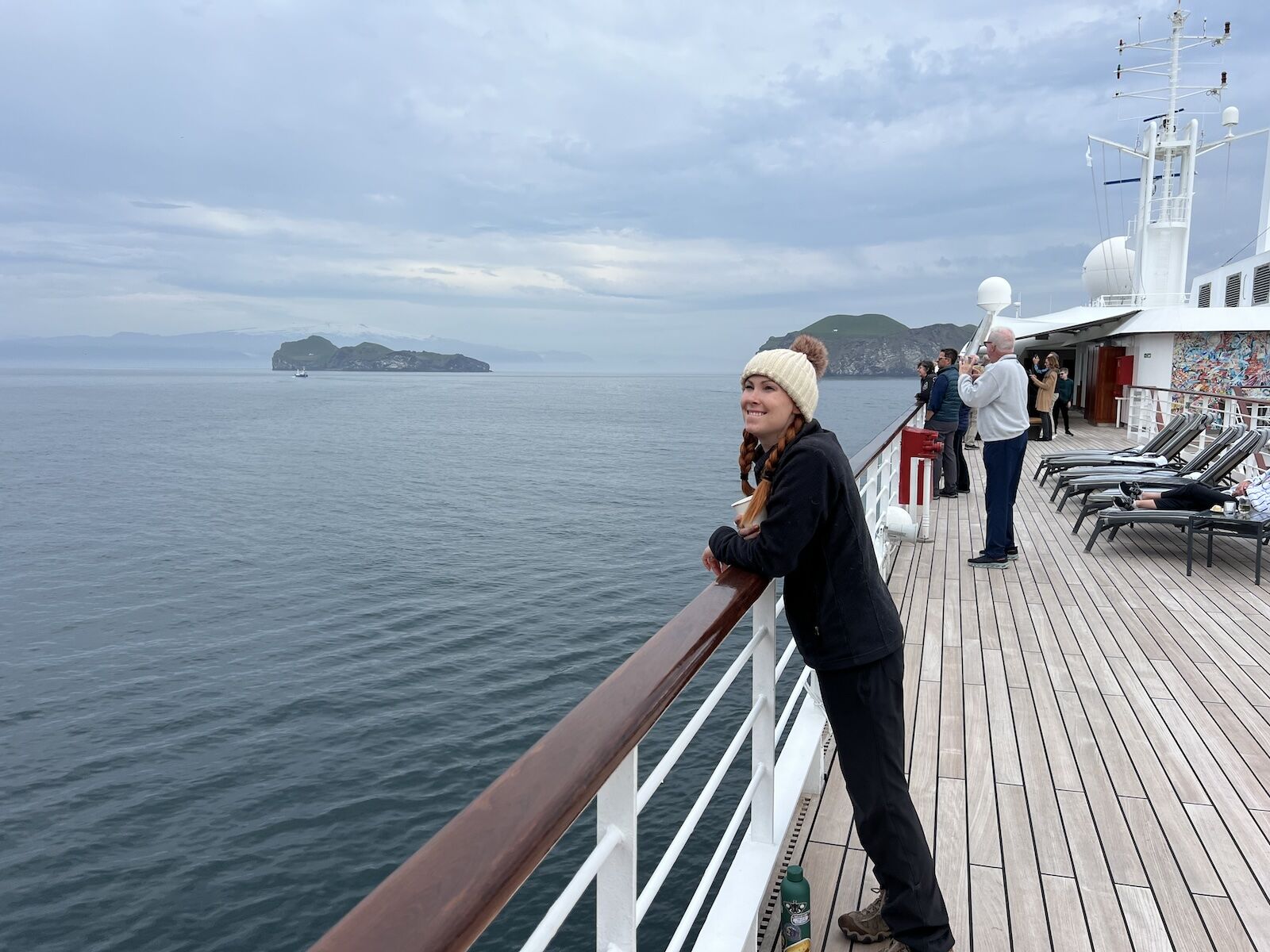
The author on deck. Photo: Molly O’Brien
We ultimately ended up booking the “Around Iceland” voyage via Windstar. The sailing circumnavigates Iceland on a 7-day journey starting and ending in Reykjavík on the Star Pride vessel. My family stayed in touch in the weeks leading up to the trip, discussing details like the excursions we wanted to do, and coordinated a few together that we were all interested in. We also selected some to do on our own. We looked at the onboard dining options and did some research on the destinations we’d be traveling to and unique things we might be able to do off the ship.
The voyage departed from Reykjavík for an overnight sail to our first stop, Heimaey Island, where we embarked on our first excursions. My brother and his wife explored the land on a tour that got them a close-up look at some adorable puffins. My mother, father, husband, and I did a guided volcano hike together. At the next stop, Seydisfjordur, we arrived under the lingering summer sun and did the same excursion, hiking through a breathtaking landscape filled with waterfalls and wildflowers.
After the trek, we siblings and spouses stayed out to enjoy the local nightlife, including a brewery and a scenic bar. My parents went back to enjoy their weekly “wine Wednesday” tradition on the ship. It was a nice way for them to bring their comfortable sense of routine with them to Iceland, while my brother and I had the ability to go out and do our own thing.
This continued throughout the trip—we did the excursions we wanted to do during the day, and met up in the afternoon or evening for a group dinner to share the stories of the places we’d seen and the adventures we’d had.
Sure, this is admittedly similar to a trip to an all-inclusive resort destination. But the difference to me, and what I enjoyed more than that as an alternative, was how outside of our sanctioned activities, we were getting to spend time exploring destinations like an Icelandic bar, or exploring and conversing with locals in a village I’d have likely faced significant challenges trying to reach on my own. We appreciated the ability to go “off-site,” so to speak, without worrying about logistics or safety.
On a small-ship adventure cruise, we knew we’d never go hungry and wouldn’t have to compromise or sacrifice our own needs — no matter what our own travel, life, and eating preferences were.
Throughout human history, sharing a meal has always been an important method of making and keeping soulful connections. When I was a kid, my parents made sure we had family dinner together as often as possible, no matter what chaotic extracurricular activities we had. Following this tradition, no matter how we spent our time on or off the ship during the day, my dad requested we come together and eat dinner together every night.
It turned out to be a great way to gather, as I’m not a huge breakfast or lunch person, and everyone except my mom had opted for the “unlimited drink” package, knowing they wouldn’t need it (she paid for her wine by the glass). So, we were able to drink, eat, and be merry as we liked as a group while also keeping to our own individual routines for the most part.
Plus, with four different places to eat dinner on the ship, it wasn’t challenging to get excited about a family meal with new dishes and drinks to try. We ate at Cuadro 44 — a family-style Spanish tapas restaurant, and we tried Candles (which is Veranda during the daytime, but transforms into a swanky steak and seafood outpost in the evening). We dined at Amphora a couple of times, which serves James Beard-level bites and feels like a fine dining establishment — but you get to choose where you sit, and there’s no judgement if you’re not in the mood to wear slacks or a stylish dress.
Throughout our adventure near the top of the world, we frequently dined out on the top deck at Star Grill, with its relaxed buffet serving delectable barbecue with an international flair. And of course, we enjoyed the indulgence of an occasional 2 a.m. room service call to treat ourselves to a burger and fries, steak quesadilla, or cheesy artichoke dip after a night of music and entertainment at the ship’s bar and lounge space, Compass Rose.
Small details make Windstar Voyage a multi-gen family’s dream trip
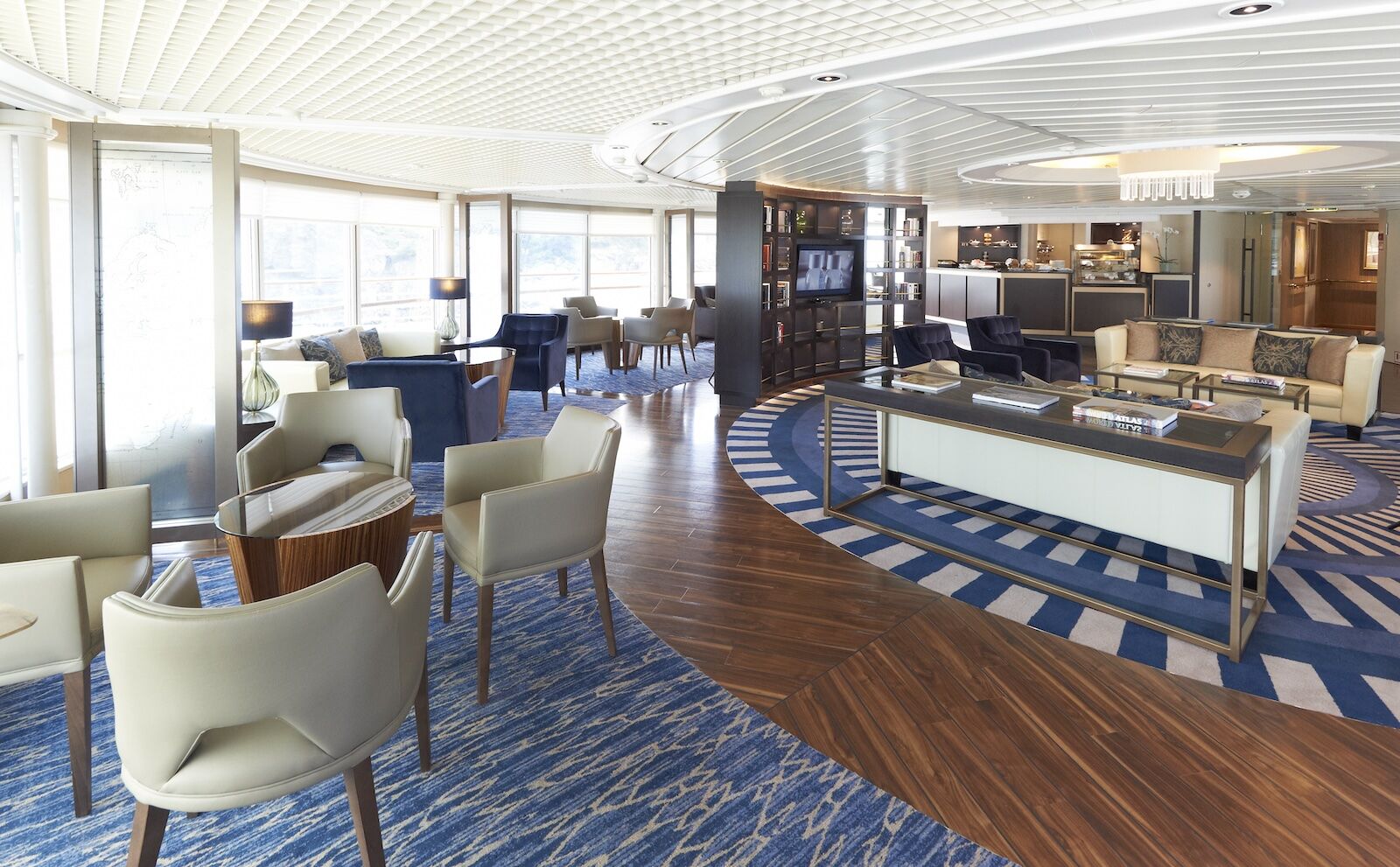
Photo courtesy Windstar
One standout detail that’s particularly significant to me about the Windstar team is that since it’s a small ship with a staff-to-guest ratio of 1:1.5, everyone onboard got to know each other very quickly. By the third day of the trip, the servers knew who I was and were aware I was gluten-free. They knew my mom was a red wine person. Our housekeeper mentioned that he would wait to clean our room in the mornings, knowing I would be heading to the gym upon waking. It’s those human connection moments you enjoy, when someone remembers you and your habits and preferences. It makes you feel like you matter.
The ship’s lively cruise director, Tim, who oversees onboard entertainment, shared that he and the Windstar team are working to incorporate more “enrichment” experiences into the voyages, alongside the existing exciting excursions and adventures, to enhance the guests’ overall experience.
One example of this is on our own voyage, when we crossed the Arctic Circle around 11 p.m. (still in broad daylight), we participated in a “Viking ceremony” on the upper deck. Some of the well-known employees came dressed up as mermaids and Vikings, and our group learned about the history of Iceland and Viking culture before kissing the nose of a dead fish (only if you wanted to, and to be honest — it really wasn’t that bad).
We were given “certified explorer pins” that signified we’d crossed the boundary into the Arctic Circle, and were “initiated” into this coveted group of explorers by getting our nose painted blue, and being given a beautiful blue-hued cocktail. It was a fun, lighthearted, educational, and unexpected “bonus” activity for guests of all ages and backgrounds.
Sustainability at Windstar Cruises
Photo: Nina B /Shutterstock
Another detail that stands out to me about this multi-gen Windstar journey, and one of the reasons my family (and many other younger groups of families who were on this journey with us) chose this voyage, is the Windstar brand’s commitment to sustainability. Cruise ships aren’t traditionally known for being easy on the environment — but since Windstar sails small ships and features more in-depth destinations in their itineraries, the brand has the ability to work with the changing travel climate and the environment, as much as they can.
It costs, on average, $1 billion to build a cruise ship, and around $40 to $200 million to renovate them. Renovating a ship is often cheaper and better for the Earth than building a new one, helping prolong its lifespan and reduce pollution. Renovating a ship can also help bring it up to modern safety and environmental standards, among other benefits.
The ship we sailed on, the 312-guest “Star Pride,” is part of the “250 Million Star Plus Initiative.” This initiative is putting money into making Windstar’s existing ships more efficient, sustainable, larger (bigger suites for guests), updating bathrooms, and adding more tender platforms so guests can get on and off the ships faster. The team is also working to create new spaces on the existing ships (including two new dining venues, like Basil + Bamboo, which is set to open on Star Pride in early 2026) instead of just building new ones. You could take a trip on the exact same ship five years apart and feel like it’s a totally new environment.
Other elements of the initiative across other ships can include fashioning a new spa, building a new infinity pool, upgrading and enlarging the fitness area, and “stretching” the ship to make it larger, flashier, and more modern.
It’s a step forward in the cruise industry, and I look forward to seeing more brands follow Windstar in seeking more sustainable methods of operation and improvement.
Reshaping the demographics of many previously stereotyped vacation models, like cruises
Rocking into the night. Photo: Molly O’Brien
Finally, one of the most important and glaringly obvious details that struck me as different from previous cruise experiences I’ve had is that we weren’t the only multi-gen family on this voyage together. Far from it. Two dozen extended family members from Minnesota came together for this trip, and we’d frequently run into and hang out with their sons, who ranged in age from 14 to 29. There was also a family from Colorado, composed of a mother-father duo and their daughter, who was in her late 20s, along with her husband. No longer are these vacations dominated primarily by wealthy retirees and honeymooners seeking once-in-a-lifetime trips.
It was a much younger crowd onboard than I’d anticipated — and I can see these demographics continuing to shift as more families begin to travel together (especially on cruises). The cruise industry continues to adapt to travelers’ shifting interests and an increase in priority for authentic sustainability initiatives. Folks are increasingly deciding to put their money toward creating special memories together, instead of “saving for later.” Experiences like an unforgettable vacation — rather than material items or an impending inheritance — can be a fantastic way to create precious moments together as a family unit. Since modern families now live geographically further apart than ever, it’s easy to see why a multi-generational vacation on a cruise line like Windstar is an ever-more coveted experience. 