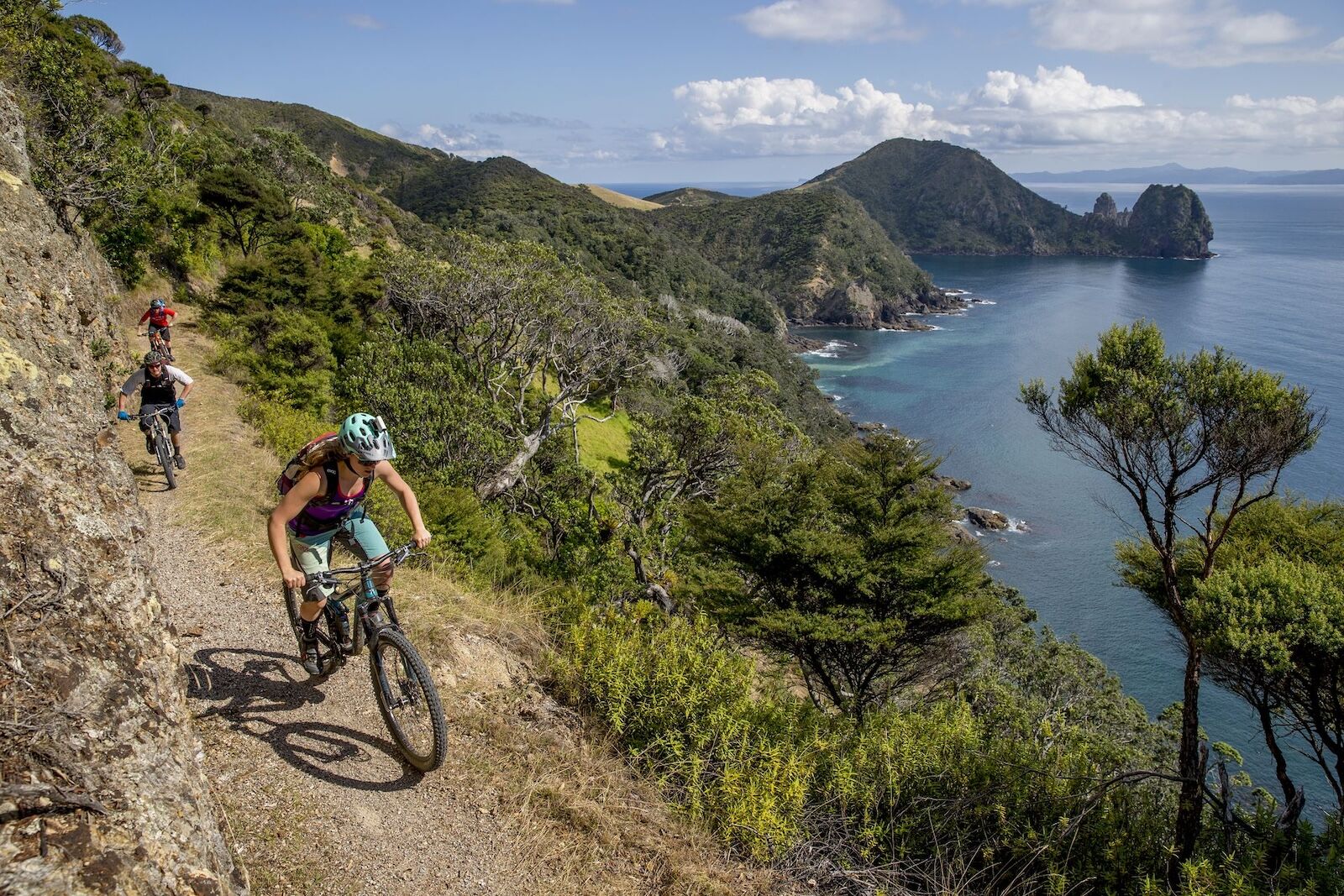
Photo: Jakub Maculewicz/Shutterstock

Millions of Acres of New Zealand Public Land Could Soon Be Up for Sale

New Zealand Sustainability News National Parks
by Suzie Dundas Jun 23, 2026

In New Zealand, roughly one-third of the country — about 21 million acres — is public land, including national parks, forest parks, coastal reserves, and a range of other categories. It’s all managed by the Department of Conservation (DOC, akin to the US’s National Park Service), which was established by the Conservation Act of 1987. The law has governed how that land is used, developed, and disposed of since it passed nearly four decades ago.

But a bill currently moving through New Zealand’s parliament would change that framework significantly. The Conservation Amendment Bill, introduced in May by Conservation Minister Tama Potaka, would make up to 60 percent of that public land (about 12.4 million acres) eligible for exchange or sale by the government. It’s passed through the first stages of approval and is now open for public comment through July 2. Experts have said it’s the most significant proposed change to conservation law to make it this far in the legislative process.
What the bill actually does

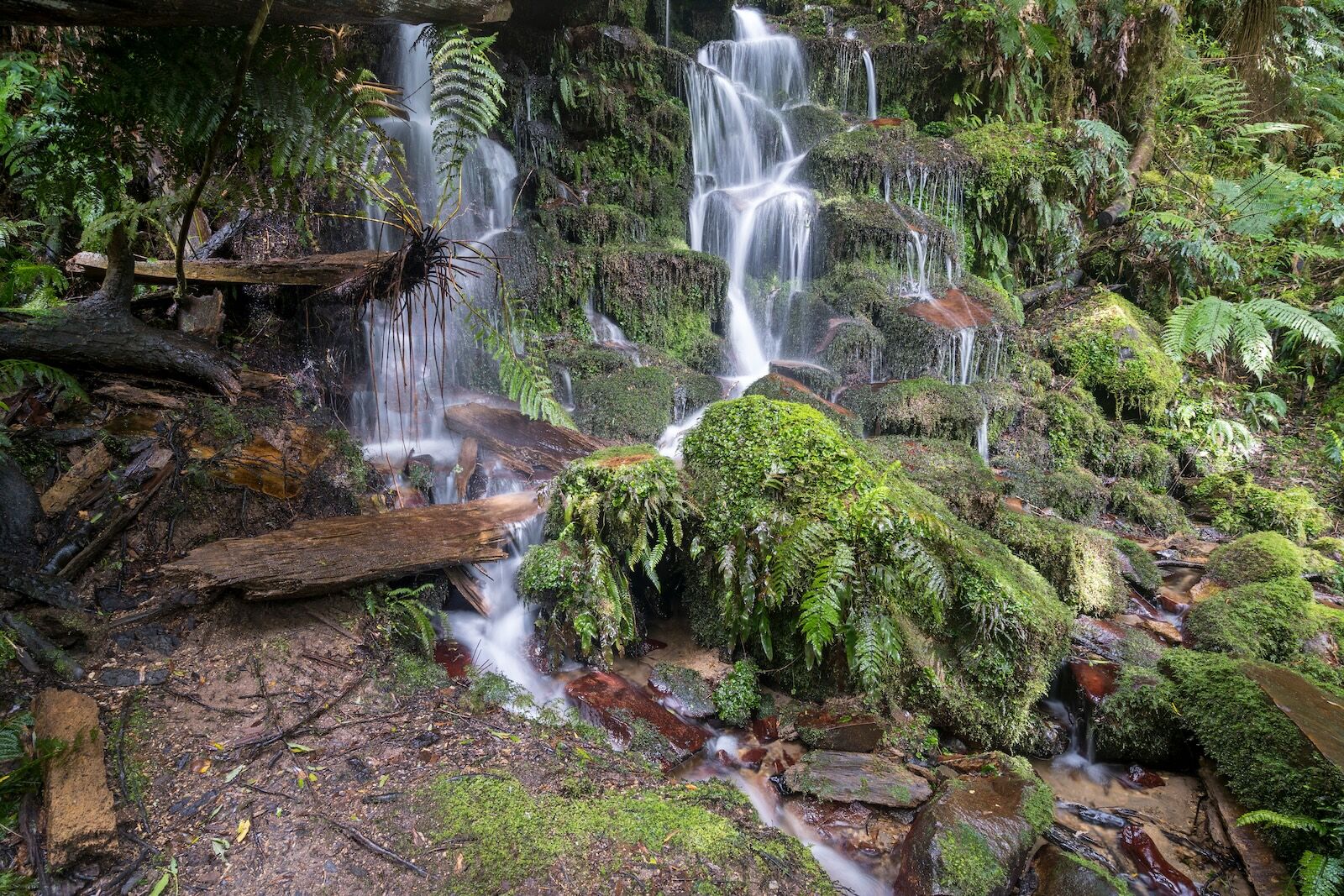
new zealand conservation bill - Whirinaki Forest Park

A waterfall in Whirinaki Forest Park, which could be impacted if the bill passes. Photo: Sebi Wolf/Shutterstock

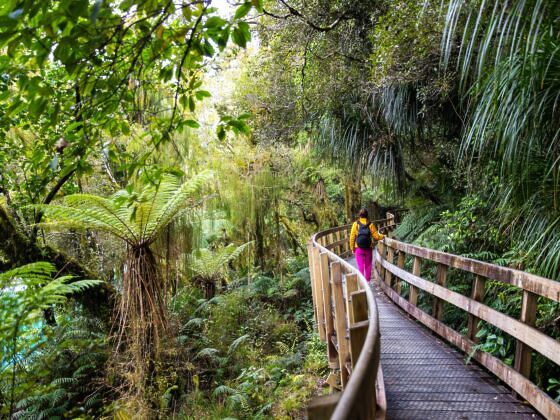
The bill amends the Conservation Act of 1987 in several areas. The biggest changes involve which land can be sold or traded, what the department’s core mission is, and how private businesses get permits to operate on public land. Under current law, DOC can only sell land classified as “stewardship land,” and only after determining it has no or very low conservation value. This bill would expand what types of land are eligible to be sold, removing the requirement that land must be of “no or very low” conservation value. Critics say this would put some of the country’s most popular protected lands, including the Tararua, Whirinaki, and Mount Richmond forest parks, on the chopping block for the first time.

The bill also shifts DOC’s core mandate away from just conservation. Currently, the department’s primary function is to protect nature, but the bill would include a new responsibility to recognize and enable, “to the greatest extent practicable,” economic opportunities from the use and development of the resources it manages.

The third major change would streamline the concessions process to decide which commercial operators can work on public lands — akin to how private companies manage hotels in national parks in the US. It suggests a new “visitor amenity areas” framework to allow more tourism infrastructure development, and opens the door to charging extra fees to international visitors for access to certain areas. The bill also removes the requirement to hold public hearings for some concession decisions.

The government’s case

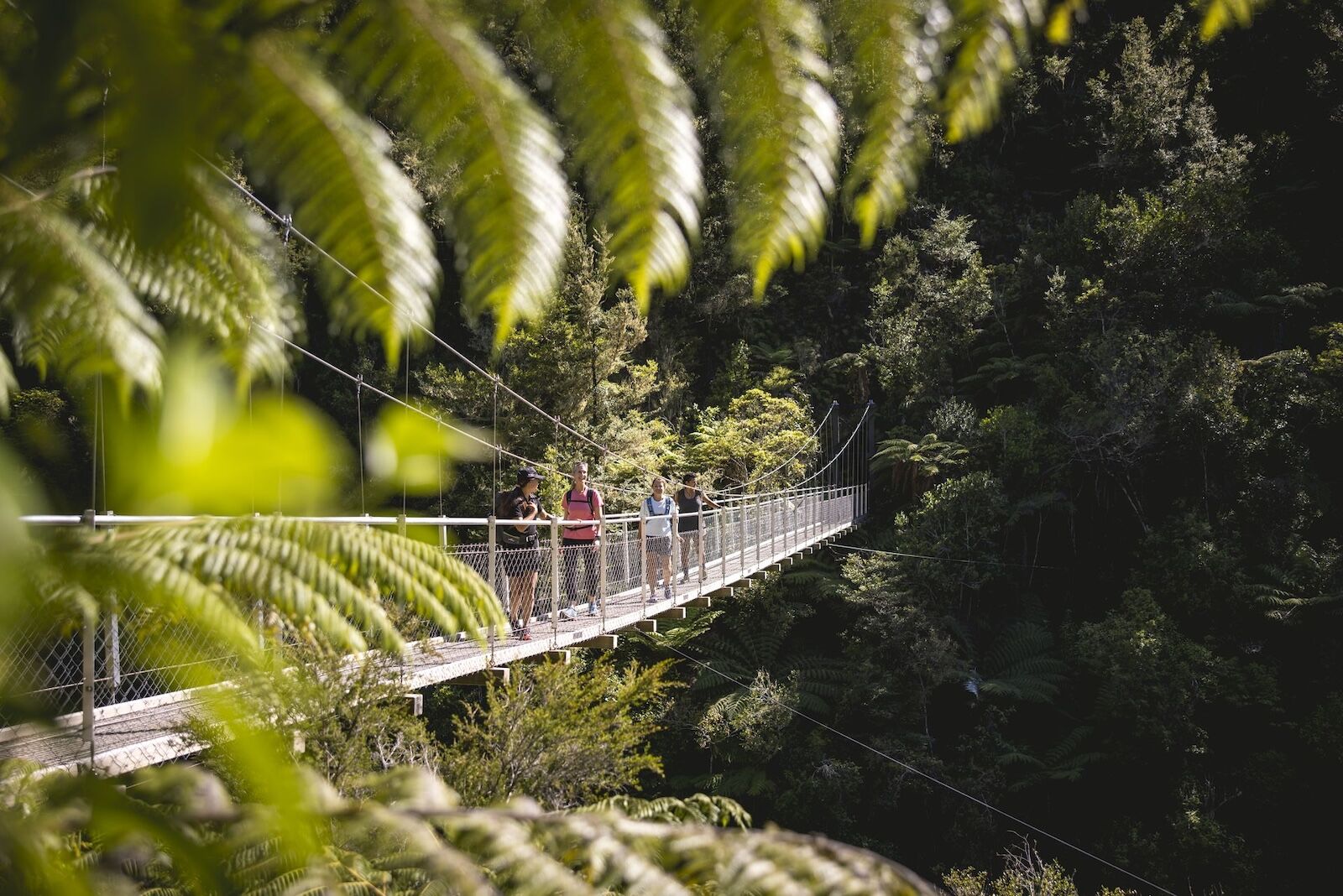
new zealand conservation bill - suspensino bridge

A suspension bridge in Abel Tasman National Park, Nelson. Photo: New Zealand Tourism/Miles Holden

Conservation Minister Potaka has said the bill doesn’t direct or require any land sales, and that DOC has no plans to sell anything. “New Zealanders need to know the facts,” he told RNZ news in New Zealand. “We’re protecting the estate, not selling it. The bill doesn’t set up a plan or programme to sell 60 percent of the conservation land.” He described conservationists’ concern about eventually selling off public lands as “scaremongering and mischievous.”

He pointed out that DOC already has the ability to sell land, but that the process is extremely slow and in need of modernization. The government says the new bill creates a clearer legal framework for decisions that were always possible but extremely bureaucratically difficult. Potaka has said proceeds from any future land sales would be reinvested into conservation efforts.

The case against it

new zealand conservation bill - fletcher bay

Fletcher Bay on the Coromandel Peninsula. Photo: New Zealand Tourism/Camilla Rutherford

Greenpeace New Zealand has called it “the biggest attack on conservation land in New Zealand’s history,” and Labour and the Green Party leaders have both said they will fight the bill. Forest and Bird, the country’s largest independent conservation organization, created maps showing the scope of land that would become eligible for sale under the new framework.

Forest and Bird also found that a technicality in the law’s wording would open up nearly half of the Coromandel Peninsula — a heavily forested, beach-lined stretch of New Zealand’s North Island roughly two hours from Auckland that draws hundreds of thousands of visitors annually — to mining. However, Potaka acknowledged that issue and said he would “see if the bill’s wording needs changing to close the loophole.” The current bill explicitly excludes national parks from being sold, which the government cites as evidence of its moderation. But critics note that many areas beloved by New Zealanders sit outside national park boundaries.

Scientists and conservation experts have publicly said the speed of the reform is itself a concern: “Reform of this scale simply shouldn’t be rushed like this,” said Dr. Marie Doole of New Zealand research and consulting firm Mātaki Environmental. “It does seem to me that the government may have underestimated the loyalty New Zealanders feel to public conservation land and its ongoing protection.”

Public response so far


View this post on Instagram


A post shared by ✦VAN✦ (@theforestwithin_)


A Curia Market Research poll commissioned by Forest and Bird surveyed 1,000 voters across the political spectrum and found two-thirds of New Zealanders oppose selling public conservation land, with opposition higher than 50 percent, even among voters who support the current conservative-leaning government. New Zealand’s National Party is center-right by international standards, but would sit comfortably to the left of the US Republican Party on most issues. It supports the public healthcare system, doesn’t dispute climate science, and isn’t pushing to dismantle social safety nets. This is part of what makes the Conservation Amendment Bill so controversial — by NZ standards, it’s considered an aggressively conservative move.

Public comment on the bill is open through July 2, 2026 (July 1 in the US) via the New Zealand Parliament’s website. Submissions are open to anyone, not just New Zealand citizens or residents. Forest and Bird has a submission guide for anyone who wants help structuring their comments. Greenpeace New Zealand has a quick submission tool that walks users through the process in a few minutes.

Discover Matador

Save Bookmark

We use cookies for analytics tracking and advertising from our partners.

For more information read our privacy policy.