Everything You Need To Know About New Zealand's Working Holiday Visa

New Zealand Travel Digital Nomad
by Hannah D. Cooper Jun 12, 2026

Seven years ago, I arrived in Auckland armed with the greatest purchase of my adult life: a working holiday visa for New Zealand, Aotearoa in the native Māori language. Years later, I am a keen advocate for working holiday visas, whether that’s for New Zealand or any other country offering the scheme.

When weighing up my options, New Zealand stood out to me firstly for the landscapes. I’ve lost count of how many copies of Tolkien’s The Lord of the Rings I’ve clawed my way through, and the hours I’ve dedicated to Peter Jackson’s film series. New Zealand also appealed to me for its compact size: despite its staggering geographical diversity, the country is only a fraction larger than the United Kingdom, which means getting around isn’t as logistically overwhelming as, say, Australia, which also offers a popular working holiday visa.

Arriving in Aotearoa at the ripe age of 30, I feared I’d be pruning grapevines beside youngsters fresh out of school. I was relieved to find myself in a mixed company of ages from all walks of life — recent graduates and seasoned workers looking for change. Besides getting my hands dirty with honest work and using my downtime to visit obscure (and usually, unrecognizable) LOTR film locations, I was fortunate to make incredible friends through the scheme, many of whom I remain in contact with. And, although the working holiday visa is not applicable to remote workers, the experience does lend itself to fledgling digital nomads.

How to get a working holiday visa in New Zealand

new zealand immigration website

Photo: santiagor123 /Shutterstock

New Zealand offers working holiday visas to citizens of 42 countries. Typically granting a 12-month stay, the visa allows holders to travel around the country while undertaking temporary work and study. Most nationalities, including the United States, are eligible to apply between the ages of 18 and 30 (you have until the day before you turn 31 to apply). A small number, including Canadians, can apply up until the age of 35. Canadian and British passport holders may apply for a 23-month visa.

Full eligibility for each nationality is published on New Zealand’s immigration website. All applications are made online, during which the fee is taken (NZD $770 for US applicants, or around $453). Processing times vary, but generally take around 20 days for US/UK passport holders. Once approved, you have 12 months to “activate” the visa — this is done automatically upon arrival.

Besides meeting the age requirements, applicants must satisfy other eligibility terms relating to health, character, and finances. You may be asked to provide a chest X-ray (mandatory if applying from inside New Zealand), a medical certificate, or a police certificate during the application process — this is based on the information shared during the questionnaire. Most applicants are required to show evidence of having at least NZD $4,200 ($2,473) in a bank account and a valid medical insurance policy that will cover the entire stay.

As a temporary visa holder, you are eligible for emergency treatment under the Accident Compensation Corporation (ACC). This scheme covers medical care in the event of a no-fault accident — all you need to do is show up at a clinic and detail the circumstances. Medical or robust travel insurance is still needed for situations beyond the scope of the ACC.

While the US, Canada, and the UK have an unlimited allocation of visas per calendar year, some nationalities face a limited quota. The official website indicates when applications are open and closed. If you work for at least three months in the viticulture and horticulture industries, you may apply for a three-month visa extension.

Arriving in New Zealand

immigration area at auckland airport

Photo: ChameleonsEye /Shutterstock

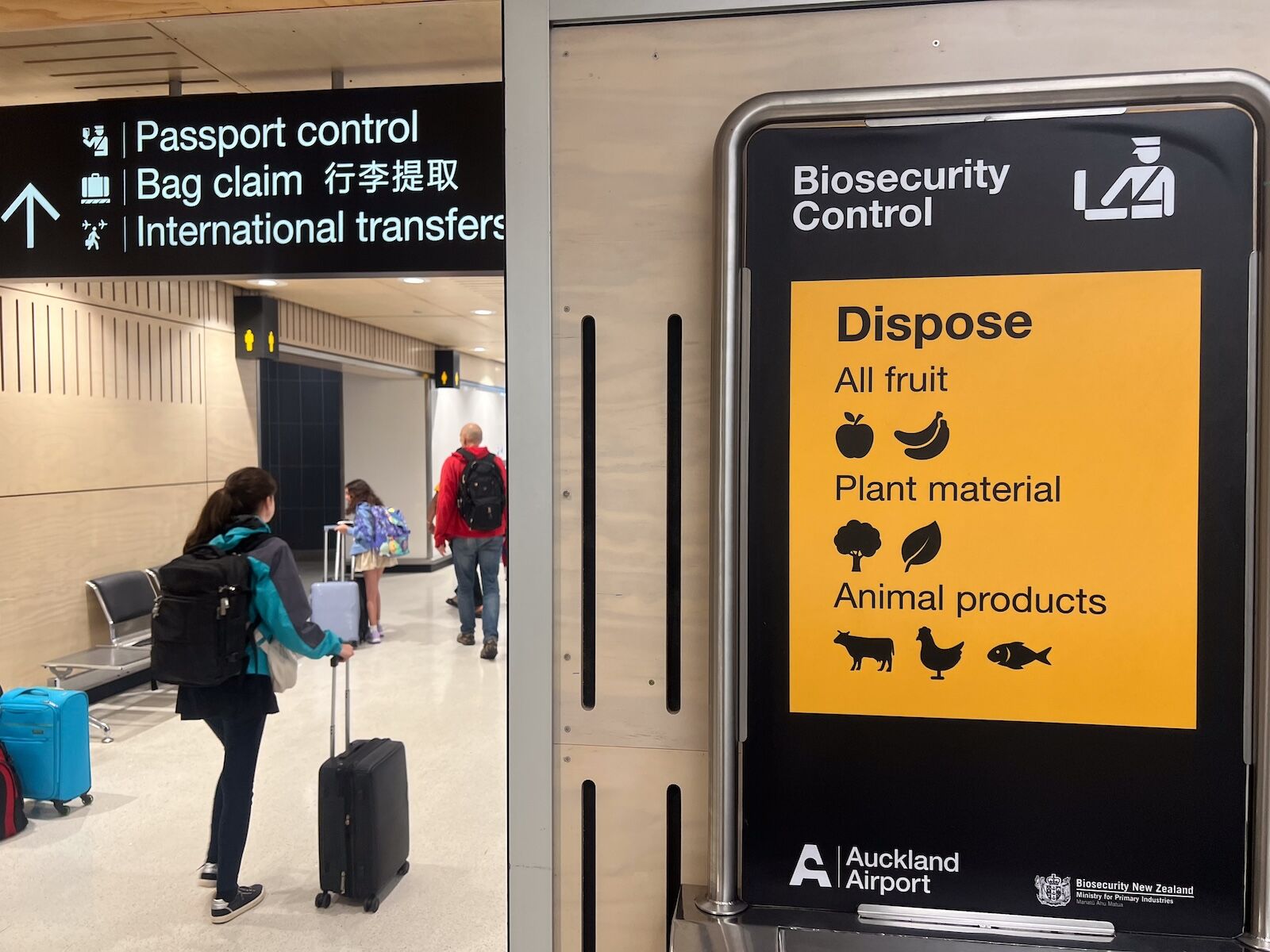
There is no need to apply for a job prior to arrival. Upon arrival, you’ll need to apply for an IRD tax number. This is essential before applying for any jobs and opening a bank account — another priority, as employers will only pay into New Zealand bank accounts. The IRD number is issued over text, email, or post, and it’s a widely accepted norm to use a hostel or hotel as the address for both of these applications. I suggest informing the property out of courtesy.

Once you have the IRD number, you may open a bank account. ANZ and BNZ are the most straightforward for temporary visa holders; I had a breezy experience opening a checking account with ANZ, and used the bank’s app to manage my finances. While it is possible to apply for an account online, it’s usually necessary to visit a branch in person to complete the process. You can close the account after leaving the country at the end of your stay: you may need to leave it open for a couple of months in case you are due a refund for overpaid tax, which is often the case due to temporary visa holders not working an entire tax year.

Buying a vehicle and freedom camping in New Zealand

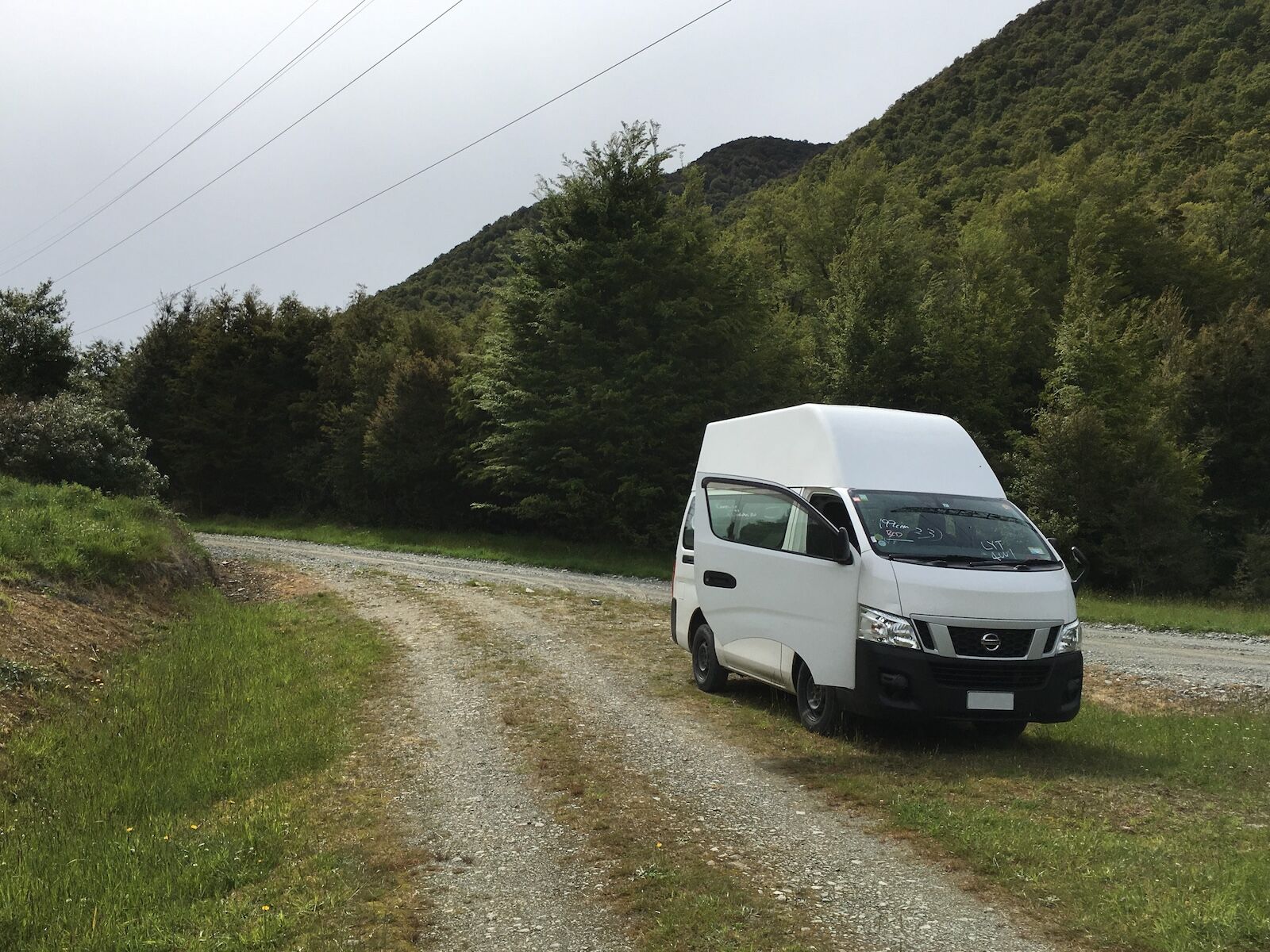
camper van at rotoroa in new zealand

Photo: Curt Bauer /Shutterstock

Secondhand cars and campervans form an endless cycle as they pass between the hands of working holiday travelers. Because public transport is limited in New Zealand, a car makes it easier to reach remote beauty spots — it’s also beneficial for finding work in rural areas. You’ll find the widest selection of vehicles in Auckland, sold at regular car fairs and online via Backpacker Board and Facebook Marketplace.

Wanting as much freedom as possible, I purchased a campervan (take that with a pinch of salt). My budget-friendly Honda Odyssey with 400,000 miles on the clock came with the much-coveted freedom camper self-contained certification, which allowed me to pull over on designated public land for the night, rather than pay to dock at campsites. The system has recently been revised, with stricter regulations now requiring fixed toilets and a green warrant; the “blue sticker” system is no longer valid. If you do not purchase a self-contained vehicle, you can sleep at campgrounds and hostel parking lots for a reasonable fee.

All vehicles in New Zealand must have a valid warrant of fitness (WoF). I’d recommend ensuring the car or campervan you purchase has recently passed its inspection — look for a certificate issued within the past three months. Because the AAC provides no-fault cover, motor insurance is not mandatory in New Zealand. However, as this insurance has limitations, it is wise to take out an extended policy. Third-party insurance covers damage to another motorist’s vehicle, while comprehensive insurance extends to your own vehicle and any others involved in a collision.

Preferring peace of mind, I purchased comprehensive insurance with the AA insurance company. New Zealand has a track record for safety, but as theft is one of the main areas of concern, insurance covers you in the event of car robbery or a break-in.

Working hard in New Zealand

woman picking apricots in new zealand

Photo: ondrejsustik /Shutterstock

The working holiday visa allows applicants to apply for temporary jobs: no term of employment can exceed six months. Fortunately, work is relatively easy to come by, and employers are accustomed to the never-ending trickle of visa holders. Some employers prefer a commitment of a couple of months (particularly where advanced training is provided, such as adventure sports), whereas most will just ask for a week or two of notice. Most positions pay the minimum wage, currently NZD $23.95 per hour ($13.90). This will be paid into your bank account and is subject to tax (a deduction of around 10%), which is handled by the employer.

I found most of my jobs via the Backpacker Board website, where employers advertise to travelers. This site mainly lists agricultural and hospitality positions, with a few vacancies for office work and outdoor adventure roles. This was where I found my role as an apple picker. After being fired two weeks in, I logged in again and, within hours, found myself a new job harvesting potatoes, which turned out to be a better match for my skillset. Handing out resumes, old-school style, is another way to find work, especially in hospitality. This was how I landed a job in a craft beer bar, striking up a rapport with the manager, a fellow Brit.

Work follows the seasons, with more hospitality vacancies cropping up in late spring and early summer (December-February) and ski season recruitment opening ahead of winter (around May). Within agriculture — the most reliable source of work — you’ll find berry picking roles during summer, grape harvest during the fall, and pruning or maintenance positions during winter and shoulder seasons. If you have past experience or are prepared to commit to training and a longer contract, you can apply to work at outdoor adventure outfitters — guiding kayaking tours or strapping tourists into their bungee jump harness (a role I, in fact, applied for but didn’t make the cut).

It’s also possible to undertake a short-term study with the working holiday visa or partake in volunteering opportunities. “Wwoofing” is popular in New Zealand, whereby food and lodging are provided in exchange for supporting farms and homesteads. A working holiday visa (or alternative work visa) is needed: tourist stays are not permitted to volunteer, despite no cash being exchanged. I spent a few weeks volunteering at an animal sanctuary via Workaway and enrolled as a trainee in the Canterbury Coast Guard, balancing my training and shifts alongside paid agricultural work.

Playing hard in New Zealand

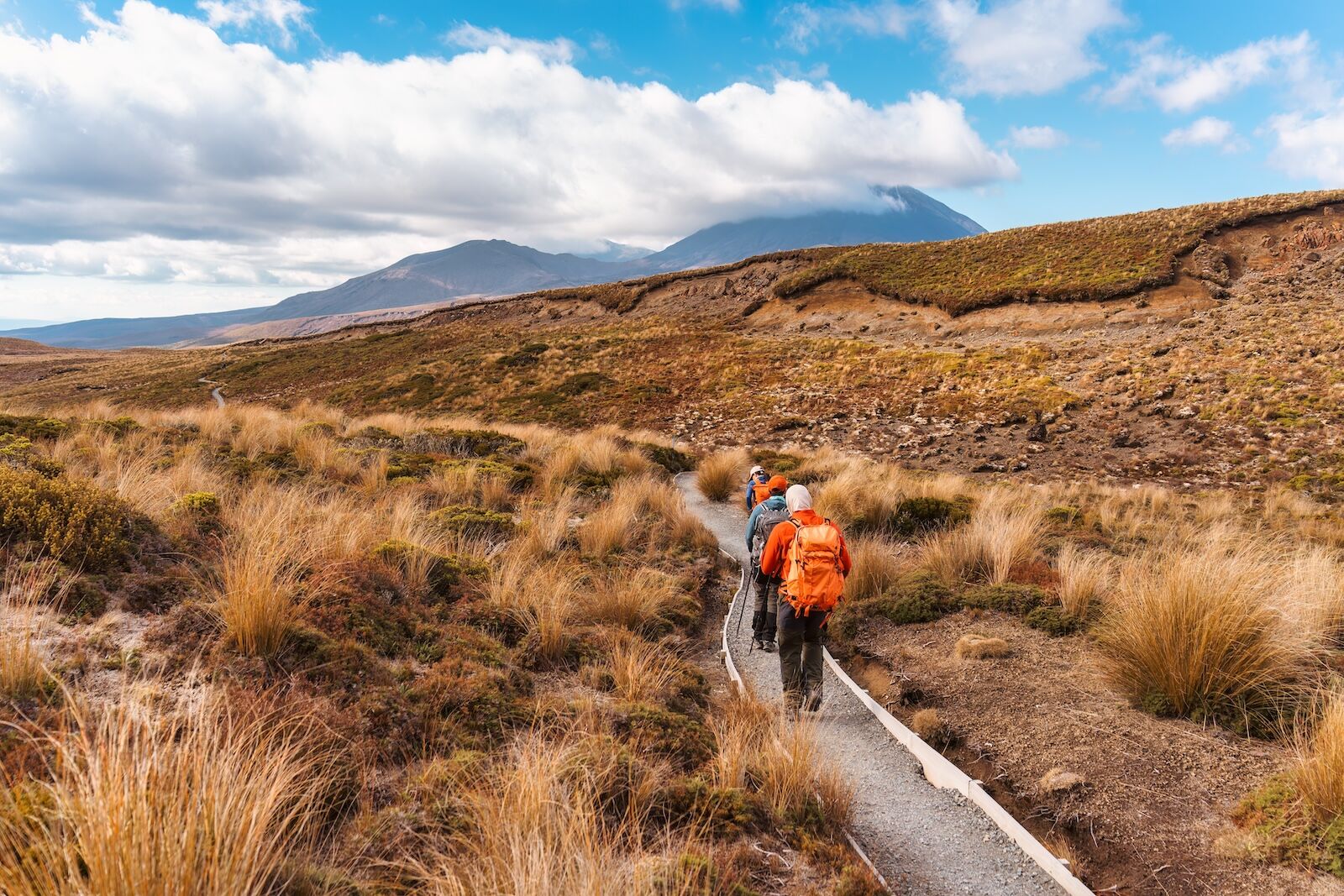
trekkers in new zealand

Photo: Mumemories /Shutterstock

Admin and work aside, the real purpose of the working holiday scheme is to explore, in my opinion, the world’s most captivating outdoor adventure destination. As tourism pursuits in New Zealand swiftly add up and the minimum wage only covers so much, I’d recommend doing research ahead of arrival.

Create a wishlist of experiences and suss out the costs of tickets, tours, and activities. Bear in mind that spaces at huts and campgrounds on Great Walks (New Zealand’s 11 multiday trekking routes) are limited, and slots for the likes of bungee jumping and boat tours can sell out. Poor planning and mindless spending on my part meant that I did skip a few activities, but I would say I have struggled to find a country that compares with New Zealand for hiking — it’s bountiful and free.

But where to go? Aotearoa is best known for its South Island, where glaciers, mountains, fjords, rainforests, lakes, and vineyards coexist in just 58,000 square miles of island. Highlights include:

  • Outdoor adventure in Queenstown — bungee jumping, skydiving, jet boating, white water rafting, canyoning, and winter sports
  • Hiking around Wānaka — the Roys Peak Lookout and Rob Roy Glacier Track are the most famous
  • Scenic cruises and kayaking at Milford Sound and Doubtful Sound
  • Heli-hiking at Franz Josef Glacier or Fox Glacier
  • Chopper rides over the Southern Alps
  • Tackling one of the island’s 8 Great Walks, such as the Milford Track or Routeburn Track (the other three are located on the North Island)
  • Stargazing at Lake Tekapo
  • Scouring the banks of the Arahura River for pounamu (green stone)
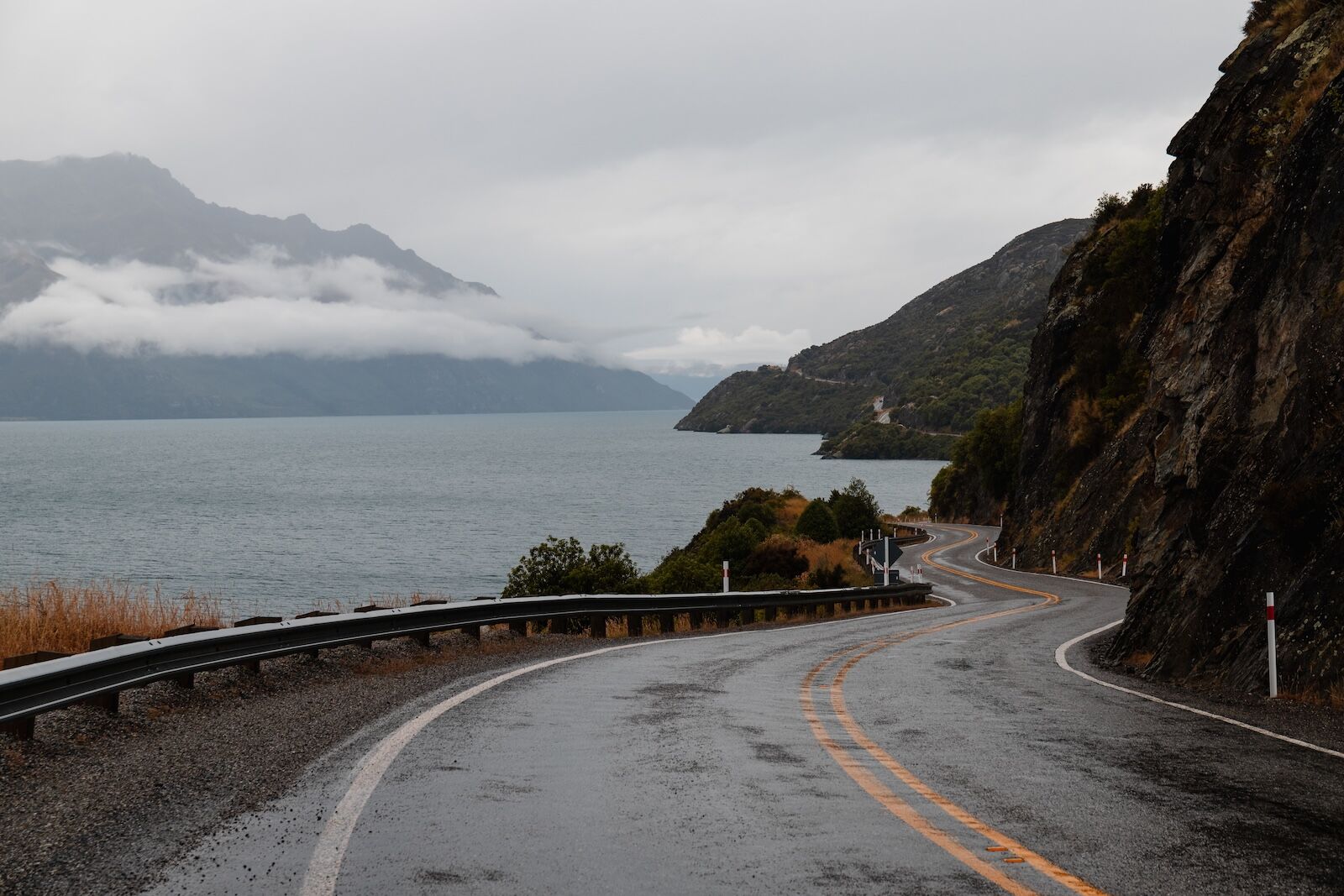
  • Taking a scenic drive to the small townships of Arrowtown and Glenorchy
  • Overnight stay on Stewart Island/Rakiura and the predator-free Ulva Island are among the few places you might see a kiwi bird in the wild
  • Whale watching in Kaikoura
  • Exploring rugged waterfall trails in the Catlins
  • Relaxing at the thermal pools in Hanmer Springs
  • Checking out Dunedin’s cultural attractions and viewing albatrosses and penguins on the Otago Peninsula

New Zealand’s North Island has the best beaches (which double up as hubs for all kinds of watersports), as well as remarkable volcanic landscapes and excellent wine regions. I based myself in the Bay of Islands for three months, balancing a job in a craft beer bar with exploring the Far North. North Island highlights include:

  • Visiting Hobbiton, the film set for The Lord of the Rings and The Hobbit movie series
  • Adventure sports at Taupō — the North Island counterpart to Queenstown, which is much quieter and more affordable
  • Hiking, camping, and sailing at Urupukapuka Island
  • Learning about Maori culture at the Waitangi Treaty Grounds
  • Wine tasting at the Waiheke Island and Hawke’s Bay wine regions
  • Exploring geothermal wonders in Rotorua
  • Hiking the volcanic Mount Taranaki
  • Tramping in Tongariro National Park, either the one-day Tongariro Alpine Crossing or the four-day Tongariro Northern Circuit — Mount Ngauruhoe served as Mount
  • Doom in The Lord of the Rings and see how the film series has changed New Zealand
  • Scuba diving at the Poor Knights Islands
  • Surfing at Raglan
  • Digging a natural hot tub at the Coromandel Peninsula’s Hot Water Beach
  • Admiring Napier’s Art Deco architecture
  • Enjoying Wellington’s culinary scene, museums, and gardens
  • Seeing where the Tasman Sea collides with the Pacific Ocean at Cape Reinga Lighthouse

Unless you have your heart set on working in a specific location or within a certain industry — for example, at a surf school in Raglan or shadowing one of Wellington’s top chefs — I’d recommend splitting the year, if you have that long, fairly equally between the two islands. You’ll likely find the South Island more spectacular overall, but there’s a lot of unsung beauty in the North Island.

Remote work in New Zealand

man doing remote work in van in new zealand

Photo: Zephyr_p /Shutterstock

New Zealand relaxed its visitor rules in January 2025, allowing visitors to work remotely for overseas companies while on a tourism stay. Travelers staying beyond 92 days might be subject to tax obligations, and no work can be carried out for a New Zealand-based business. The working holiday visa, however, is not a digital nomad visa — it doesn’t permit travelers to work remotely, at least not as a primary means of income.

This is a grey area because, technically, a digital nomad could work remotely while holding the visa. However, this goes against the purpose of the scheme and carries risk of deportation. While I kept up a few remote projects here and there, and used my downtime to consider my next step as a digital nomad/long-term traveler, I maintained in-person work contracts the whole year. Besides steering clear of issues with the authorities, partaking in agricultural work helped me make friends and get a deeper understanding of the Kiwi lifestyle.

Handy resources for traveling in New Zealand

devils staircase drive in new zealand

Photo: Yannik Photography /Shutterstock

  • Backpacker Board: The definitive resource for visa holders, pooling travel advice with job vacancies and vehicle sales. Older parts of the website are a little outdated.
  • New Zealand Immigration: Where to find the latest and most accurate information about the working holiday visa and where to apply.
  • Gaspy: This app alerts you to the cheapest places to buy gas.
  • Bookme New Zealand: Where to book discounted tickets for tours and activities.
  • Department of Conservation: Where to book huts and campsites on Great Walks.
  • Rankers: An app with information about hiking trails and campgrounds, with pricing information and reviews from travelers.
  • Transfer Car: A free (or, at least wallet-friendly) car hire service whereby drivers return rental cars from A to B.
  • InterCity: Where to book buses between cities.
  • InterIslander: Where to book ferries between Wellington (North Island) and Picton (South Island).
  • NZ Seek: Another site for finding job openings.

Discover Matador

Save Bookmark

We use cookies for analytics tracking and advertising from our partners.

For more information read our privacy policy.