Sylva, North Carolina, probably isn’t the first place you think of to go forest bathing. The practice started in Japan, yet is well represented in Jackson County with two Certified Forest Therapy Trails recognized by the Association of Nature & Forest Therapy (ANFT): Pinnacle Park Trail and the Jackson County Greenway. I came here to explore the trails in a structured approach to help me slow down, connect with nature, and immerse myself in the sights, sounds, and smells of the forest.
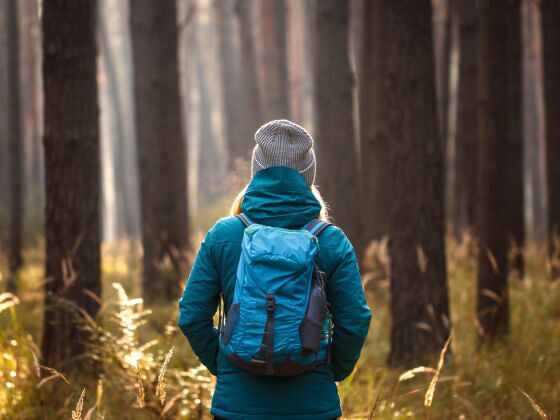
Photo: encierro/Shutterstock
You Don’t Need to Go to Japan to Try Forest Bathing. Just Head to North Carolina.
The Japanese government first promoted shinrin-yoku, loosely translated to forest bathing, in the 1980s to counteract burnout from the increasing presence of technology and the stresses of an urban lifestyle. Studies have found forest bathing may help with high blood pressure, reduce levels of the stress hormone cortisol, and improve cardiovascular and mental health responses in the short term. Unlike a miracle drug, it’s also something that needs to be experienced in person and on location in this increasingly digital world.
While forest therapy has its original roots in Japan, you don’t have to fly across the Pacific to chase after the benefits yourself. You can just head to North Carolina.
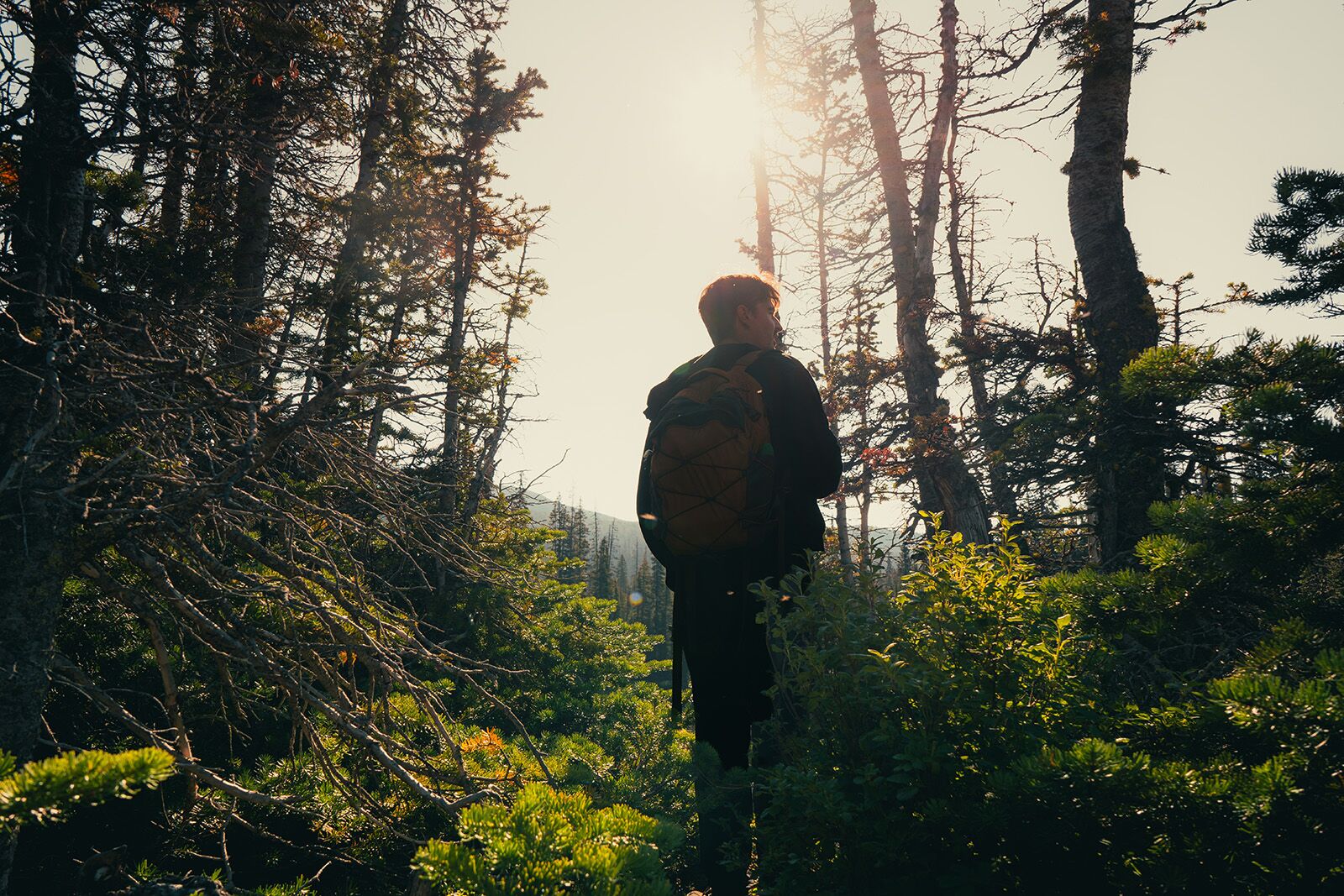
Photo: Vikkkks/Shutterstock
“A lot of people don’t know how to be still,” Dr. Mark Ellison told me on our forest therapy hike on the Pinnacle Park Trail. A forest bathing guide since 2012, Ellison helped introduce the practice in the United States. It revolves around slow and intentional walks where you deepen your connection to nature through all of your senses. Ellison worked with the town of Sylva to establish the Pinnacle Park Trail as the first certified forest therapy trail in North Carolina. It’s as accessible as it is calming: less than a half-mile long with just over 150 feet of elevation gain.
Pinnacle Park is much bigger than the forest therapy trail alone suggests. The 1,529-acre town park is better known for a seven-mile round-trip hike to the summit, but the certified forest therapy section asks something different of visitors. Rather than pushing for the overlook, it stays in the park’s calmer lower reaches. It feels far more removed than the 10-minute drive from downtown Sylva suggests. You don’t need a guide to experience it, either: Jackson County offers a self-guided brochure and audio tour courtesy of Ellison.
On our walk, I stopped to sit on a rock near the creek. I felt the wind dance across my face and the sunlight glowed behind my closed eyelids as the sound of the stream rushed in my left ear and fell quiet in my right. Ellison prompted reflection with simple questions: What does the wind taste like? How does the soil feel under your feet? How heavy does the rock you picked up on the walk feel in your hand? I felt relaxed and grounded between two creeks and moss-covered branches. “It’s the joy of experiencing,” he said.
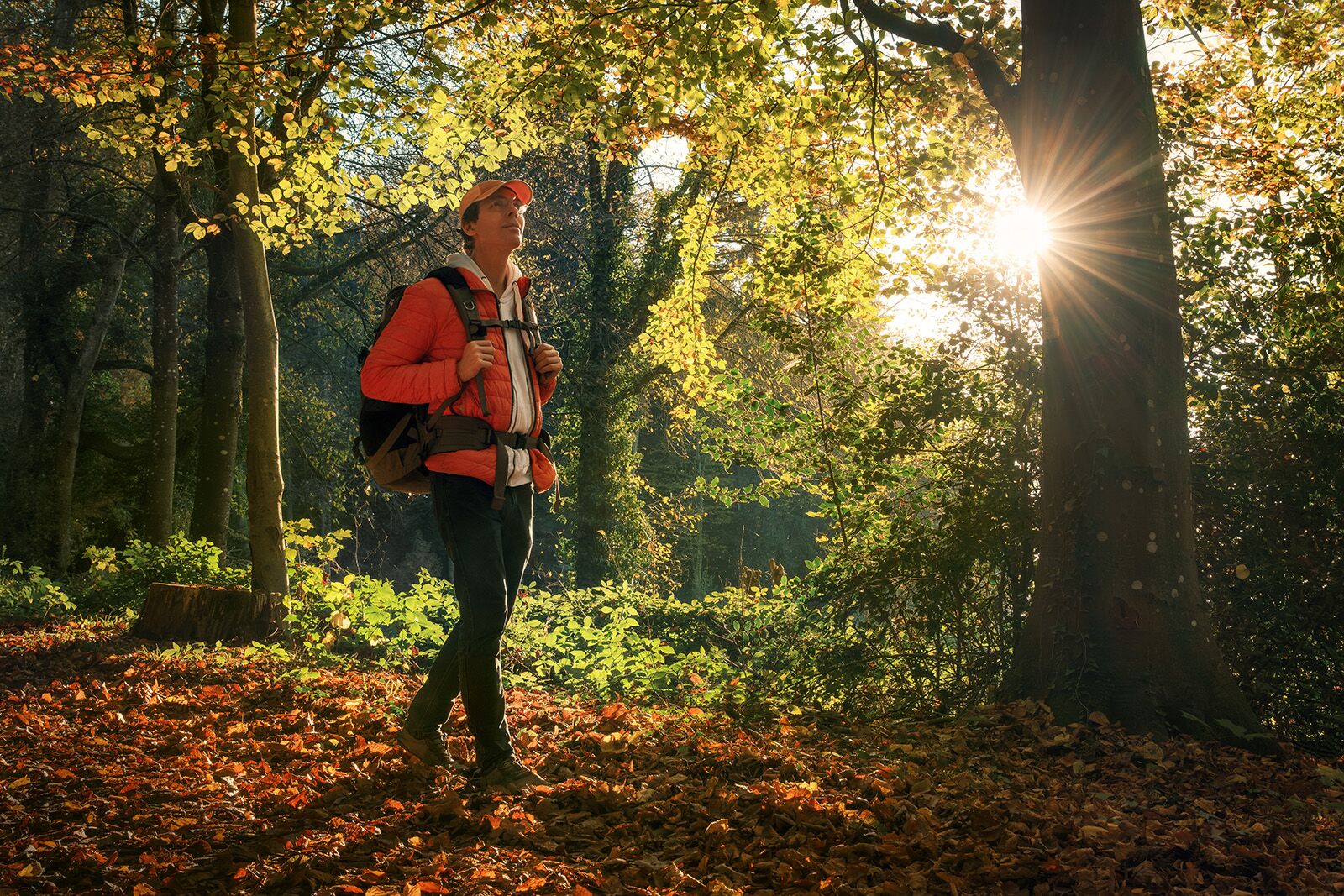
Photo: Smileus/Shutterstock
The Jackson County Greenway is a different experience. The mile-long paved path is the first fully accessible Certified Forest Therapy Trail in the US designed to accommodate a wide range of mobility needs. It follows the Tuckasegee River, and shows how a gentle entry point to forest therapy can work without pushing deep into the woods for sensory immersion.
The walk begins with a bridge crossing before leading down a ramp to the main path. I walked with ANFT-certified forest therapy guide Madison Traviss through a series of “invitations,” or prompts to help connect me with my senses in this transitionary period from winter to spring. “It’s about falling in love with little pockets of nature,” Traviss said.
Along the way, we passed blooming bloodroot, budding trillium, and fluttering butterflies. The sound of the Tuckasege River grounded the experience. The pace is slow by design, encouraging you to notice more, feel more, and reflect.
Of course, the trails themselves are only one part of a trip to this part of North Carolina. You don’t have to stay on the trail to connect with your senses.
What to eat and drink on a forest bathing trip to Sylva
Blue Ridge Bootleg Coffee Roastery and Cafe
Blue Ridge Bootleg Coffee is an industrial-style café and an ideal spot for remote work. Three booths line the walls beneath a neon-lit Sylva sign. Many people here are tucked into their laptops at the long wooden tables with high-top seating. I ordered a lavender iced matcha that was tasty and not overly sweet. In the evening, the spot shifts from work mode and you can settle in for live music and special events.
Blue Ridge Bootleg Coffee Roastery and Cafe: 582 W Main St Sylva, NC 28779
ILDA
Chef Santiago Guzzetti’s heritage and sommelier Crystal Pace’s ties to Appalachia inspire the menu at ILDA. The space is dimly lit and cozy, anchored by an open kitchen in the corner that brings a sense of warmth to the room. I had the mushroom fettuccine with miso brown butter and charred asparagus, which was rich, flavorful, and creamy, while the Italian Darrio Serrentino “Cala” bianco orange wine was crisp and not overly dry.
ILDA: 462 W Main St, Sylva, NC 28779
Dalaya Thai Cuisine
Flavors from Northern Thailand take center stage at this cozy restaurant along the riverbank. Chef Gun, a James Beard semifinalist for the Best Chef: Southeast category, serves up bold, spiced Thai cuisine with dishes like kaeng kua—a spicy house-made kua curry with duck and pineapple — flavorful, creamy, and delightfully crunchy.
Dalaya Thai Cuisine: 1084 W Main St, Sylva, NC 28779
Where to stay on a North Carolina forest bathing trip
Hotel Sylva is a home base on Main Street for those wishing to explore the Blue Ridge Mountains. Recently renovated, the interiors provide natural light with contemporary decor in neutral tones of browns and blues. I particularly enjoyed how spacious the rooms are, the faux leather headboard, and the benches at the foot of the bed to place my suitcase. Don’t hesitate to bring your furry friends on the trip, as Hotel Sylva is dog-friendly.
Hotel Sylva: 756 W Main St, Sylva, NC 28779
Getting to, and around Sylva
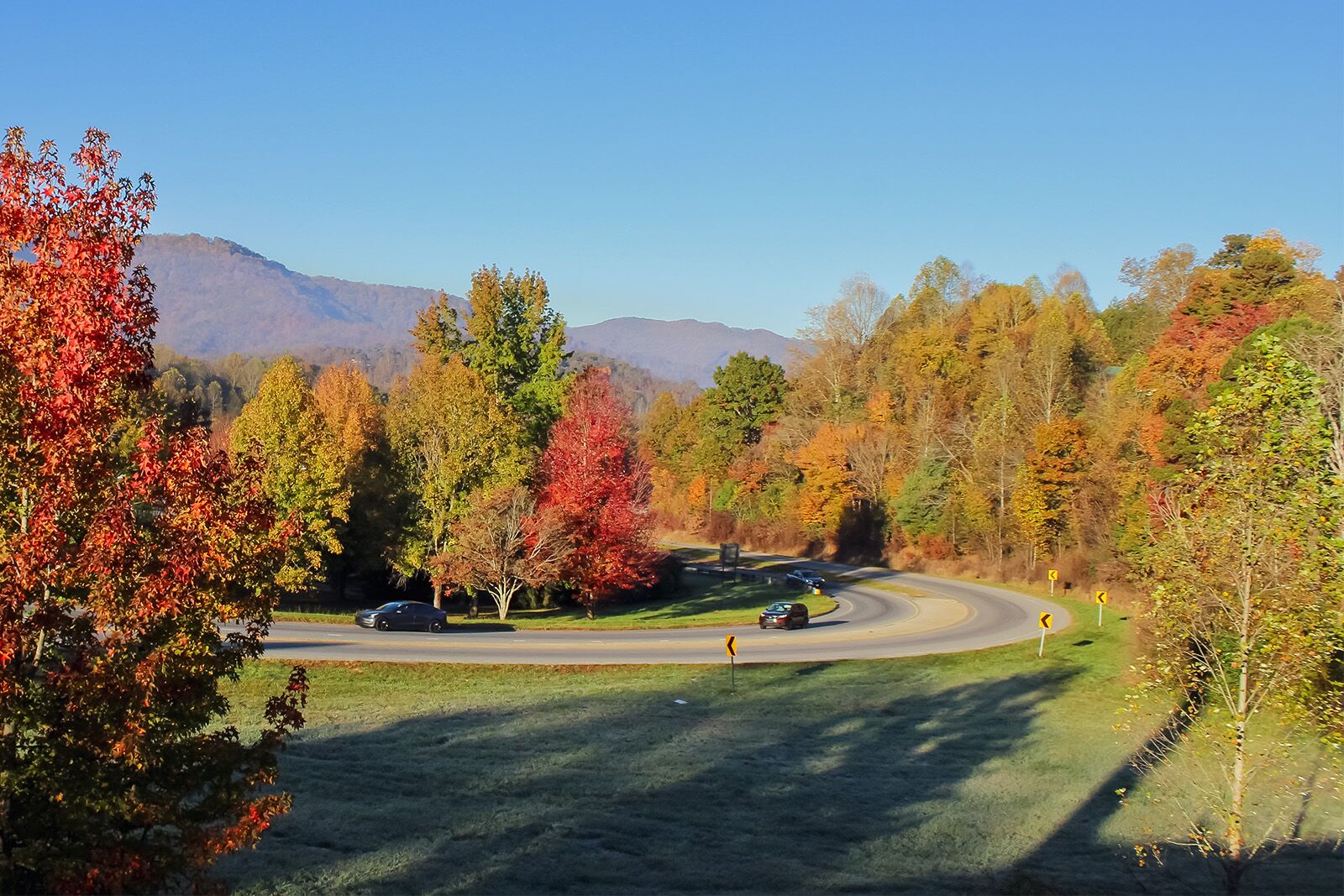
Photo: AS McCloud/Shutterstock
Getting around Sylva requires a bit of planning if you don’t have a car. The easiest way to reach town is by renting a car from Asheville Regional Airport and driving about an hour to Sylva. Jackson County Transit offers door-to-door service to and from Asheville Regional Airport, but does not run on the weekends. It must also be scheduled in advance.
If you want to get around Sylva via public transportation, there is the Jackson Trolley that serves the Sylva-Dillsboro-Webster areas, although downtown Sylva is very walkable and easy to explore on foot. While rideshares are available, expect decent wait times. 