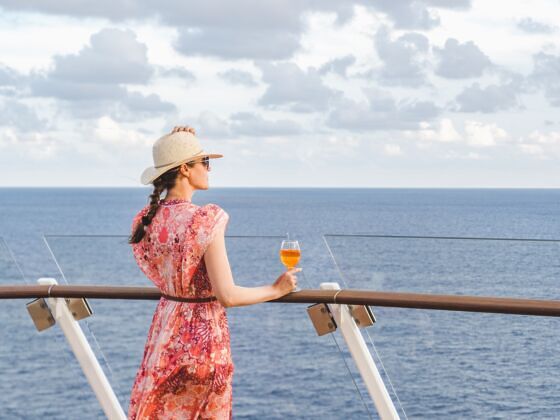
Photo: SvetikovaV/Shutterstock

Repositioning Cruises Are the Anti-Itinerary Vacation (and I'm Sold)

San Francisco Cruises
by Kristy Tolley Jun 17, 2026

In May 2026, when my cruise ship docked in San Francisco, I did something I never do during a sailing: I stayed on board.

While other passengers headed off to ride cable cars, visit Alcatraz, or grab a bowl of clam chowder on Fisherman’s Wharf, I claimed a quiet spot on deck and watched the city from the ship.

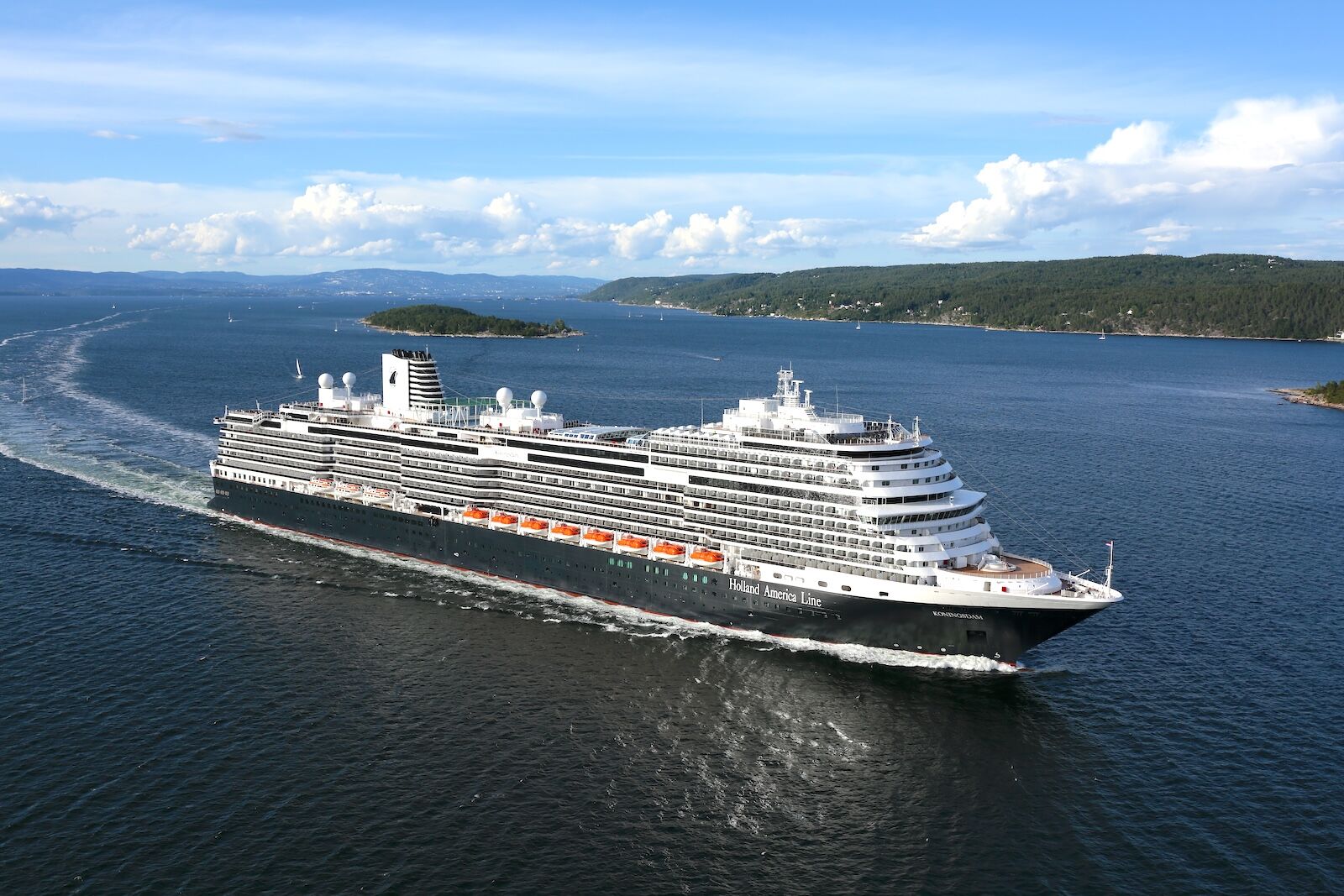
Skipping a port call would have been unthinkable to me before this, in my nearly three decades of cruising. But this wasn’t a typical cruise itinerary. I was sailing on a repositioning cruise aboard Holland America’s Koningsdam, and for the first time, I found myself more interested in the journey than the stops along the way.
What makes a repositioning cruise different

repositioning cruise - writer on board

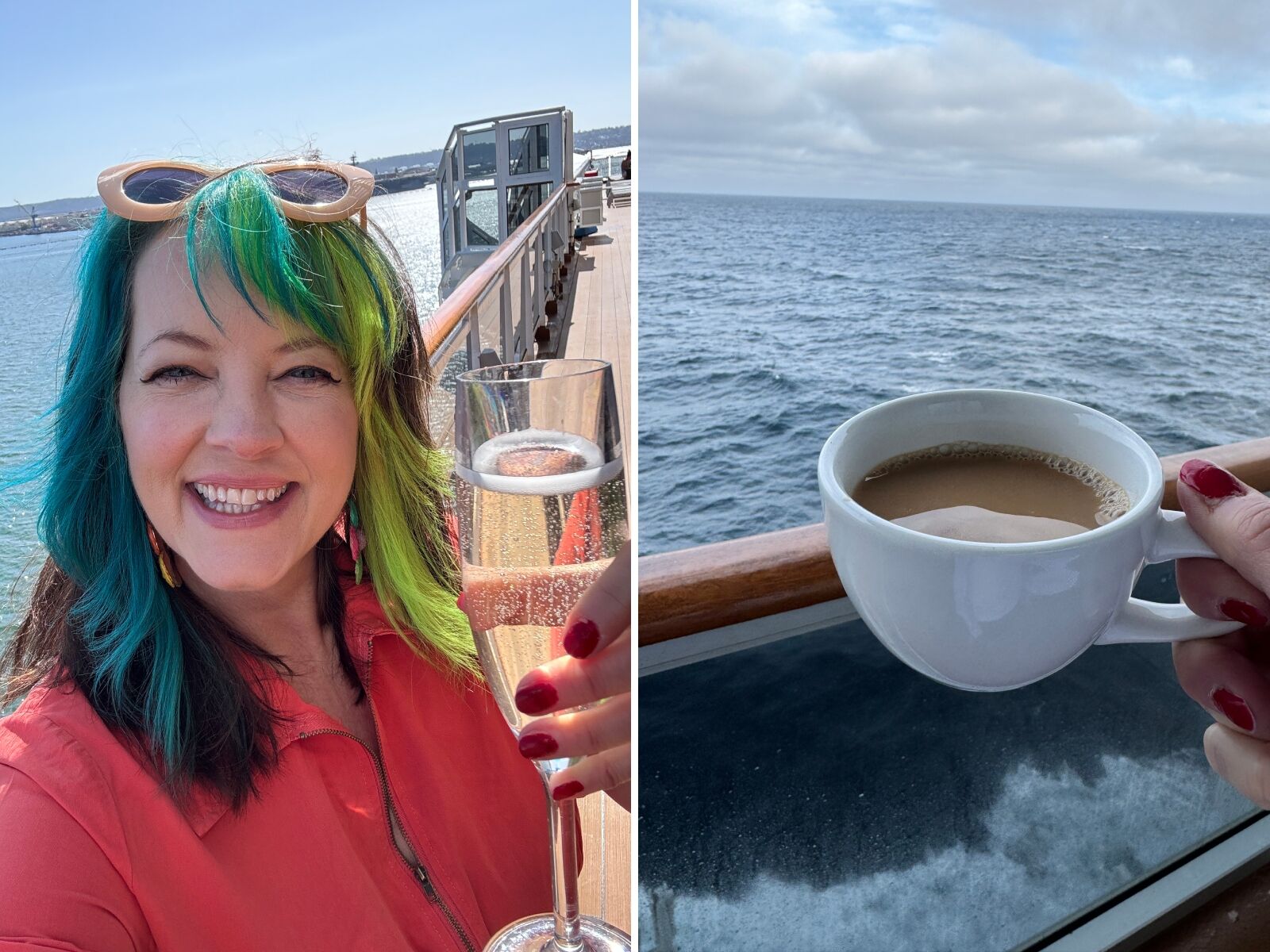
The writer on board The Holland America Koningsdam. Photo: Kristy Tolley

Repositioning sailings happen primarily in spring and fall, when cruise lines need to move ships between different routes. For example, a ship that sails out of New York in the summer may base itself in Cozumel through the winter. These itineraries are always one-way, and often (but not always) have more days at sea than most cruises. Fewer ports of call can mean lower port fees, which often translates to lower fares for passengers. To make the most of a repositioning cruise deal, a good rule of thumb is to price your return flight before booking. A cheap cruise can lose its appeal quickly if your one-way fares are too pricey.

Nearly every major cruise line offers repositioning sailings, including Royal Caribbean, Holland America Line, Celebrity Cruises, and Carnival Cruise Line. Luxury travelers can find repositioning cruises through brands such as Seabourn, Silversea, or Regent Seven Seas.

“Repositioning cruises have grown significantly in popularity in recent years, and we’ve seen that demand firsthand,” Royal Ahmadi, senior vice president of The Vacation Group, says. “What makes them especially appealing is their unique itineraries, with destinations and routes that are not typically available on standard, year-round sailings.”

To find a repositioning cruise, search your preferred cruise line’s websites directly using terms like “repositioning” or “transatlantic.” Sometimes, you’ll find these itineraries under the “Destinations” tab. Celebrity lists several repositioning options under “Ocean Crossing Cruises,” with itineraries for Antarctic Ocean, Panama Canal, and transpacific sailings.

My first repositioning cruise was the final segment of a Panama Canal crossing originating in Fort Lauderdale, Florida. Many of the passengers I met had been aboard for nearly three weeks by the time I arrived. They had the easy, unhurried energy of people who had already fully surrendered to the pace of the ship, and I found myself wanting the same thing.

Relaxation is the whole point

What surprised me most wasn’t the route itself, but how quickly the atmosphere onboard changed once the sailing settled into its sea-day rhythm. Unlike port-intensive itineraries, this crossing leaned heavily on sea days. And my fellow passengers seemed to embrace that fully, more interested in the experience of being at sea than in racing off at every stop.

On most cruises I’ve taken, there’s an undercurrent of urgency. I have a plan for every port, trying to squeeze the most out of every hour ashore. By the end, I always wonder where my time went. But repositioning sailings can offer something different — and if yours happens to be light on ports, that contrast becomes even sharper. The days stretched instead of flying by. I had time for slow morning coffees and long stretches with a novel on any number of decks.

“One of the joys of travel is spontaneity, discovering unexpected experiences,” psychologist and travel writer Irene S. Levine, PhD, explains. “Over-scheduling doesn’t allow for these moments. Following a grueling travel schedule doesn’t provide a real respite from the rigors of work.”

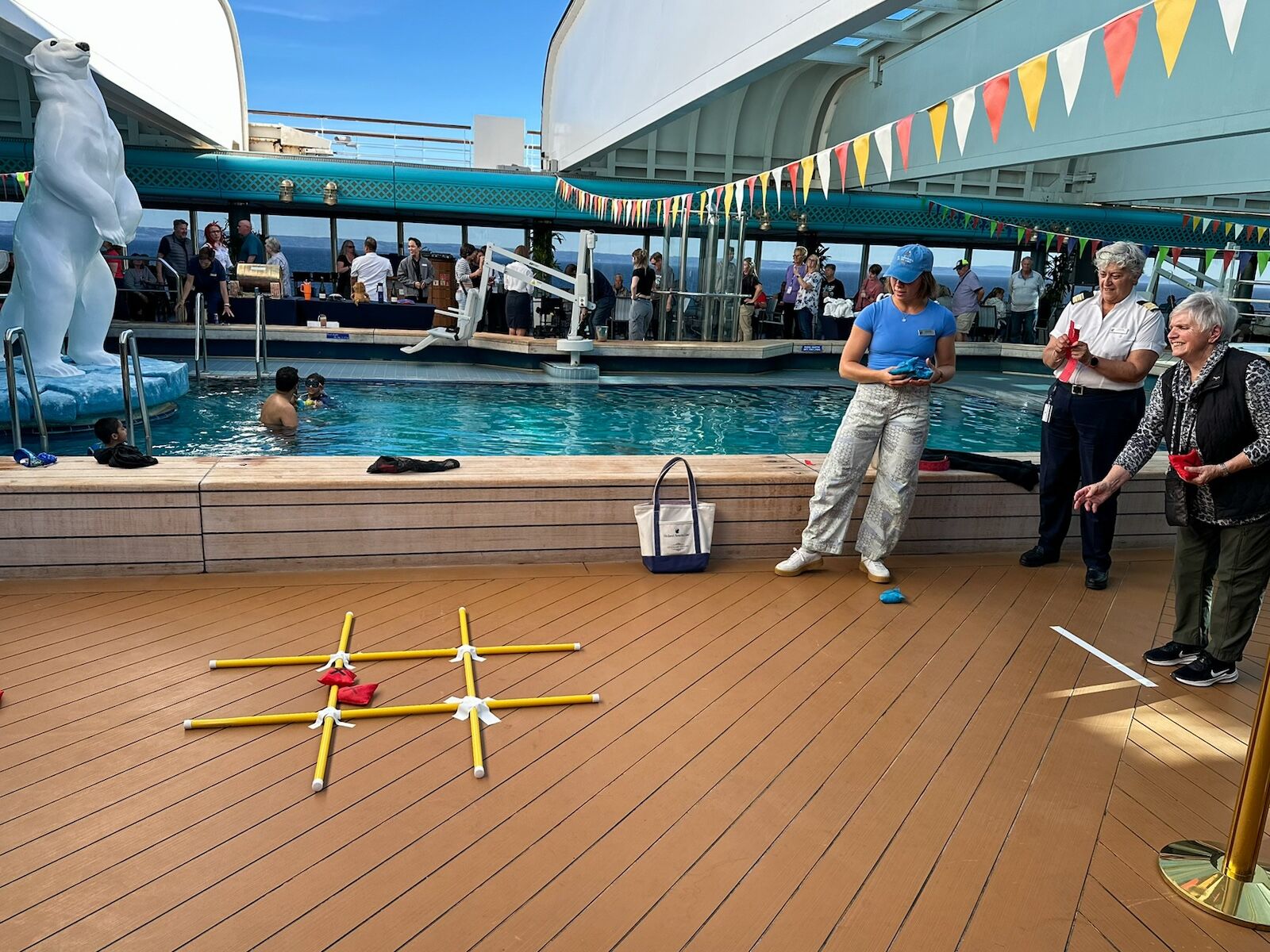
That said, plenty of repositioning cruises still pack in a solid roster of port stops — so if you want the best of both worlds, they can deliver that, too. The difference is that even on a port-heavy repositioning itinerary, the sea days tend to feel more intentional, like a built-in exhale between destinations rather than filler time to endure.

“We see a lot of range with these voyages,” says Paul Grigsby, vice president of deployment and itinerary planning for Holland America Line. He notes that repositioning cruises run from quick coastal sailings like mine to full transpacific crossings. “It really comes down to how much time guests have and how they want to travel, but there’s flexibility to meet different schedules and travel styles.”

You have time to actually enjoy the amenities

repositioning cruise blend bar

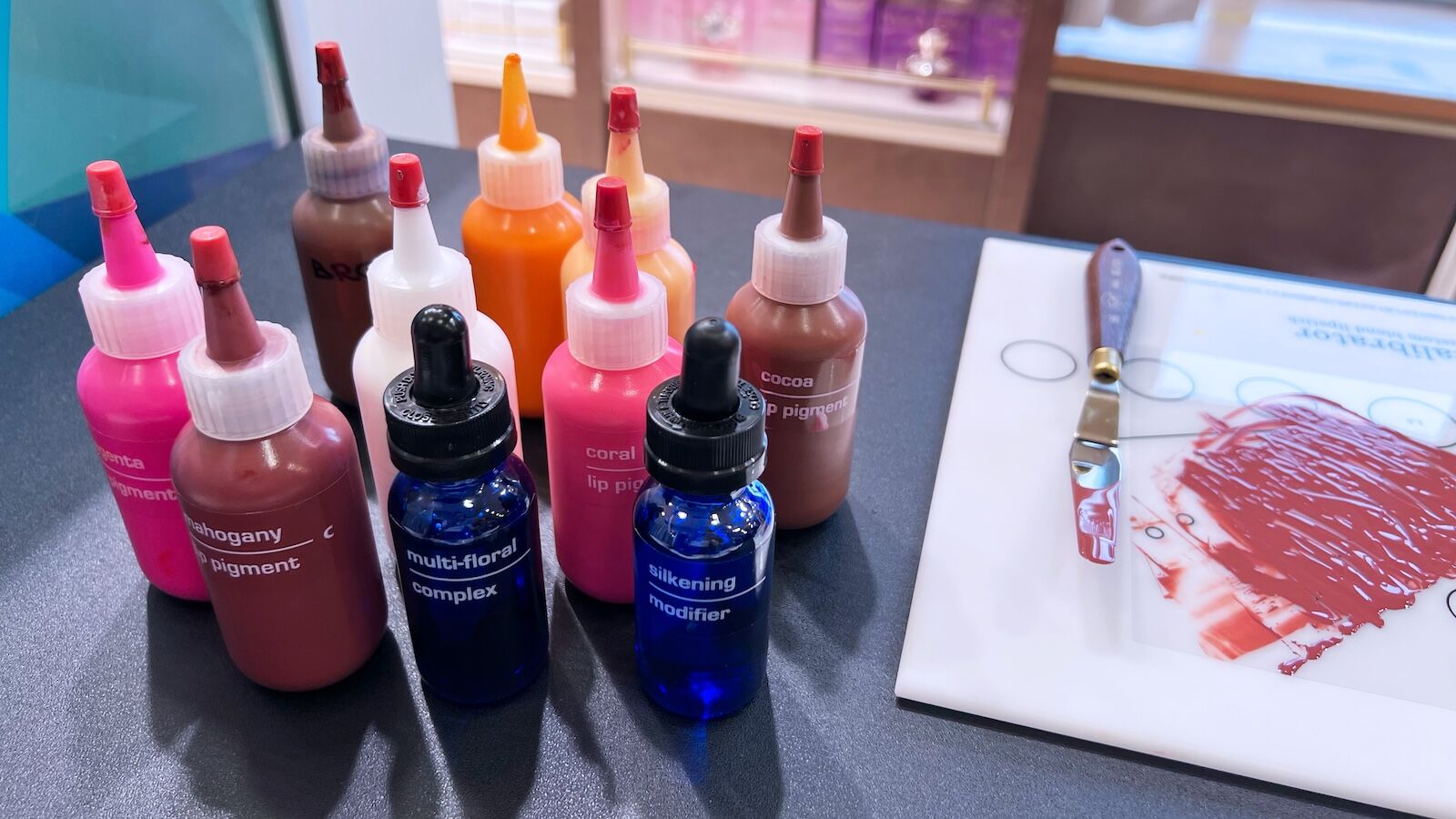
Mixing supplies at the on-board “Blend Bar.” Photo: Holland America

Once I stopped thinking of sea days as “downtime,” I started noticing how much of the ship I normally miss on traditional itineraries. I had time to book activities I’d usually skip on port-intensive itineraries, including a bourbon tasting, a mixology class, and even a calligraphy workshop that felt oddly meditative at sea.

Perhaps my favorite onboard activity was the Blend Bar experience, an interactive beauty bar where guests can create custom shades of lipstick or lip gloss. I spent over an hour chatting with the beauty consultant and blending my perfect shade of red while sipping a mimosa. I left with a unique souvenir of my sailing (and a new friend).

That’s the repositioning cruise advantage in miniature: you stop treating the ship as a way to move between destinations and start experiencing it as the main draw.

“Regardless of the length, the onboard experience is consistent,” Grigsby says. “Longer sea days give you more time to actually enjoy the ship, whether that’s live music, dining, enrichment talks or just having the space to relax. There’s enough variety onboard that people can fill their days however they want.” Instead of having to wake up early, plan excursions, and race against a clock to make it back on board, guests can play the trip by ear as they go. It’s “part of what makes these itineraries work so well,” he adds.

Embrace late nights and lazy mornings

repositioning cruise - martini and a show

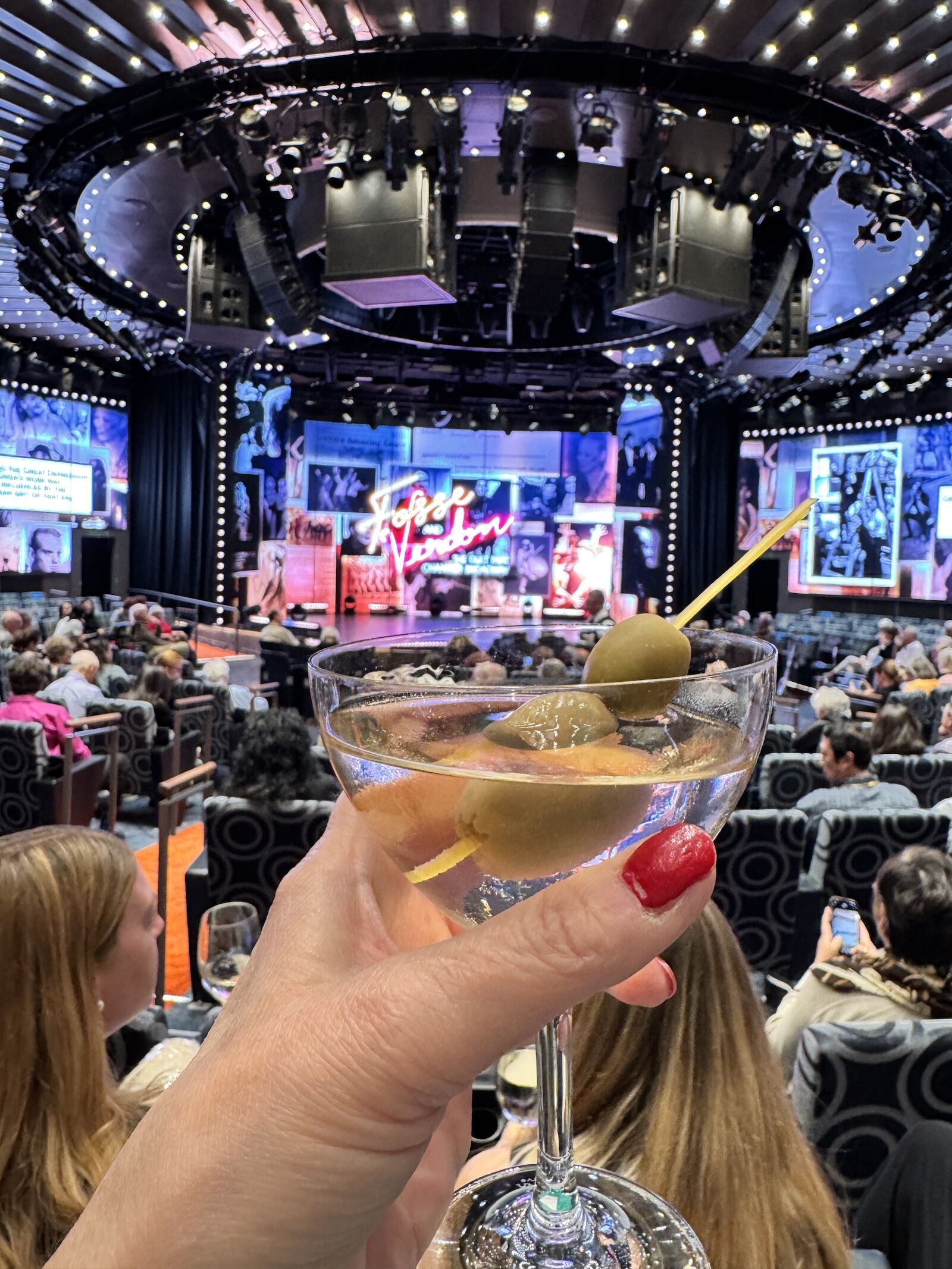
You’ll have time to enjoy late-night activities without the early wake-up calls the next morning. Photo: Kristy Tolley

Another advantage of a repositioning cruise revealed itself on my first evening. For once, I didn’t have to choose between a late night and an early morning.

On many cruises, port days start early, which can make it hard to fully enjoy the ship’s nightlife when tomorrow’s alarm is set for sunrise. On a repositioning cruise, especially one with multiple sea days, there’s no nagging feeling that sleeping in means wasting part of your vacation.

You can stay for the last song of a music set, order another drink, and sleep until you’re ready to lazily roll out of bed. The next morning, the ocean is still there, and you’re not racing to meet a tour group with a 6 AM meet up.

A surprisingly good option for working travelers

repositioning cruise - holland america ship

Remote workers will find plenty of place to work with sweeping ocean views. Photo: Holland America

I know it might sound counterintuitive, but sometimes passengers have to work during their cruise vacations, especially if you’re, say, a freelance travel writer like me. Fortunately, connectivity has become one of cruise travel’s most improved features. While you may not always be able to do lengthy video chats, onboard Wi-Fi is often fast enough to check emails, upload photos, and work remotely during your cruise.

On Koningsdam, the Wi-Fi was consistent and strong. Plus, with more days at sea (and forgoing my one port stop), my blocks of work time were uninterrupted and more productive. Each morning, I posted up in the peaceful Crow’s Nest observation lounge armed with fresh coffee and a spectacular view of the ocean. For a working traveler, a repositioning cruise might just be the most productive vacation you’ll ever take. It’s easy to find creative inspiration with the peaceful, rolling waves of the ocean right outside your window.

One sailing, two vacations

downtown vancouver - stanley park

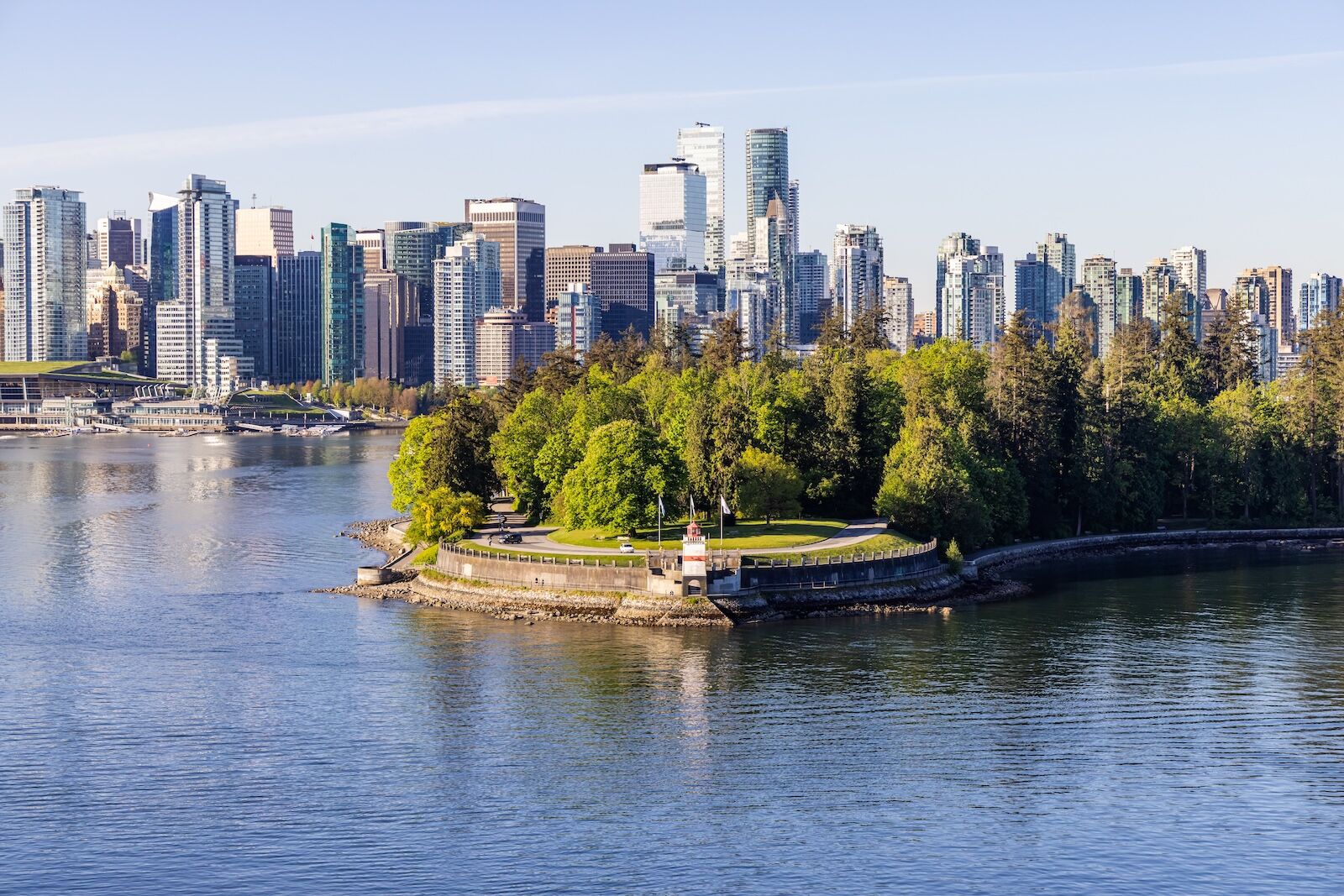
On the writer’s cruise, many passengers stayed extra days in Vancouver, BC, the ship’s final destination. Photo: EB Adventure Photography/Shutterstock

A repositioning cruise pairs naturally with a land-based extension, giving you essentially two vacations in one. Rather than spending your entire trip at sea or on land, you could consider adding a few days of independent exploration at either end of your sailing. Think of it as a replacement for flying — a much more comfortable, enjoyable, and relaxed way to get to your vacation destination. If you have two weeks to explore a new city, spending one on land and at sea can be an excellent way to have two totally different experiences in one trip.

Several fellow passengers I chatted with did exactly that, tacking on time in Vancouver after we disembarked to explore the city before heading home. Being on a cruise handles all your logistics, but adding a few days after means the chance to set your own itinerary.

Who this type of cruising is (and isn’t) for

repositioning cruise- free time at sea

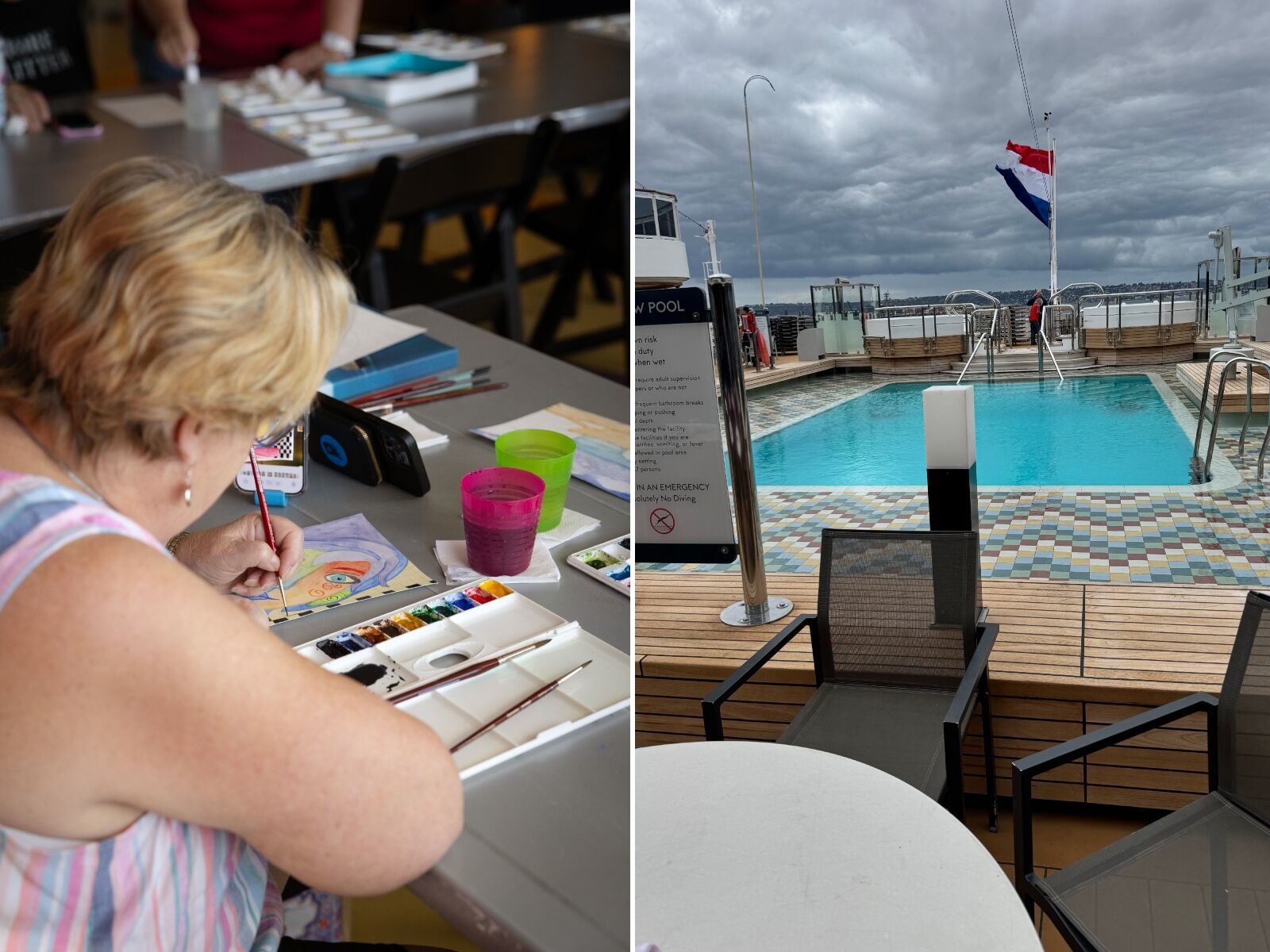
Repositioning cruises are all about slowing down and enjoying free time, not checking boxes off a sightseeing list. Photos: Holland America and Kristy Tolley

Travel sometimes has a way of becoming exhausting even when it’s supposed to be a break, thanks to flights, transfers, packed itineraries, and the constant pressure to do it all. Repositioning cruises interrupt that cycle. Whether your itinerary features long stretches at sea or frequent port calls, the allure is the reset, and the permission to simply be in motion without the usual machinery of travel bearing down on you.

That doesn’t mean repositioning cruises are for everyone. Travelers who measure a vacation by the number of landmarks checked off or who prefer nonstop entertainment might find long stretches at sea too quiet. These voyages reward a different mindset: slowing down and settling into the rhythm of shipboard life.

I boarded the Koningsdam expecting a convenient way to travel up the Pacific Coast. I disembarked understanding why some people plan their entire year around repositioning cruises. For anyone tired of vacations built around doing it all, slowing down might be the greatest luxury a repositioning cruise can offer.

Discover Matador

Save Bookmark

We use cookies for analytics tracking and advertising from our partners.

For more information read our privacy policy.