As a travel editor who regularly galavants the globe with a work laptop in my bag, I’ve come to believe that the most common “make it or break it” point for a trip is where you stay. More often than not, I’m a hotel guy – I like a spot that’s representative of where I am and has a strong ecological ethos. I want to be able to get there via public transit. And with average nightly rates for all US hotels hitting $176 according to recent data, there should be space to work and chill in addition to a room to crash in.
Photo: fotopanorama360 /Shutterstock
New Study Reveals Lifestyle Hotels Are Changing the Way We Travel
I get that these factors may come across as stodgy. But it’s not without merit and in many cases, happens naturally as hotels are generally located in neighborhoods or areas where travelers want to be. Frequent travel, particularly when one’s professional life is involved, commands three primary components from a hotel. First, the traveler must be able to maintain their routines, both personal and professional, in or nearby the hotel. Second, the hotel should model good urbanism – that is, it should be centrally located and preferably within walking distance to a majority of items on the trip itinerary, and should easily connect to relevant airports, train depots, and transit centers without the need for a rental car. Third, the hotel should serve as a “third space,” offering areas for socializing and lounging. A hotel that accomplishes these three factors ascends to the level of being not just a place to stay, but a major contributor to a trip’s success and ultimately, a part of the destination itself.
Changing traveler tastes are forcing hotels to up their game

Photo: LightField Studios /Shutterstock
A new SkyScanner study confirms that I’m not the only one who feels this way. The flight and travel booking site collected insight from travelers across the U.K. for its Travel Trends 2026 report and found that 45 percent, including 61 percent of Gen Z travelers and 50 percent of Millennials, have picked a destination solely based on the accommodations. Those surveyed told SkyScanner they often choose a hotel because they’re confident it will become a memorable part of the trip, with factors including design and architecture complementing comfort and the ability to “retreat from the outside world.”
All this is to say, the era of the bland chain hotel appears to be winding down. This is evidenced by the rise of boutique motel remodels, the growth of properties like Populus that optimize biophilic design while minimizing their carbon footprint, and the growth of companies like Yotel that reimagine once-staid lodging concepts like the airport hotel into fun getaways that are both productive and stress-reducing. Even resort destinations long dominated by timeshares and corporate mundaneity are feeling it – the explosive growth of lifestyle chains like Gravity Haus and the launch of Marriott’s Bonvoy Outdoor Collection and sustainability-conscious Element brand, as evidence.
Limelight Boulder is an ideal lifestyle hotel for a mountain getaway
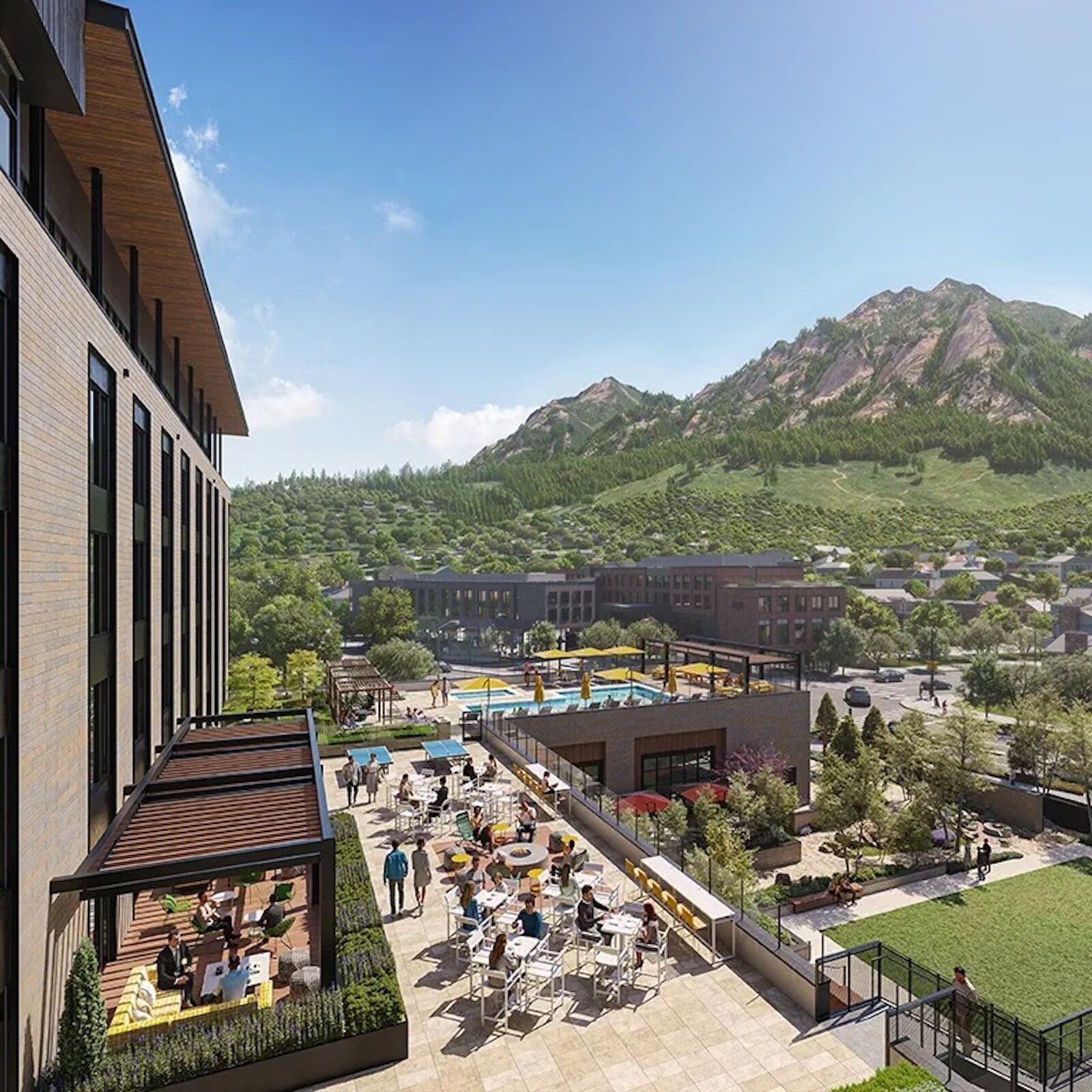
Photo: Limelight Boulder
Over the past month I’ve stayed in two properties that, with unique approaches, embodied what travelers seem to increasingly want in a stay. Limelight Boulder is the fifth installment of the Aspen One-owned property as it continues to expand outside Aspen and Snowmass. The property is beautiful – located on the University of Colorado campus a few blocks from downtown. The grand entryway opens to a vaulted lobby and bar area with plenty of space to lounge. My Campus King room was crisp and clean, complete with a work desk and the brand’s signature mid-mod retro minifridge (bright yellow), the sole touch of style onsite that isn’t contemporary. Natural light filled the space, amplifying the hotel’s use of bright decor. Its
As is standard for its parent company, Limelight Boulder follows a rigid environmental mantra. It’s all-electric (even the chefs at onsite restaurant Ajax Tavern were persuaded away from gas-fired cooking equipment). The building is built to LEED Gold standards, meaning its built to be energy-efficient and uses eco-friendly design and construction. The hotel is infill development, occupying the site of a former Starbucks on the University of Colorado campus within walking distance of the Downtown Boulder Transit Station – I arrived and departed via the Flatiron Flyer bus from and to Union Station in Denver.
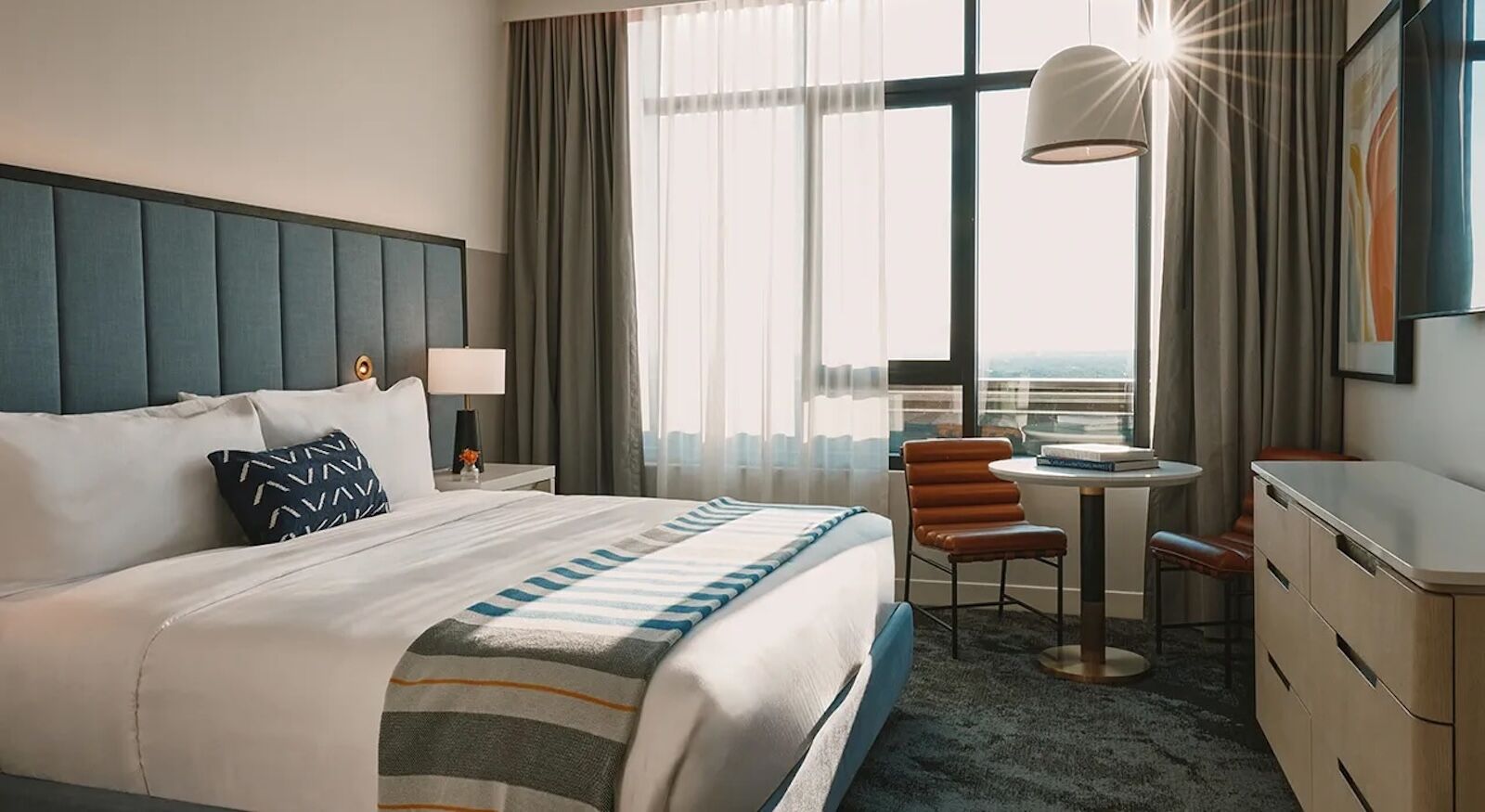
Photo: Limelight Boulder
I attended a reception in the conference area followed by an excellent dinner at Ajax Tavern. In the morning I hit the gym and then handled a couple calls in my room, and as I handed my keys back to the front desk staff at checkout I realized I hadn’t actually stepped outside the hotel since I’d first walked in, yet had worked, exercised, dined, slept, and socialized – destination hospitality, to its core. I felt quite inspired as I walked back to the transit center.
We hope you love the spaces and stays we recommend! Just so you know, Matador may collect a small commission from the links on this page if you decide to book a stay. Listed prices are accurate as of the time of publication.
Hoodoo Moab stands apart from other downtown hotels
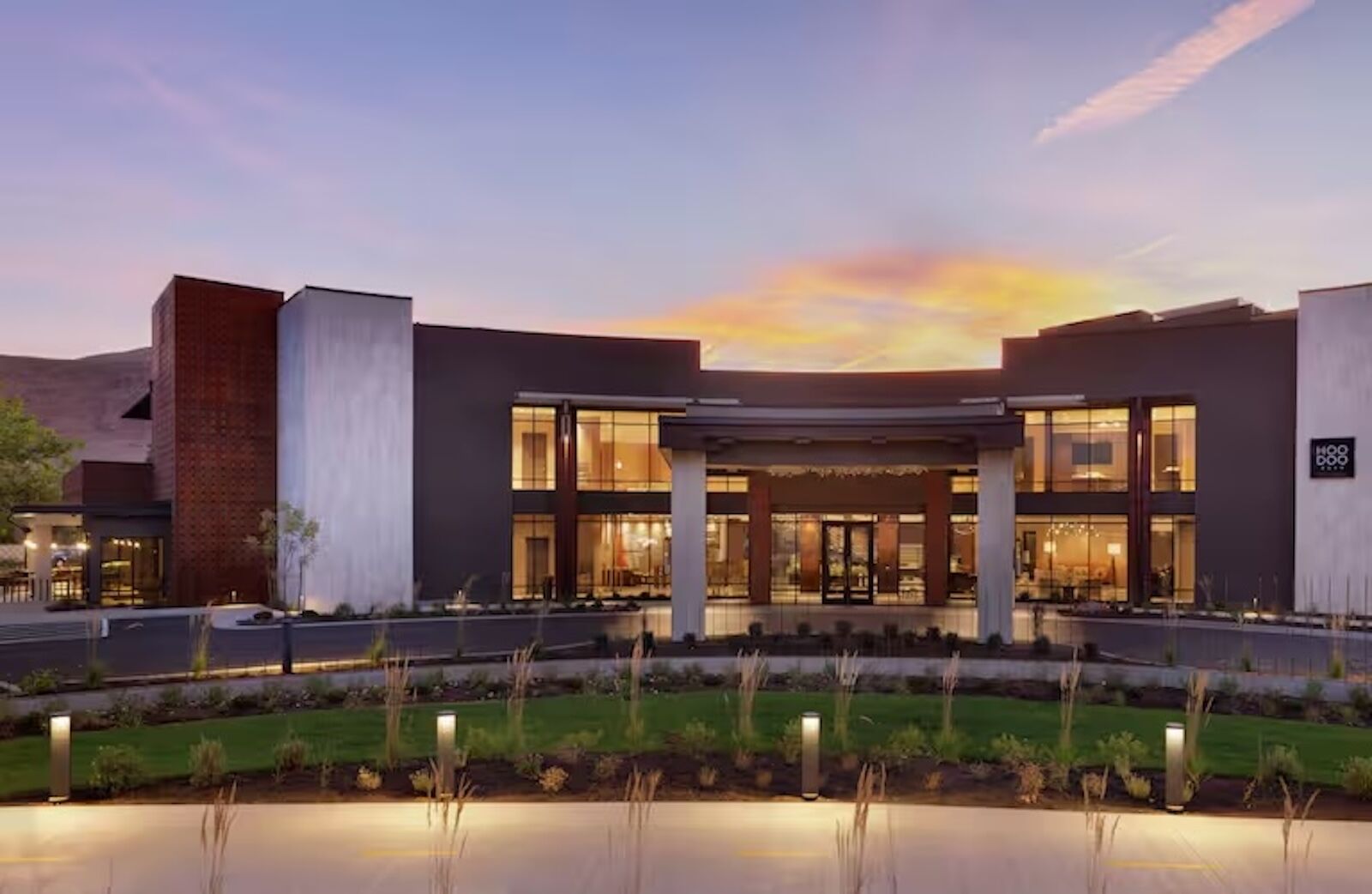
Photo: Hoodoo Moab
The second hotel is Hoodoo Moab, part of Hilton’s Curio Collection. Moab is a road trip destination and nothing is accessible by transit, which is fine because you’re here to get outdoors anyhow. As opposed to a place that’s great for a work trip, this is a hotel that’s an ideal spot to return to after a hard day outdoors. Hoodoo puts you close to the best of downtown, with multiple bike and hiking trailheads within a 10-minute drive, as is the entrance to Arches National Park. Canyonlands National Park is about a 30-minute drive.
Hotels styled after Moab’s red rock canyons are a dime a dozen here, and I’ve stayed at several of them. What separates Hoodoo Moab is that its rooms are really nice and impeccably modern. My four-year-old daughter loved the standalone bathtub and the whirlpool area in the large central pool. I loved the common spaces and lobby, the walkable downtown location, and the fact that the breakfast at the hotel’s restaurant was the best I’ve had in Moab. For a hotel in Moab that’s design reflects upscale comfort and a strong sense of place – the exterior matches the red rocks behind it – Hoodoo Moab does all of those things well. 