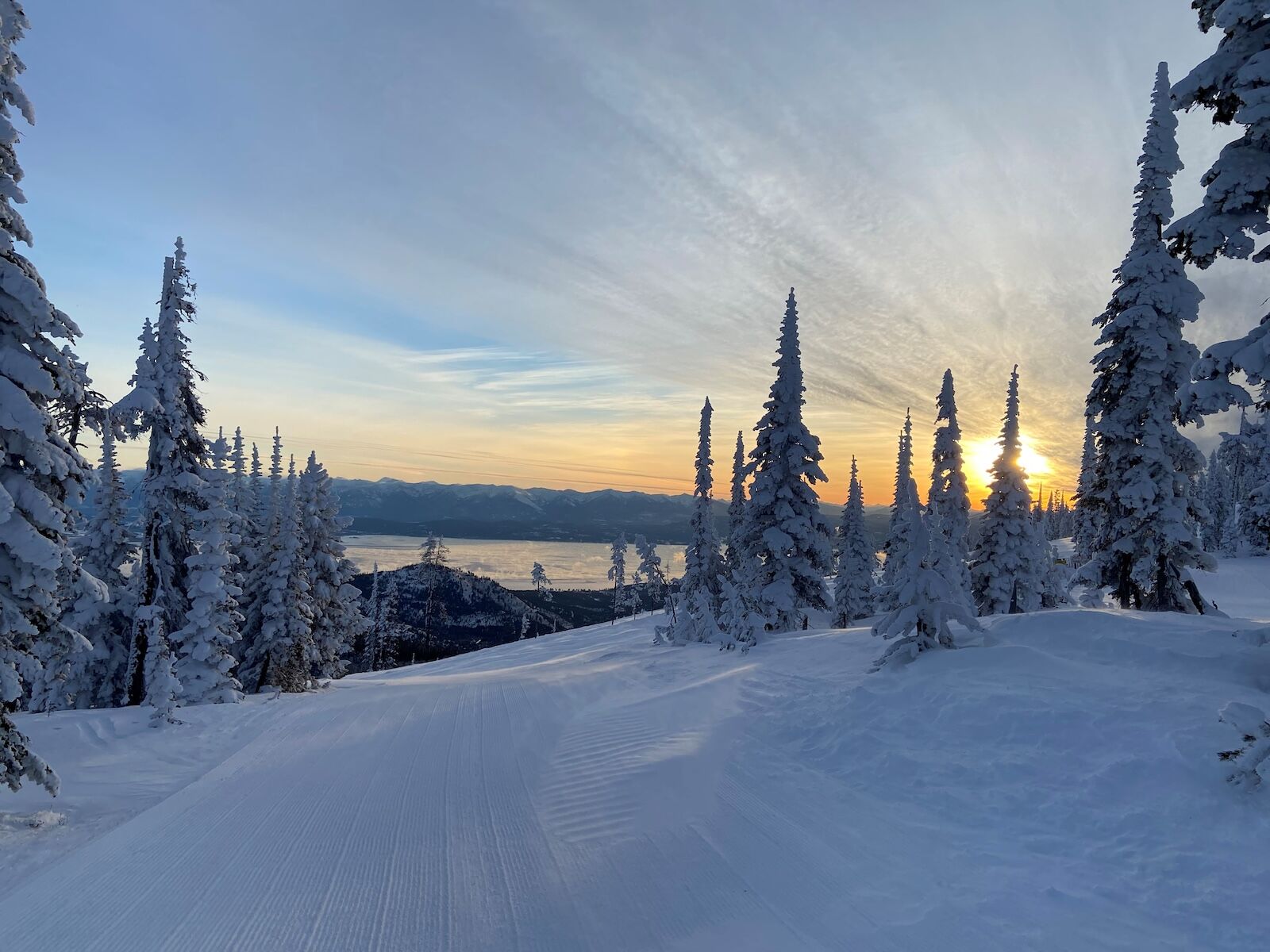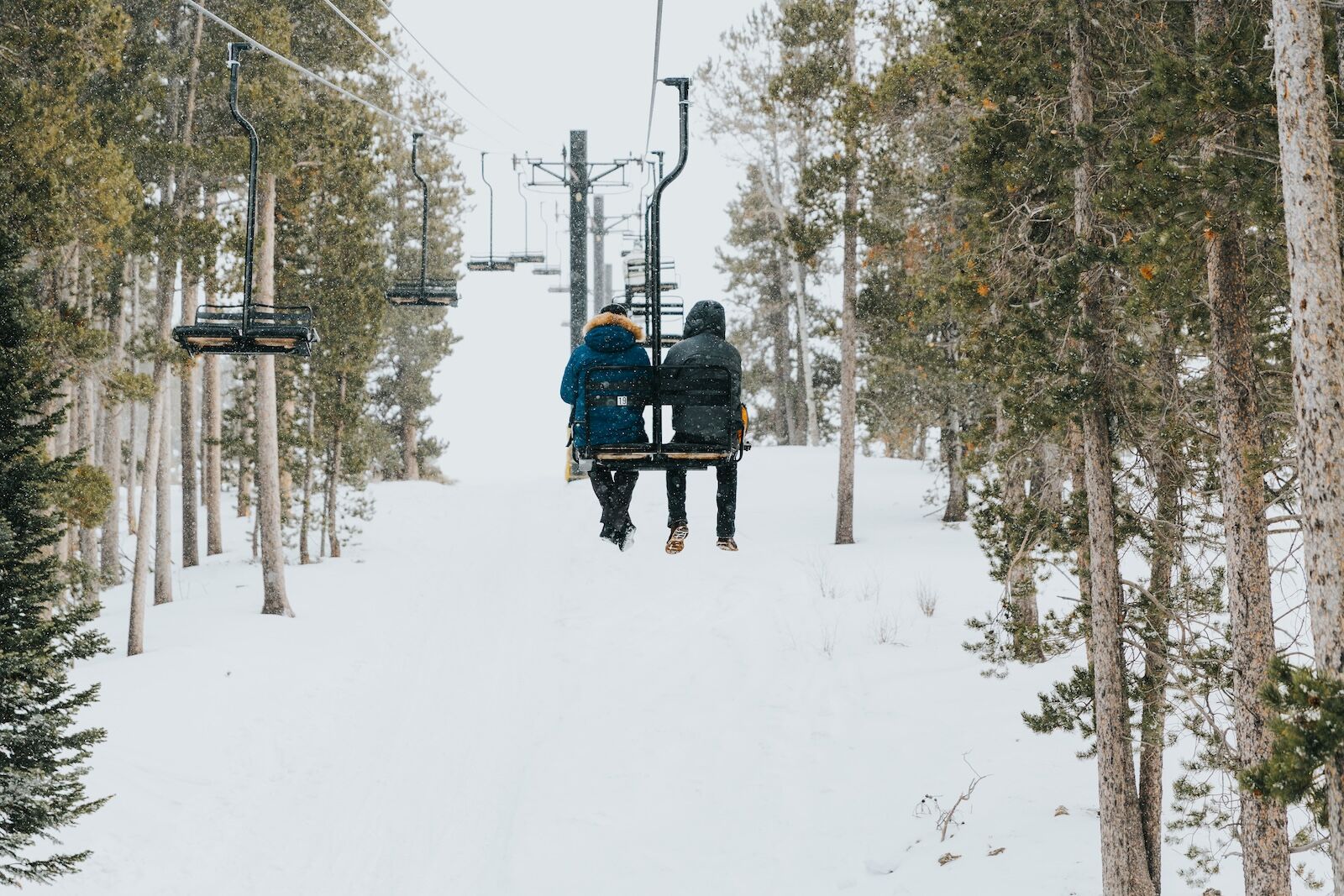
A two-pack ski lift at Hogadon Basin. Photo: Visit Casper

As Lift Tickets Hit $300, Skiers Are Choosing to Leave Big Resorts Behind

Ski and Snow
by Taryn Shorr-Mckee Feb 6, 2026

In 2025, multiple ski resorts made headlines for staggeringly high lift ticket prices, with some ski resorts charging more than $300 a day for a lift ticket alone. But as those prices continue to climb and shared season passes between resorts are making major resorts grow increasingly crowded, a quiet shift is underway in American ski culture.

Across the country, skiers and riders are choosing smaller, community-driven ski hills – places with shorter (if any) lift lines, fewer amenities, and noticeably lower financial barriers to entry. For many, the draw is that affordability. For others, it’s proximity to their homes, the low-pressure environment they provide for beginners, or the desire to support a mountain not owned by corporate giants. And sometimes it’s about access to niche experiences, such as uphill skiing or adaptive programs, that many smaller operations may offer.
Many of skiing’s pressure points stem from a broader industry shift toward fixed-price, unlimited-access season passes. While these passes make frequent skiing more affordable for some, they’ve also substantially driven up the cost of single-day access and reshaped skier behavior, concentrating visits at a smaller number of large resorts. It’s resulted in hours-long lift lines and parking headaches, among other pain points. As a result, smaller, independent ski areas are not only surviving but, in many cases, seeing renewed interest from skiers.

As skiing continues to get more expensive at major resorts, these community-based ski areas demonstrate that access, affordability, and longevity don’t require scale — and that for many skiers, smaller mountains still offer plenty of space to fall (back) in love with the sport.

The economics transforming modern skiing


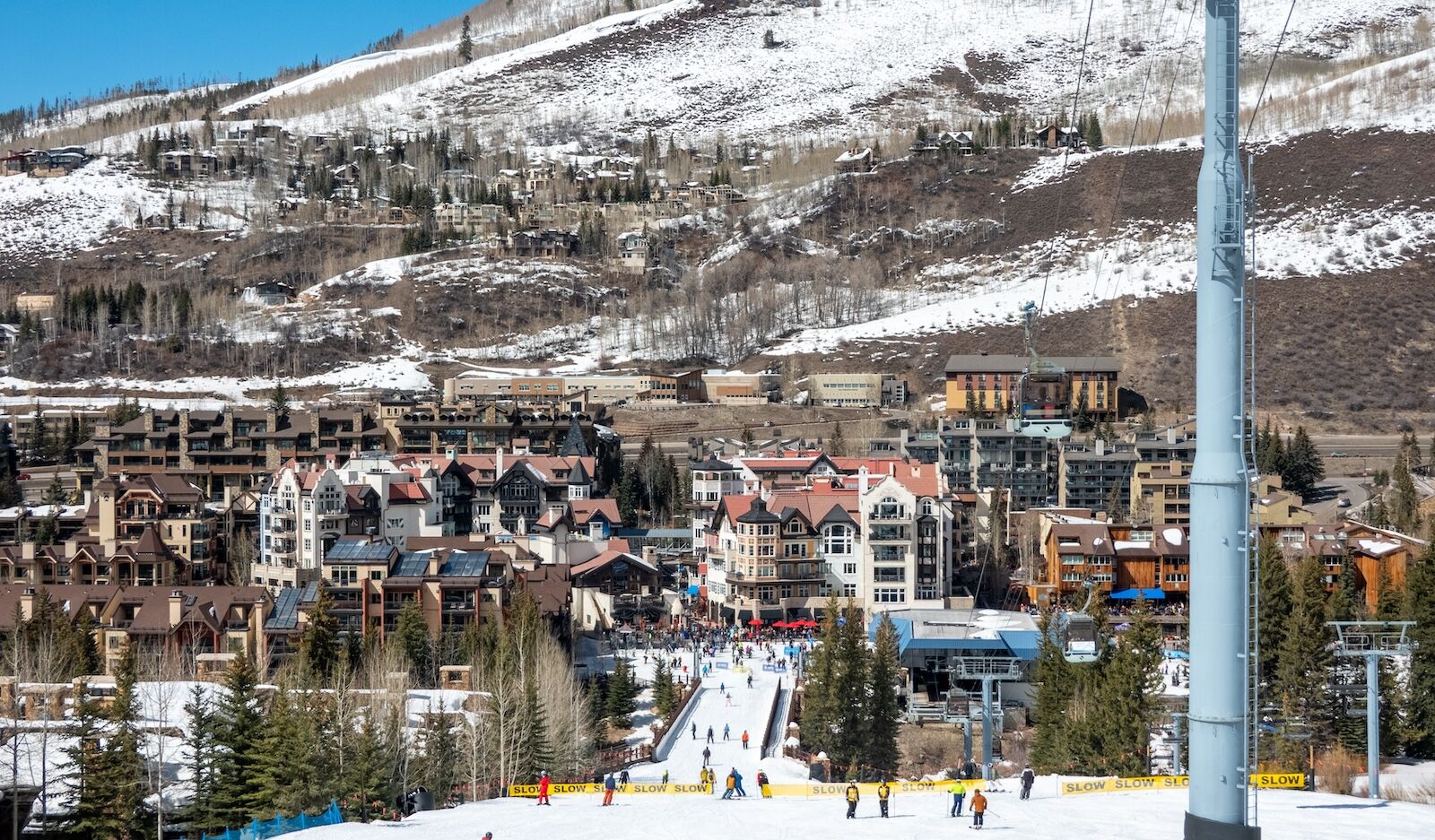
Skiers in vail, colorado

Skiers at 5,000-plus-acre Vail Mountain Resort in Colorado. Photo: digidreamgrafix/Shutterstock

Over the past decade, the US ski industry has rapidly consolidated. Vail Resorts and Alterra Mountain Company (the companies behind the Epic and Ikon passes) now control or are affiliated with resorts representing 52 percent of national lift capacity. In major ski states like Colorado and Utah, that figure jumps to 86 and 74 percent, effectively creating a duopoly in destination skiing.

Mega passes have reshaped skier behavior. Unlimited or nearly unlimited access bundled into a single upfront purchase keeps skiers at the included resorts, rather than buying day tickets elsewhere. It’s reportedly led to changes like deteriorating snow conditions and poorer customer experiences.

Prices have climbed alongside consolidation. For the 2025–26 season, the full Epic Pass launched at $1,051 and the Ikon Pass at $1,329, following similar increases the year prior. These passes are cheaper than single-mountain passes; for example, Vermont’s Killington Resort charges $1,839 for a season pass, while marquee resort Jackson Hole asks $3,995. Single-day tickets have also surged: average day-pass prices are up roughly 60 percent since the 1990s, with peak rates topping $350 at major resorts. Combined with lessons that can cost $500 or more and hotels that are even more expensive, and the cost of skiing can be a high barrier for newcomers and families.

The impact is felt in participation data. According to the National Ski Areas Association, fewer people are skiing overall, but a smaller group of committed passholders is logging more days on the slopes. Vail Resorts reported three percent declines in both pass sales and skier visits for the past two seasons. Notably, the 2024-2025 season downturn was the first since the Epic Pass launched in 2008.

Regional passes appeal to skiers who want flexibility


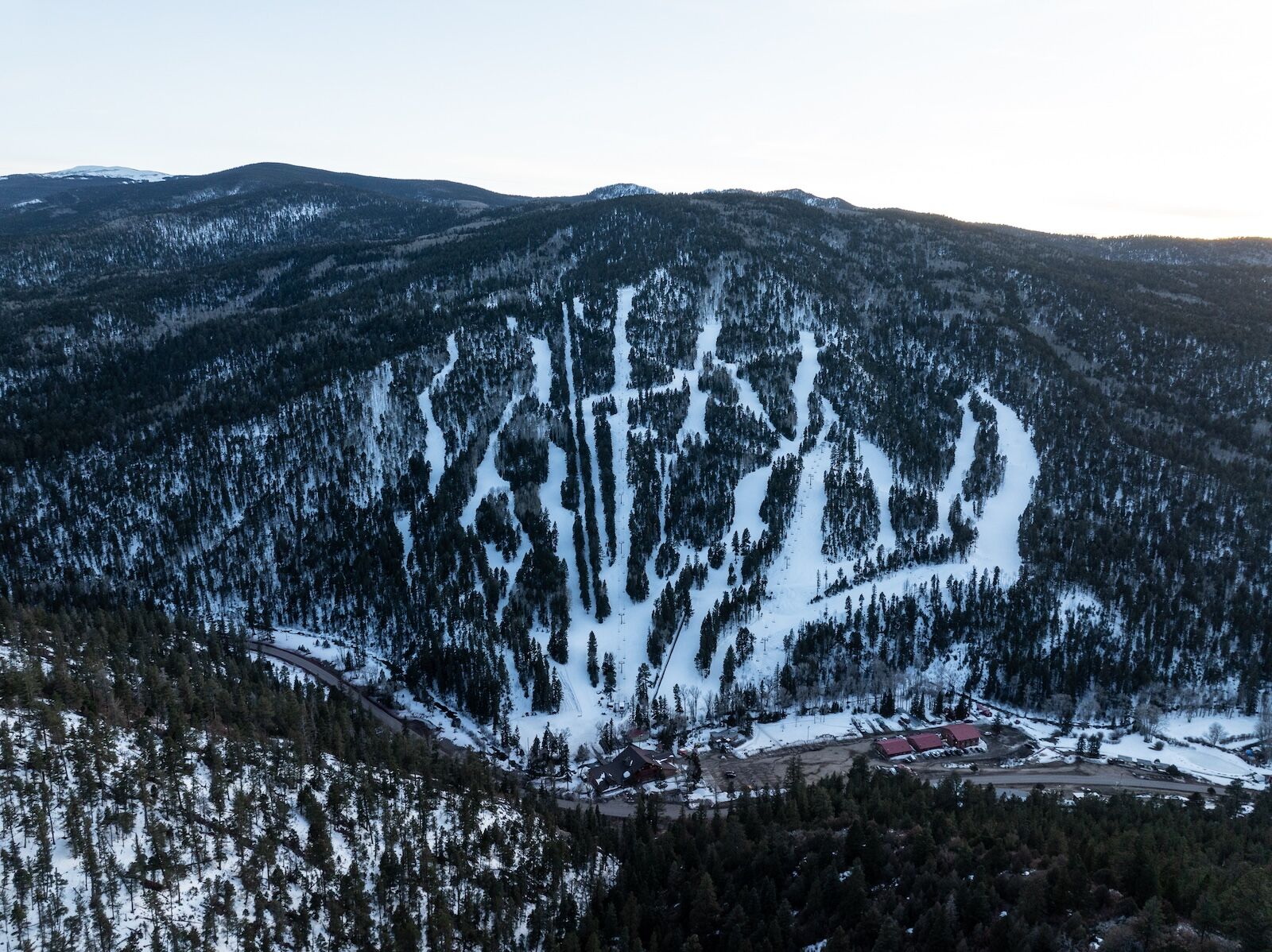
small ski resorts -- sipapu new mexico

Sipapu Ski & Summer Resort, one of several mountains on the Power Pass. Photo: Sipapu Ski & Summer Resort/Eric Berry

As mega-pass growth flattens, some operators are introducing smaller passes that reward flexibility.

“Up until several years ago, it was largely just the Epic, Ikon, and Mountain Collective passes when it came to multi-resort passes,” says Spencer Spellman, senior editor, North America at OnTheSnow. “In the last few years there have been a ton of reciprocal passes and smaller, regional passes with expanded access for those who may not live close to Epic or Ikon resorts, or who don’t want to spend much money on a pass.”

The most prominent example is the Indy Pass, which offers two days of skiing each at roughly 270 access independent ski areas. It’s particularly attractive in states dense with smaller hills, like New York and New Hampshire.

“The fact that it sells out so quickly says a lot about the interest many people have in skiing and riding at smaller, independent ski areas,” notes Spellman.

Blacktail mountain montana at sunrise

Montana’s Blacktail Mountain is on the Indy Pass. Photo: Indy Pass

Introduced in the 2025–26 season, the Snow Triple Play (three days for $180) targets casual skiers in New England and Eastern Canada, while the Power Pass (starting at $499) includes 11 mountains across the Southwest, Oregon, and Chile. Spellman points to the Indy Pass’ Learn-to-Turn Pass, something he describes as “arguably the best deal in skiing right now,” with three days of lessons, rentals, and tickets at most Indy Pass ski areas. “You’ll pay more than that just for a weekend lift ticket at many larger resorts,” he says.

Together, these products may suggest a change in what skiers value: lower prices, broader access, and the character of non-corporate, smaller ski destinations. Skiers have described smaller resorts as having a sense of nostalgia that brings them back to their childhood, while others have pointed to the impersonal and stressful atmosphere of big resorts in Europe and the western US.

Learning at local resorts can be easier and more convenient


small ski resorts - family in north carolina

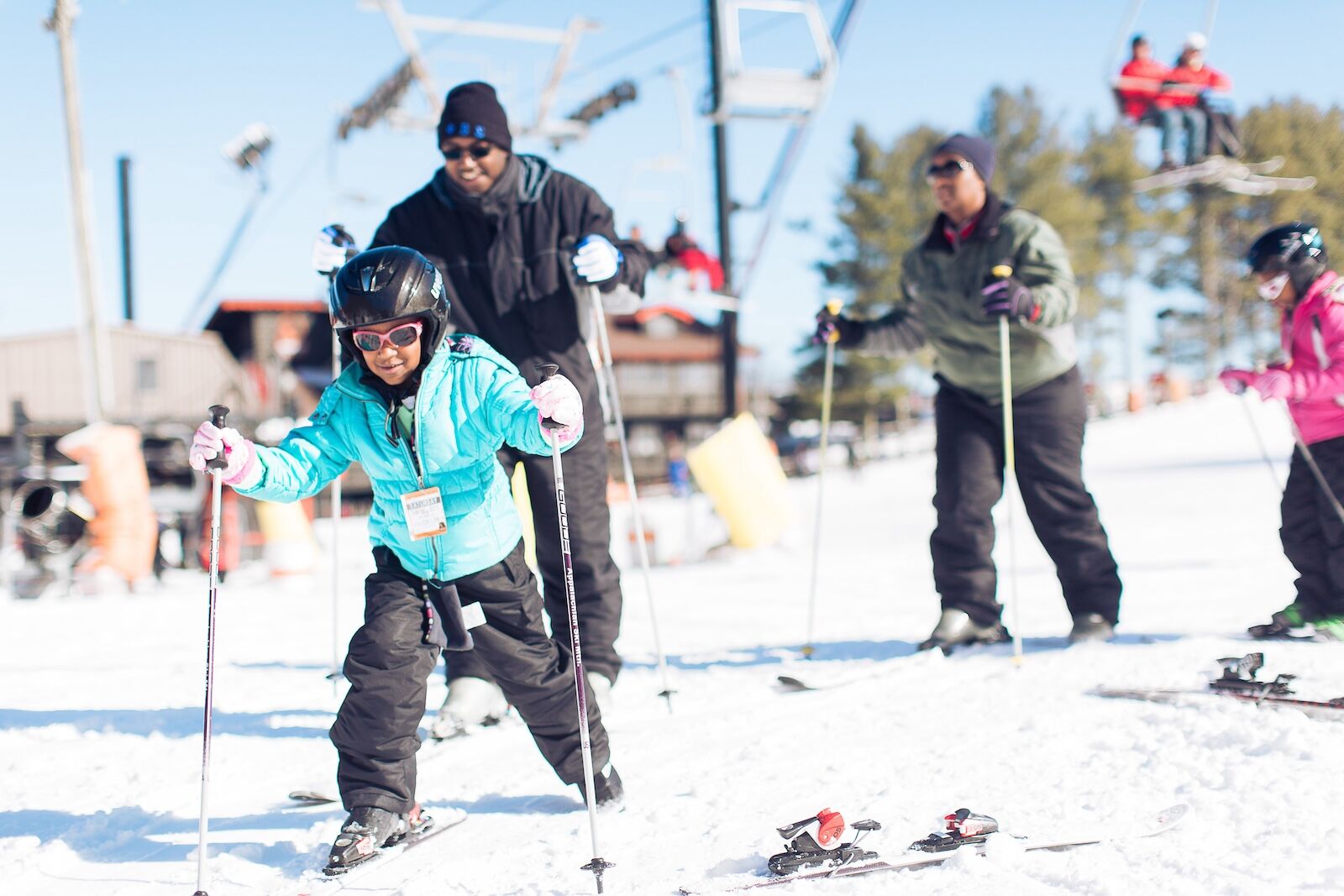
A family at Appalachian Ski Mountain. Photo: Explore Boone

Small ski areas provide something larger resorts often struggle to deliver: time on the slopes without logistical friction. In Boone, North Carolina, three independently operated ski areas sit within roughly 20 miles of one another. Each offers night skiing, favoring locals and families unavailable during the day.

For Brian Williams, owner of Blue Ridge Tourist Court and 18-year Boone resident, that accessibility has been key. “We taught our kids—the first at four years old and the second at two—to ski at App [Appalachian Ski Mountain],” he shares. “Time on the snow really helps you excel at skiing, and having a mountain that’s easily accessible after school or on weekends means you’ll be there more often than trying to make the journey to a larger resort.” His younger child, now seven, skis on the Appalachian Junior Race Team.

It’s playing out in other places, too. Julie Darrow, a former Floridian and owner of The Cabins at Blacktail in Montana, spent years skiing Park City before settling near the smaller mountain. “The overall feel when you walk in, you’re smiling, having conversations, talking to other locals since you recognize so many faces,” Darrow says. “A lot of families love taking their children there because you can just let them go, ski on their own.”

Smaller hills can better accommodate niche disciplines


small ski resorts - adaptive skiing

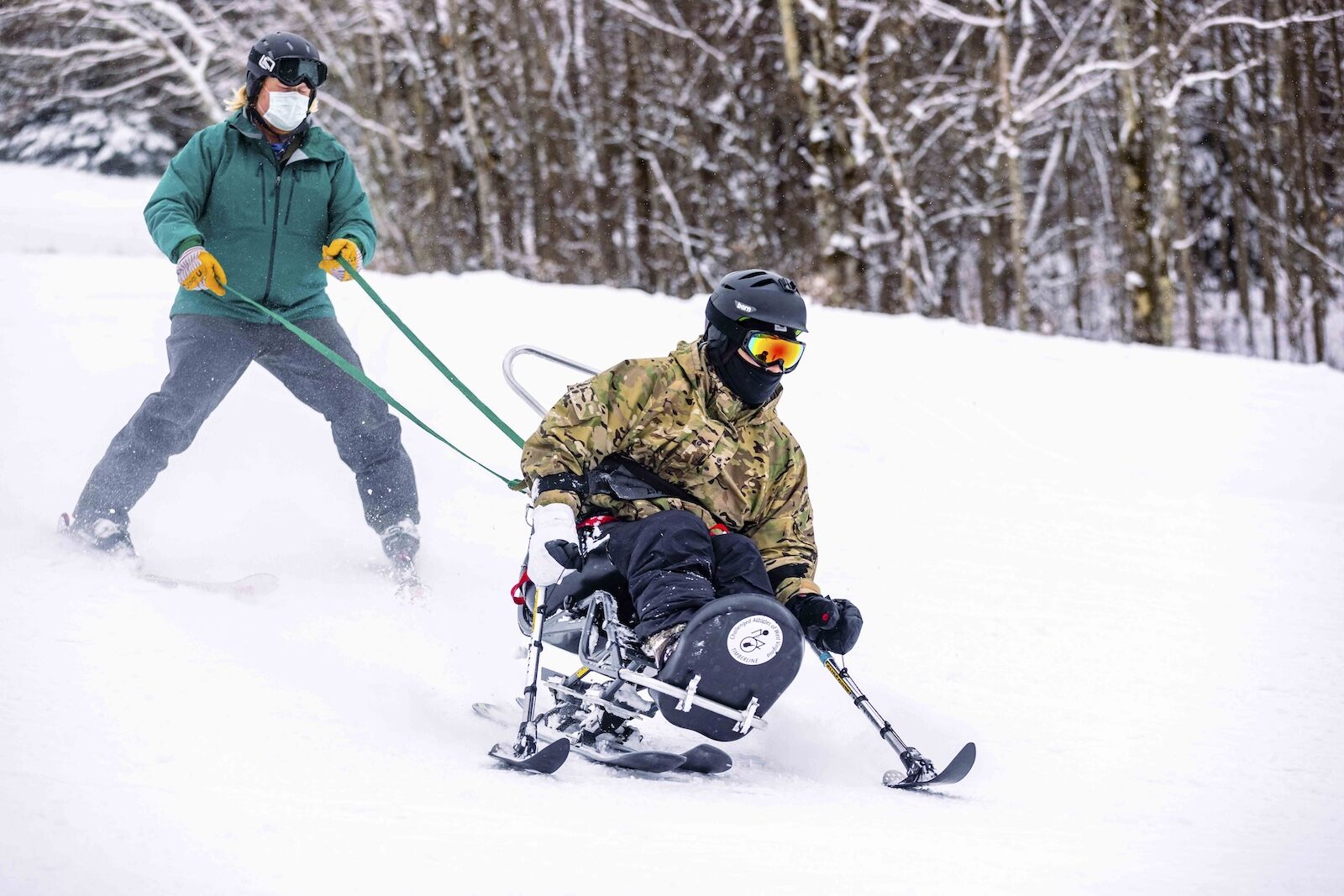
Adaptive skiers at Canaan Valley, West Virginia. Photo: West Virginia Tourism

Community ski areas also play an ever more important role in expanding access to winter sports, often being more approachable places for adaptive athletes. Though several large destination resorts run expansive, well-funded adaptive programs, smaller hills can have smaller crowds and lower pressure environments that can feel less stressful for skiers with physical or cognitive disabilities.

Carol Woody, executive director of Challenged Athletes of West Virginia, says the organization’s adaptive ski program has averaged 15 percent annual growth in participants for the past seven years. Her organization operates at both Snowshoe Mountain Resort and Canaan Valley Resort.

A renewed interest in smaller hills may also stem from the way they often better support niche and specialty skiing disciplines. Ski mountaineering has grown rapidly, fueled in part by its debut as an Olympic sport at the 2026 Winter Games in Milano Cortina.

small ski resorts - ski mountaineering

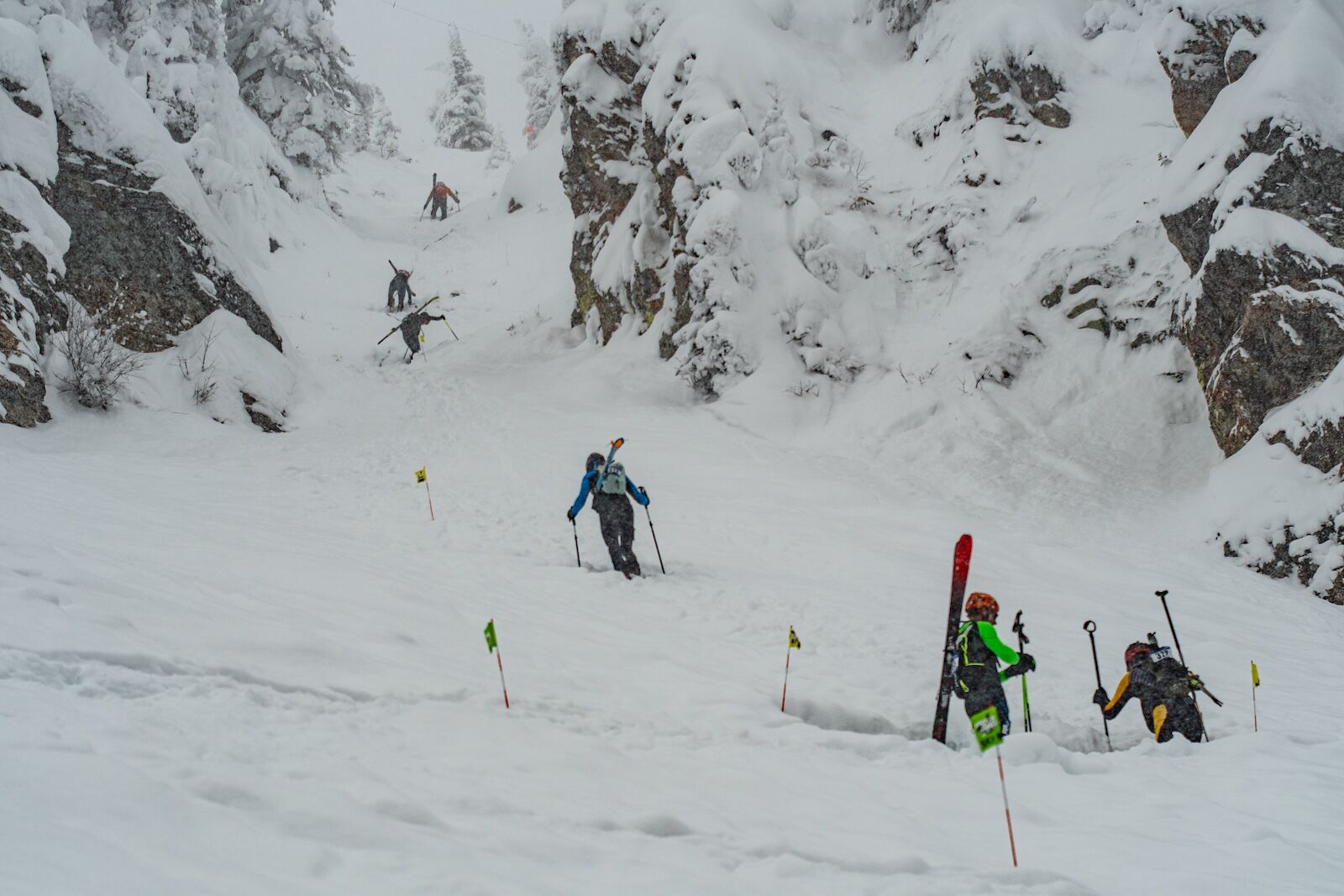
Ski mountaineering at Whitefish Mountain Resort. Photo: Whitefish Mountain Resort

Passes like the Uphill New England Pass, introduced in 2023, further underscore the momentum. Pats Peak in New Hampshire started selling uphill-only passes just a few years ago and now sells about 400 per year, according to marketing director Lori Rowell. The mountain even has designated parking for uphillers.

Montana’s Whitefish Mountain Resort hosts several uphill events, including a Wednesday Night Skimo League and the Whitefish Whiteout, which “draws over 100 competitors who skin or boot-pack up several courses of various lengths,” explains Chad Sokol, the resort public relations manager. Whitefish Mountain sells uphill-only season passes and day tickets, and like Pats Peak, season pass holders can access the routes for free.

Most big ski resorts restrict uphill skiing, if they offer it at all. Uphill travel creates safety risks at resorts with ongoing avalanche control, grooming equipment and vehicles, and extremely heavy downhill traffic. Mixing uphill and downhill users also increases liability and operational complexity – something already-complex mega-resorts usually don’t want to deal with.

Legacy and longevity


small ski resorts - hogadon two pack

A two-pack ski lift at Hogadon Basin. Photo: Visit Casper

For some ski areas, independence is less a business strategy than a generational commitment with many resorts intentionally trying to preserve the friendliness and approachability of the early years of skiing. The locally famous “Skiing Cochrans” family has operated the nonprofit Cochran’s Ski Area near Burlington, Vermont, for decades. Nearly a dozen family members have competed at the Olympic or World Cup level, including Ryan Cochran-Siegle (RCS), an Olympic silver medalist. Cochran’s started with Cochran-Siegle’s grandparents offering free lessons to local kids, rather than treating the sport as a business.

In Casper, Wyoming, Hogadon Basin operates similarly. Glenn Bochman, 92, helped develop Hogadon and has skied there every year since it opened in 1958. Owned by the city and catering almost entirely to locals, Hogadon has remained largely unchanged for its nearly 70-year lifetime, with affordable rates: a night skiing season pass is $135.

Mark Bower, a Hogadon ski patroller since 2008, calls the resort “generational.” “It’s important to protect these small ski areas,” he says. The mountain has three ski patrollers with over 55 years of service each, something almost unheard of in an industry built around seasonal employees. Hogadon sold 64 family season passes in the 2018-2019 season and 103 in 2024-2025 — a 61 percent increase, suggesting more and more skiers are choosing these small, familiar hills.

Discover Matador

Save Bookmark

We use cookies for analytics tracking and advertising from our partners.

For more information read our privacy policy.