Photo: Nickolaus Hines

Solis Hero Portable Hotspot Review: Reliable Wi-Fi for Remote Workers on the Go

Technology + Gear
by Nickolaus Hines Jan 2, 2026

I get the same feeling every time I touch down in a new place that’s best described as the Sunday scaries, but scaries that come with travel rather than the start of a new week. I’m a remote worker, and travel is part of the job. A reliable internet connection isn’t always guaranteed, even when I’m promised it is.

It wasn’t until a two-week trip to Phoenix, followed by Mexico City, that I tried my own mobile hotspot: the SIMO Solis Hero. My Airbnb in Mexico City’s Condesa neighborhood checked my two most important boxes of close proximity to bars and restaurants, and technically having Wi-Fi. Technically being the key word, since it was an unprotected network. That, paired with a few power and internet blackouts, made my Solis Hero the only way I avoided dipping into unpaid time off during the final days of 2025.

solis hero mobile hotspot review

Photo: Nickolaus Hines

I was also traveling with my wife, 3-year-old daughter, and 7-month-old son. We use an Owlet monitor for our youngest, which requires a secure 2.4GHz network. So sleep check-ins joined the list of uses for the Solis Hero along with keeping my regular work schedule.

My travels have changed with kids and I’m less flexible in where I can go in when, which has kept me off the mobile hotspot trend despite nearly 10 years of frequently working from the road. There’s no turning back now.

How the SIMO Solis Hero works

solis hero mobile hotspot review

Photo: Nickolaus Hines

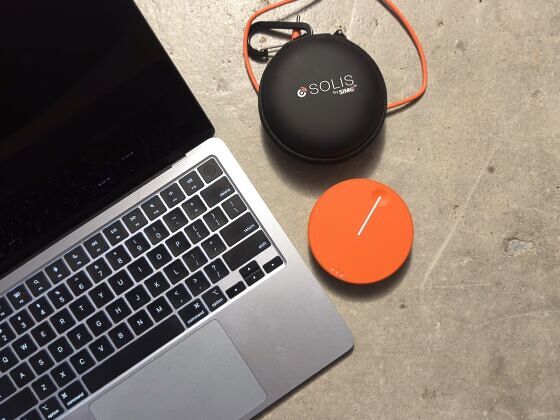
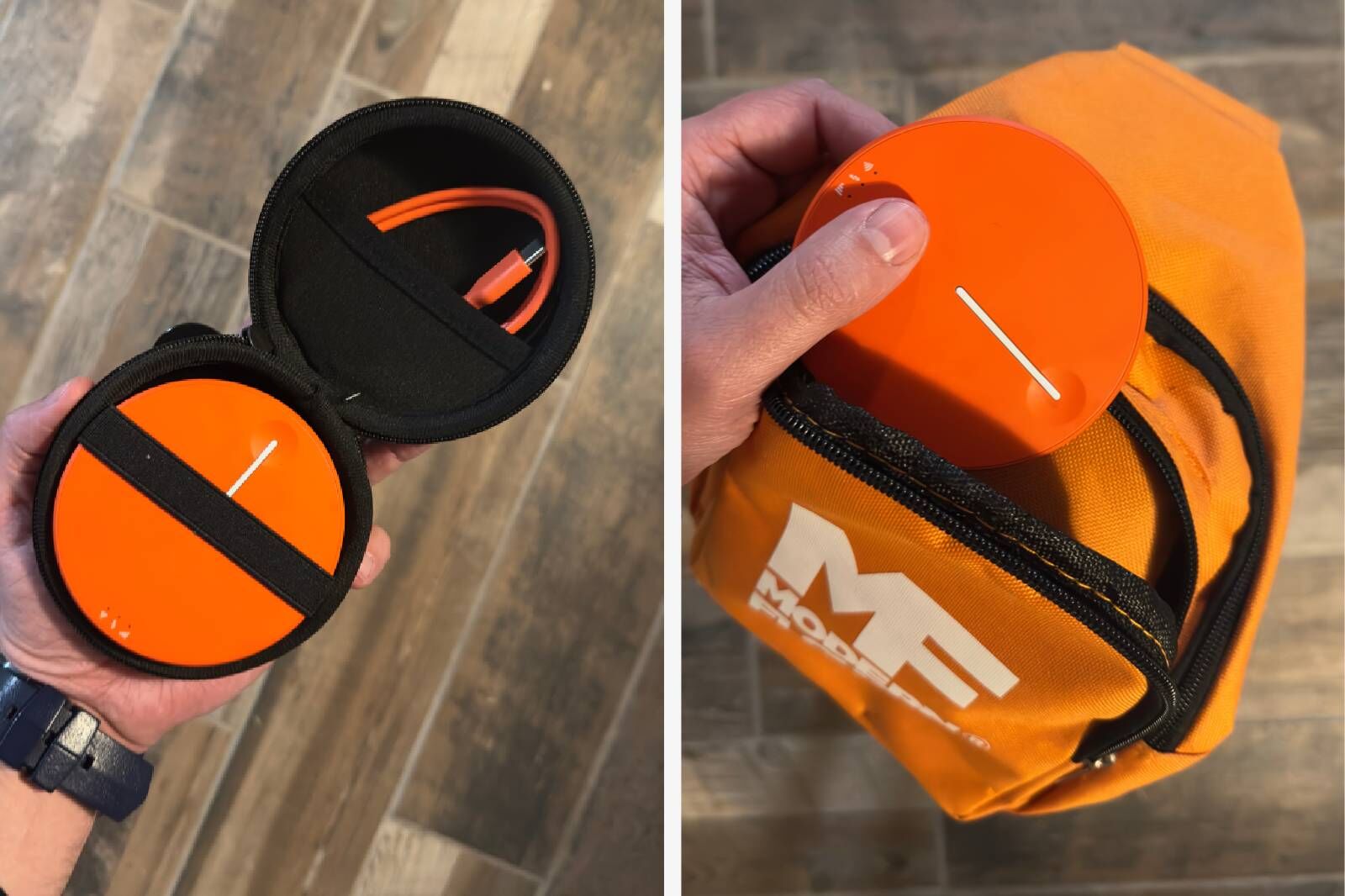
The Solis Hero nixes the need to buy local SIM cards, pay roaming fees, or tether your computer to your phone. After the $169 initial purchase, it connects to local cell networks in 140-plus countries automatically after it’s quickly and easily set up. The virtual SIM system lets it connect to multiple carrier networks, meaning it scans for the strongest signal and switches as needed. Hockey-puck-sized, up to 10 devices can connect at once, and it does double duty as a power bank if you don’t mind cutting into the up-to-18-hour battery life.

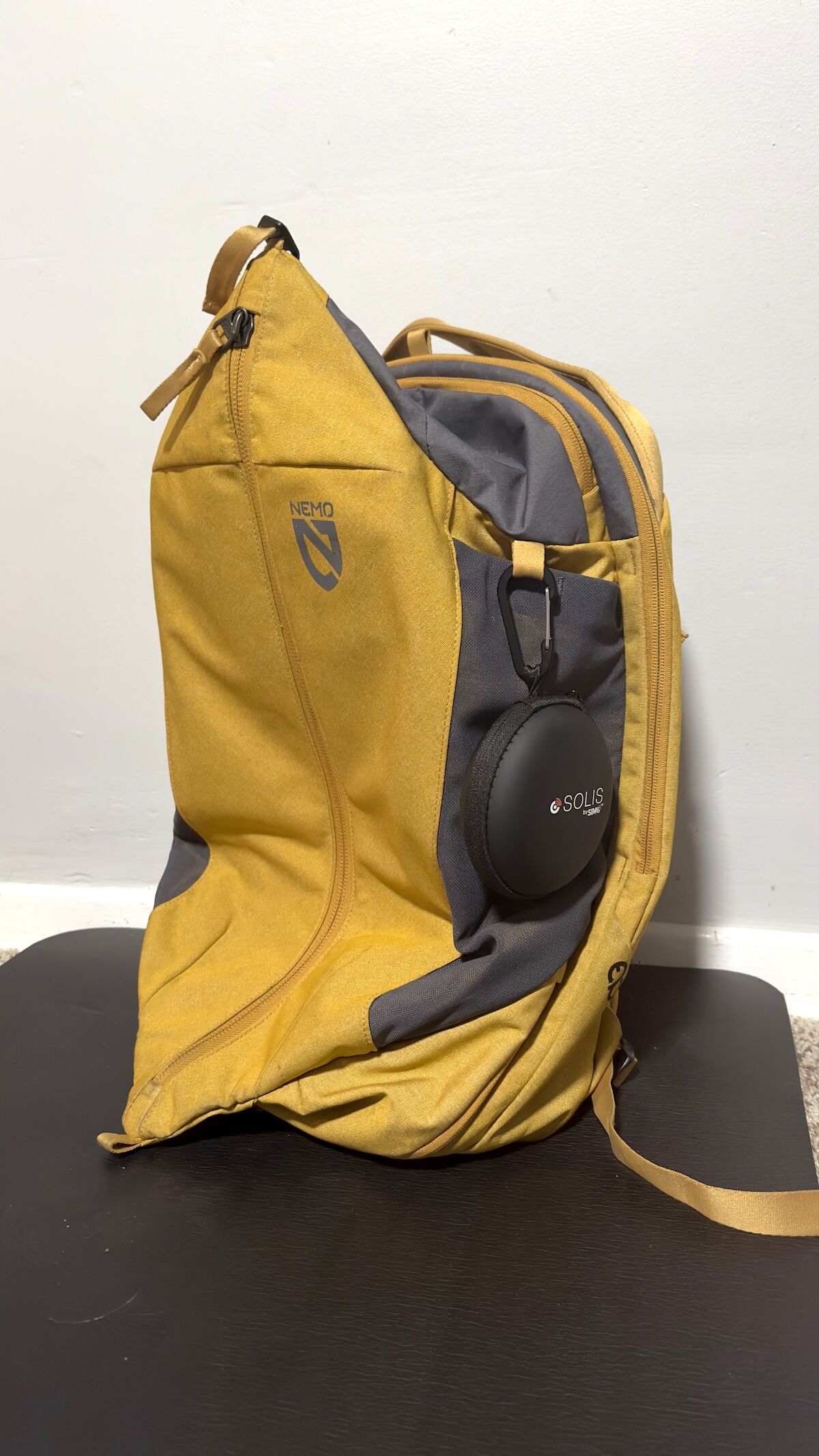
In Mexico City, that gave me consistent, usable speeds — nothing blazing fast, but stable enough for email, research, cloud-based work, and video calls. As a 4G LTE device, it won’t replace a high-speed home connection. It sure beat the local and public Wi-Fi options, though, especially since I could work from the bus aside from service dead zones in the remote mountains outside the city. The carrying case clipped right onto my travel bag, and it was just as easy to slip into a small day pack on the go.

The only small hiccup came when I forgot to charge the device overnight on the second day. It took some time to get charged enough to start back up and then reset the connection to the baby monitor. A small inconvenience that’s easily avoided with better planning.

solis hero mobile hotspot review

Photo: Nickolaus Hines

The most heavily marketed feature of the Solis Hero is lifetime data. Three initial bundles get you started: the Explorer Pack with 10GB of data good for 90 days, Family Pack with 20GB, and Globalist Pack with 50GB. (I traveled with the Explorer Pack on this trip.) All three come with 1GB of global data per month for the life of the device.

That lifetime data is just enough to bridge the gap between landing and finding a long-term connection. That said, one long video call can quickly eat that up. Those who need sustained high-bandwidth connections for video production or large file transfers will hit the device’s limits quickly. For heavier use, SIMO sells plans that are activated remotely and start at $6 for an extra 1GB in North America. Prices start to add up if you need more. A month of unlimited data in North America (though it’s slowed after 100GB of high-speed data) costs $99, or $891 for a year. Global unlimited slows after 20GB.

The biggest benefit is that the plans are flexible with one, three, six, or 12 month options. There’s also the option to pay per gigabyte. Buying local SIM cards is usually the cheapest option, but it’s also the most time-consuming and can slow you down if you’ve only got a short stay or you’re hopping between countries. The Solis Hero’s more expensive cost comes with the major upside of being able to hit the ground running no matter how many borders you cross in a week, as well as being able to quickly add more data as needed through the easy-to-use app.

During our week in Mexico City, the Solis Hero provided a secure network for work even while the baby monitor was running at the same time. That kind of reliability helps when the itinerary doesn’t have much flexibility.

Discover Matador

Save Bookmark

We use cookies for analytics tracking and advertising from our partners.

For more information read our privacy policy.