Wading into the ocean mere steps from where you stayed is its own category of luxury. At Turtle Island, a private island in Fiji with a film-set history and the best service I’ve had anywhere, this is true to the point that I never even knew where to look. Just outside, tropical fish dart between stories of coral, a moray eel peeks out to see what the trouble is, a ray crosses the pale bottom below. My husband and I spent our 15th wedding anniversary here, and we took this all in in the best manner possible: by snorkeling.
We Spent Our 15th Anniversary on the Fiji Island Where “The Blue Lagoon” Was Shot
We arrived by seaplane from Nadi, on Fiji’s main island, flying 30 minutes low over the water. The staff met the plane on the beach, singing, and carried the women guests ashore through the shallows in full Fijian dress (sorry, men, you walk). They chorused “welcome home, family,” which rang at least partly true in that everyone already knew our names. They knew we’d come to celebrate. By the end of the week it felt like we lived on the island with them.
Turtle Island encomasses 500 acres in Fiji’s Yasawa chain, and it takes 14 couples at a time, and holds this threshold strictly – it serves couples only, save for two family weeks a year in December and June. This is what separates it from other Fiji resorts. It opened to guests in 1980, after Richard Evanson, the American who bought the island in 1972, turned the cottages built for the cast and crew of The Blue Lagoon into guest suites. The movie was shot on these beaches, and you can see why. Ever since, it’s grown into a private-island resort for couples.
The private beaches sold us
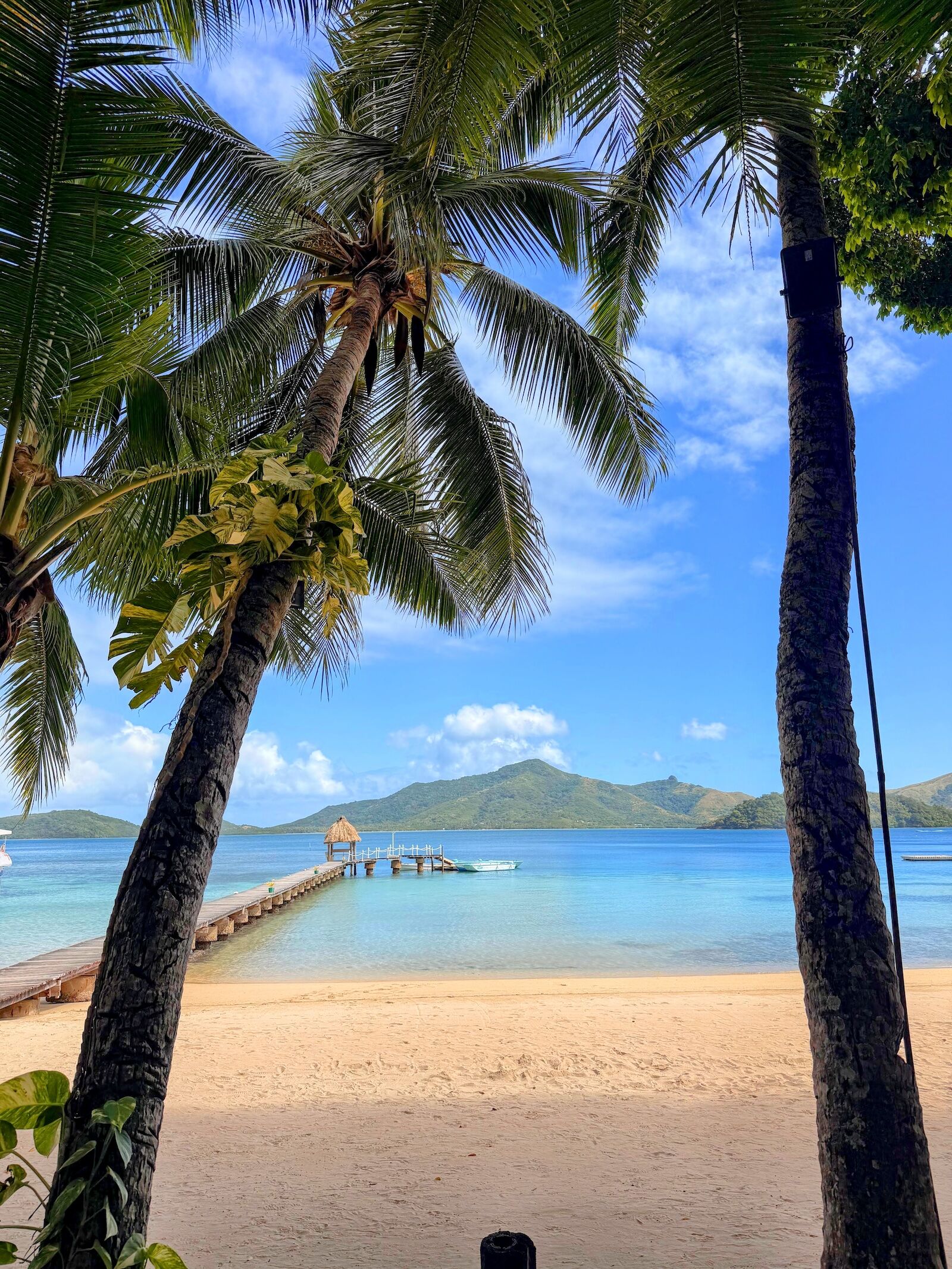
Photo: Kelsey Wilking
One of our favorite experiences here was a morning on one of the island’s private beaches. We’d booked ahead for a half day and brought a picnic lunch, and ended up with three or four hours completely to ourselves. The beach was set up with lounge chairs, hammocks, and a table under an awning, so we took in the views in comfort. The food more than held up. My husband still talks about the bread from this island.
The staff are Fijian, most from the surrounding Yasawa villages the island employs and supports, and the cultural parts of the week are theirs to lead. Kava is a nightly event, sitting on the mat after dinner with the whole crew, including the engineers and cooks and gardeners who keep the place running. That’s when you unwind together and actually enjoy the company. It felt like being visitors among the Fijian people, not guests being waited on.
We enjoyed watching a meke, the dance that carries the island’s stories. Our dinner one night was cooked in an earth oven called a lovo, where food is slow-cooked for hours over buried hot stones. We learned to make kokoda, the Fijian coconut-lime ceviche, as well as open a coconut and weave a basket.
The island feeds itself and runs on music
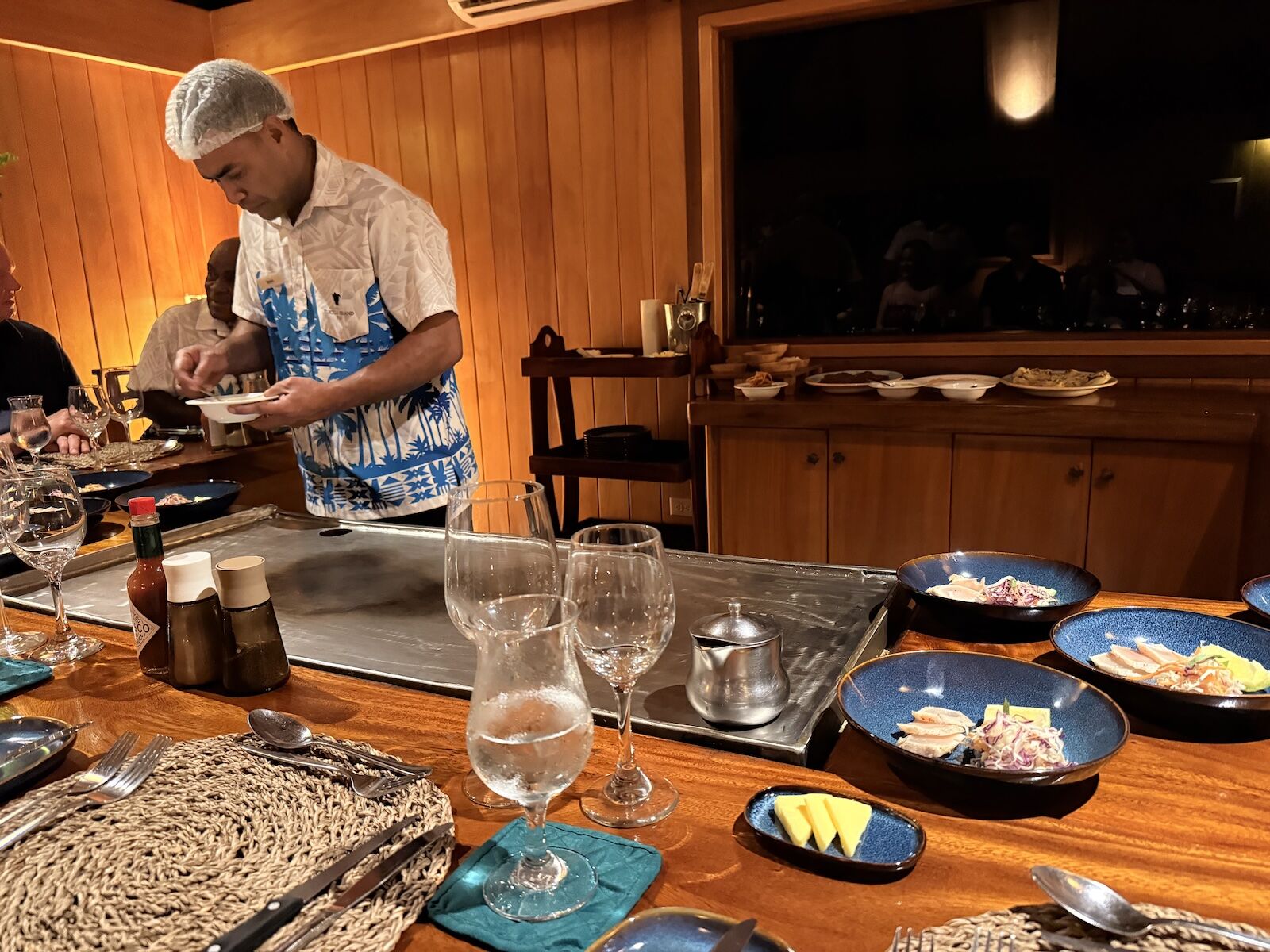
Photo: Kelsey Wilking
Most of what we ate is grown or caught within sight of the table. A five-acre vegetable garden runs about 150 beds, and staff say roughly 80 percent of the produce comes out of it. Eggs from the island’s chickens. Fish caught off the island. Salt made from seawater over three to four months. Butter and juice made on-site. During the pandemic, when the supply boats stopped, the island ran a floating grocery store to keep the neighboring villages stocked. Nothing gets wasted.
Every couple gets a bure mama, a dedicated staff member who plans your days, sets up your lunches, handles your laundry, and checks in a few times a day. Ours was Mama Watti, gentle and relentless about making the week perfect. For our anniversary she surprised us with a decorated bure (the hut we stayed in), a cake, and music. Outside the bure, this island runs on music. Not just waves and birdcalls, but song, under everything. At 5 PM each night, a group serenade rang out to call everyone to cocktails.
Know this before you book: it’s family style, all week
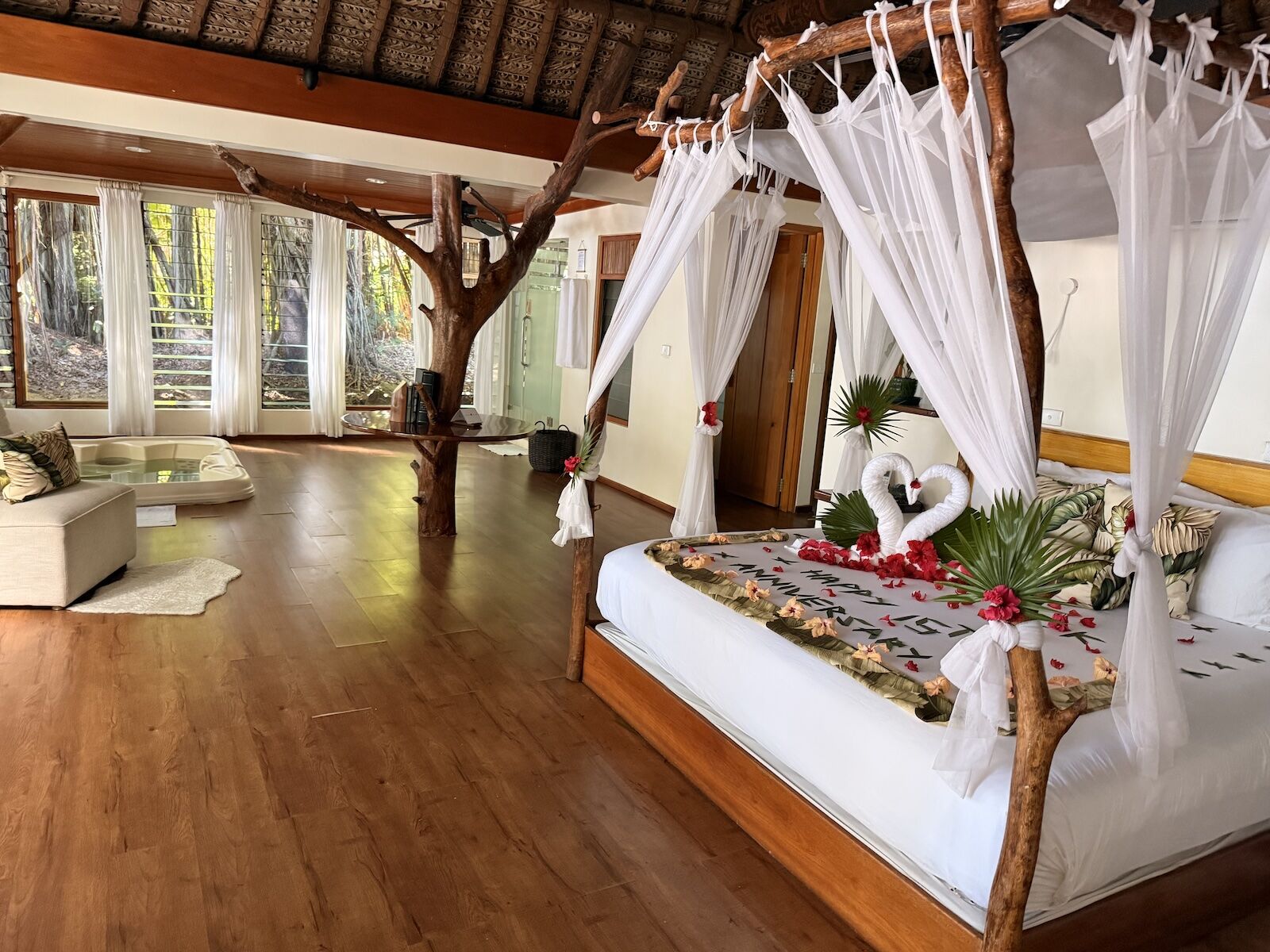
Photo: Kelsey Wilking
Every meal here is communal. We ate with the other couples multiple times per day, raised toasts with them at cocktail hour, and ran into them at beach games. In other words, you get close fast. We watched couples tear up at their farewell, and we were told it happens most nights.
There are exits built in. Each couple gets private beach lunches, dropped off alone with a picnic and a scheduled pickup. Our favorite night was a private dinner on a floating dock off the beach, lit by lanterns and the food brought out by boat. It was quite romantic dining with the Milky Way coming up over the lagoon.
About 60 percent of guests come back. Brooke and Chris Kyle, whom we met during our stay, returned for their 28th anniversary after a decade away. On a guided walk, Brooke went looking for the decorated stone with her name on it that she and Chris had set on the beach 10 years earlier, and found it in the sand underfoot.
“Super special,” she said. A decade on, she told me, the island was “just as wonderful, if not better.” Brooke’s an OB/GYN in Eugene, Oregon; she said the week gave her and Chris “so much time together,” and she went home “more relaxed to my busy practice than ever before.”
Before you leave, you plant a tree or a hibiscus. Something of yours keeps growing here, a reason to come back and check on it. 