Photo: Hannah D. Cooper

Chile's Beer Capital Pairs Suds With Rich History and Lots of Sea Lions

Travel Food + Drink
by Hannah D. Cooper Sep 18, 2026

On May 22, 1960, the largest earthquake ever recorded struck southern Chile. Besides shattering homes and dispatching tsunami waves as far as New Zealand, the 9.5-magnitude Valdivia earthquake almost put an end to what the namesake city is now revered for: beer.

A compact, walkable city of 170,000 residents, Valdivia sits at the junction of three rivers and became a crucial military outpost under Spanish rule, named after the conquistador Pedro de Valdivia. Downstream of the confluence, the Calle-Calle, Cau-Ca, and Cruces waterways flow out to the Pacific Ocean united as the Valdivia River. The abundance of freshwater and a rainy, cool climate partly explains how Valdivia wound up as Chile’s “beer capital,” but it took a different kind of wave to lay the groundwork.
Chile’s capital of beer

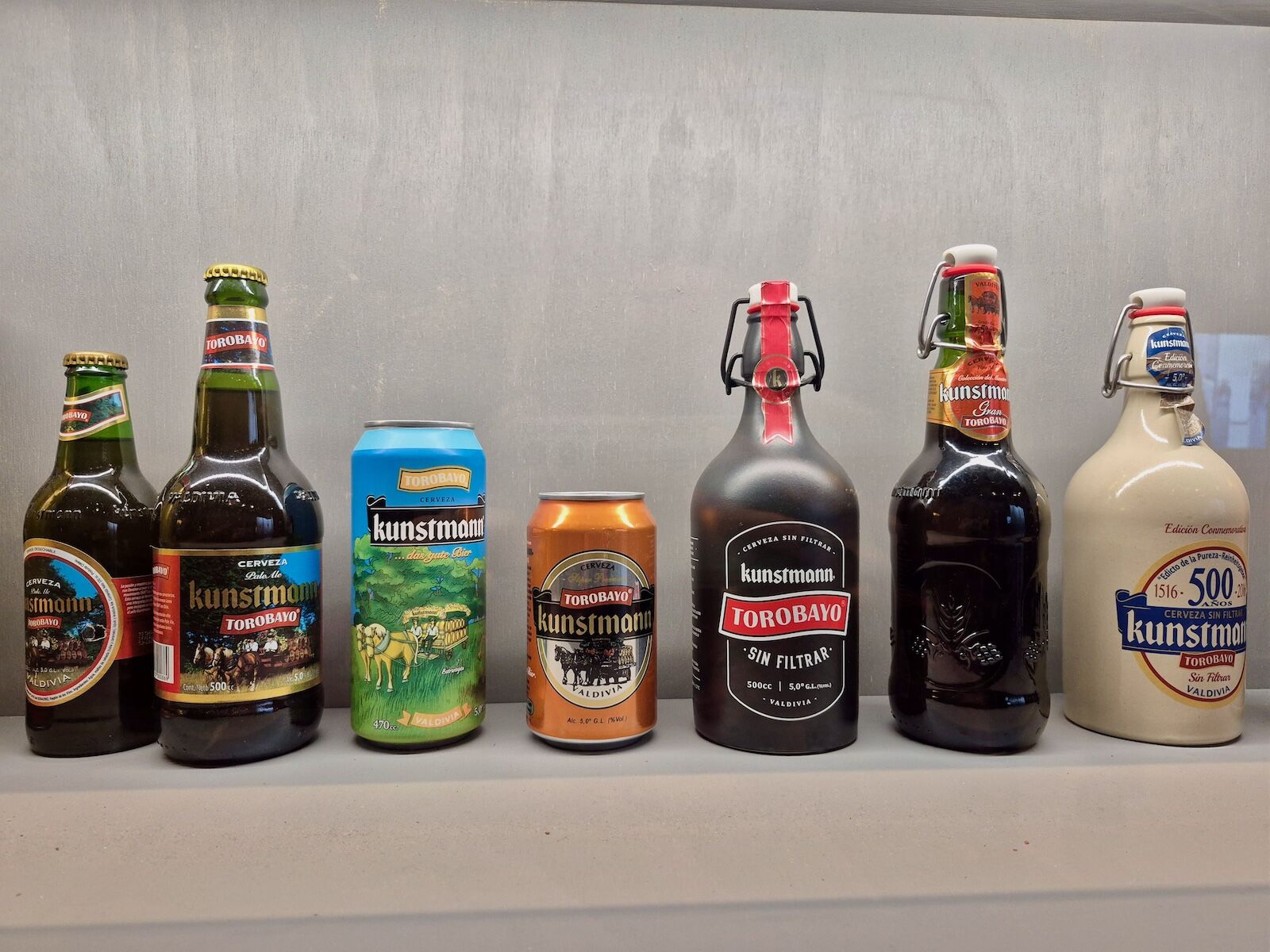
beers at cerveceria kunstmann museum

Breweries including Cerveceria Kunstmann have made Valdivia Chile’s capital of beer. Photo: Hannah D. Cooper

As Germans poured into Chile in the 19th century under a government initiative to boost the economy, they carried their country’s traditions around beer brewing with them. During this immigration wave, Carlos Anwandter established one of the country’s earliest commercial breweries in 1851. Although his Isla Teja home survived the earthquake (now part of Valdivia’s Museum of History and Anthropology and one of the few colonial-era buildings to survive), his brewery was destroyed. Armin Kunstmann resumed the tradition in the 1990s by founding what is now the country’s most famous brewery.

Exhibits at Cervecería Kunstmann pay tribute to the work of Anwandter, and the restaurant serves the Valdivian speciality of crudos (Chilean-German steak tartare) alongside the malty Torobayo amber ale and hoppy lagers. The facility credits much of its brewing success to Valdivia’s watery environment, with guided tours pausing on the edge of the Valdivian rainforest and Estancilla wetland to explain the delicate relationship between water and beer production. Non-Spanish speakers should book tours in advance, as not all guides are bilingual. Inspired by Munich’s Oktoberfest, the Kunstmann Bierfest is held annually in late January into February.

While Kunstmann honors traditional German beermaking heritage, Valdivia’s beer scene is constantly shifting, and many brewers lean into Belgian and US craft beer methods. My favorite bar in the city is El Growler, a brewpub on Isla Teja (a river island surrounded by Valdivia’s three rivers) founded by the Oregon-born Joel Driver. House IPAs, ales, and stouts are poured from kegs loaded onto a van and enjoyed in an industrial-chic beer garden alongside tacos, crudos, and shareable buckets.

Valdivia, a city of water (and surprises)

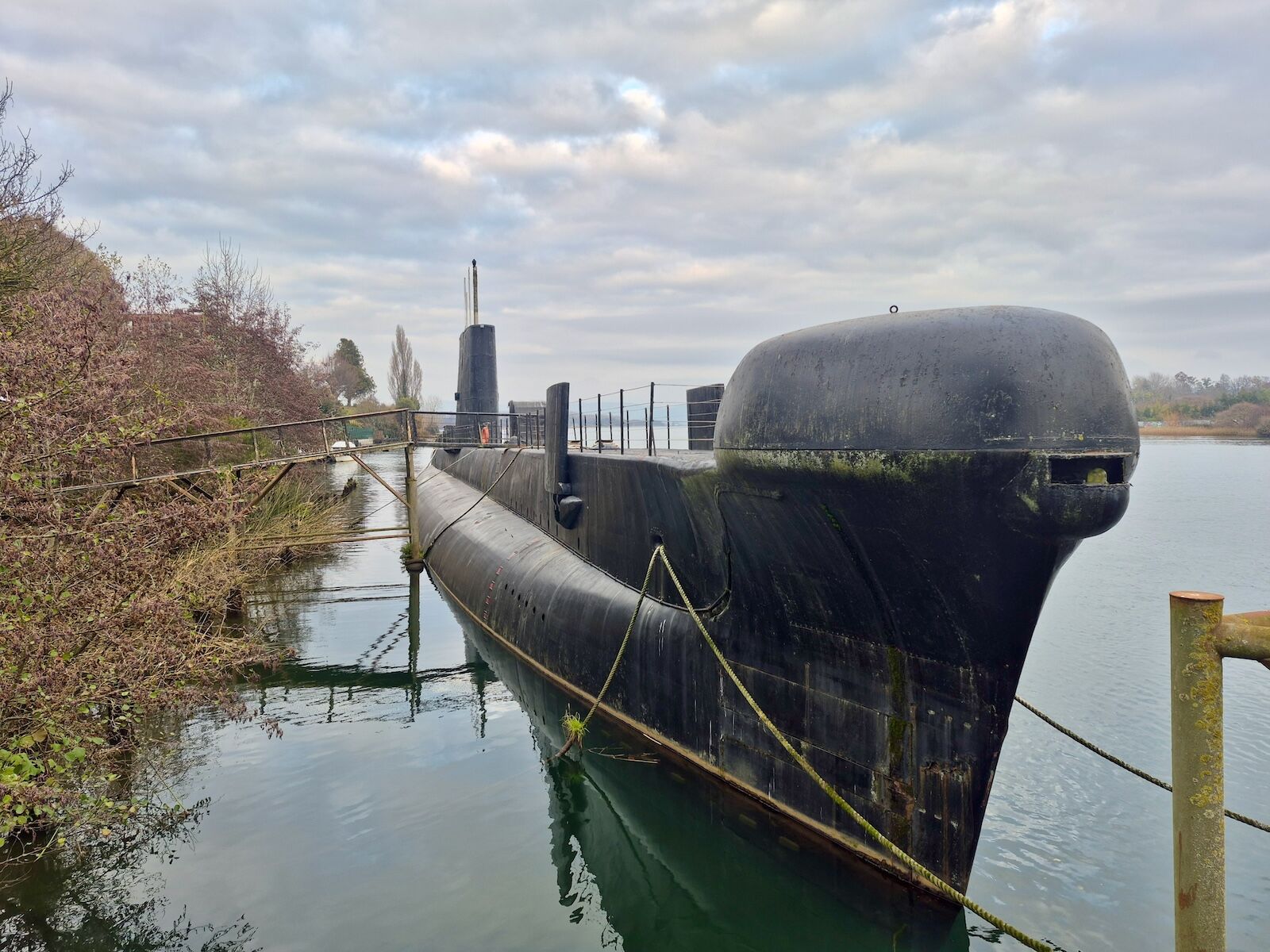
submarine o'brien in validvia, chile

The O’Brien is a decommissioned Chilean Navy Oberon-class submarine. Photo: Hannah D. Cooper

As 82-foot-high waves lashed Chile’s coastline, the Valdivia earthquake of 1960 also caused the surrounding land to sink by up to six-and-a-half feet. River levels rose, dry plains evolved into wetlands, and Valdivia was eventually absorbed as part of Chile’s Los Ríos, an administrative region formed in 2007.

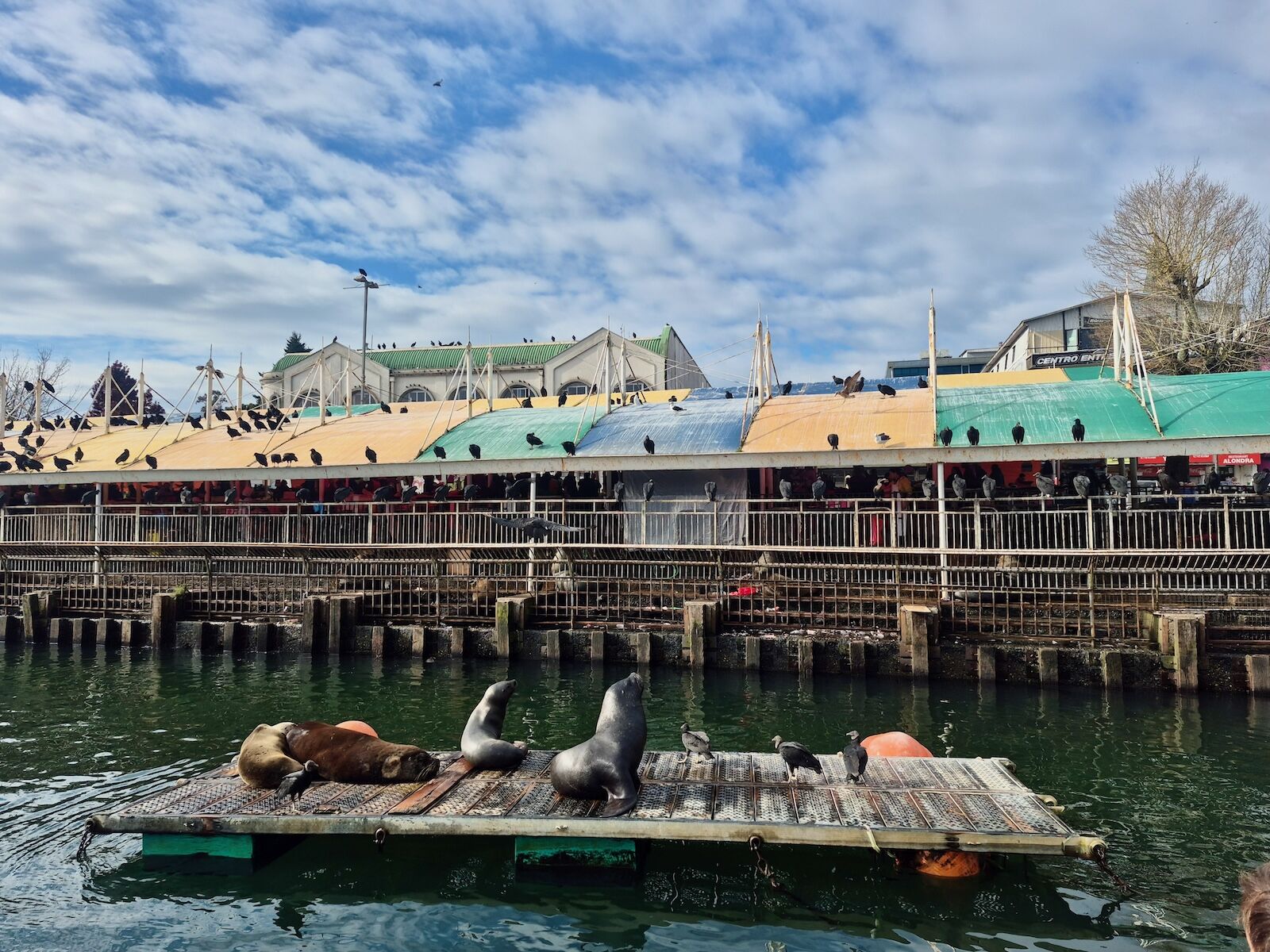
Today, boat cruises ferry passengers along the rivers of Valdivia; it’s easy enough to buy a ticket from vendors along the waterfront. I booked a tour on the spot with Kimeltu Los Rios, with a live guide explaining local geography and the impact of the Valdivia earthquake as sea lions barked in the background. Lobos marinos (the South American sea lion) are a typical sight along the waterfront, frequently seen plunking along the walkway and polishing off scraps of fish from the Mercado Fluvial. Arriving in Valdivia fresh off the sleeper bus, I crossed paths with the resident colony long before clapping eyes on my first human.

One of the most unexpected tourist attractions in Valdivia takes you below the water’s surface. Engineered in Scotland in 1971, the O’Brien is a decommissioned Chilean Navy Oberon-class submarine. Everyone is welcome onboard, no boot camp necessary. A guided 40-minute tour (usually hosted by a bilingual guide, tickets sold in cash at the waterside kiosk for 4,000 pesos, about $4) takes visitors to the control room, engine chamber, and torpedo compartment. Getting inside means squeezing yourself down a narrow hatch before crawling through bulkhead doors, so I’d recommend tackling this before beer and kuchen.

Niebla and Corral: Scenic sailing and military history

sea lions in valdivia, chile

Lobos marinos, South American sea lions, are a common sight along the Valdivian riverfront. Photo: Hannah D. Cooper

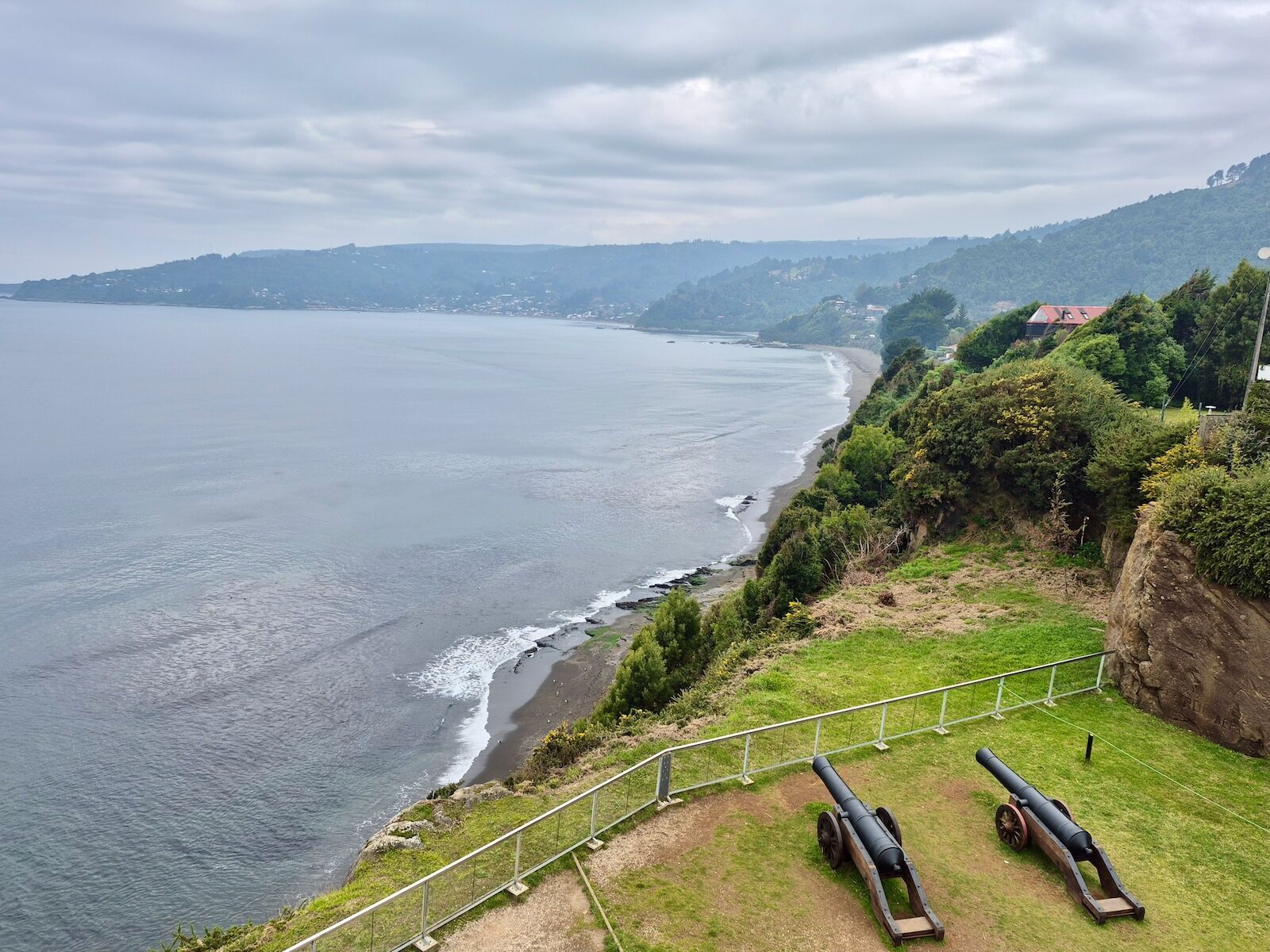
Valdivia’s verdant scenery is appreciated on the way to Niebla, a coastal hamlet that spotlights an earlier strand of military history. Following the Valdivia River, a micro (public bus) or Uber will drop you near the Castillo de Niebla. Much of this colonial-era fortress has fallen to ruin, but walkways skirt the remains of the walls and cannon batteries, as the Pacific thunders below. It was built to keep hostile boats out of Valdivia and the surrounding river network, but these days travelers can cruise the water without the fear of cannonballs being hurled from the cliffs. Valdivia’s emblematic sea lions pass freely between the ocean and city, further blurring the lines between natural and urban.

Kimeltu’s longer sailing connects Valdivia and Niebla, with stops at two other Spanish-built fortifications. Contact them via their website or WhatsApp in advance to secure a bilingual guide. If you travel by micro, have small change ready to pay the driver (one way costs less than 1,000 Chilean pesos, or $1, cash only). The number 20 service departs from near Plaza Chile and passes Isla Teja.

Getting to Valdivia and where to stay

canons at Castillo de Niebla

Canons are still present along the Castillo de Niebla. Photo: Hannah D. Cooper

Pichoy Airport is Valdivia’s closest airport. Overnight buses operated by FlixBus and Turbus are a comfortable means of traveling south from Santiago and Valparaíso. The city slots in with a road trip of Los Ríos (The Rivers) and Los Lagos (The Lakes), which is a natural continuation of the Carretera Austral (Route 7) scenic highway.

Stay at Hotel Puerta del Sur, which has a clutch of barrel hot tubs overlooking the Cruces River and bikes for exploring the property’s nature reserve. Located on Isla Teja, the hotel is within walking distance of the Jardín Botánico, part of the prestigious Austral University campus, and Valdivia’s liveliest restaurants and bars.

Discover Matador

Save Bookmark

We use cookies for analytics tracking and advertising from our partners.

For more information read our privacy policy.