Chilean Food Culture: The Comfort Foods, Customs, and Cocktails Travelers Should Know

Chile Food + Drink
by Hannah D. Cooper May 26, 2026

When I moved from England to Chile four years ago, I had mountains on my mind, but I wasn’t sure what to expect on the dinner table. While famous for asado meat, Chile isn’t a foodie destination — many consider the food rather bland (you might even call it the Great Britain of Latin America). Despite the country’s chili-like curve and its name, which actually means “where the land ends,” salt and mayonnaise are the most-reached-for condiments.

As I’ve gotten to know my way around the food scene, what has stood out is the simplicity of key dishes. Nothing is overly complicated to prepare, and the beauty lies in the power of the ingredients. The best plates tend to be simple “homestyle” concoctions of meats, fish, and beans (known here as porotos rather than frijoles) served with potatoes (fun fact: most global varieties hail from the island of Chiloé) and flavorsome seasonal vegetables. What has surprised me is the familiarity I’ve found in Chilean dishes, many of which remind me of England. But first, bread.
Pan y mayo: the “bread and butter” of Chile

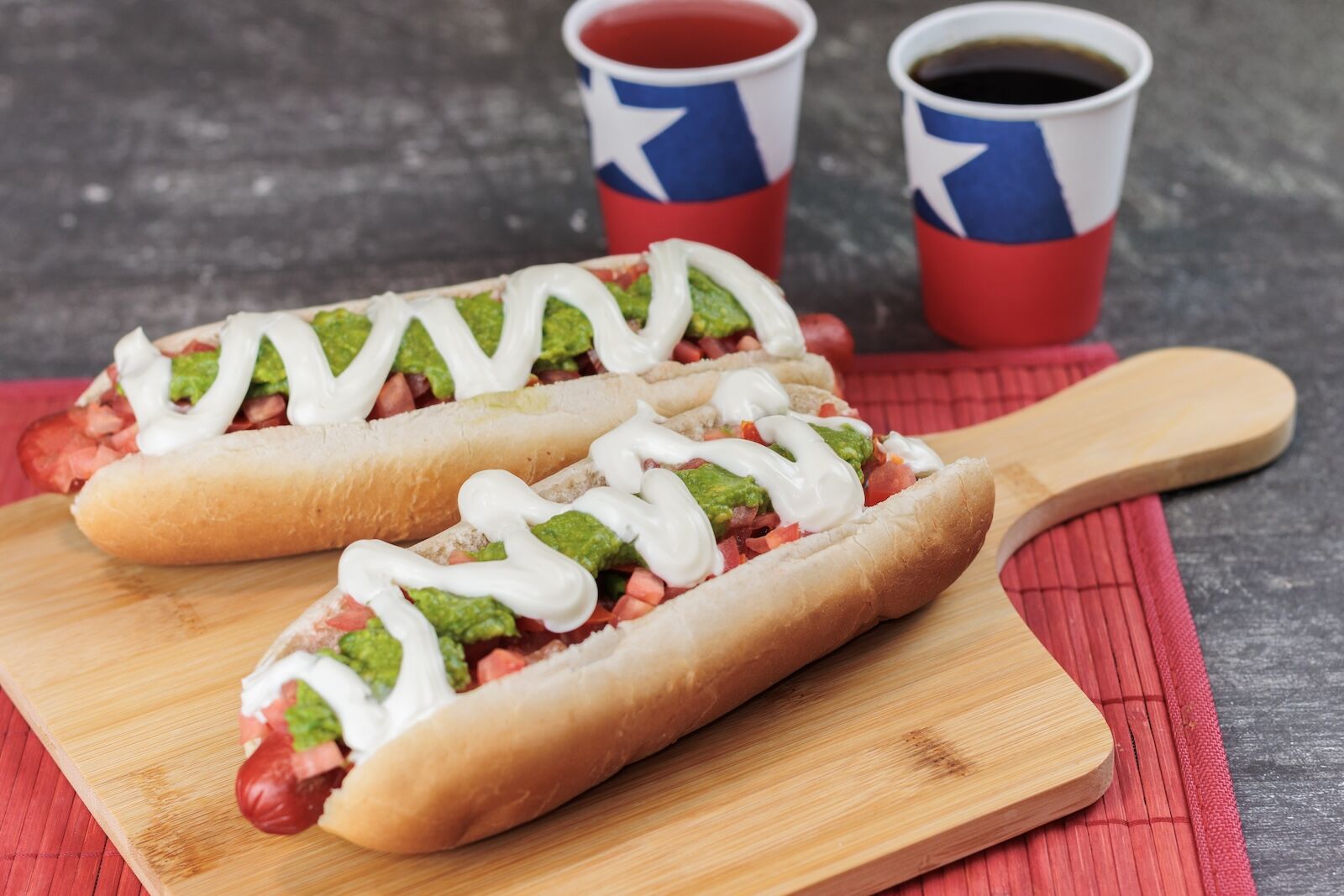
completo italiano in chile

The completo italiano resembles the Italian flag in color, but is distinctly Chilean in presentation. Photo: Photo: Lasmsilver /Shutterstock

Bread is big business in Chile: the country is second only to Germany in total consumption. There are three specific types of bread to look out for in bakeries and restaurants. Pan marraqueta, crisp on the outside and fluffy within, is used as a pocket for choripanes (grilled sausages) and to contain Chile’s hefty sandwiches, not unlike Britain’s “door stopper” sarnies. Pan amasado, a rustic bread traditionally baked in wood-fired ovens, works in all contexts, but it is usually eaten as an appetizer topped with pebre (Chile’s mildly spicy tomato-based salsa). Pan hallulla is a round and slightly denser style often used for ham and cheese sandwiches, but it’s also eaten with pebre, avocado, and manjar (dulce de leche).

As it hardens quickly, Chilean bread is best eaten on the day of purchase — otherwise it can be tossed into casseroles and stews in place of potatoes. The abundance of bread might explain why mayonnaise is also a huge thing in the country, as it’s usually included in sandwiches by default. Completos, Chilean hot dogs, are most typically ordered as a completo italiano, whereby the sausage is topped with diced tomatoes, smashed avocado, and a thick mantle of mayo. Mimicking the Italian flag, the “italiano” also designates a type of sandwich, usually completed with lomo (thinly-sliced tenderloin) or carne mechada (slow-cooked beef). While a little mayo goes well with many bread-based eats, it’s useful to learn the phrase “sin mayo” (without mayo) and apply your own.

Chile’s teatime meal tradition

bowl of once in chile

Once, the typical Chilean evening meal, has similarities to British high tea. Photo: Purrfect_photo /Shutterstock

One of the things that threw me the most about Chilean dining culture is dinner, or the absence of it. Most Chileans favor a large, late lunch as their main meal of the day and rely on once (pronounced “on-say”) for their evening meal. At first, I likened it to England’s afternoon tea, and there are some similarities in the custom and how it plays out like a ritual, usually shared among family and friends. A typical Chilean once sees a spread of crustless sándwiches de miga or toasted bread topped with smashed avocado or huevos revueltos (scrambled eggs) as the centerpiece. It’s served with tea, or sometimes coffee — the average Chilean favors tea over coffee, placing Chile as Latin America’s largest consumer. Cake makes an appearance for special occasions, as do little folded flatbreads known as dobladitas, smothered in manjar.

Locally-oriented restaurants in Chile often open exclusively for lunch, although there are always sufficient options for those with an appetite for dinner. Many eateries offer fixed-price once menus, combining a bread-based main with tea and cake — perfect for breaking up an afternoon of sightseeing.

Dishes full of fishes, and finding “home” in food

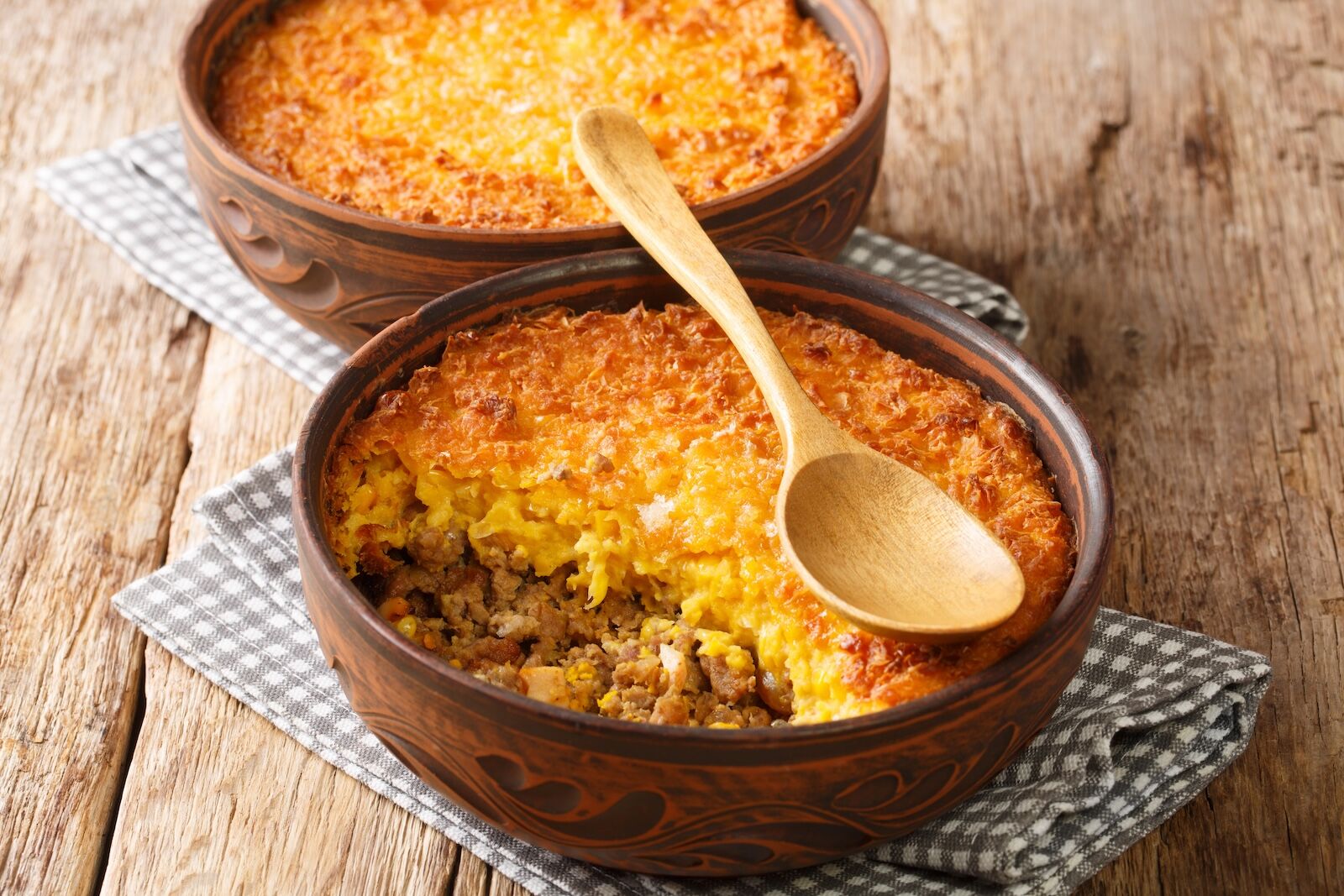
Pastel de choclo in chile

Pastel de choclo bears sinilarities to the British Shepherd’s pie. Photo: Sergii Koval /Shutterstock

After getting acquainted with the classics — foregoing my vegetarian preference for backyard asados with my in-laws — scoping out other things to eat in Chile made me feel a little closer to “home.” Though the ingredients and taste differ, Chile’s pastel de choclo (ground beef baked in crushed corn with onions and a hard-boiled egg) produces a similar, homely experience to the shepherd and cottage pies common in the United Kingdom. I feel a comparable experience with a steaming bowl of pastel de jaiba, perhaps my favorite dish, where crabmeat is baked in milk-soaked bread infused with onion and garlic and topped with parmesan. Eating this on a misty day in Valparaíso always reminds me of tucking into an English fish pie at a seaside pub on the rugged northeast coast. In the same way, chupe (a soupy, creamy fish-based stew) isn’t worlds apart from the British East Coast’s chowder.

On the whole, Chile’s seafood is outstanding — pescatarians are the happiest travelers. As a Brit, I’ve consumed many a pescado frito con papas (fried white fish, usually reineta or merluza, with french fries). For lighter tastes, there is machas a la parmesana (baked clams with parmesan cheese) while locos con mayonesa is a highly-prized starter for special occasions, where Chilean abalone is topped with that ever-present relish.

Chilean food is not complicated, and while some plates can veer towards blandness, it’s always comforting and nourishing — especially on a brisk fall evening on the coast or after a trek through Patagonia’s valleys. Those with a penchant for spice can always ask for a jar of merkén to sprinkle on top; this potent spice made from smoked chili peppers hails from the Mapuche people of Chile and always livens up a plate, or even a beer.

What to drink in Chile

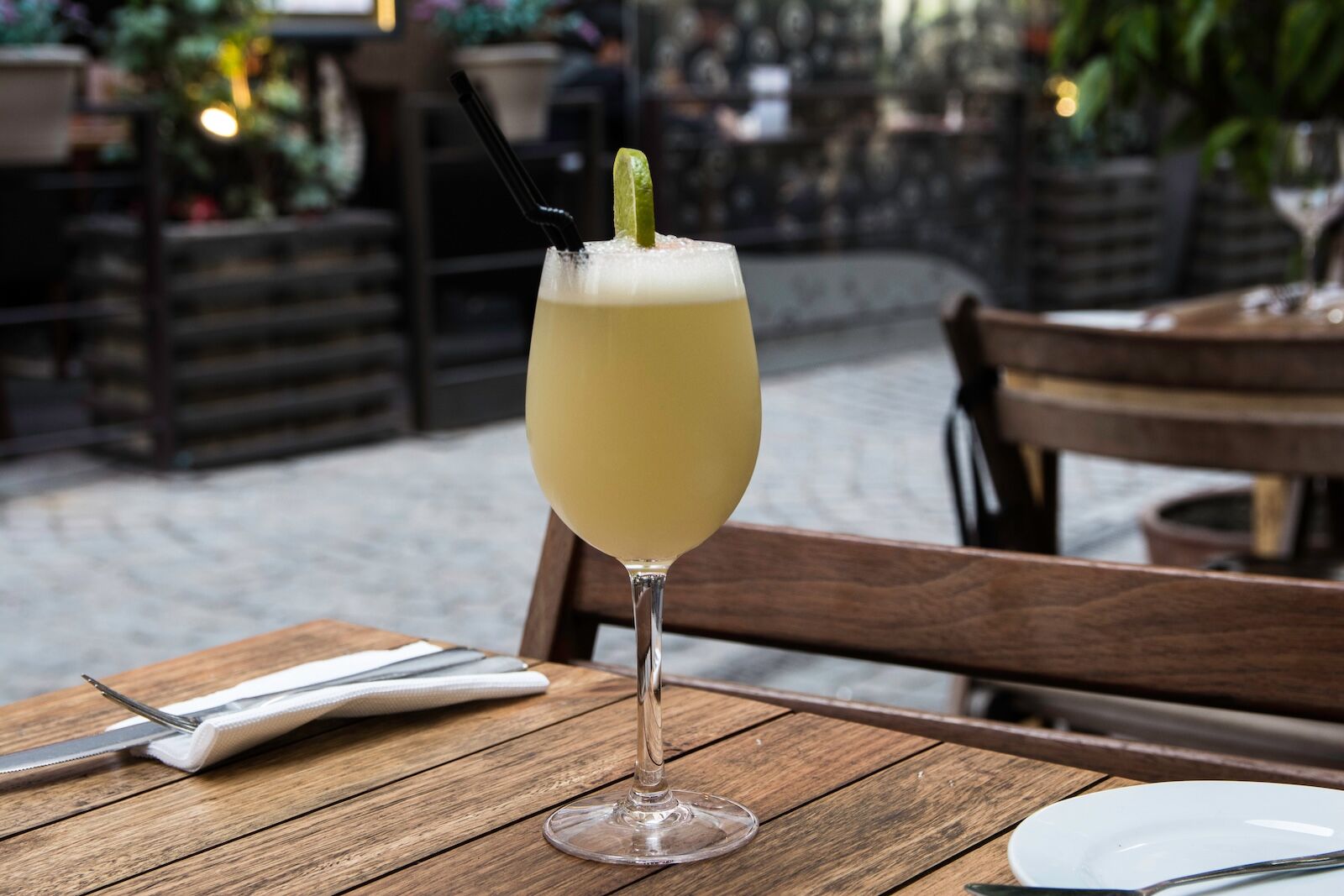
pisco sour in chile

The spirit pisco features prominently in Chilean cocktails. Photo: Mr. Vieira /Shutterstock

Wine aside, piscola (pisco spirit served with Coca-Cola or ginger ale) is the drink of choice for an evening out in Chile, coined carrete in Chilean slang. Note that measurements are generous in Chile: bartenders will typically fill half a glass with liquor, and one piscola or pisco sour is often enough to leave us foreigners light in the head and loose in the tongue.

That’s certainly the case with the terremoto, a cocktail made with sweet Pipeño wine, grenadine, and pineapple ice cream. It crops up on menus in the days leading up to National Day on September 18. Meaning “earthquake,” the beverage is aptly named, and one is enough to feel unsteady. Cola de mono (“monkey’s tail”) is a Christmas cocktail, often compared to Baileys. Recipes vary but typically include a base of aguardiente, condensed milk, instant coffee, cinnamon, and cloves. After brewing, the drink is refrigerated and served cold.

Chile remains one of the world’s most underrated beer countries, with unexpected similarities to Europe’s leading beer producers. German immigrants brought the craft over, finding that southern Chile’s cold climate and glacial waters lent themselves to the task. Valdivia is the heartland of production, with tours and tastings available at the cozy tavern inside the brewery Kunstmann. These beers, along with Austral’s calfate-infused ales (the world’s southernmost brewery), are mainstays at restaurants throughout Chile. D´Olbek brews its beers according to Belgian techniques, with some varieties imbued with Chile’s native maqui berry. Also look out for Guayacán’s refreshing lagers flavored with papaya from Chile’s arid north, and don’t miss trying a Chilean michelada, where merkén spice is added to the glass rim.

Always skim the aisles at markets to find unsung craft labels. But, as alcohol consumption is prohibited in public spaces like parks and beaches, you’ll need to save the post-hike salud for your accommodation.

Discover Matador

Save Bookmark

We use cookies for analytics tracking and advertising from our partners.

For more information read our privacy policy.