Wildfires had evacuated Fort Simpson, the Northwest Territories village where Nahanni River Adventures normally flies clients into for expeditions before the float-plane leg up to Virginia Falls. From there, expeditions down the South Nahanni River pass through dramatic limestone, shale, and sandstone canyons. Healthy populations of grizzly, bison, and Dall sheep roam these lands, far from any semblance of civilization. Cell phone coverage is as absent as the bright lights of Toronto. I went to the Nahanni expecting the river to answer a question I hadn’t fully admitted I was asking.
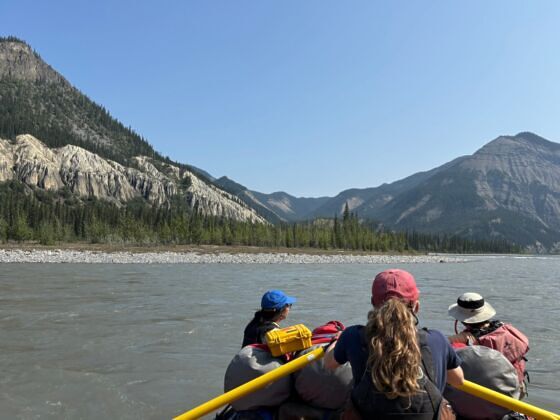
Photo: Tim Wenger
What It Means to Ask a Place for Something
For two days I assumed the whole expedition was off.
Subscribe to Matador Network’s
Free Insider Travel Substack
Through a maze of reroutes and logistics, it happened. The week-long trip down the river proved to be a revelatory (if frequently ad hoc) experience, as well as a mental breakthrough. My wife and I had recently separated, still cordial, still co-parenting our daughter, trying to figure out how to be better people for each other through something that doesn’t have a clean shape yet.
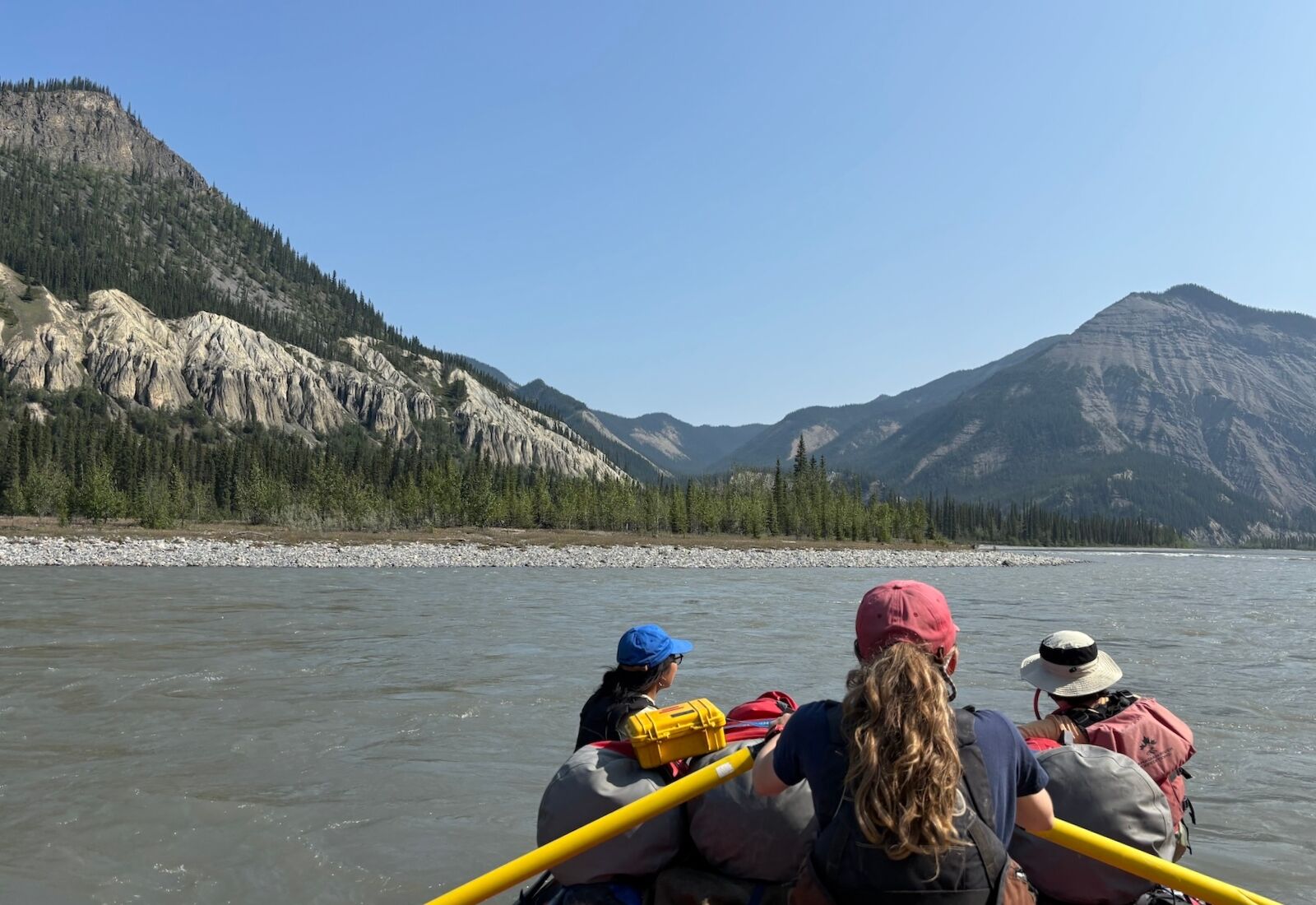
Photo: Tim Wenger
I was terrified not only to leave for 10 days, but to be off-grid entirely. What if something happened to our girl? What if I needed to make a sudden proclamation?
But the trip was booked a year ago, and I told myself a week on one of North America’s wildest rivers might hand me some clarity. What I got instead was a lesson in what it actually means to ask a place for something, and how rarely the answer looks like the one you went looking for.
The outfitter rerouted us into Whitehorse, Yukon — a different territory entirely, and we drove five hours south to Watson Lake to try again from there. Then the weather over the river socked in the float planes for two more days. So there we were: a group of strangers who’d shown up to paddle a remote wilderness river, marooned instead in a small Yukon town, waiting. Here, the wildfire smoke was a couple hundred kilometers away, but rain and fog substituted the gloom. Our holdup was far from abundant caution.
We made the best of it. We walked around Wye Lake, reading the little signage about boreal ecology like kids on a school trip. I played a full round of frisbee golf for the first time since I was probably twenty-five, and we visited the iconic Sign Post Forest. We ate, I’m fairly sure, at every restaurant Watson Lake had to offer. It became its own strange, unplanned mini-vacation nested inside the trip I’d actually booked.
What made it bearable and, honestly, kind of wonderful, was watching how the trip got saved in the first place. One of our guides told me later that the company’s logistics call, the one that decided whether any of this could still happen, evolved from a planning attempt into a network of people calling other people, asking them if they could fill in a gap.
Photos: Tim Wenger
“The call was us saying, ‘so-and-so’s cousin offers this service, and I know someone who does this. I’ll call this person and you call that person,’” she told me.
Whitehorse, Nahanni Butte, Watson Lake, Fort Providence — a web of relationships stretched across hundreds of miles of subarctic Canada, activated in an afternoon because a fire had rerouted a river trip. Nobody had a contingency plan for this exact scenario, just each other.
I’d heard about the communal culture of the North before I went. The stories about how isolation breeds interdependence, how people in remote areas know exactly who to call when something breaks. I hadn’t expected to watch it save my own trip in real time. It got me thinking about my situation, and realizing that I must depend on people beyond myself to manage it.
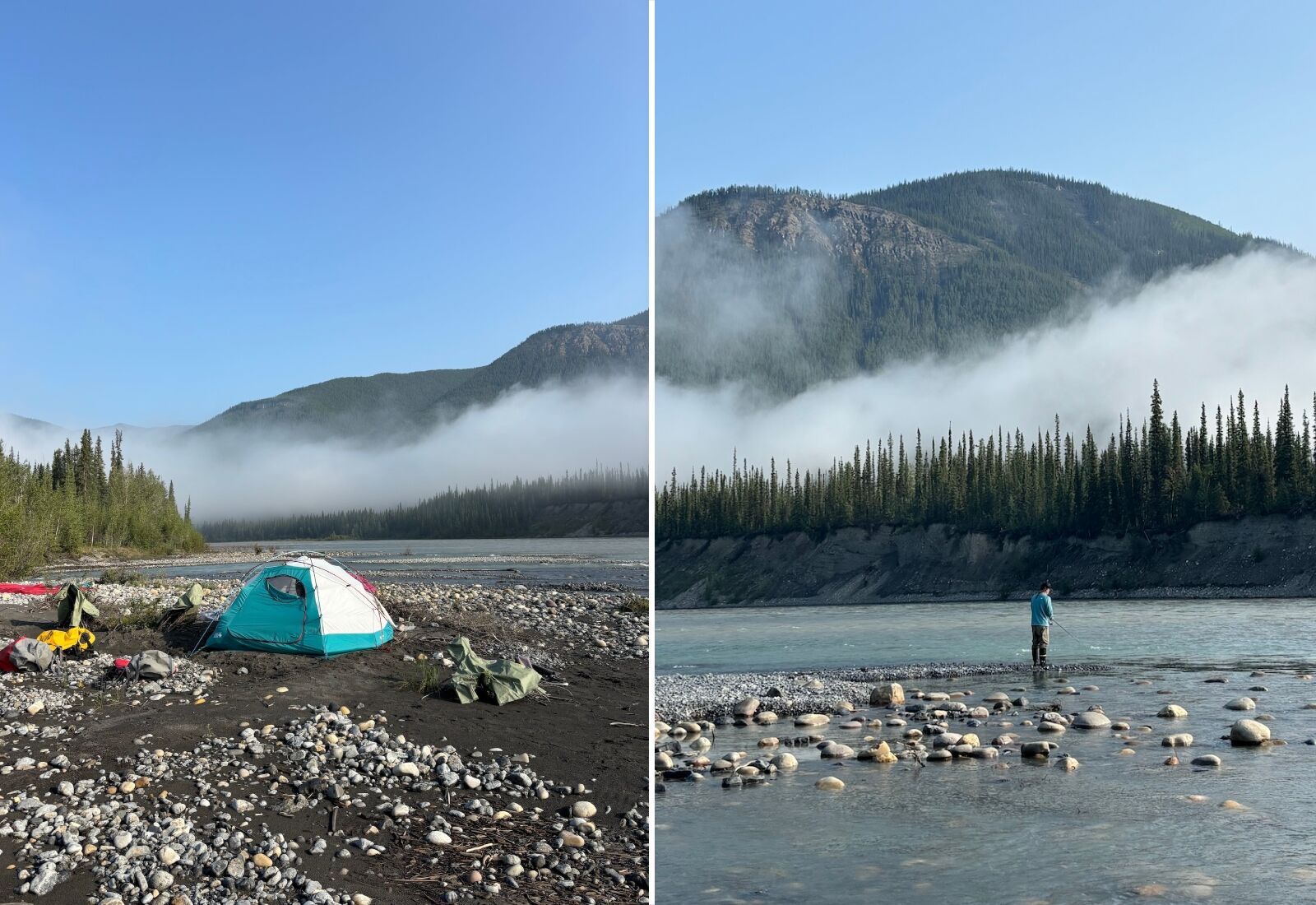
By the time we finally got on the water, we were a few days behind schedule, but I was unbothered by it. On the fifth night, at our second campsite along the river, I set up my tent in the rain. It was July, so the sun doesn’t really set up there; it just leans low and stays lit, this long gray-gold half-dusk that never resolves into dark. I remember standing in it, soaked, and feeling something in my chest finally let go. Not the clarity I’d come for, just the recognition that I might never get a clean resolution to everything going on at home. That some things don’t get solved so much as lived through.
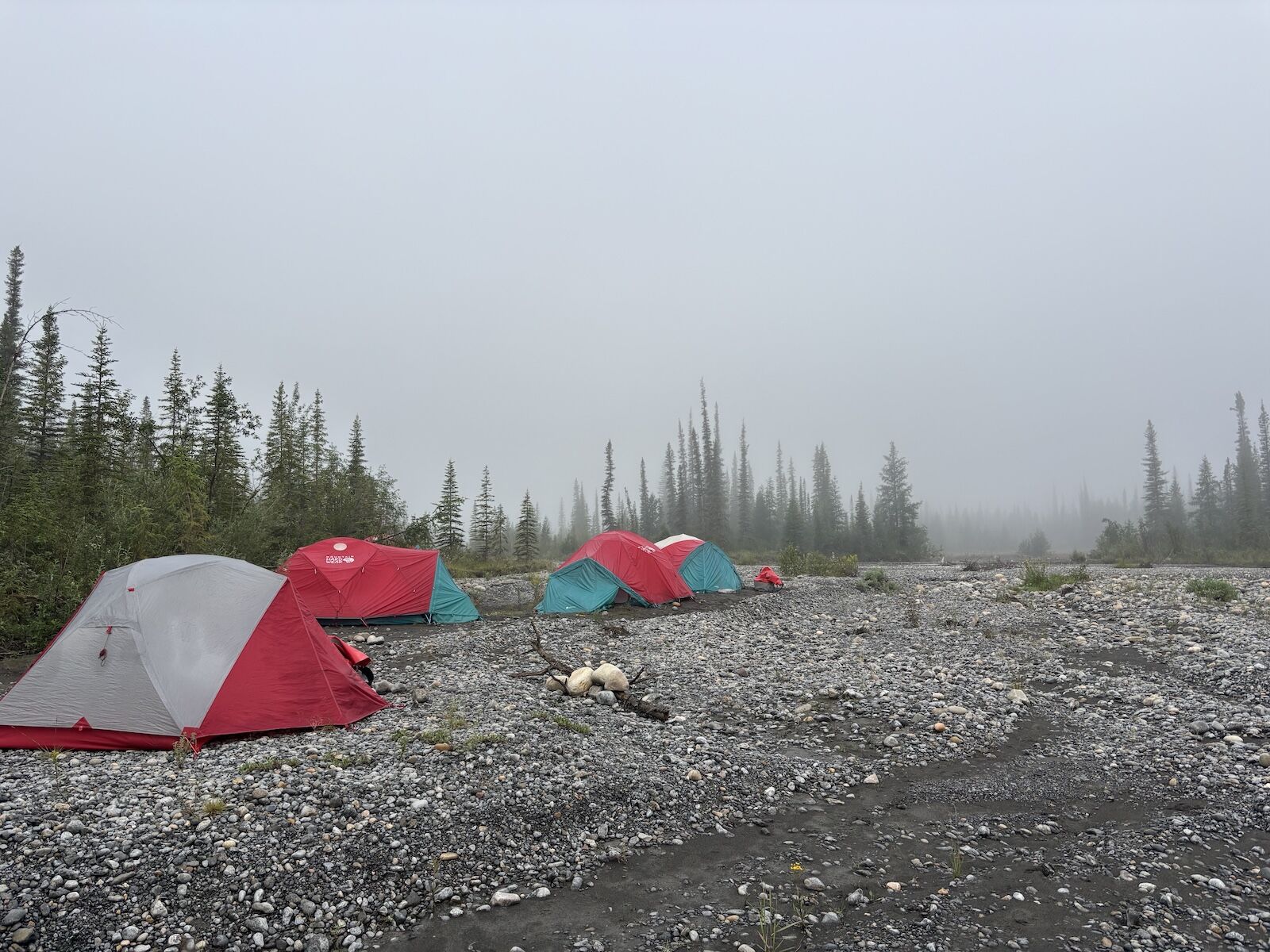
Photo: Tim Wenger
But I’d been given something adjacent to clarity, which turned out to be more useful. I’d watched a company hold a wilderness trip together with nothing but trust and phone calls to people they knew would show up. I’d been fed and housed and entertained by a town that hadn’t planned on hosting us. I was learning, one mosquito-laden campsite at a time, that the way through hard things is rarely a solution you find alone. It’s leaning on the ones around you, be that a boatman in Nahanni Butte willing to overload his boat with river gear and weary travelers and escort them to the takeout so no one misses their flight home, or a partner who’s still working with me so that we can become better people for a daughter who needs both of us functioning — and trusting that showing up for each other is most of the work.
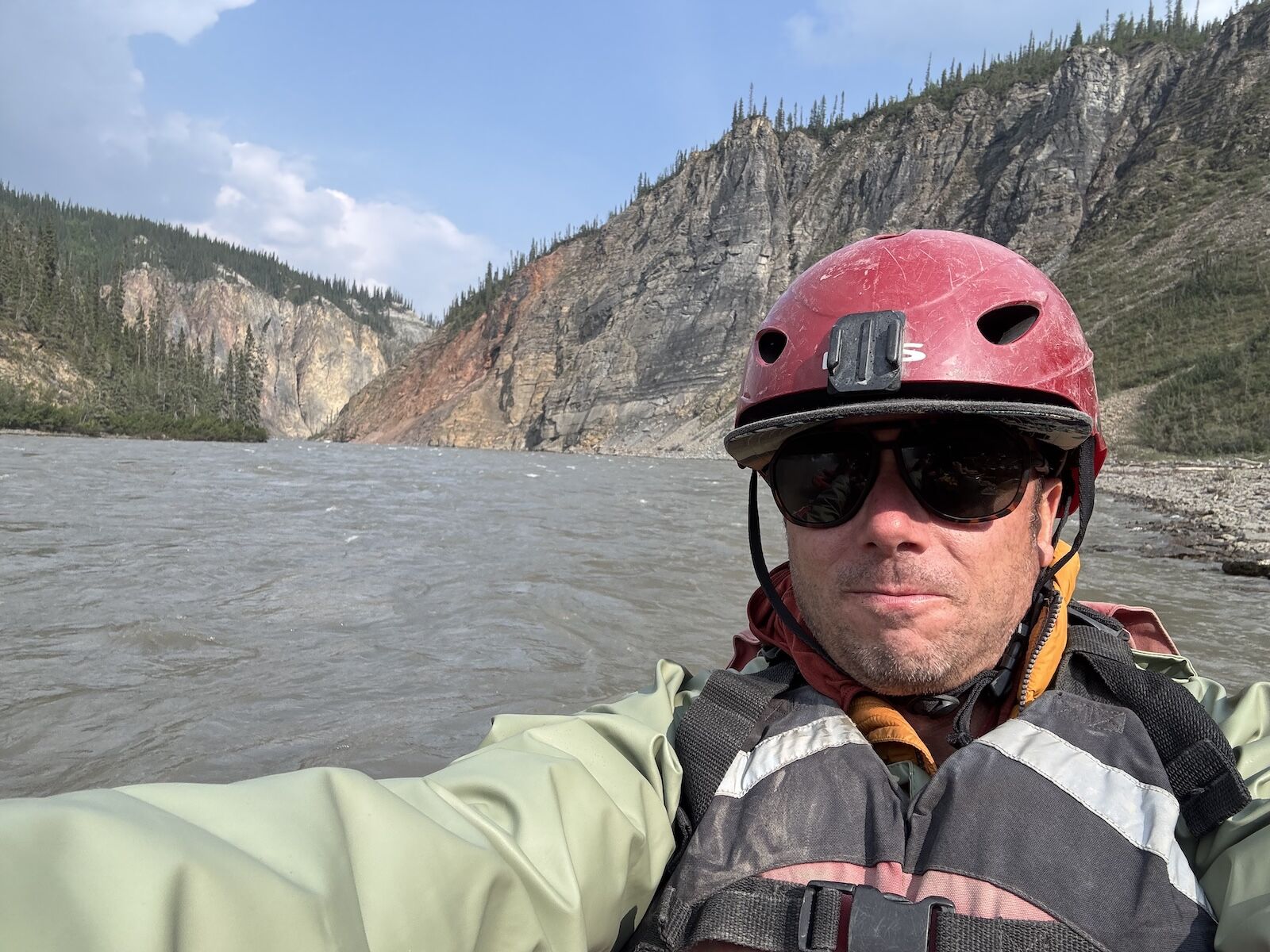
The writer on the river. Photo: Tim Wenger
Flying over Great Slave Lake as I departed Yellowknife to head home, I accepted that when you ask a place, or a person, for something, you don’t always get the thing you asked for. Sometimes the North just runs late by two days and lets you play a bad round of frisbee golf instead. But if you pay attention, it gives you something truer: proof that when people choose to show up for one another, even a fire-evacuated, weather-delayed, two-day-and-five-hour-detour of a trip finds its way to the river. And so, eventually, does everything else. 