A week before Netflix’s new show Below premiered, a digital billboard in Times Square zoomed in on actor Josh Hartnett as a Newfoundland fisherman. “Visit Newfoundland and Labrador,” the billboard read. “All our fishermen look like this. Don’t yours?” The government says it spent nothing on the billboard, and simply gave the okay for Netflix to use the logo.
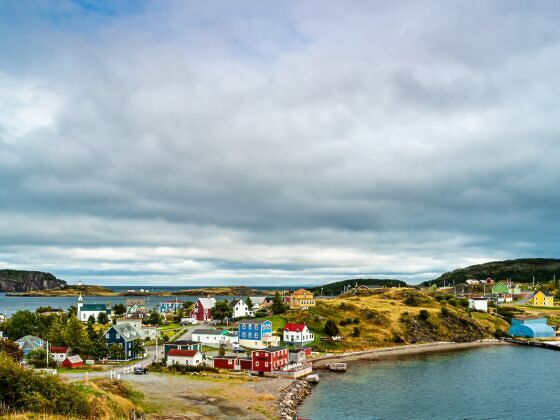
Photo: Gareth Janzen/Shutterstock
Will 'Below' Make Newfoundland Canada's Next Big Destination?
View this post on Instagram
Actual Newfoundland fishermen picked up the baton and ran with it, telling news organizations they were unbothered by the comparison and could give Hartnett a run for his money. Hartnett himself raved about how much he loved filming in Newfoundland, and the cast recorded quick snippets for fans about being there.
The campaign worked. After the show premiered on October 8, it gathered 17 million views in just four days and set a record for the biggest debut of any Canadian show on Netflix. Globally, it’s more popular than East of Eden, the highly anticipated show based on John Steinbeck’s famous novel. Not bad for a six-episode thriller about a sea creature terrorizing a small Newfoundland town.
But the big question is whether all the attention on Newfoundland will translate into tourism dollars, as seen for destinations involved in shows like Outlander, Lord of the Rings, The White Lotus, and Game of Thrones. Gabby Peyton, North American travel media specialist for Newfoundland and Labrador Tourism, told Matador Network it’s too soon to tell. But for travelers always trying to be one step ahead of the travel curve, it may be worth considering a spring 2027 Newfoundland trip — even if you probably won’t see sea monsters.
International tourism to Newfoundland lags behind the rest of Canada
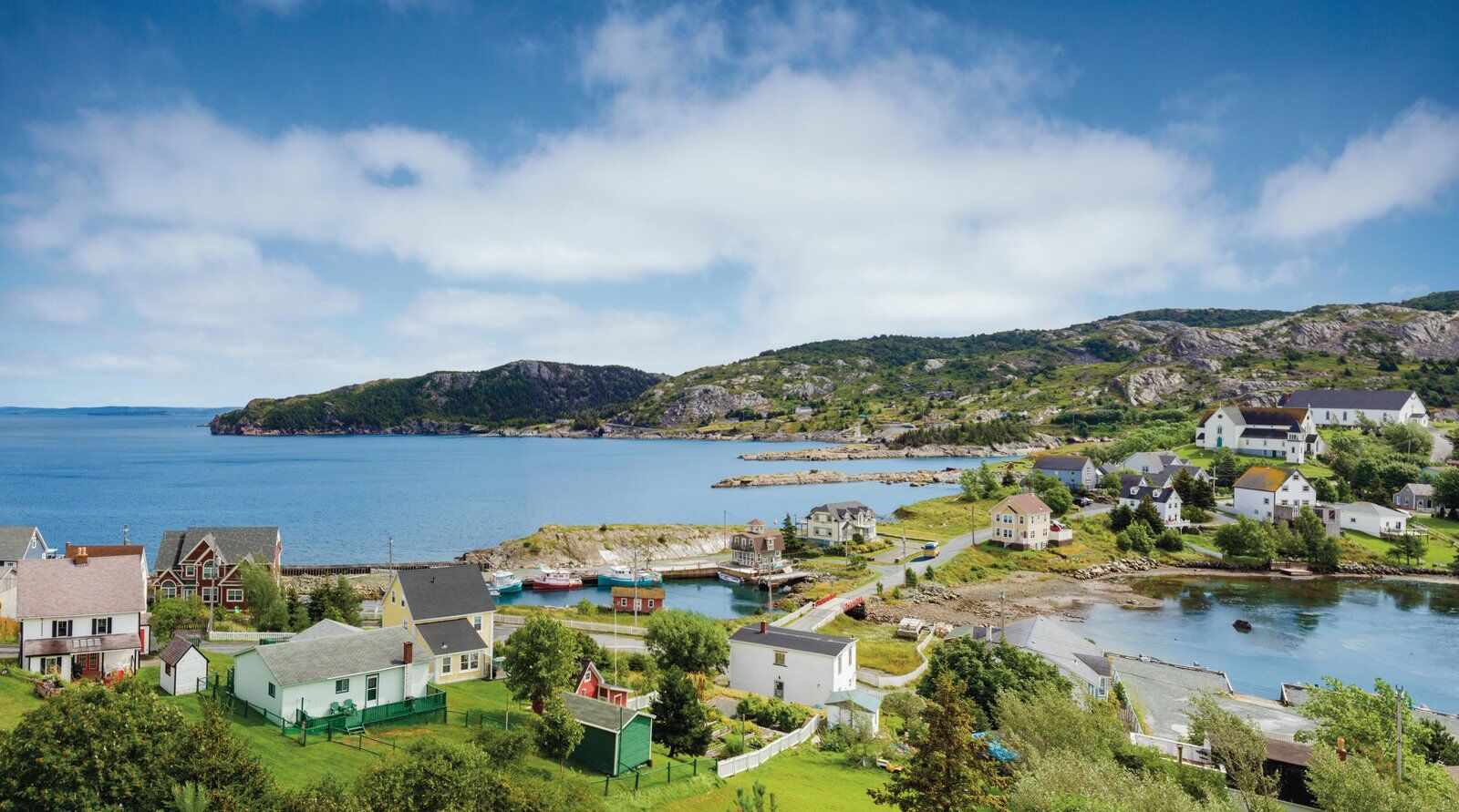
Brigus is a small, historic fishing village established in 1612 west of St. John’s. Photo: Newfoundland and Labrador Tourism/Barrett & MacKay Photo.
Americans are visiting the rest of Canada more than they’re visiting Newfoundland. The province saw 39,100 US visitors in 2025, 13 percent fewer than the year before, according to its annual tourism performance report. Nationwide, US arrivals to Canada dipped only 2.9 percent, according to Statistics Canada.
For visitors from countries other than Canada and the US, the difference between Newfoundland and Labrador and the rest of Canada is even bigger. Those visitors dropped by 15 percent in the province in 2025, totaling just 20,100 visitors arriving by air or road. Canada as a whole went the other way, as overseas arrivals rose 7.5 percent to 6.8 million in 2025. (The province doesn’t publish tourism numbers for the island of Newfoundland on its own, where the show was shot — only for Newfoundland and Labrador combined.)
That makes Below an interesting factor, as Netflix says the show hit No. 1 in 53 countries. But even if the interest is there, the infrastructure may not be. The province tracks seats rather than flights, and in 2025, airlines offered 1.17 million nonstop seats into Newfoundland and Labrador. It’s about 68,000 fewer than in 2024 and well short of the 1.32 million offered in 2016. United ended its Newark-to-St. John’s route in 2016, and as of October 2026, Google Flights shows no nonstop flights between the New York City area and St. John’s. The province says its next tourism strategy will put air and marine access first.
Where the show is actually selling
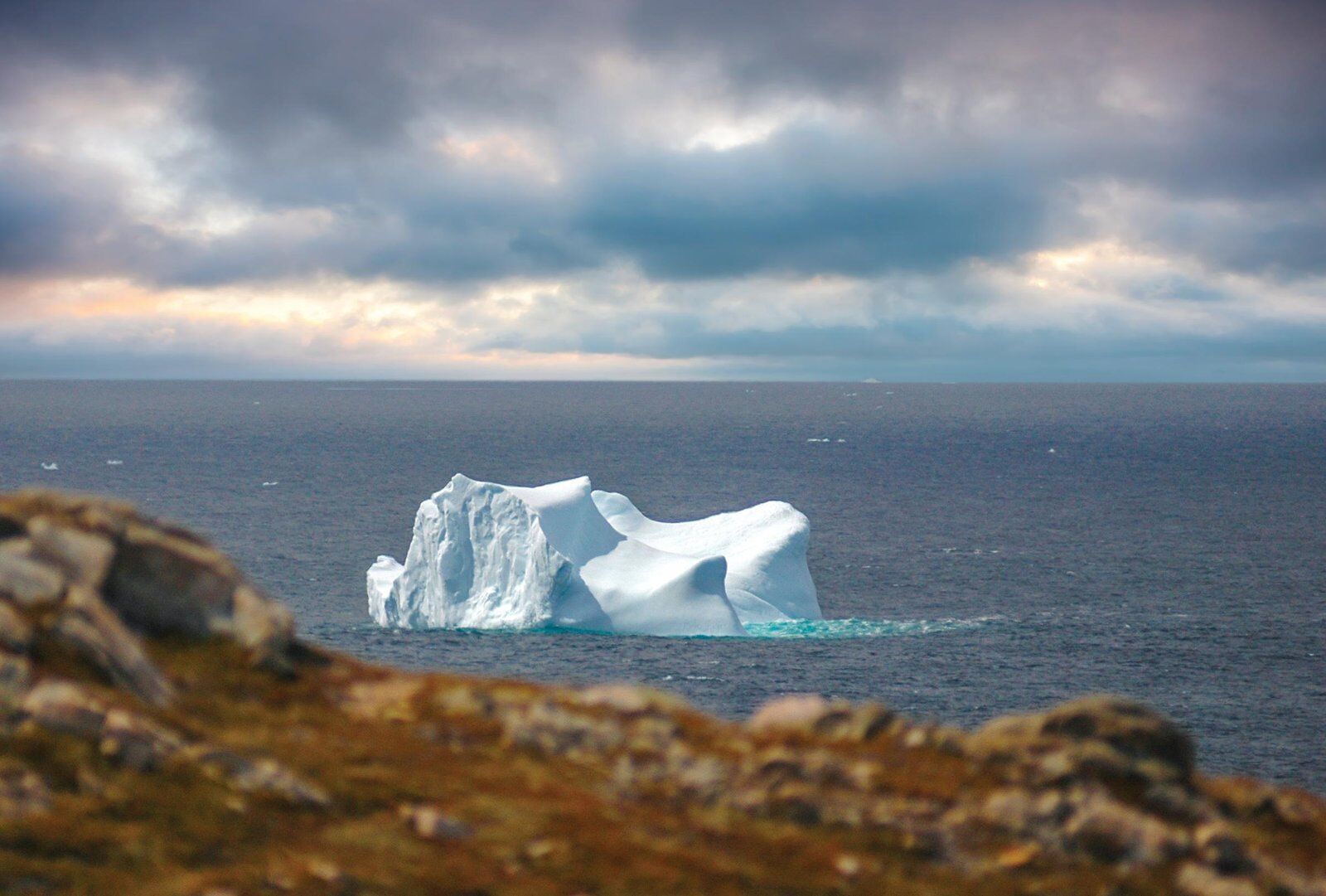
An iceberg off the coast of Twillingate, one of the show’s filming locations. Photo: Newfoundland and Labrador Tourism
On screen, Below takes place on Newfoundland’s Avalon Peninsula. Netflix even created a tourism map of the six major filming locations and what to see at each.
Brigus South, the town that stood in for Snook’s Arm, has about 50 year-round residents. It sits about 45 minutes’ drive south of St. John’s. Pouch Cove, where the crew filmed inside the town’s old fishermen’s lodge, is about 39 minutes north of the city. And Petty Harbour, where the nonprofit Fishing for Success taught the cast to fish, is about 15 minutes from downtown St. John’s. That makes them all day-tripable, though Newfoundland has had a known rental car shortage for more than a decade, with visitors as recently as May 2026 reporting problems in finding transportation options.
Below also touches on two real themes of island life: resettlement, and Come Home Year. During a Come Home Year, towns typically put on a week or so of breakfasts, concerts, events, fireworks, and old-fashioned community parties for visitors and locals. The last official provincewide Come Home Year was 2022, in which there were more than public events across the province.
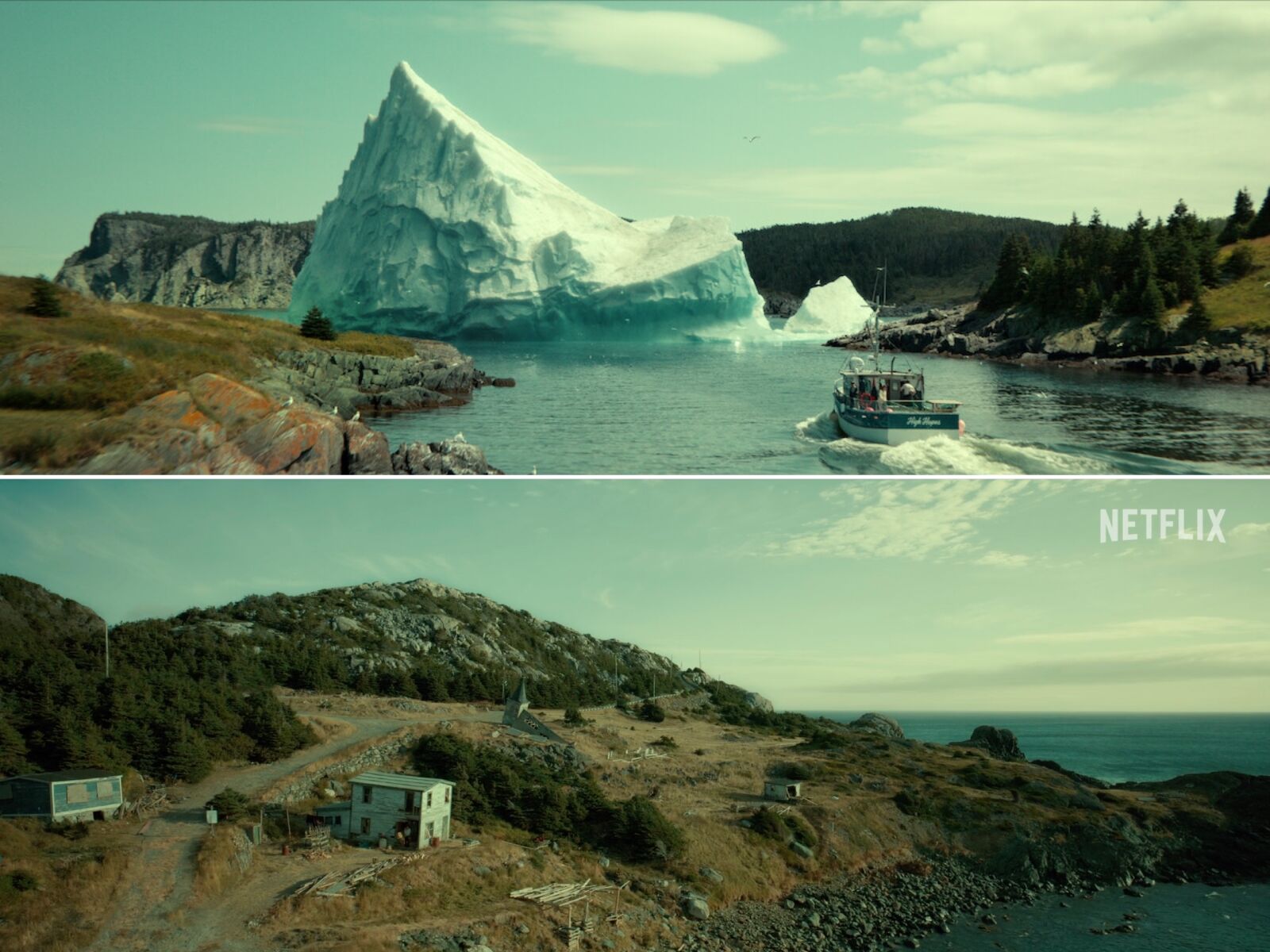
Scenes from Below, shot in Newfoundland. Photo: Netflix.
Resettlement is the heavier thread. Starting in 1954, the government began paying families to leave isolated coastal communities for larger centers. Between 1946 and 1975, about 307 communities emptied and more than 28,000 people moved, according to Memorial University’s Maritime History Archive. In fact, there was a real town of Snook’s Arm. In 2017, its 10 residents were approved for relocation and voted in favor of it, though a few old homes still stand. Visitors can learn more about that complicated history while visiting the island. “Visitors can tour museums like The Rooms in St. John’s or the O’Reilly House Museum in Placentia that has a great exhibit on resettlement,” said Peyton.
Can a Hollywood production move tourists?

“The Dark Hedges” was famously used as the road to King’s Landing in Game of Thrones. Photo: bonn bonn foto/Shutterstock
Tourism boards have a name for the effect: set jetting, when a film or series inspires viewers to see the places from their favorite shows in real life. But it takes more than just showing up in a scene or two.
Northern Ireland was the principal filming location for Game of Thrones for a decade. In 2018, one in six tourists who visited Northern Ireland said the show was part of the reason they came, according to Tourism NI’s visitor survey. That’s about 350,000 people, and they spent more than £50 million ($66 million) during their trips. But that payoff was manufactured, as Northern Ireland heavily marketed itself around the show. It called itself “Game of Thrones Territory” and gave fans things to do once they arrived, from photo-ready installations to scavenger-hunt trails that sent them around the country to easy-to-find themed tours.
For an even cleaner example, look to New Zealand, the primary filming location for the Lord of the Rings movies (released from 2001 to 2003) and the Hobbit movies (released from 2012 to 2014). In 2016, researchers compared the two Tolkien trilogies. They found no measurable lift in international arrivals from The Lord of the Rings, but The Hobbit was another story. It drove an estimated 214,811 extra arrivals and $771.8 million in tourist spending between 2013 and 2014. The authors’ research suggested it was marketing that coincided with the Hobbit, including the country-wide “100% Middle-earth” campaign, that drove actual tourism results.
All three cases suggest that while Hollywood can put the destination in front of viewers, the destinations themselves are the ones that convert interest into visits. As of mid-Oct 2026, Newfoundland and Labrador Tourism hasn’t announced any marketing campaigns around the show, noting that it wasn’t involved in the production at all.
So will Below make Newfoundland the next big thing?
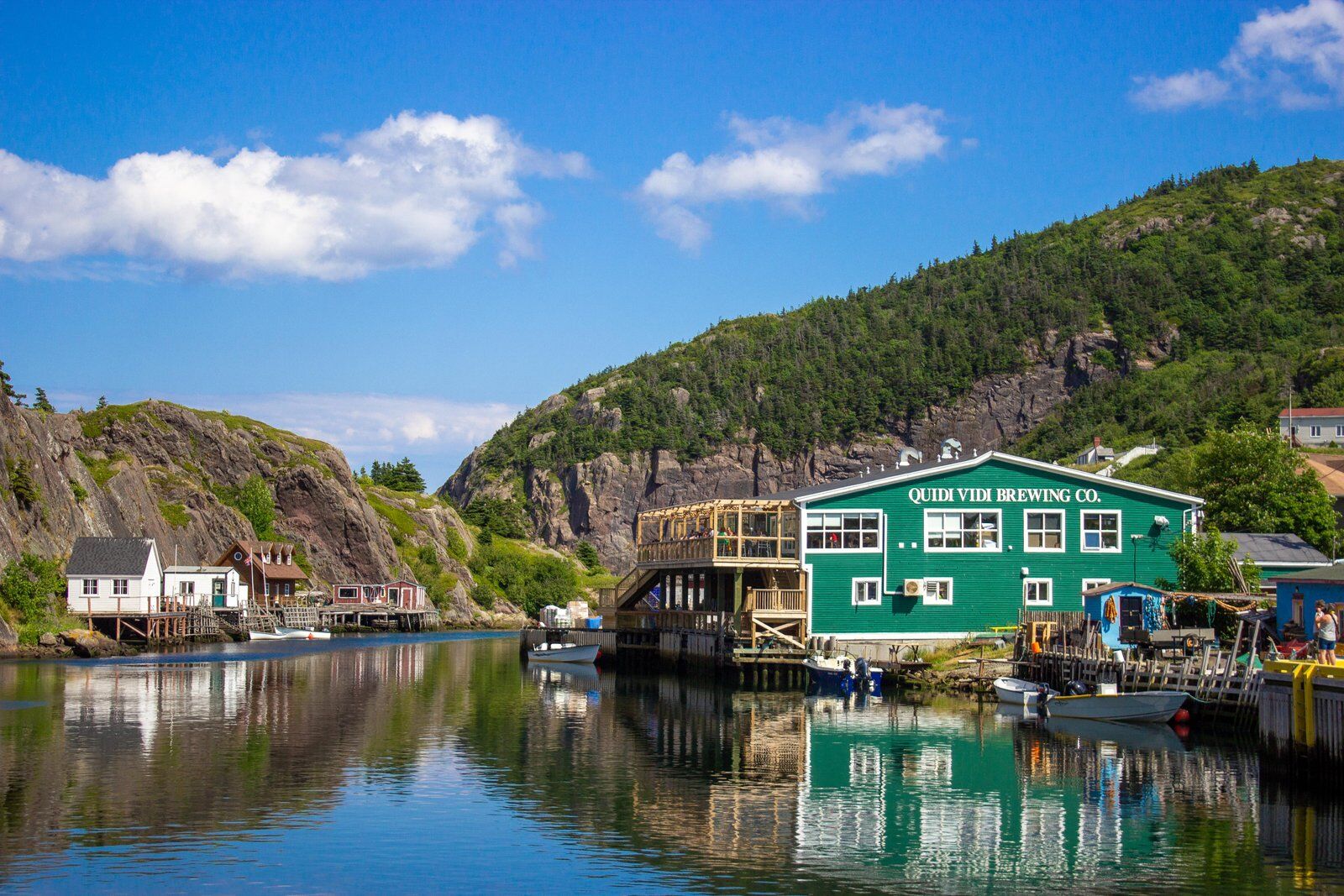
An on-the-water brewery near St. John’s. Photo: Newfoundland and Labrador Tourism
Though travel trends are always changing, Below probably won’t move the dial measurably on tourism in Newfoundland. It’s a limited series, not an ongoing show, and Netflix likely won’t wait too long before it has another show set somewhere new to lure viewers in. But the pieces are there, if the province decides to lean into the opportunity. The show has exposed millions of viewers to the best of the region on screen: sheer cliffs above the North Atlantic, glistening icebergs floating close to shore, colorful fishing villages, and the cast’s thick fishing sweaters, sourced from a local Newfoundland knitting nonprofit.
Below could put Brigus South on the radar for hikers and St. John’s on a few 2027 Next Big Thing lists. But converting that into visits is the province’s job, not Netflix’s. Northern Ireland and New Zealand built the trails, tours, and campaigns that gave viewers a reason to book. Newfoundland already has the cliffs and the icebergs, but what it needs is a campaign that goes beyond a temporary billboard in Times Square.