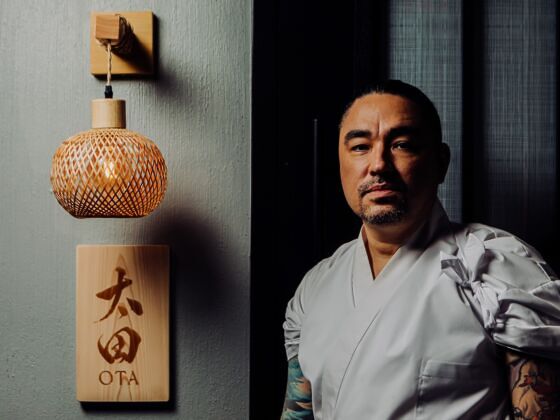
Photo: Joshua Foo

How Chef David Utterback Made Omaha, Nebraska One of America’s Best Sushi Destinations

Restaurants + Bars Food + Drink
by Nickolaus Hines Jan 8, 2026

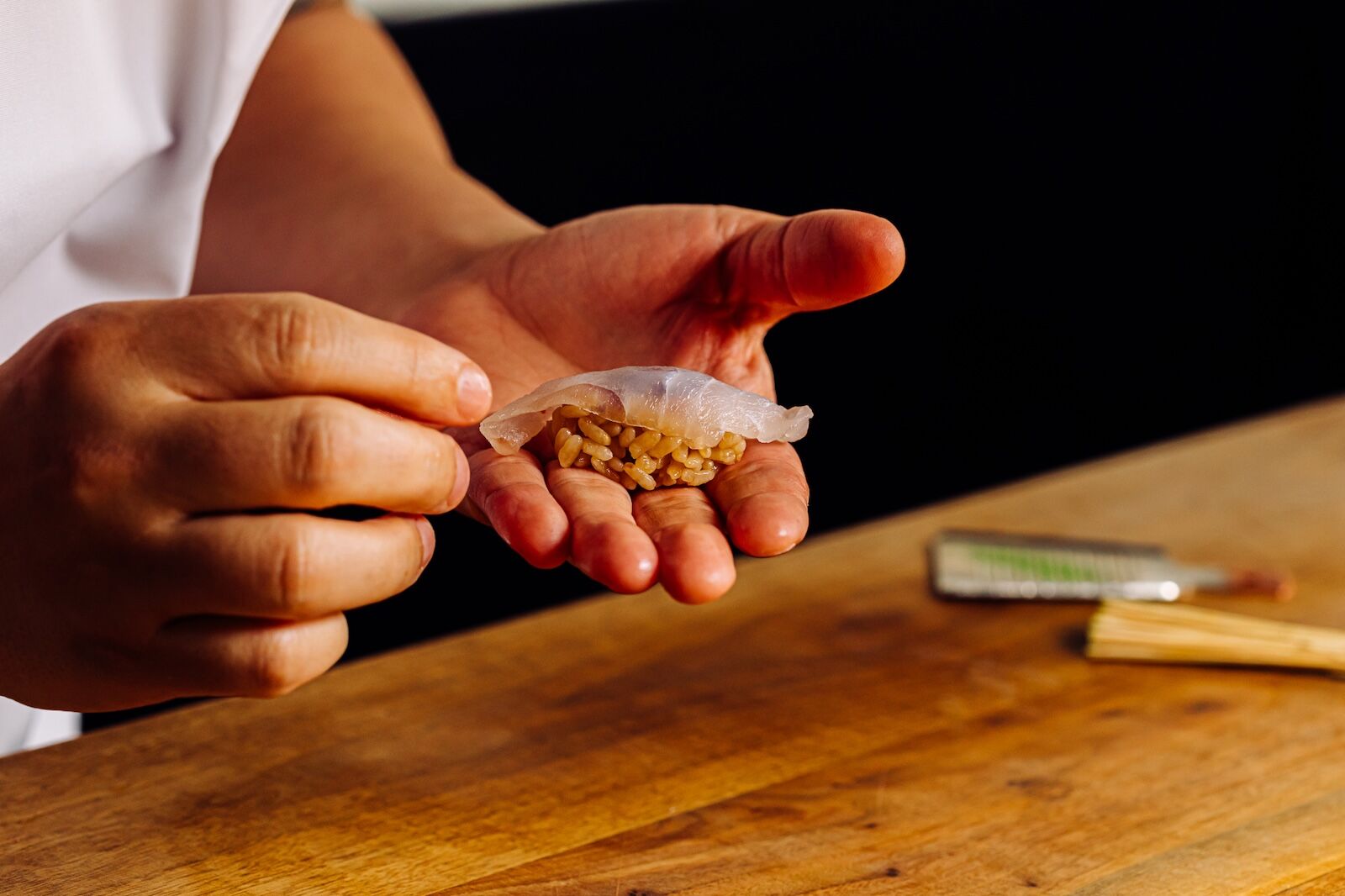
Imagine a single bite of food that encapsulates Omaha, Nebraska. Chances are it looks a lot different than what chef David Utterback — multi-time James Beard Award honoree and renowned local sushi chef — calls “Omaha in a bite”: prairie tuna.

Sushi is typically thought of as a piece of fish and rice in the United States, Utterback tells me over the phone. But in Japan, the ingredients change depending on local ingredients. And what’s local in Nebraska is great beef. Hence, prairie tuna is beef over rice.
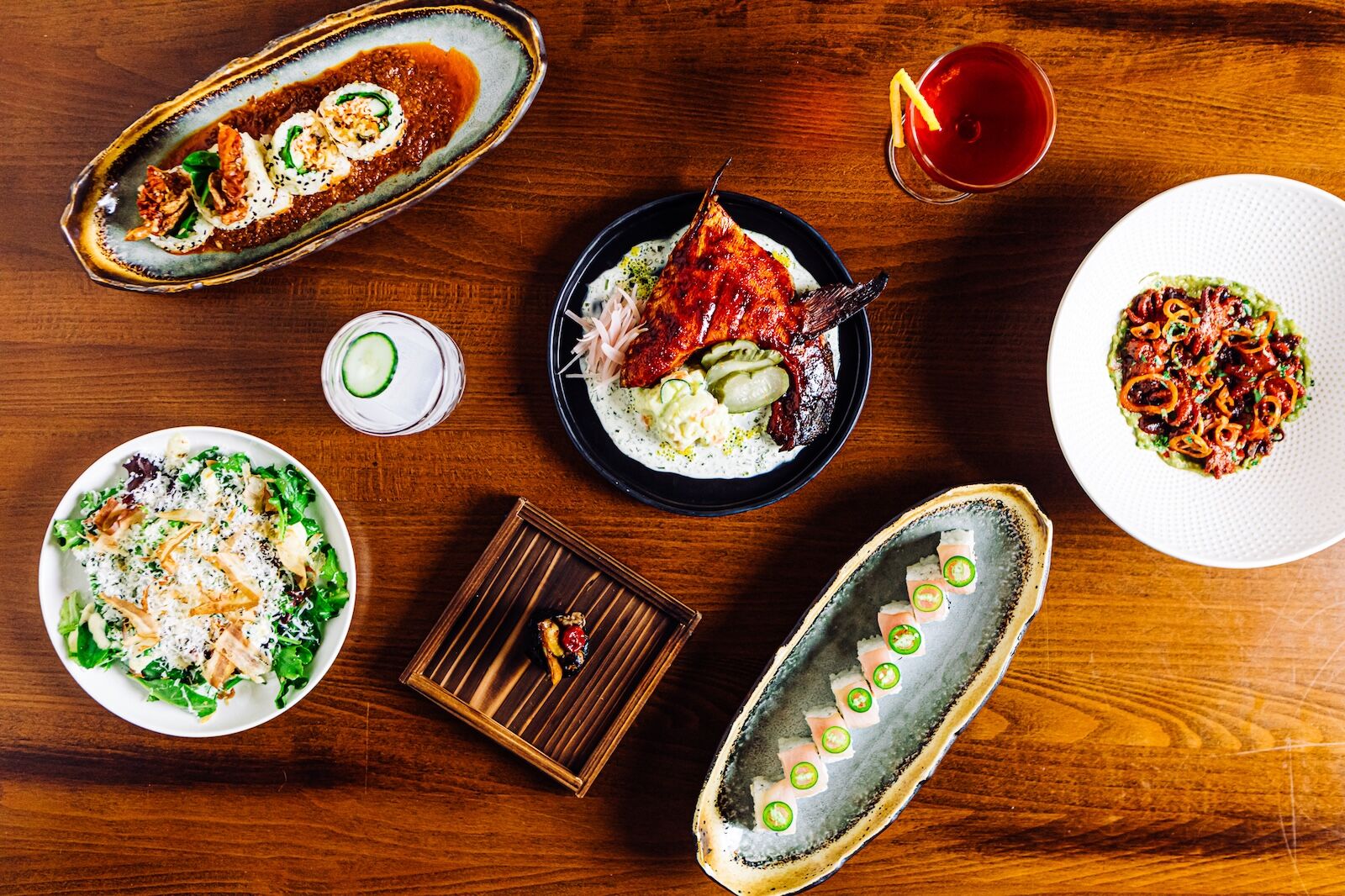
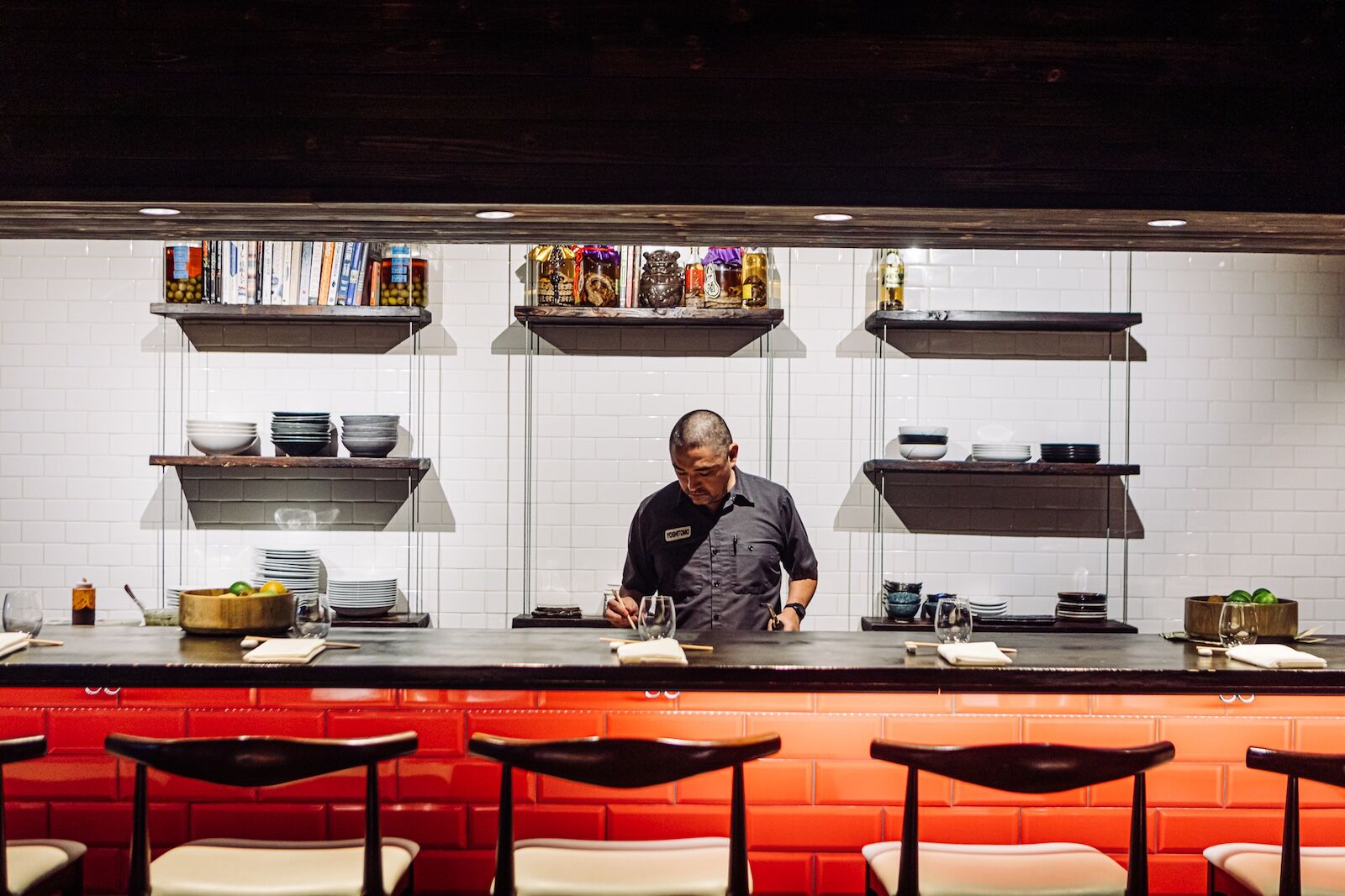
“I think it’s looked down upon in other areas and people say ‘that’s not Japanese food,’ or ‘that’s not sushi.’” Utterback says. “It’s 100 percent in the spirit of Japanese sushi for us to reflect our terroir and our ingredients.”

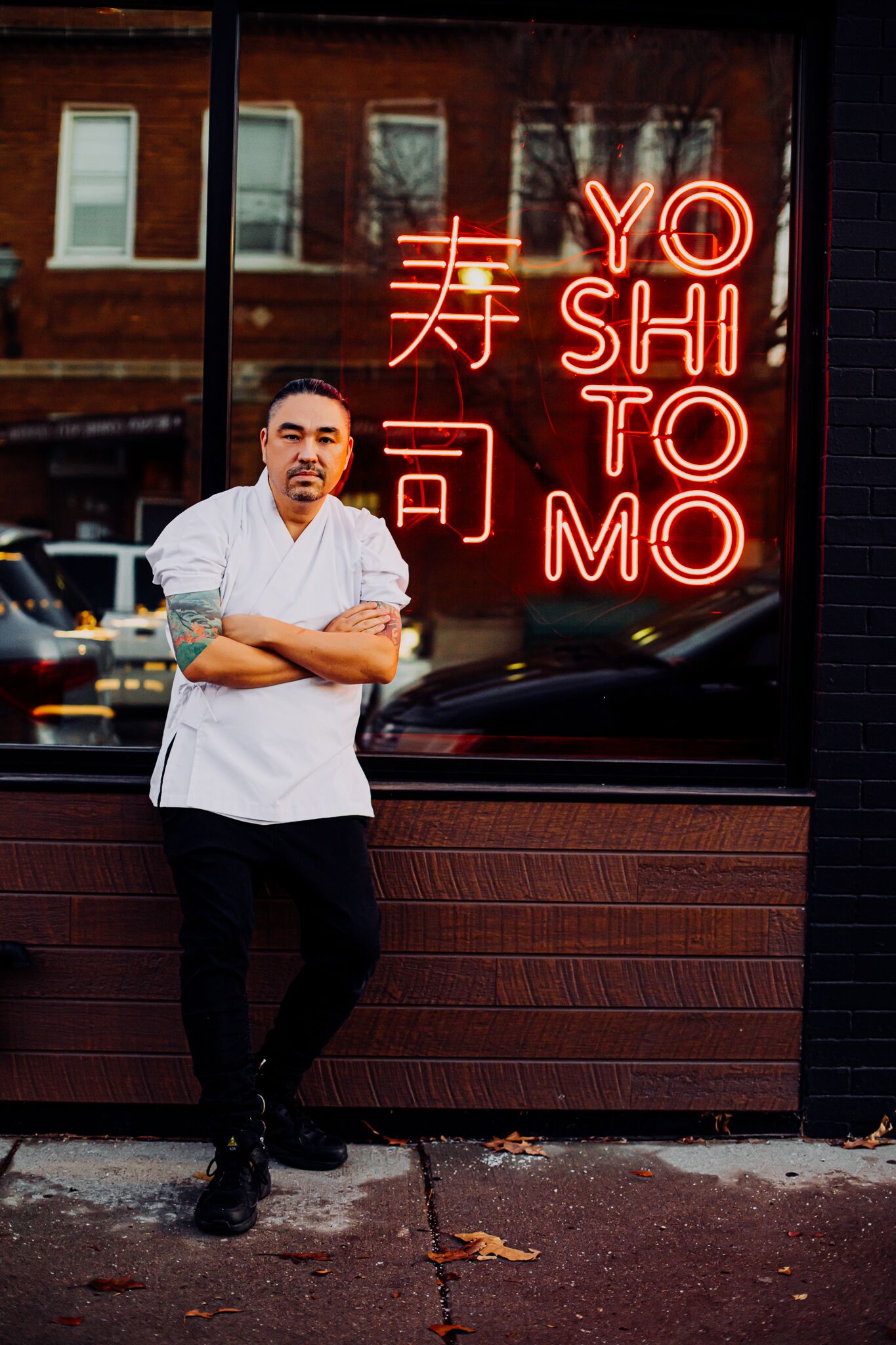
The American wagyu beef comes from co-ops that source in the region, which is then cured for a couple days in koji, a fermentation starter with a long history in Japan that’s used in everything from soy sauce to sake to break down proteins and create a deep umami flavor. The cured beef is cut, placed over rice, topped with a bit of sea urchin butter and soy, and served to the many guests that flock to Utterback’s acclaimed Yoshitomo.

Omaha is about as far as one can get from the great sushi capitals of the world. It’s some 6,000 miles from Tokyo, 1,200 miles from New York City, and 1,500 miles from Los Angeles. The nearest coast is more than 300 miles away in Texas. Yet Utterback’s restaurants have made waves by focusing on traditional Japanese cooking and high-quality fish despite the distance.

“I think Omaha is one of the best food cities in the country for our size,” Utterback says. “When folks come here from out of town, they’re shocked by the level of restaurants that we have and we punch so much higher than the size of our city.”

Enough, by Utterback’s thinking, to put the geographic middle of the US on the map as a destination for sushi lovers and food lovers more broadly — digs about flyover country be damned.

The building blocks of modern Japanese food in Omaha

Photo: David Utterback

The early food culture in Omaha was guided by the beef industry and steakhouses, says Diane Watson, culinary artist and the local radio station KVNO’s “resident foodie.” The farm to table movement, popularity of food TV shows, and locals who traveled and returned home wanting a taste of the foods they experienced elsewhere helped drive demand for more chef-inspired menus.

“Omaha, like many Midwest food scenes, has taken its cue from its residents first, and the coastal influences next,” Watson says. “With such a rich tapestry of immigrants, multicultural food defined and shaped the Omaha dining scene and continues to today.”

Omaha’s first Japanese restaurant, Mt. Fuji Inn, opened in 1965. It was also the first to bring sushi to the city in 1983 after an initial menu that blended Cantonese, Japanese, and American cuisine.

“This restaurant was huge in bringing Japanese food to Omaha,” says Omaha food critic Sarah Baker Hansen.

Mt. Fuji closed in 2017, but its influence continues. Sushi was just starting to enter the average American diner’s radar in the ‘80s after a handful of California restaurants saw success in the ‘60s. In Omaha, Sushi Ichiban opened in 1986 (renamed Sakura Bana in 2007), and was “instrumental in introducing Midwesterners to sushi” along with Mt. Fuji, Hansen says.

“Much later, when I was writing about food for the World-Herald,” Hansen says, “sushi was firmly established in Omaha – in no small part thanks to David Utterback and another chef, Keen Zheng, who moved to Omaha from New York and opened Umami, in Bellevue, a suburb of Omaha. They together introduced omakase to Omaha – it has become a coveted, special experience in the city.”

Photo: David Utterback

Utterback’s father was in the military and his mother is from a small island west of Okinawa. He was 10 when his dad received orders to relocate to Omaha in 1991. Real Japanese ingredients were scarce in the Midwest at that time. Utterback describes his experience with Japanese food growing up as “skewed” to fit what was available — spaghetti noodles replacing yakisoba, Spam in the fried rice similar to what his mother knew from the war rations during the Okinawa occupation following WWII. For birthdays and sometimes Mother’s Day, Utterback’s family would eat from one of the few sushi restaurants in town.

It wasn’t until Utterback started working at a local sushi restaurant that he took a deep dive into the cuisine. It was a stark contrast to the thick and heavy Japanese-American food he grew up with. Flavors are far more subtle in traditional Japanese cooking. Utterback’s preference for bold, strong-tasting dishes worked into his cooking instead of being replaced.

But first, he had to learn the original. In 2009, Omaha’s fine-dining scene was starting to come of its own with places like The Boiler Room, and Grey Plume a year later, Hansen says. That was the same time that Utterback wanted to become a sushi counter chef.

There were only a smattering of true sushi counters in the US then, primarily on the coasts, and few opportunities to apprentice, he says. He practiced on his own and started reaching out to restaurants to see if they would host him on off days. This was in the earliest days of Instagram before every person, business, and location had an easy to find account, if they had an account at all. Utterback would read popular food blogs and reach out to chefs in various cities on Facebook. People would say yes, and he would pack up his car for trips as he slowly started to grow his craft just as the sushi counter revolution was happening across the US.

Photo: David Utterback

He didn’t restrict himself to places he could get to by car. Working with sushi chefs in Japan after a formative trip in 2008 helped take Utterback to the next level. He befriended Hiroyuki Sato in Tokyo, who runs the sushi counter Hakkoku in the Ginza neighborhood, and was invited to make sushi there.

“This is where everything started for me,” Utterback says. “Getting to come back yearly and pop-up in Ginza as a Western, self-taught sushi chef is unheard of. All of this happened through friendships and serving people sushi one by one over the last decade.”

Utterback’s interest and dedication to learning the trade took hustle that looks a lot different than the path one would take today. Sushi counters are booming across the country now. Raw fish of all styles is within walking distance no matter which way I go from my house in the middle of Denver. Small mountain towns have high-profile omakase restaurants. The number of casual sushi joints in towns across the country perhaps speaks even more to its popularity than the fine dining spots.

Few Americans have reached the level that Utterback has achieved from his base in Omaha. He still regularly goes to Japan and brings his style of sushi to pop-ups there. Utterback says he finds the most success when cooking the things he wants to eat — even if that means being worried about coming off too strong at his Japanese pop-ups as the “American chef who brought his hot dog sushi to Japan” — but appreciation for his flavors crosses oceans.

Utterback’s Omaha restaurant kingdom

Photo: Joshua Foo

Utterback opened Yoshitomo in 2017 and it quickly became the standard bearer for sushi in Omaha (and not just the beloved prairie sushi). In 2022, he opened Koji as a concept based off a classic Japanese izakaya, or bar that serves small plates, with Midwest crossovers. Ota, an upscale and intimate eight-seat omakase, followed the next year and established itself as the premier, destination-worthy sushi experience in the city.

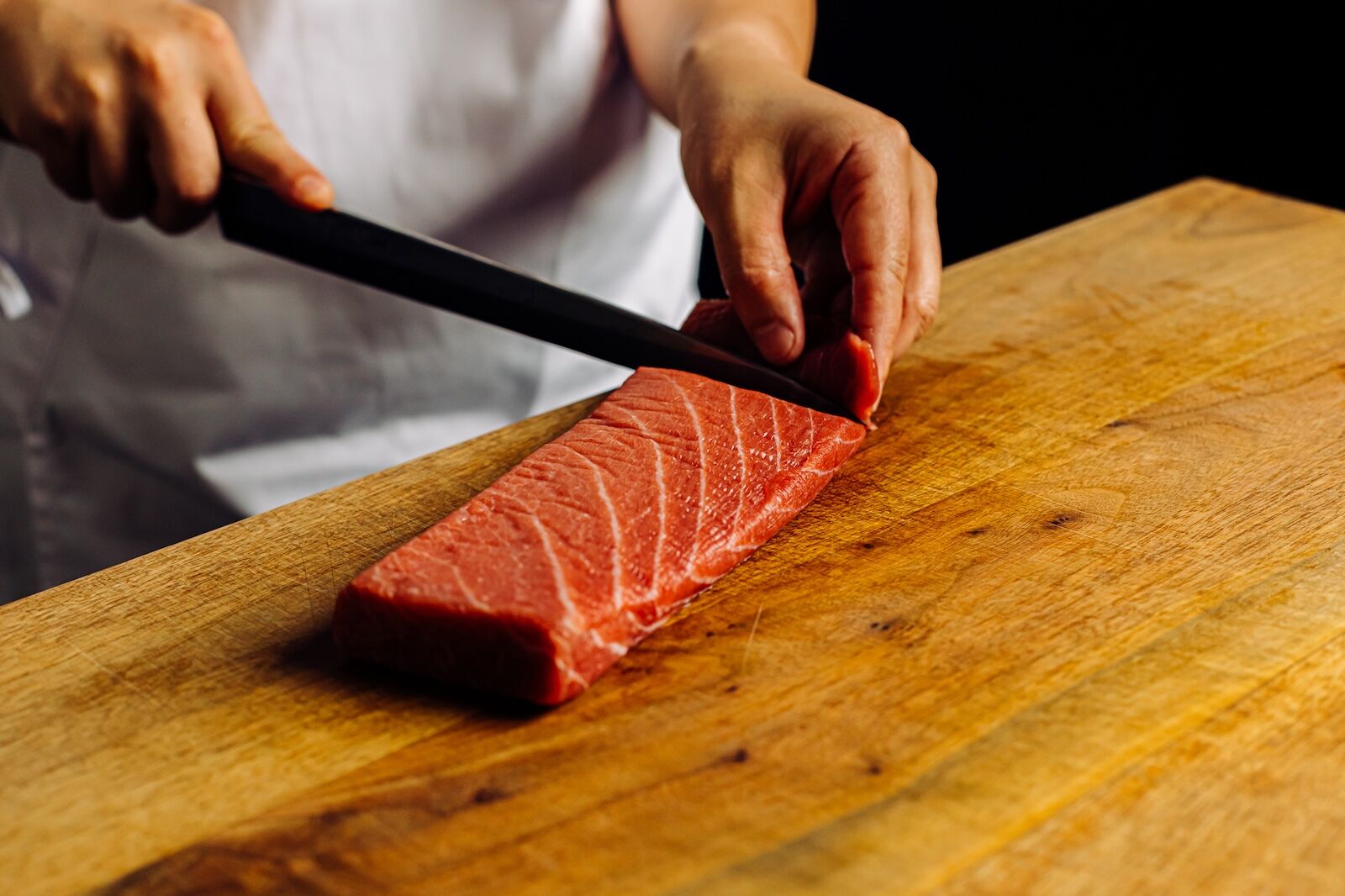
Ota is an ode to Edomae-style sushi, which originated in 1800s Tokyo using techniques like marinating, curing, and preserving raw fish. The highest level of sourcing is important, and Utterback is one of the rare chefs in the States that gets imports from Yamayuki, who supplies some of the best tuna to Michelin restaurants in Tokyo. Technique plays an equally important role.

Photo: Joshua Foo

About eight years ago, Utterback learned about a chef in Japan who was dry-aging his fish in a way that adds a new layer of flavors and aromas. He booked a counter seat on his next trip.

“I’d never tasted anything like that,” Utterback says. “When I came home, I thought, ‘We’ve got to do that, too.’ But these techniques, they didn’t exist before. He created them. He has no apprentices and no one else in the world other than one or two other guys were doing it.”

So Utterback and his team started experimenting. The first attempt was with a 40-pound yellowtail. They cleaned it, stuffed the cavity with paper towels, put it in a large garbage bag, and sucked the air out with a straw before burying it in a chest of ice. The process repeated every day for the next 60 days. It was a success.

Dry-age fish is still uncommon today, but it’s no longer unheard of (primarily done with dedicated dry-aging equipment rather than the laborious manual method). Utterback was one of the first five or so to specialize in the technique, he says, and it’s become a staple at his restaurants.

It’s hard to imagine dry-age fish being popular in Omaha a decade ago. Times have changed. As Utterback and other chefs in the city continue to get more national attention, it’s clear that Omaha is becoming a bonafide food destination.

“Continued local interest in food only keeps growing,” Hansen says. “James Beard Award nominations are very important to the local chef community, and when an Omaha chef finally wins one, which I believe is a long overdue recognition for the city, it will be a huge moment for Omaha chefs, restaurants, and diners. We all work hard to put our city and state on the map – it is easy to forget about Nebraska – but it’s time for that to change.”

Photo: David Utterback

Against all odds, Utterback has put Omaha on the map for sushi. In 2023, the Washington Post wrote a feature on Utterback that declared “one of America’s best sushi restaurants is in Omaha.”

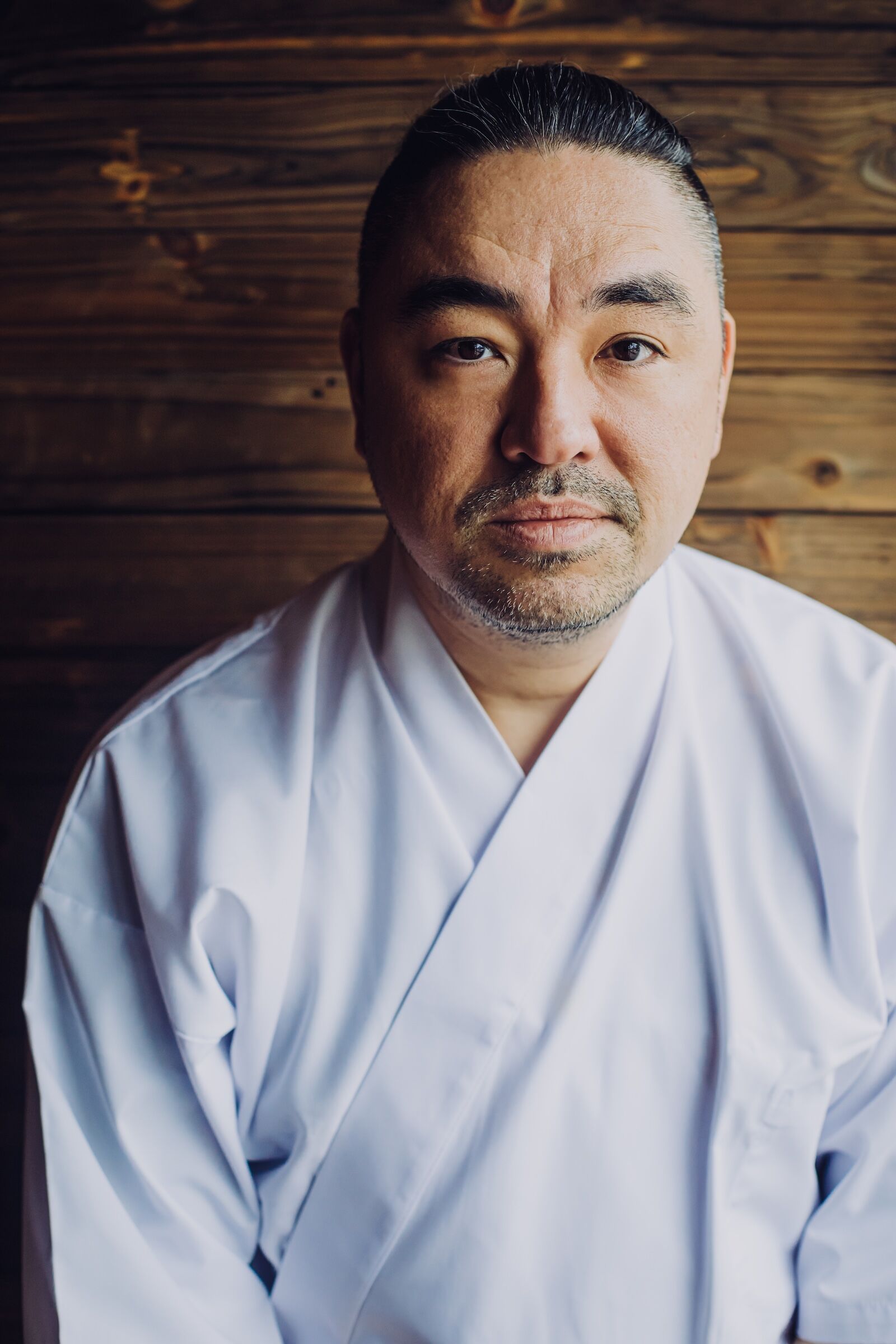
Yet Utterback stays humble. “At the end of the day, I’m just a cook man,” he says near the end of our call. A cook who has managed to make the middle of the country a destination for fish-centric cuisine, with a twist that blends Nebraska with Japan.

Discover Matador

Save Bookmark

We use cookies for analytics tracking and advertising from our partners.

For more information read our privacy policy.