After years of delay, travelers planning a trip to Europe in 2026 will finally need to prepare for a major change when they enter the European Union. After roughly four years of delays, the EU is in the process of rolling out new entry requirements that mean extra work for American passport holders — and potential delays for those who fail to plan in advance.
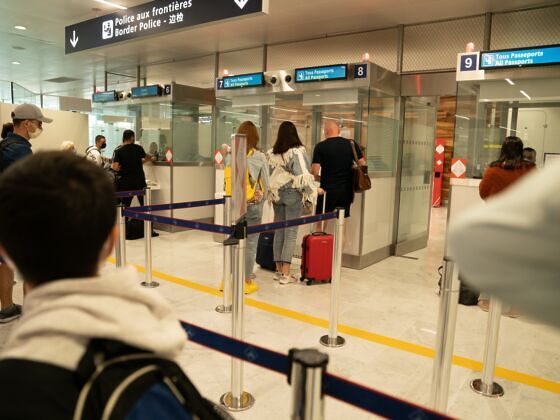
Photo: Hayk_Shalunts/Shutterstock
The 2 New Entry Requirements Travelers to Europe This Year Need to Know
The new requirements include two steps: an enhanced Entry/Exit System (EES), started in October 2025 but fully rolling out in April 2026, and the new European Travel Information and Authorisation System (ETIAS), scheduled to begin in late 2026.
The first phase of the new requirements began on October 12, 2025, when the EU began the Entry/Exit System across its Schengen Area (a coalition of 27 member countries that do not require passport checks to cross borders), beginning the process of replacing manual passport stamps with digital biometric checks. That process will be fully complete by April 10, 2026, at all entry points. For foreign travelers, this is likely to slow down the immigration process at first. All non-EU visitors, including Americans and Brits, will have their fingerprints, facial images, and passport data recorded during their first entry. That info will be saved to track travelers’ movement across the Schengen zone. Travelers from the US are allowed to stay for up to 90 days without a visa.
However, the second new requirement will require US travelers to do travel paperwork before their trip begins.
ETIAS: Americans need pre-authorization to visit 30+ European countries

Photo: Tanya Keisha/Shutterstock
The more significant change for American travelers is the European Travel Information and Authorisation System, or ETIAS. Citizens of visa-exempt countries, including Americans, Canadians, Australians, Brits, and many others, will need to apply for the digital travel clearance before crossing into the EU. The application requires travelers to provide personal information, passport information, travel plan information, and answer a few basic questions about their history and health. Most applications are expected to be approved automatically within minutes, though some may be flagged for manual review, which can take a few extra days. Applicants between ages 18 and 70 also need to pay a 20-Euro (about $23) fee per person, payable by credit card online.
Why is the system being introduced now?
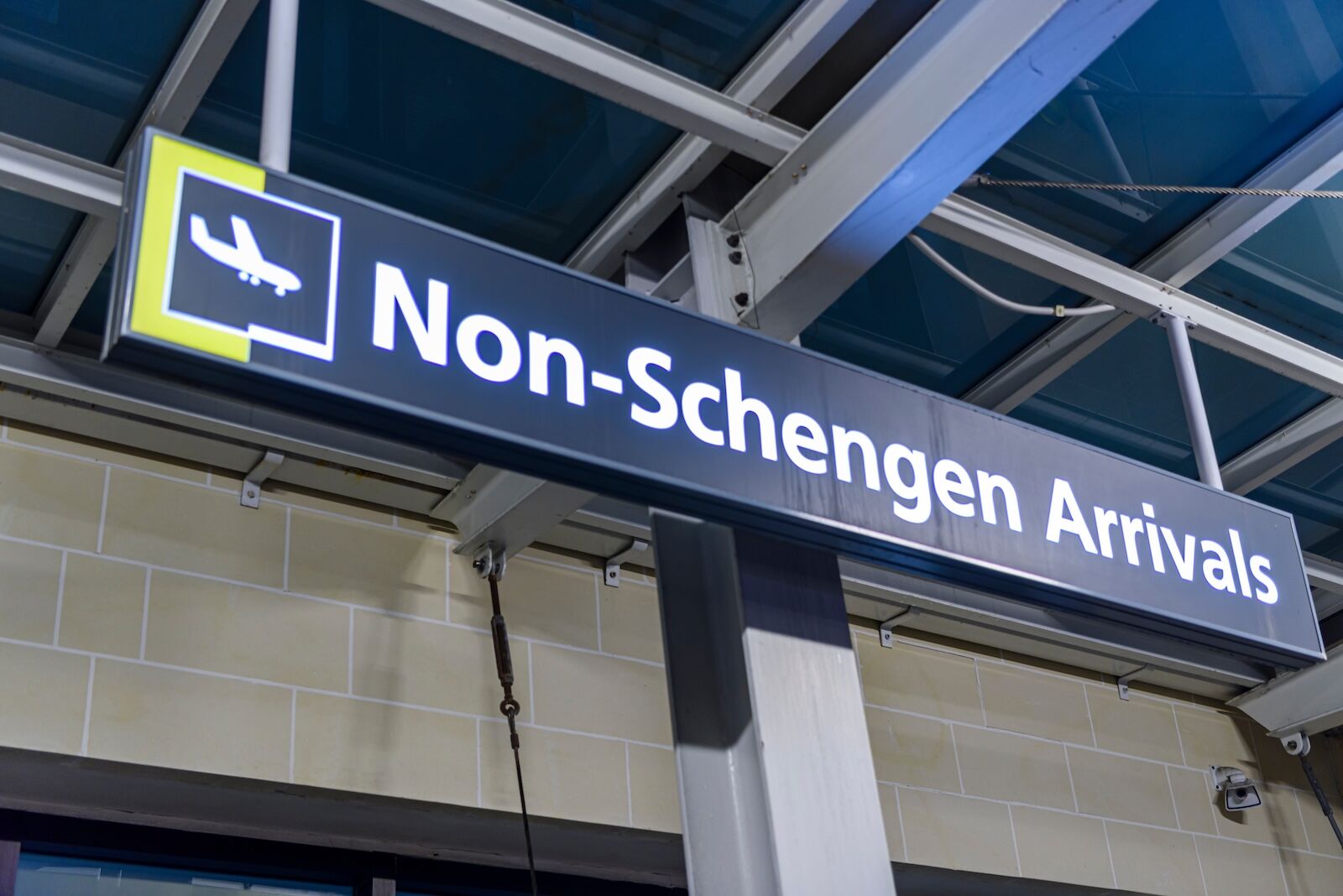
Photo: Stephen Barnes/Shutterstock
Officials say the technology will boost security and border efficiency, help detect overstayers, identify people who may be security or health risks, and reduce identity fraud. They point to the fact that other countries have similar systems, such as the US’s Electronic System for Travel Authorization (ESTA) and United Kingdom’s Electronic Travel Authorization (ETA). However, some critics have suggested the new requirement is partially punitive, punishing the UK for Brexit and the United States for political and policy action that some think push the boundaries of international cooperation.
The new system could also lead to operational benefits and efficiencies, including shorter lines and faster processing for low-risk travelers once they arrive, as most of the data that would normally be collected at an immigration window is provided in advance. However, as many travelers don’t yet know about the rules, it’s currently causing extended delays during the phasing-in process. Some critics also question the 20-Euro cost, as the original proposal for the system included a seven-Euro fee, nearly triple the amount originally proposed.
How it compares to other countries

The system is similar to the US’s ESTA system. Photo: Colinmthompson/Shutterstock
Though the new system adds extra steps for US travelers accustomed to fairly unrestricted travel through Europe, it’s comparable to what other countries, the United States included, require of international visitors.
In the United States, the ESTA requires travelers from visa‑waiver to enter passport details and basic personal information, plus answer some basic security‑screening questions, before entering the country; airlines are required to check this info before letting passengers board. Like ETIAS, the US’s ESTA allows visitors to travel without reapplying for a certain amount of time (usually two years, with stays of up to 90 days allowed). It’s more expensive than the new EU fee, at $40 per person. However, the current Trump Administration has begun tightening immigration requirements and raising fees for visitors from some countries, so this system could shift or become more restrictive in the coming months or years.
In 2025, the UK announced its own program very similar to both ESTA and ETIAS. It went into effect on January 8, 2026, and also requires visitors to apply online for electronic travel authorization in advance.
What travelers planning to visit Europe should do now
For now, travelers to Europe do not need to apply for ETIAS — the system is not yet operational. But visitors planning trips in late 2026 or beyond should follow official EU ETIAS updates page and prepare to apply online before departure. As of January 2026, the application system is not yet open. EU officials say it will be accessible a few months before the system goes into effect.
In the next few months, visitors to the EU should allow for extra time at the border for the initial biometric data collection as part of the EES program. That may mean planning for longer layovers, especially in large airports like Frankfurt or Amsterdam Schiphol. 