Photo: Unai Huizi Photography/Shutterstock

The Top 9 National Parks and Reserves in Kenya To Visit in the Fall

Kenya Wildlife National Parks
by Suzie Dundas Aug 4, 2026

Kenya may be only roughly the size of Texas, but it takes environmental protection seriously, with a whopping 27 national parks. And that’s not counting national reserves like Samburu, Maasai Mara, or private and community-run reserves, like LUMO conservancy.

Most travelers have heard of Nairobi National Park in the country’s capital, and well-read travelers may have heard of Tsavo East and West national parks or the flamingos of Lake Nakuru. But there are more than two dozen for visitors to see:
  • Aberdare National Park
  • Amboseli National Park
  • Arabuko Sokoke National Park
  • Central Island National Park
  • Chyulu Hills National Park
  • Hell’s Gate National Park
  • Kora National Park
  • Lake Nakuru National Park
  • Malka Mari National Park
  • Marsabit National Park
  • Meru National Park
  • Mount Elgon National Park
  • Mount Kenya National Park
  • Mount Longonot National Park
  • Nairobi National Park
  • Ndere Island National Park
  • Ol Donyo Sabuk National Park
  • Ruma National Park
  • Saiwa Swamp National Park
  • Sibiloi National Park
  • South Island National Park
  • Tsavo East National Park
  • Tsavo West National Park
  • Kisite–Mpunguti Marine National Park
  • Malindi Marine National Park
  • Mombasa Marine National Park
  • Watamu Marine National Park and Reserve

And that’s just national parks. In Kenya, there are also national reserves. In general, reserves are on land owned by communities and may have more shared management. For example, the famed Maasai Mara National Reserve is on native land of the Maasai people, who play a key role in managing the reserve and continue to live, farm, and graze on it. For visitors, the experience looks very similar in most cases, whether you’re on a reserve or park. So that gives you another 30 to choose from.

With so many options for national parks and reserves, it’s hard to know where to go. Travelers who want a tried-and-true safari experience can’t go wrong with a few days in the Mara, but beyond that, you’ll need to do some research. Which park or reserve to choose depends on what species you’re keen to see, what mode of travel you prefer, how much you want to rough it, and whether you’re all about photography, hiking, birding, or even volunteering. Consider this a cheat sheet to Kenya’s top fall safari and national park experience, especially ideal for visitors making an autumn trip to the “Pride of Africa.”

Amboseli National Park

amboseli national park - kenya in the fall

Photo: CK-TravelPhotos/Shutterstock

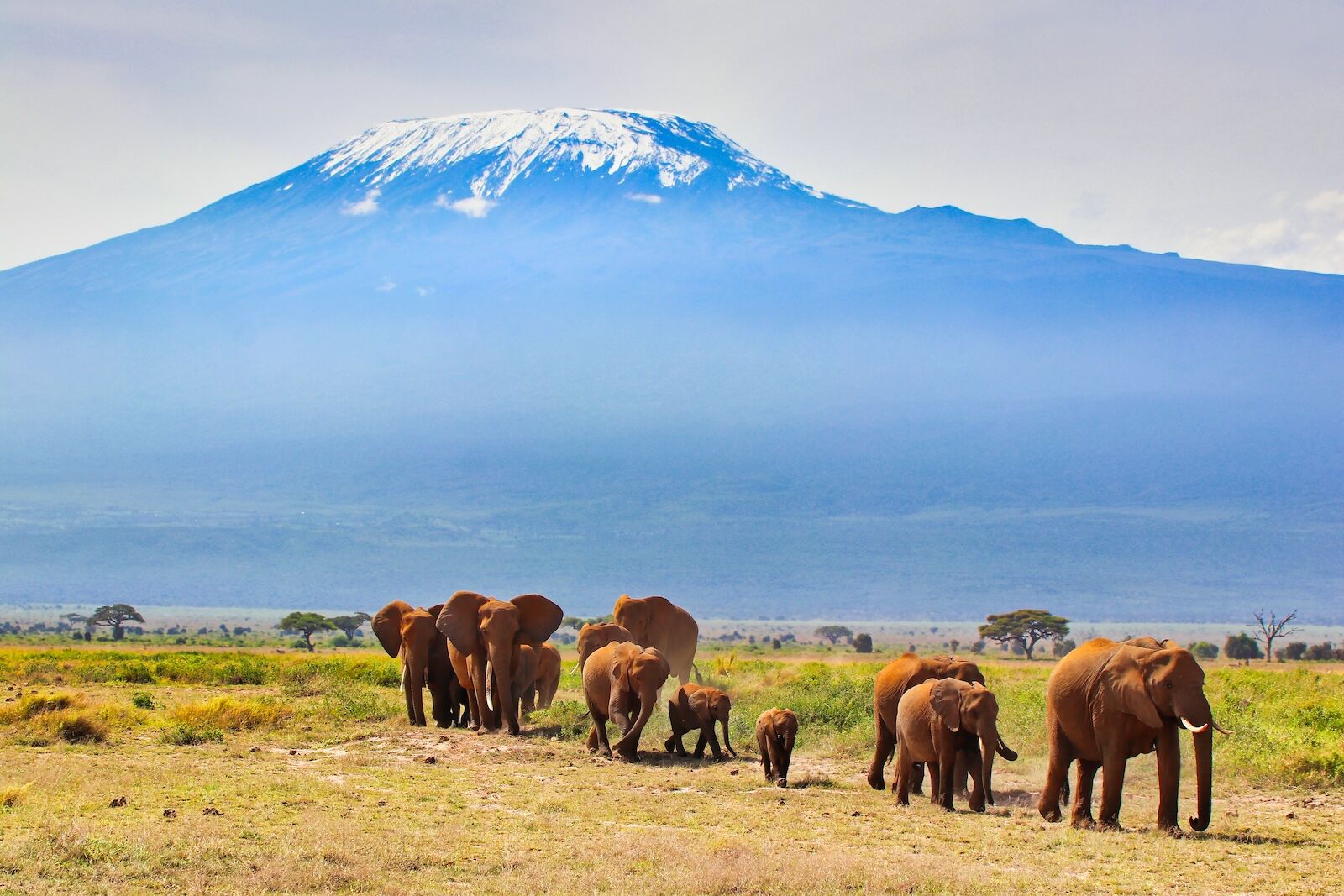
Best visited in September and early October, Amboseli is at its most rewarding this time of year as the dry conditions pull wildlife toward the park’s permanent marshes, making sightings a little more predictable. Plus, clear mornings are when you’ll have the best views of Mount Kilimanjaro. As a park, it’s renowned for the large elephant herds that move across the open plains beneath the mountain. That makes Amboseli less about ticking off the Big Five and more about those herds, the wide-open views, and the birdlife, which is a major draw in its own right.

Stay inside the park for the most convenient access to pre-dawn game drives, or just outside in Kimana, where you can find reasonably priced camps and lodges, many of which include game drives.

Aberdare National Park

Aberdare national park - kenya in the fall

Photo: Rich Carry/Shutterstock

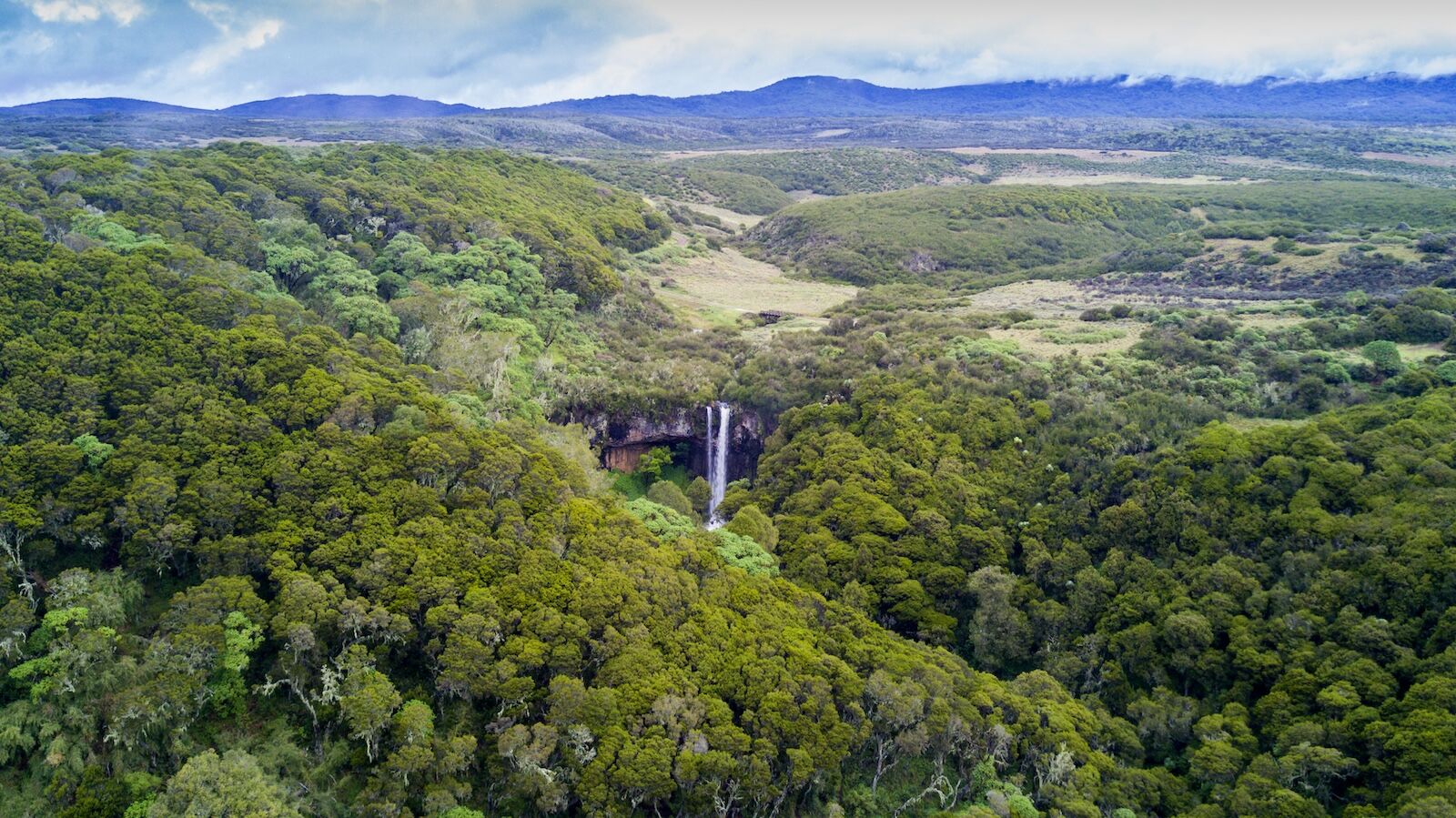
Travelers looking for something more unique than your standard game drives through the savanna should head to Aberdare National Park in September or early October, before heavier rains bring persistent mist and road closures. Here, you’ll find dense montane forest, deep ravines, waterfalls, and bamboo slopes in an atmospheric experience that feels more like a wooded wilderness retreat. Here, you’ll be on the lookout for elephants, buffalo, giant forest hogs, leopards, and the elusive bongo. If you can, book a night or two at The Ark, a forest lodge overlooking a floodlit waterhole and salt lick, where guests can watch animals gather after dark from dedicated viewing decks and a ground-level photographic hide.

Lake Nakuru National Park

lake nakuru flamingos - many birds

 Photo: FOTOGRIN/Shutterstock

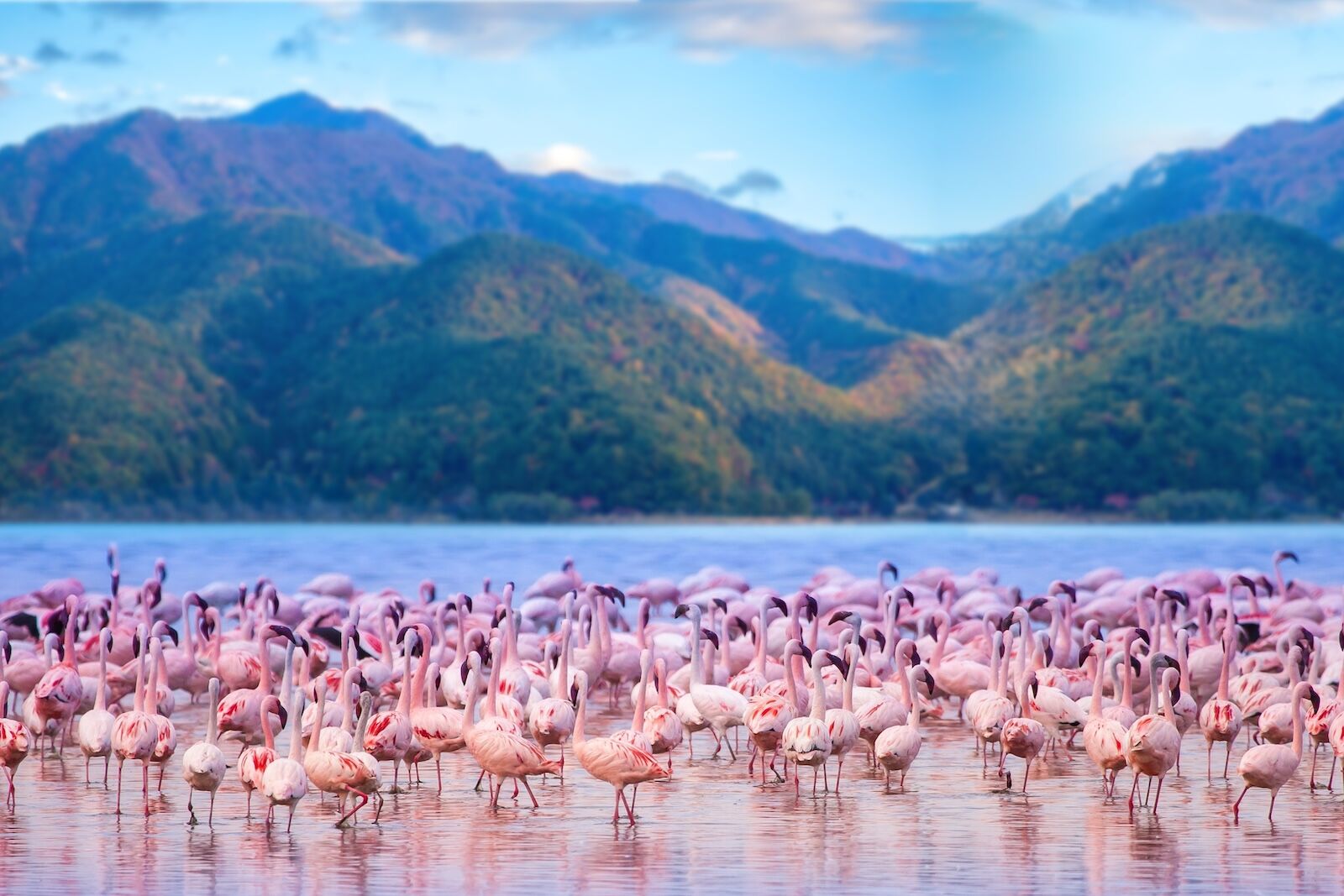
Lake Nakuru is a dependable choice throughout September, October, and November as this is when the park is likely to have the most flamingos in its namesake lake, photos of which are what first made the park famous. But in addition to scores of flamingos, you’ve also got a good chance of spotting black rhinos, white rhinos, Rothschild’s giraffes, buffalo, leopards, and lions. Most visitors come for the flamingos or the rhinos; because of the park’s compact size, it’s possible to find both with only one or two game drives in the park. Lodges inside the park are the most convenient for maximizing your time, but nearby Nakuru has more budget-friendly options. The park sits about a three-hour drive from Nairobi.

Nairobi National Park

giraffe at nairobi national park - kenya in the fall

Photo: Grace Nandi/Unsplash

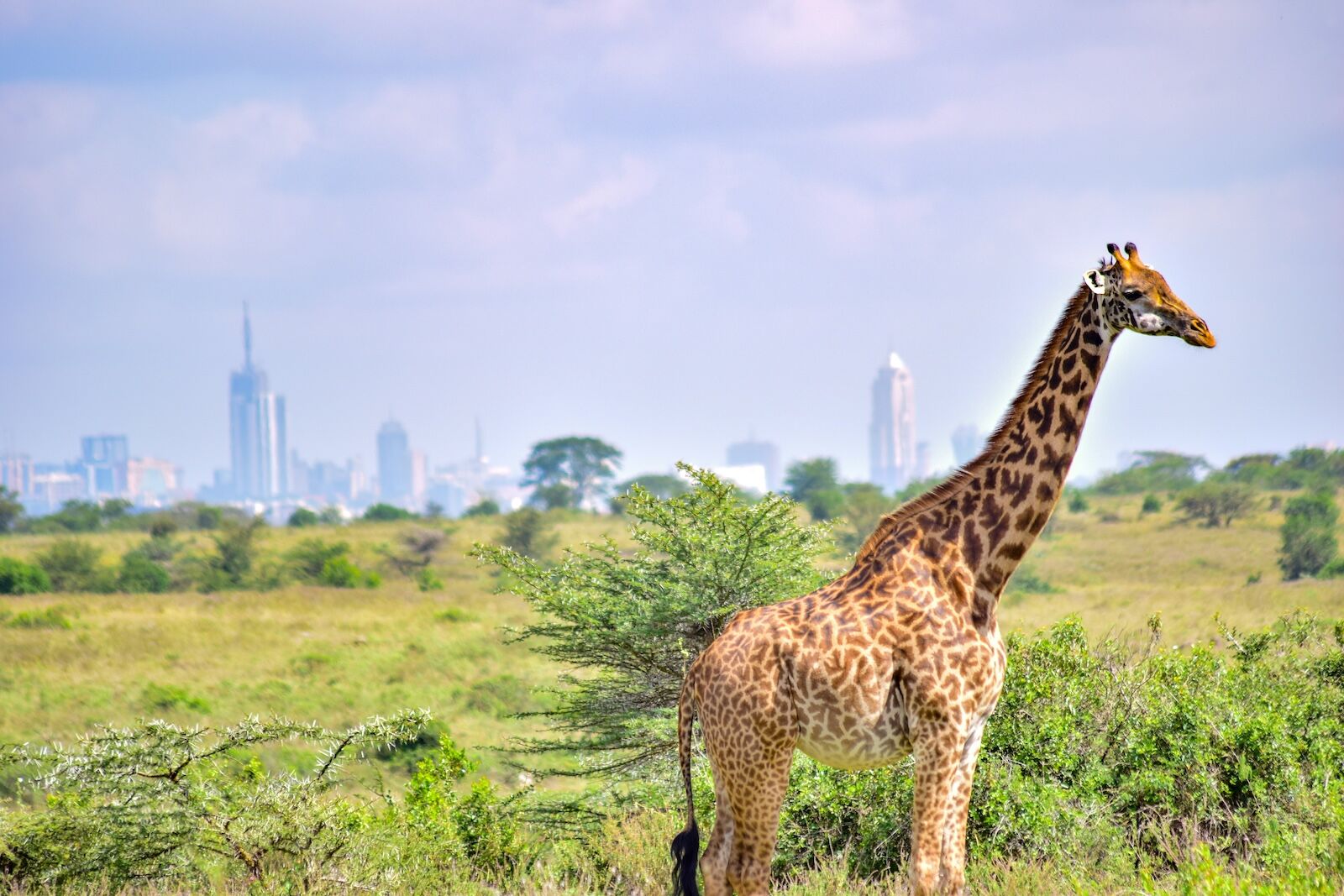
There’s not really a bad time to visit Nairobi National Park, since the convenient location means you can always just try again another day if the weather doesn’t cooperate. September usually offers drier roads and shorter grass, while October and November bring greener scenery and increased bird activity. The park is probably most renowned for its views of rhinos, lions, giraffes, buffalo, and plains game against the backdrop of Nairobi’s skyline. You only need about half a day for a game drive, so you can even use it as a last-day activity if you have a late-night flight home. The main gate is only about five miles from central Nairobi, but budget 30 minutes with traffic.

Hell’s Gate National Park

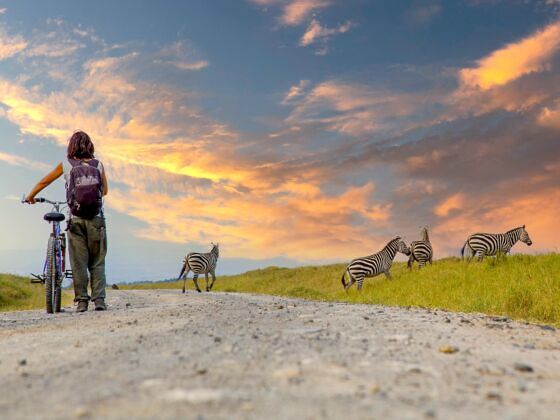
zebras at hells gate kenya

Photo: antony trivet photography/Shutterstock

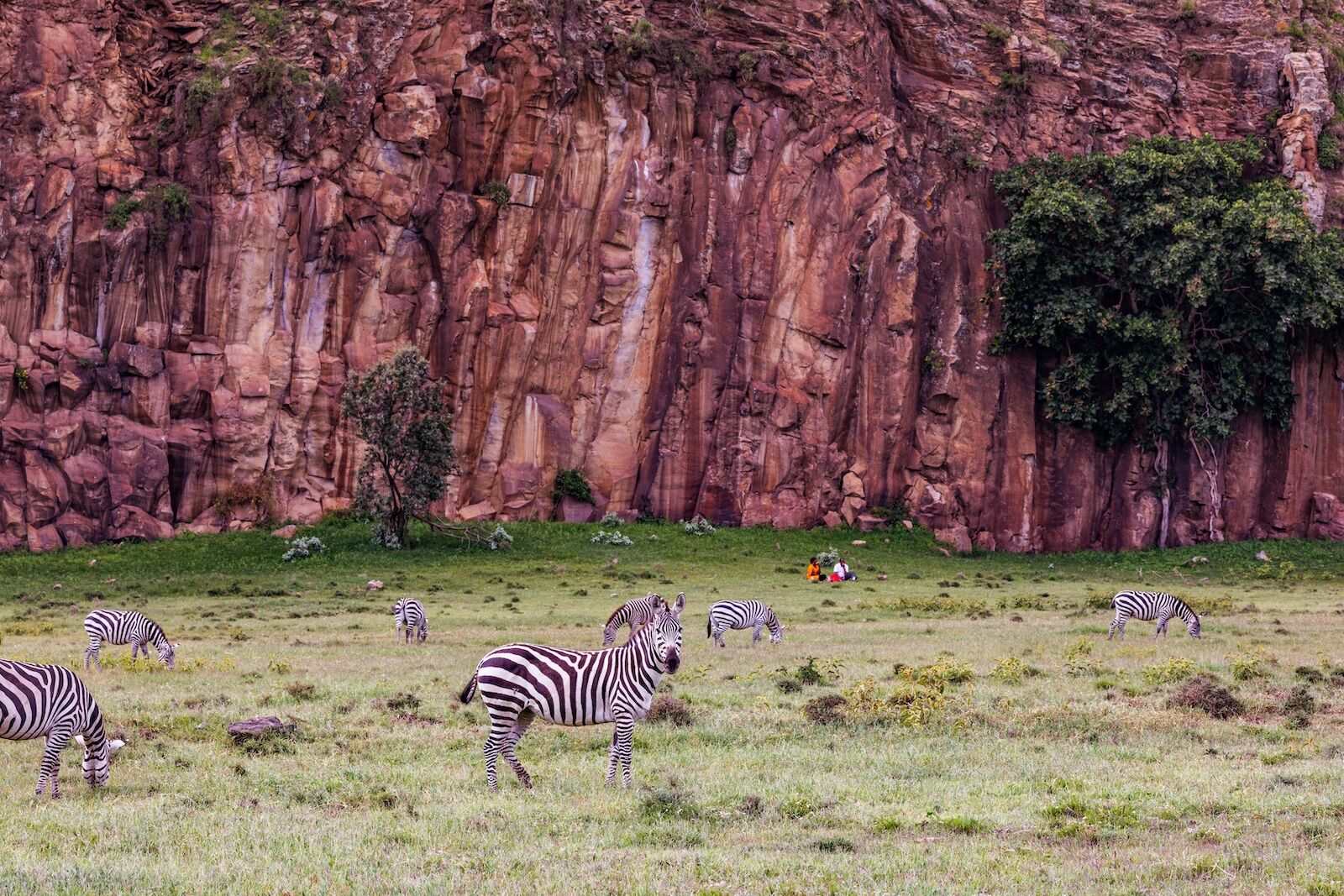
Hell’s Gate is best visited in September or October, when the trails are drier, creating better cycling conditions — yes, cycling. Unlike Kenya’s traditional safari parks, Hell’s Gate is designed for exploration outside of the safari car. Visitors can bike past zebras, giraffes, buffalo, and antelope, hike beneath towering cliffs, and see volcanic rock formations and geothermal vents at close range. That makes it better suited to visitors who like to stay active, rather than those seeking dense (and easily spotted) concentrations of wildlife or major predators.

Most people stay in the Lake Naivasha area, especially along Moi South Lake Road near Elsa Gate. From Nairobi, the drive usually takes two to three hours, so while it does work as a day trip, you’ll want to stay at least one night for a full experience.

Maasai Mara National Reserve

kenya in the fall - maasai mara cheetah

Photo: Suzie Dundas

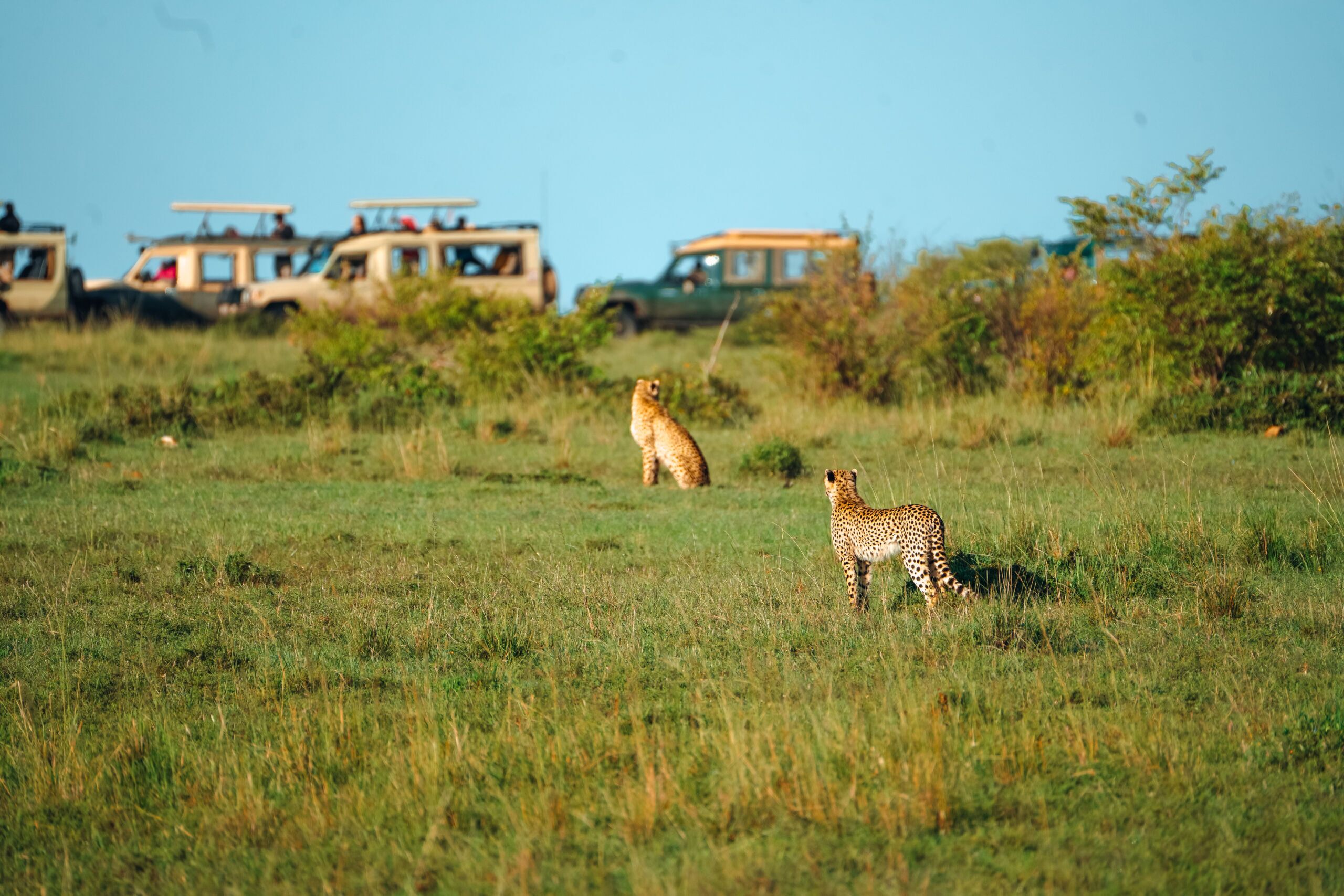
September and early October bring the Maasai Mara’s most dramatic safari conditions, with the Great Migration often still moving through the reserve and dry weather making wildlife easier to locate. This is the place for classic big-game spectacle and is usually the first national park or reserve most visitors to Kenya see. Even when the migration is less active, the Mara remains one of Kenya’s strongest predator destinations, so game drives tend to be consistently rewarding. The tradeoff is popularity, especially around the Mara River, where sightings can attract dozens of vehicles. If you linger into November, you may be taking your chances with the occasional rain storm, but the reward is far fewer people (and more affordable hotel rates).

Staying inside the reserve provides the easiest access to early-morning and late-afternoon drives, but this is such a popular tourist destination that you’ll find everything from multi-day budget camping trips from Nairobi to luxury lodges with fly-in access just beyond the reserve borders. There’s no shortage of lodging for Mara visitors. It also abuts neighboring conservancies that may allow activities like guided walks, night drives, and off-road wildlife viewing, which aren’t allowed in the reserve itself. Those conservancies also often have multi-day voluntourism activities available, ranging from assisting with wildlife surveys and habitat restoration to camera-trap monitoring or local community projects.

Samburu National Reserve

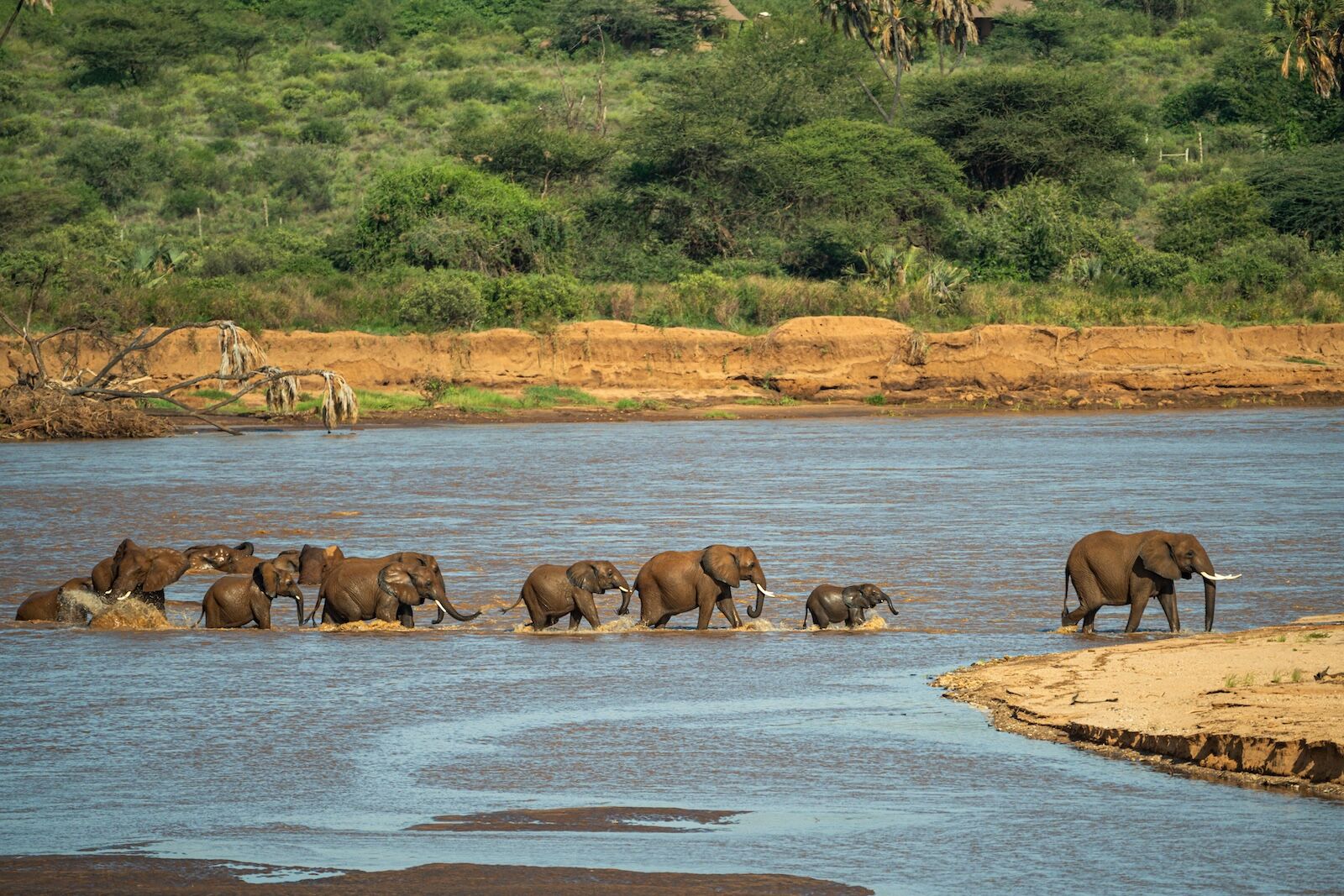
elephants in samburu at river crossing

Elephants crossing the river near Larsens Camp. Photo: Suzie Dundas

For a safari that feels distinctly different from southern Kenya, Samburu is the strongest bet. Early autumn is still dry, so wildlife gathers along the Ewaso Nyiro River. The reserve’s dry hills and rocky plains are home to species rarely encountered elsewhere in the country, including Grevy’s zebra, reticulated giraffes, gerenuk, Beisa oryx, and Somali ostrich. Together, they’re called the “Samburu Special Five.” Elephants are also easy to spot, with family groups frequently drinking near the river.

Many lodges and tented camps overlook the water, allowing wildlife viewing directly from the property. Soroi Larsens Camp has sky beds, so you can sleep under the stars and spend the days wildlife watching from the raised outdoor platform. The reserve is about six hours from Nairobi by road, so most people visit on a scheduled flight to the local airstrip or via a private charter arranged by your lodge or hotel.

Kakamega Forest National Reserve

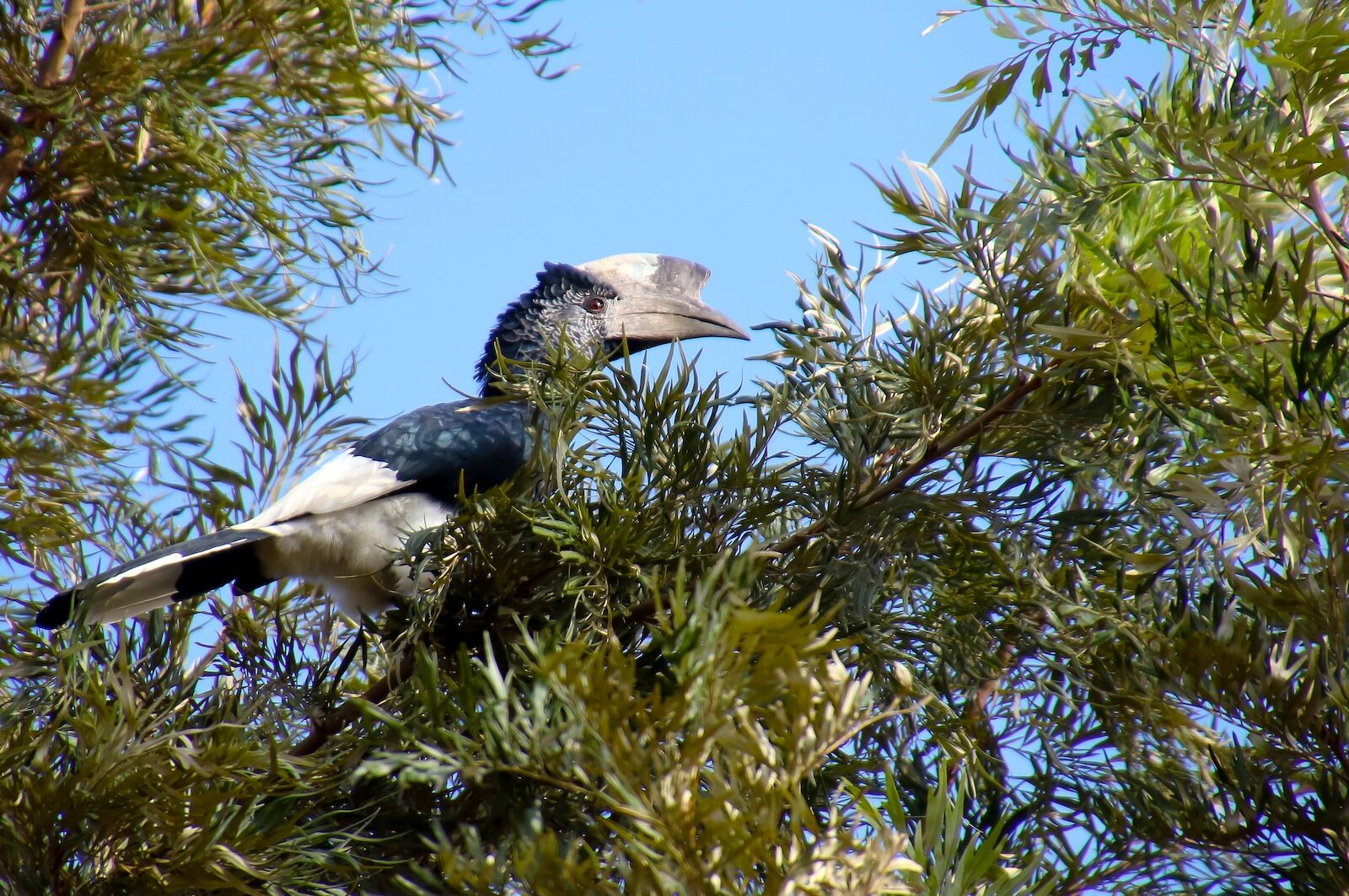
kenya in fall - rare bird

Photo: Bwana Mkubwa/Shutterstock

Guided forest walks, rather than game drives, are what bring most people to Kakamega. September and early October usually offer the most comfortable conditions, with relatively dry trails and less likelihood of soggy, unsafe roots beneath the dense canopy. The reserve protects Kenya’s last major remnant of Guineo-Congolian rainforest and is known for colobus monkeys, De Brazza’s monkeys, butterflies, waterfalls, towering trees, and exceptional birdlife. It’s an ideal spot if you prefer a more immersive, slow-travel-type approach to wildlife viewing.

Reaching Kakamega from Nairobi by road takes most of a day, so the more convenient option is often to fly to Kisumu and continue by car for approximately 90 minutes to the reserve. Lodging in and immediately around Kakamega Forest is limited to a handful of small guesthouses, cottages, and campsites, so most people stay in Kakamega town, about 11 miles from the reserve entrance.

Watamu Marine National Park and Reserve

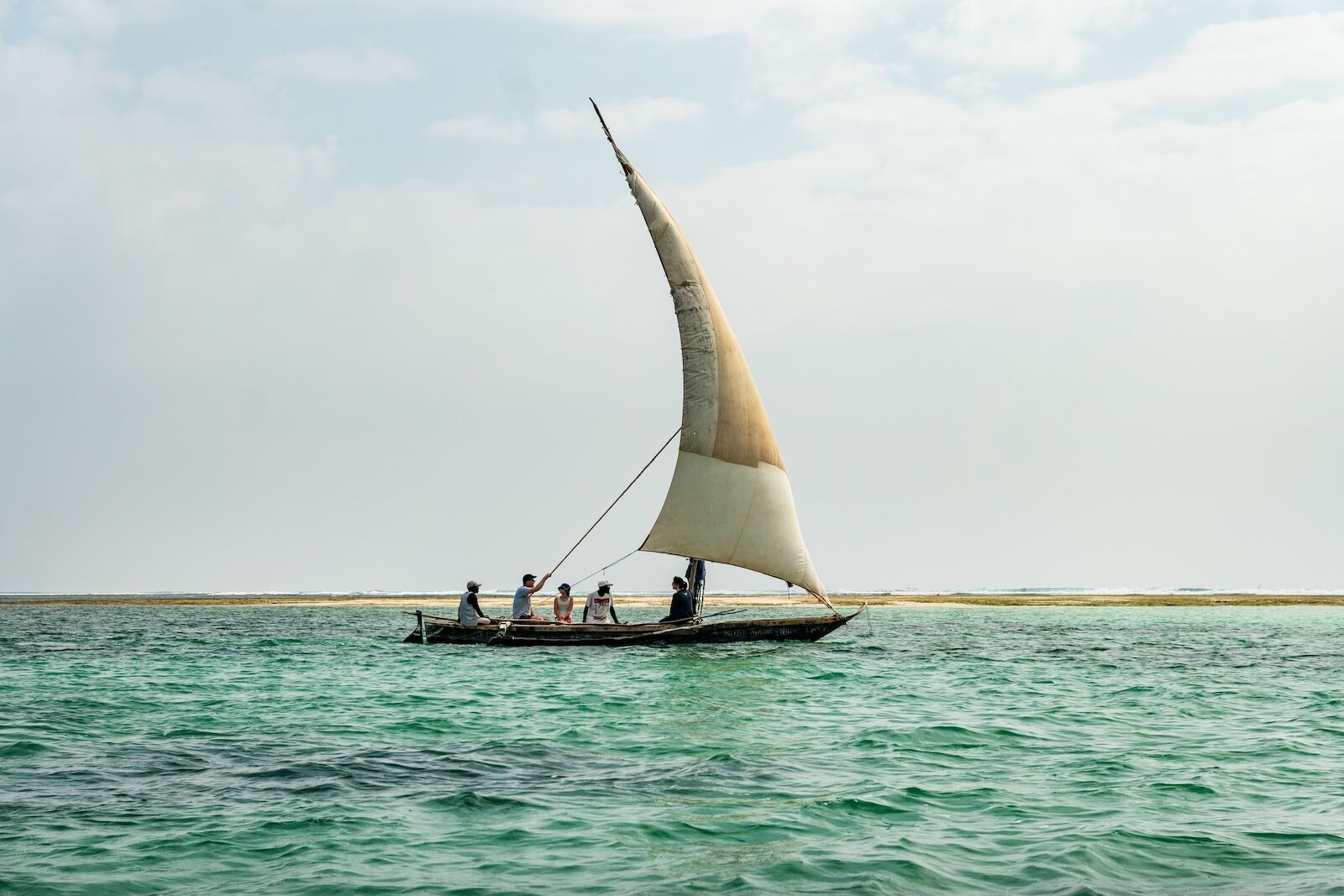
kenya traditional sailing boat

Photo: Melnikov Dmitriy/Shutterstock

Watamu is a good choice for travelers who want to swap game drives for time on the water. By November, conditions are often better for snorkeling, diving, glass-bottom boat trips, and reef excursions, though weather can still vary. The marine park is known for coral reefs, tropical fish, and sea turtles, while nearby Mida Creek is popular for guided kayak trips through the mangroves and sunset cruises on traditional dhow boats. Travelers who want to spend more time on conservation can also sign up for local voluntourism programs focused on sea turtle monitoring and coral restoration or straightforward beach cleanups.

Most visitors stay in Watamu, either near the beach or closer to Mida Creek. The Mida Creek Hotel is a good option for easy access to kayaking and paddleboarding, while Watamu Treehouse can arrange guided paddles and other coastal outings. From Nairobi, the easiest route is to fly to Malindi and continue about 30 minutes by road.

What to expect in the fall in Kenya

Kenya’s fall weather changes quite a bit from September to November. September is generally the driest and most reliable weather month, with warm, sunny days, cool mornings in the highlands, and good road conditions in most safari areas. Around Nairobi and the central highlands, daytime temperatures are typically in the mid-70s to low 80s Fahrenheit, or sometimes warmer, though it can still drop into the 60s at night. Areas around the coast stay hotter and more humid, usually in the low to upper 80s during the day.

October is a transition month. Temperatures rise slightly, clouds begin to build, and scattered showers become more common, but long stretches of dry weather are still possible. This makes October a solid month to visit for travelers looking for light crowds and more affordable rates. By November, much of the country is in the “short rains” season. When it rains, it’s usually in brief, heavy bursts, often in the afternoon or evening, rather than lasting all day. Safari landscapes turn green, birdlife increases, and crowds thin out, though some terrain can get a bit too muddy for hiking. Early December has a short window in which travel is highly recommended, after the short rains have stopped but before holiday crowds pack parks and raise hotel rates.

Discover Matador

Save Bookmark

We use cookies for analytics tracking and advertising from our partners.

For more information read our privacy policy.