Photo: Mo Wu/Shutterstock

Matador Network Awards 2025: Next Big Destination

Estonia Travel
by Matador Creators Dec 5, 2025


Explore all of Matador Network’s
2025 award winners

Estonia has long been relatively quiet when it comes to the top destinations travelers are heading to in Northern Europe. The walled old towns, dark forests, and Baltic islands are things that many travelers only heard about in passing, if at all. In 2025, better flight connections, a stand-out digital nomad program, a standout cultural year anchored by Tartu, and visible progress on sustainable tourism push it into the spotlight as Matador’s Next Big Destination.
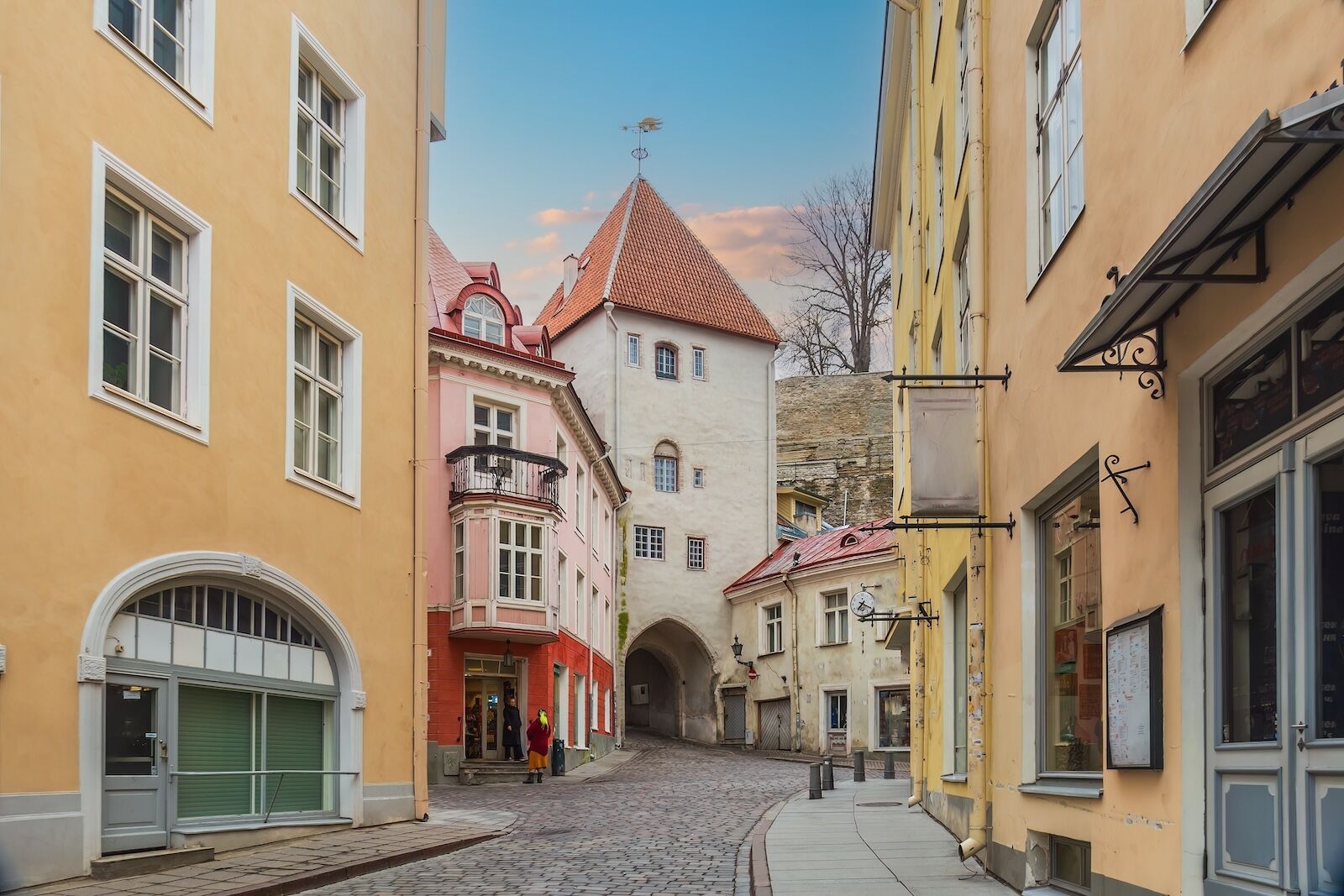
Estonia welcomed about 3.6 million tourists in 2024, a roughly five-percent rise over the previous year. Tallinn Airport hit a record 3.49 million passengers in 2024, up 18 percent from 2023, and now has direct connections to more than 50 airports.

Estonia is having a cultural moment, too. Tartu’s was named the European Capital of Culture 2024, with a multi-year program through 2025 that has pulled international focus to southern Estonia’s university towns, forests, and folk culture. Pair that with some of Europe’s most ambitious sustainable tourism policies, and you get a destination that feels both ahead of the curve and very much of the moment.

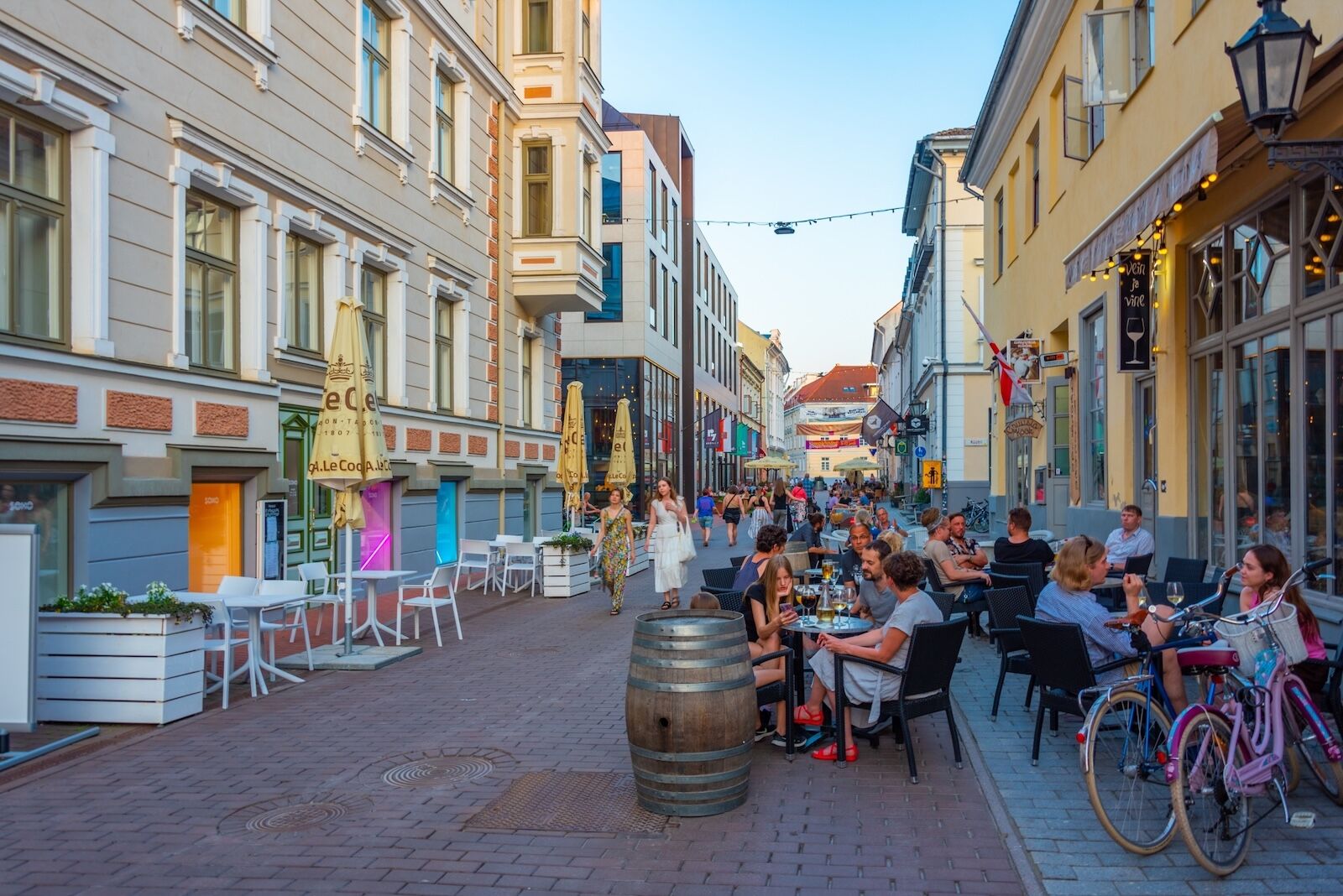
A digital nomad destination others are catching on to

Tartu, Estonia, June 27, 2022: Nightlife in streets of Tartu, Estonia.

Photo: trabantos/Shutterstock

Remote workers have had Estonia on their radar since 2020, when the country started a dedicated digital nomad visa for remote workers outside of the European Union. It was the first country in the world to do so. This allowed many people working for, or running, a business registered outside of Estonia to live and work in the country for up to a year, with the option to apply for a second year.

In 2025, Estonia folded the digital nomad visa into a broader package of new talent visas (alongside a revamped startup and skilled-worker track), tightening the program around “genuine” location-independent professionals and clarifying that digital nomads can generally bring immediate family under standard family-reunification rules. Income requirements and the tax burdon has increased since the program started, but that is more a sign of its success and the country’s draw than anything else.

None of this changes the basic appeal: a digital-first state where you can register a company online, sign contracts with a digital ID, work from a medieval-meets-modern capital with fast internet, and still be on a forest trail or a Baltic beach within an hour. With flexible digital-nomad policies and tech-forward infrastructure, it appeals to remote workers looking for a base that’s more affordable than Scandinavia but similarly safe and easy to navigate.

Estonia fits into the growing traveler preference to go a little farther, stay a little longer, and spend money on businesses and experiences led by locals. You still get a walled Old Town, a coastline of spruce-framed beaches, and island villages with windmills and lighthouses, but overtourism isn’t a main topic of conversation.

There are enough visitors to support interesting restaurants, guesthouses, and experiences, but not so many that you’re jostling for space on every cobbled lane or boardwalk.

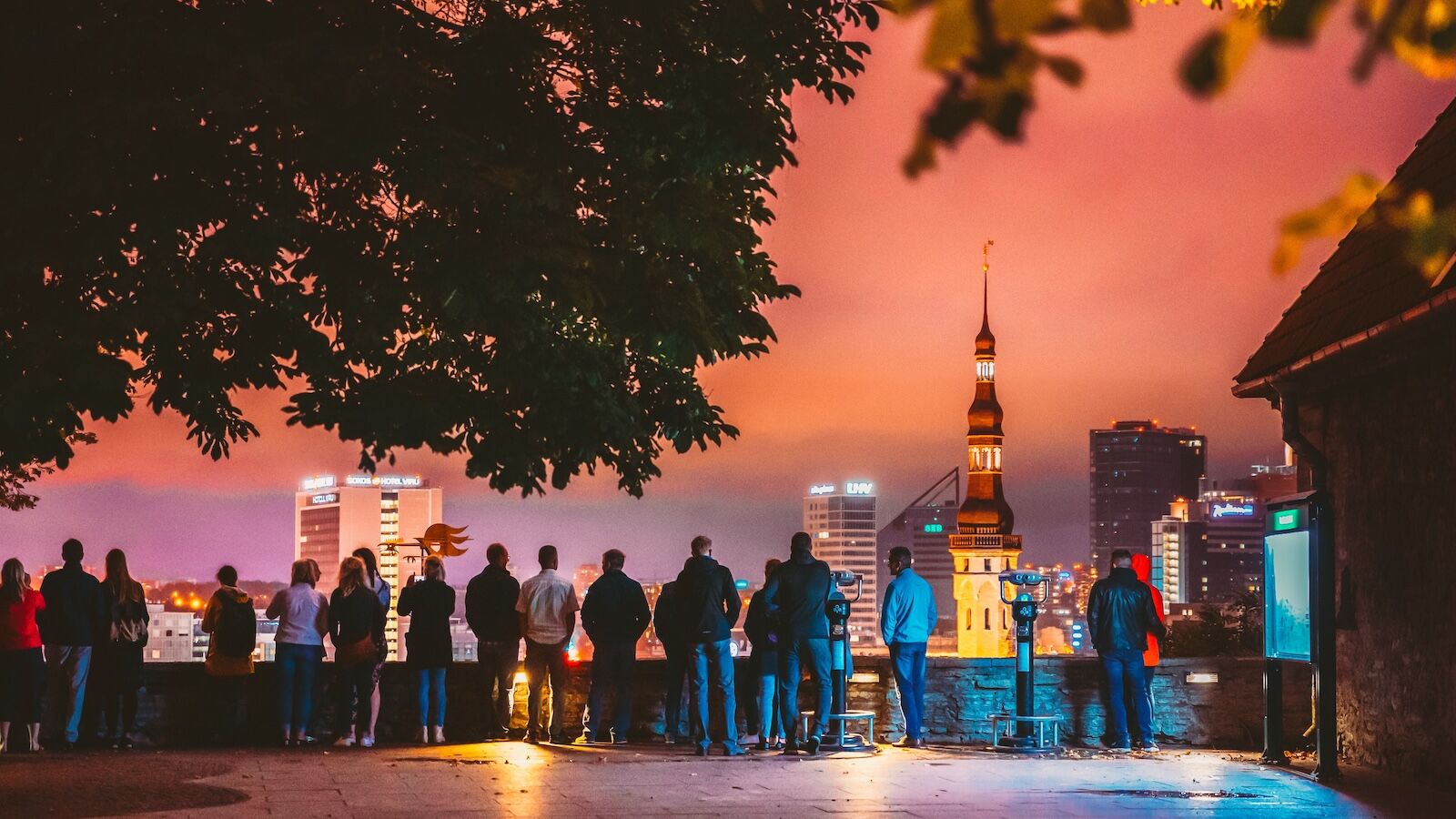
Tallinn: medieval skyline, modern city

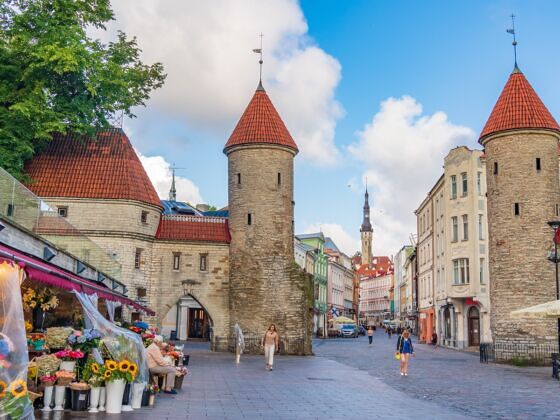
Old town Tallinn city skyline, cityscape of Estonia at sunset

Photo: f11photo/Shutterstock

Most trips will still start (and often linger) in Tallinn, where a UNESCO-listed Old Town sits alongside a creative, post-industrial waterfront.

Inside the old walls, church towers, merchant houses, and narrow lanes deliver the European storybook experience — especially in winter, when one of the continent’s standout Christmas markets lights up Town Hall Square with local crafts and regional comfort food.

But the city’s energy is increasingly in neighborhoods just beyond the ramparts.

Art spaces, cafes, and shops thrive in the former workers’ quarters of Kalamaja and Telliskivi. Telliskivi Creative City is a one-stop hit for galleries, food halls, and nightlife. The revamped submarine-shipyard district turned seafront promenade of Noblessner has tasting menu restaurants, natural wine bars, and Baltic waterfront saunas. Kadriorg’s park and palaces segue into the seaside promenade of Pirita for an urban reset between city breaks and island trips.

Tallinn works as both a long weekend (especially in winter and early spring) and as the anchor for a wider Estonian itinerary. A growing roster of direct flights with full-service and low-cost carriers from across Europe make it practical for both quick getaways and longer stays.

Islands, bogs, and dark-sky forests

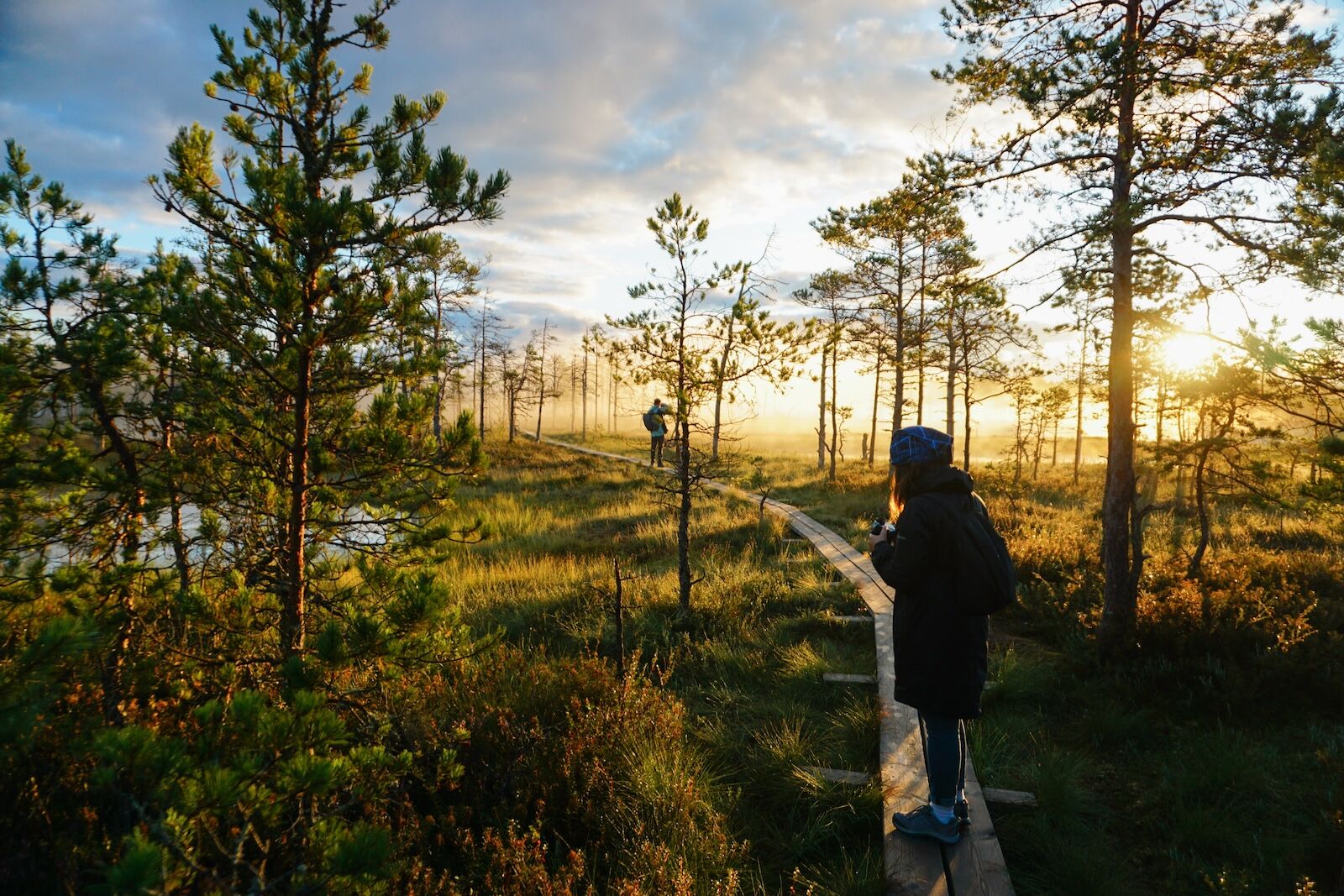
People walking on a wooden path in Lahemaa National Park, Estonia, during sunrise in cold weather, stopping to take pictures of the forest and natural surroundings.

Photo: bassaran/Shutterstock

The country has six national parks (Lahemaa, Soomaa, Matsalu, Vilsandi, Karula, and Alutaguse) plus extensive nature reserves and regional parks that put peat bogs, coastal meadows, and primeval forests front and center. Lahemaa, about an hour east of Tallinn, is the flagship: an enormous coastal park of manor houses, fishing villages, and forested peninsulas where you can hike sections of long-distance trails that thread across the country.

To the west, Estonia’s islands of Saaremaa and Hiiumaa are easily reached by car ferry and have lighthouses, juniper scrub, thatched-roof farmsteads, and sandy beaches. Muhu, a smaller island, is known for timeless village landscapes and a slow pace for cycling and farm-to-table stays.

South and southeast, the mood shifts to rolling hills, lake country, and culture-rich regions like Setomaa and Võrumaa. Tartu and its surrounding municipalities connect visiting travelers to experimental art, literature, and a constant run of festivals and public installations across Southern Estonia.

How to make Estonia your next big trip

Tallinn, Estonia - July 2, 2019: People Visiting Kohtuotsa Viewing Platform. Cityscape Skyline At Summer Night. View From Patkuli Viewpoint.

Photo: George Trumpeter/Shutterstock

Late May through September is peak season for island-hopping, coastal cycling, and lake swims, with long days and a packed festival calendar. Come October, the weather starts to chill out but so do the crowds, and autumn leaves shine in the natural landscape. The short winter days from December through February can be cold, but it’s worth it for the Christmas markets and saunas.

Start as most do in Tallinn for a mix of history, dining, and nightlife. Then head to Tartu for culture and festivals, or Pärnu for beach holidays and spa culture on the Baltic. Saaremaa or Hiiumaa is perfect for travelers interested in dark skies, quiet beaches, and slow island life.

With more than 50 airports now offering direct flights to Tallinn, mainly across Europe and the Middle East, Estonia is far easier to fold into a multi-country itinerary than it was a decade ago. Once in-country, rail, regional buses, and well-maintained roads make it simple to connect Tallinn to Tartu, Pärnu, and ferry ports for the islands.

How we made our pick

Nominations for the 2025 Matador Network Next Big Destination Award were sourced from across the well-traveled Matador Network team. The nominees were judged based on accessibility, land stewardship, responsible tourism initiatives, overtourism management, sustainable accommodations, leave no trace principles, and future development plans.

Our other top nominees, in no particular order:

  • Nha Trang, Vietnam
  • Cambodia
  • Dominica
  • Lombok, Indonesia
  • Albania
  • Turks and Caicos
  • Madagascar
  • Namibia
  • Kyrgyzstan
  • Madrid
  • Mongolia
  • Cayman Islands

Discover Matador

Save Bookmark

We use cookies for analytics tracking and advertising from our partners.

For more information read our privacy policy.