Photo: Cristi Croitoru/Shutterstock

The Airport That Could Change Machu Picchu Forever

Peru News Airports + Flying
by Suzie Dundas Apr 10, 2026

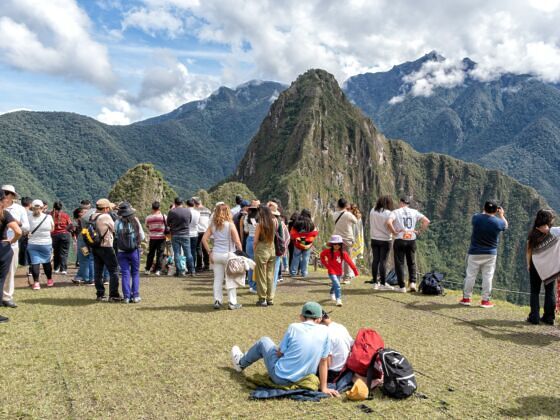
For decades, getting to Peru’s ancient city of Machu Picchu was as much a part of the experience as the destination itself. Most travelers fly into Lima, connect to Cusco, then continue by train or on foot (sometimes over several days) to reach the 15th-century Inca citadel set high in the Andes Mountains.

But as of next year, that journey could soon look very different.
A controversial new project is underway in Peru’s Sacred Valley: Chinchero International Airport. When opened, it’ll streamline access to one of South America’s most iconic destinations, allowing international travelers to land at an airport just 18 miles from Machu Picchu. As of now, flight schedules are undetermined, but it could theoretically welcome planes from as far away as Miami or Buenos Aires.

Supporters say it will modernize travel to southern Peru and bring economic opportunities to nearby communities, while critics argue it will irreversibly damage the very landscapes and experiences that bring visitors to the region in the first place.


View this post on Instagram


A post shared by Matador Network (@matadornetwork)

An airport decades in the making

Plans for a new airport near Cusco are not new. The idea of adding more airports has been around for decades, and the Peruvian government has publicly stated its desire to build an airport near Chinchero, partially due to the value of tourism in the Sacred Valley.

The new airport is less than an hour by car from Cusco’s current airport, though Chinchero International Airport will be able to accommodate larger crowds. The Cusco airport has long faced operational limitations, including an inability to expand due to the surrounding urban area.

Chinchero, however, sits on a high plateau with more space for development. Officials envisioned an airport capable of handling millions of passengers annually and eventually offering more direct international connections, reducing reliance on Lima as a transit hub. However, the project has faced ongoing delays.

In 2014, the Peruvian government awarded a private contract to build and operate the airport. But by 2016–2017, the contract had shifted enough to cause public outcry from locals who felt too much of the cost has been shifted onto them, and criminal charges grounded construction. The country’s transport minister eventually resigned following public pressure, at which time the construction contract was cancelled.

But the developers challenged that cancellation, leading to more delays while the issue played out in court. Ultimately, the government had to pay about $90 million to settle, depleting much of the funding that would be used to build the airport. Construction finally began again in 2019, but COVID-19 and other related travel and staffing issues have continued to delay the project.

As of spring 2026, about one-third of the construction is done, with authorities eyeing a late 2027 opening date.

Why supporters say it’s necessary

new machu picchu airport - cusco airport

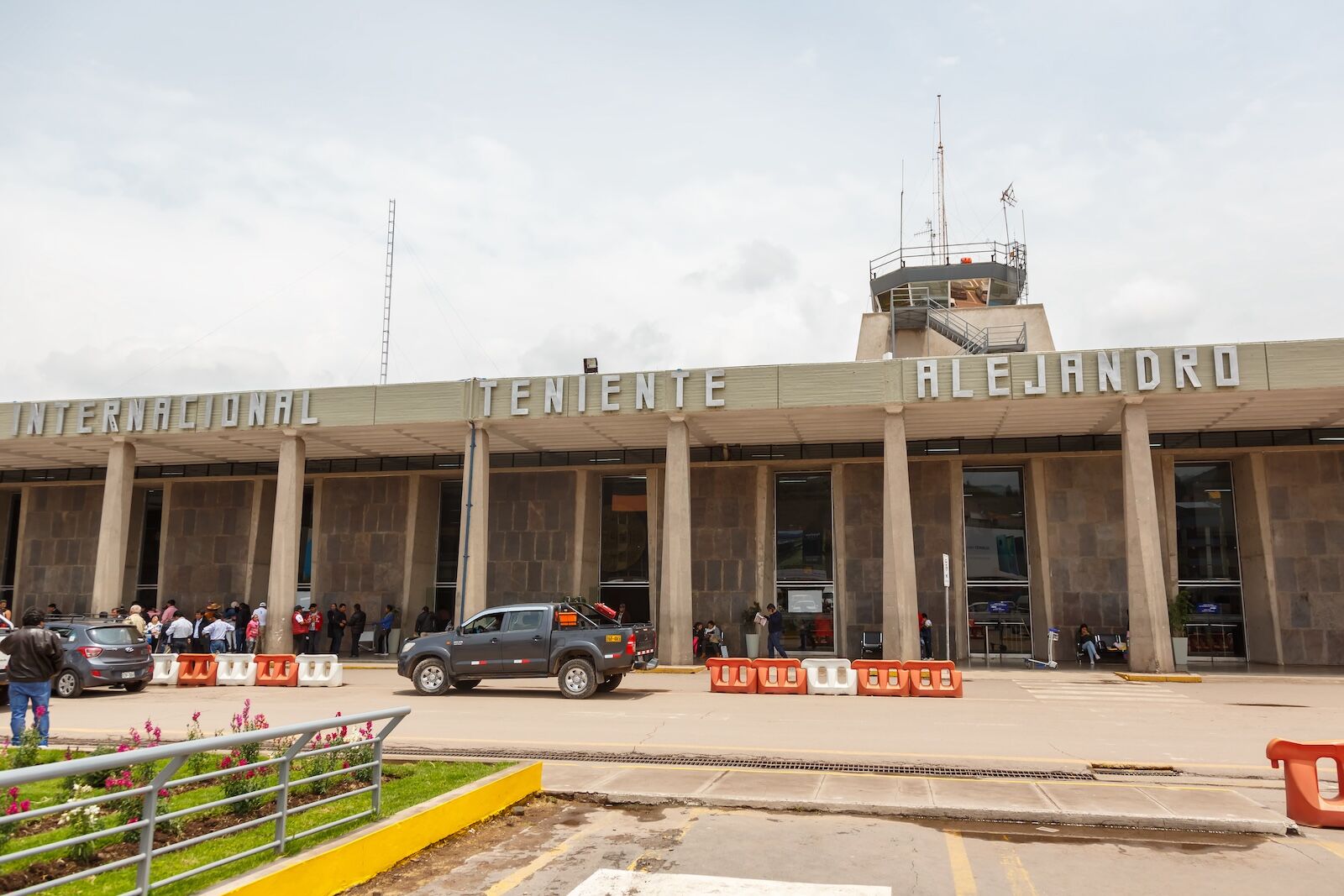
The new airport will replace the current airport in Cusco, which was built in 1964. Photo: Markus Mainka/Shutterstock

For Peru’s government and many in the tourism sector, the case is clear: more tourists and increased access will drive economic opportunity in the region. Tourism is a major economic driver in Cusco and arguably the most visible (along with agriculture and mining). The airport could also significantly reduce travel time by allowing visitors to bypass Lima and speed up international travel, and supporters say more tourists means job creation and infrastructure development in rural areas outside the city.

As economies in towns in the Sacred Valley like Chinchero and Ollantaytambo shift from agriculture to tourism, maintaining a steady flow of tourists is seen by some as a path toward a more stable economic future. Additionally, easier access could make Machu Picchu more inclusive, opening a site of global cultural significance to more people keen to see the world’s most important places.

Why critics are sounding the alarm


Opposition to the airport is strong and represents a broad coalition of interest groups, including archaeologists, environmentalists, and local residents. They’re raised concerns about the environmental impact on the Sacred Valley, considered one of the world’s most culturally important and sensitive sites.

The Sacred Valley is home not just to Machu Picchu, but to additional Inca archaeological sites, traditional farming communities, and fragile ecosystems already strained by threats from climate change and overtourism. Critics are concerned that large-scale construction and the increase in tourism it may bring could cause irreversible damage to the environment and the Valley’s cultural experience. UNESCO has also expressed concern, calling for further study before construction proceeds any further, and experts have warned that the airport could tax water systems and negatively impact springs in the region. It may also draw travelers away from Cusco, creating economic hardships for the city’s tourism industry.

There’s also a question of scale. Machu Picchu already faces pressure from overtourism. The site operates under strict visitor caps, allowing between 4,500 to 5,600 people per day as a maximum to prevent erosion and structural damage. In 2026, it took further action to limit overtourism by adopting timed entry tickets, applying tighter controls to access via fixed circuits through the site, and limiting how long visitors can remain on-site, indicating that authorities recognize it as a growing problem. For some, it’s a slippery slope toward Machu Picchu becoming a tourism theme park, more than a sacred historical site.

What travelers should know now

The airport is actively under construction, but that doesn’t mean its opening is inevitable. Construction contracts for key parts of the site, such as the runway and control tower, still haven’t been assigned, and the project has a history of missing set deadlines for construction milestones. In the meantime, legal challenges from activists and local groups are seeking to stop or delay construction while further assessments are carried out, and the voice of UNESCO, which provides financial support to the Sacred Valley via its World Heritage Fund, will likely carry weight with national and international authorities.

In practice, what happens next will depend on several factors: whether construction stays on track, whether overtourism continues to become a major issue in the Sacred Valley, whether authorities value or enforce environmental protections versus economic gain, and how the country wants to shape its future tourism economy. The next major hurdle will be whether the government moves forward with construction of the runway and control tower, which should determine whether the airport can realistically plan to be open for visitors by 2027.

Discover Matador

Save Bookmark

We use cookies for analytics tracking and advertising from our partners.

For more information read our privacy policy.