Tequila is one of Mexico’s most famous exports, and the town in the state of Jalisco that lends its name to the spirit is the center for travelers interested in drinking from the source. This town of under 50,000 people northwest of Guadalajara is where you’ll find the Tequila Express train, a world-famous cantina with a signature drink, the first tequila hotel, and long stretches of fields where bright blue agaves pop against red soil.
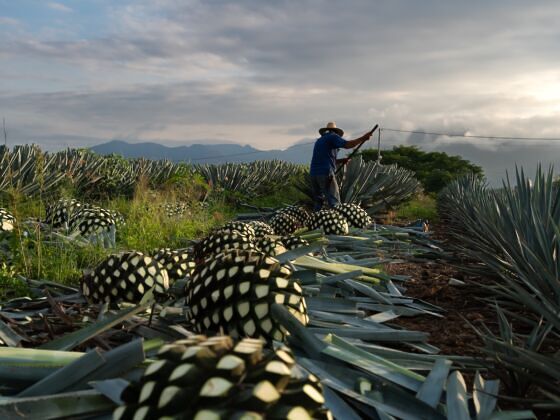
Photo: Jose de Jesus Churion Del/Shutterstock
To Truly Understand Tequila, You Have to Know These 5 Mexican States
But Jalisco is only part of tequila’s story. Six glasses sat in front of me on a video call with Mijenta Tequila’s maestra tequilera Ana María Romero — one tequila from each of the five states that makes the spirit, plus the blend of all of them that is Mijenta’s latest release, Maestra Selection No. 2. Our goal was for Romero to walk me through what made each different. There couldn’t have been a better person for this. For one, her role in creating the spirit itself. She also wrote the book on proper tequila tasting in 2007: “Los Aromas Del Tequila El Arte Dela Cata.”
“Most people have in their mind highlands or lowlands, but people don’t speak about what happens in another parts of the origin of denomination,” Romero says. “This is the first project that we are to show what happens — the same processes, only change the terroir.”
The Mexican government officially declared the Tequila Denomination of Origin (DO) in 1974. Tequila was already deeply connected to the culture by that point, but the move legally recognized the spirit at the same level as bourbon in the United States, for example. From 1974 on, only spirits distilled in the designated region and following the established norms could lawfully bear the name tequila.
The DO covers the entire state of Jalisco and selected municipalities in four neighbouring states: Guanajuato, Michoacán, Nayarit and Tamaulipas. Tamaulipas is in northeastern Mexico, while the others are clustered around Jalisco on the western and central side of Mexico. The vast majority of tequilas people encounter come from Jalisco largely because that’s where tequila is primarily produced: all 125 municipalities in the state are legally allowed to produce tequila, while only seven municipalities in Guanajuato can make tequila, eight in Nayarit, 11 in Tamaulipas, and 30 in Michoacán. Even the agaves grown in the four minor states are typically distilled in Jalisco.
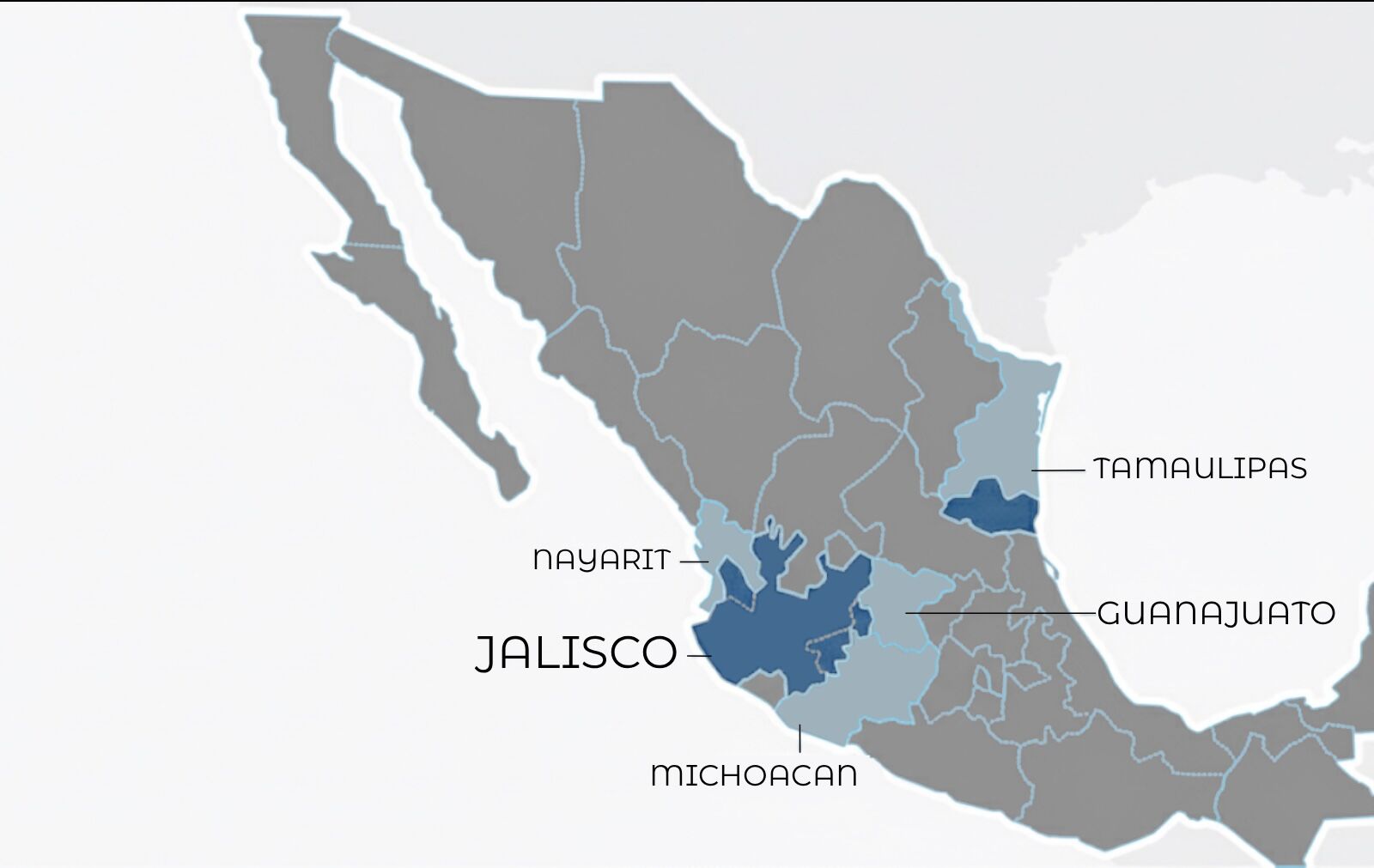
The five states that can make tequila. While the entire state of Jalisco is included, only parts of the other four states (in dark blue) can produce tequila. Infographic: Matador Network
The territories were chosen based on a combination of geographical and traditional criteria – zones where the blue agave thrives and where the production methods have roots in local traditions passed through generations. While the core state (Jalisco) remains unchanged, the exact municipal boundaries and international protections have evolved through treaties and regulatory updates.
Glass by glass, Romero points out subtle, and sometimes not so subtle, differences in the tequilas from each state. She starts each analysis by first describing the scene of where the agaves grow. Then, the aroma and finally the tasting. The difference wasn’t as strong as a Scotch whisky from the highlands versus Islay, but the tequilas did stand out from each other in more subtle ways. More like how a sauvignon blanc from New Zealand differs from the same grape grown on the California coast.
“Every plant and every terroir has its own shape,” Romero says.
We began where every conversation about tequila usually begins: in Jalisco.
Jalisco
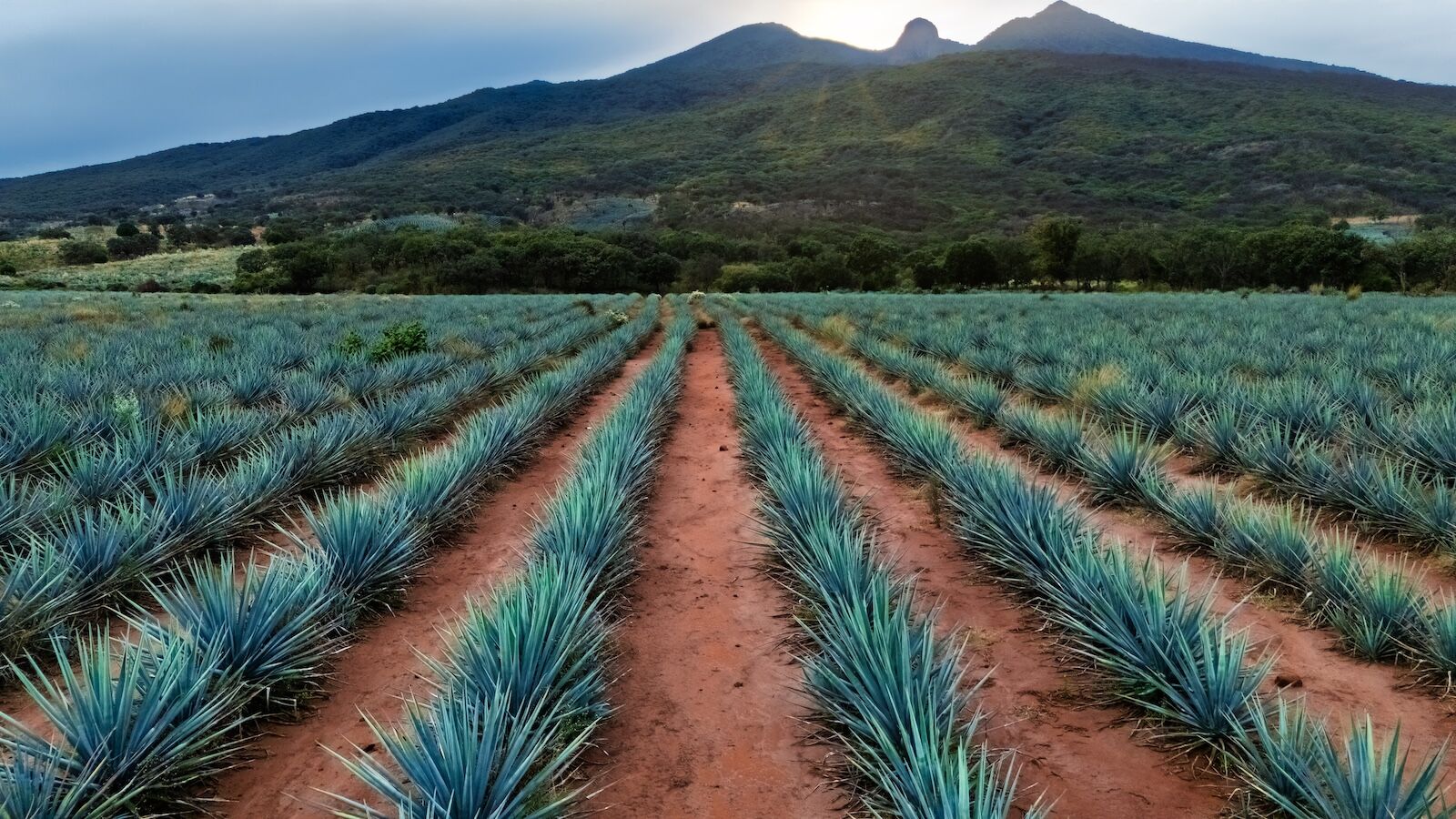
Photo: Simon Mayer/Shutterstock
The state of Jalisco is considered the birthplace of tequila. Production is historically centered around the town of Tequila northwest of Guadalajara, and the surrounding agave fields that stretch across both the volcanic valley and the highland plateaus. The first official license for production and distribution of vino mezcal (mezcal wine, as it was known at the time) went to the Cuervo family. Yes, that Cuervo family.
“The spirit was literally born in the town of Tequila, where Cuervo received the first license to distill the spirit in 1795,” says Jaime Salas, head of Cuervo Legacy & Advocacy. “Jalisco is also a vast region comprised of multiple microclimates that create distinct offerings. What unites these regions is the culture of tequila families who’ve passed down knowledge for generations.”
Eleven generation later, Cuervo still operates the world’s oldest tequila distillery, La Rojeña, in brick ovens operating since 1812. It’s far from the only historic producer in Jalisco. Tequila is often a family business with traditions and methods passed down through generations here — it’s also where most innovations in tequila come from, like Cuervo’s Reserva de la Familia (the first extra añejo tequila, which debuted in 1995), Maestro Dobel Diamante (the first cristalino tequila), and deep research into field-specific terroir (like the releases from Tequila Ocho).
The agave growing regions fall into two signature sub-regions: in the Highlands of Los Altos (around towns like Arandas and Atotonilco El Alto), where the cooler nights and rich red-clay soils lend agave plants higher sugar content and a distinctly fruitier, floral character; and the Valley (around Tequila, Amatitán, and El Arenal), where volcanic rock and lower elevation create a warmer, more mineral and herbaceous expression.
Agaves grown in Jalisco contribute to the flavor profile that most people think of when they think of tequila: cooked agave, earth, and baking spices, with Los Altos giving more citrus and fruit compared to the peppery notes in a Valley tequila.
“Jalisco is where indigenous knowledge of agave met Spanish distillation techniques centuries ago,” Salas says. “That accumulated wisdom is irreplaceable. This is the region where centuries of trial and error have created the spirit we know and love today.”
Michoacan
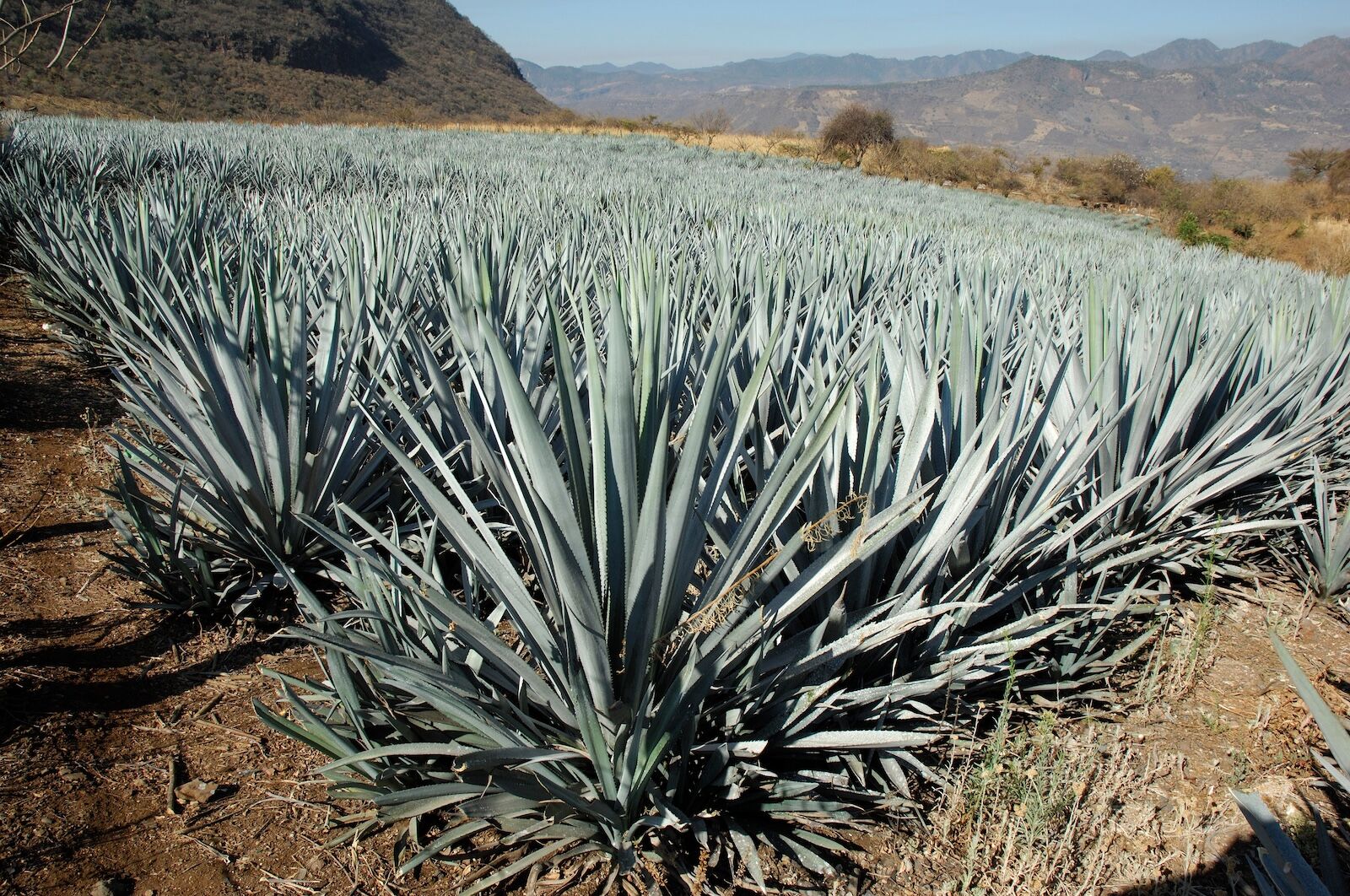
Photo: Breck P. Kent/Shutterstock
On part of the southwest border of Jalisco, the blue agave fields of Michoacán slope gently toward Lake Chapala, where cool night air settles over the plants like a mist. That proximity to the water shapes the other geographic influences of the region’s tequila, where the soil is faintly red from the minerals and the temperature drops below 60 degrees Fahrenheit after sunset, slowing the agave’s metabolism and coaxing out fruit-forward aromatics. Less than a quarter of the municipalities can make tequila in Michoacán compared to Jalisco, and other parts of the state are also known for mezcal production. Still, it’s the second most prominent state for tequila, and the state that inspired Romero to look into the differences between tequila from each state.
“In Michoacán, the fields are close to the Chapala Lake, and we have all the influence of Chapala,” Romero explains. “For this reason, we can find more fruit notes. In this temperature, the metabolism of the plant develops more esters.”
The result is a tequila with tropical hints like pineapple, mango, and a soft floral sweetness layered over cooked agave. Mi Casa makes well-regarded, single-estate Michoacán tequilas.
Tamaulipas
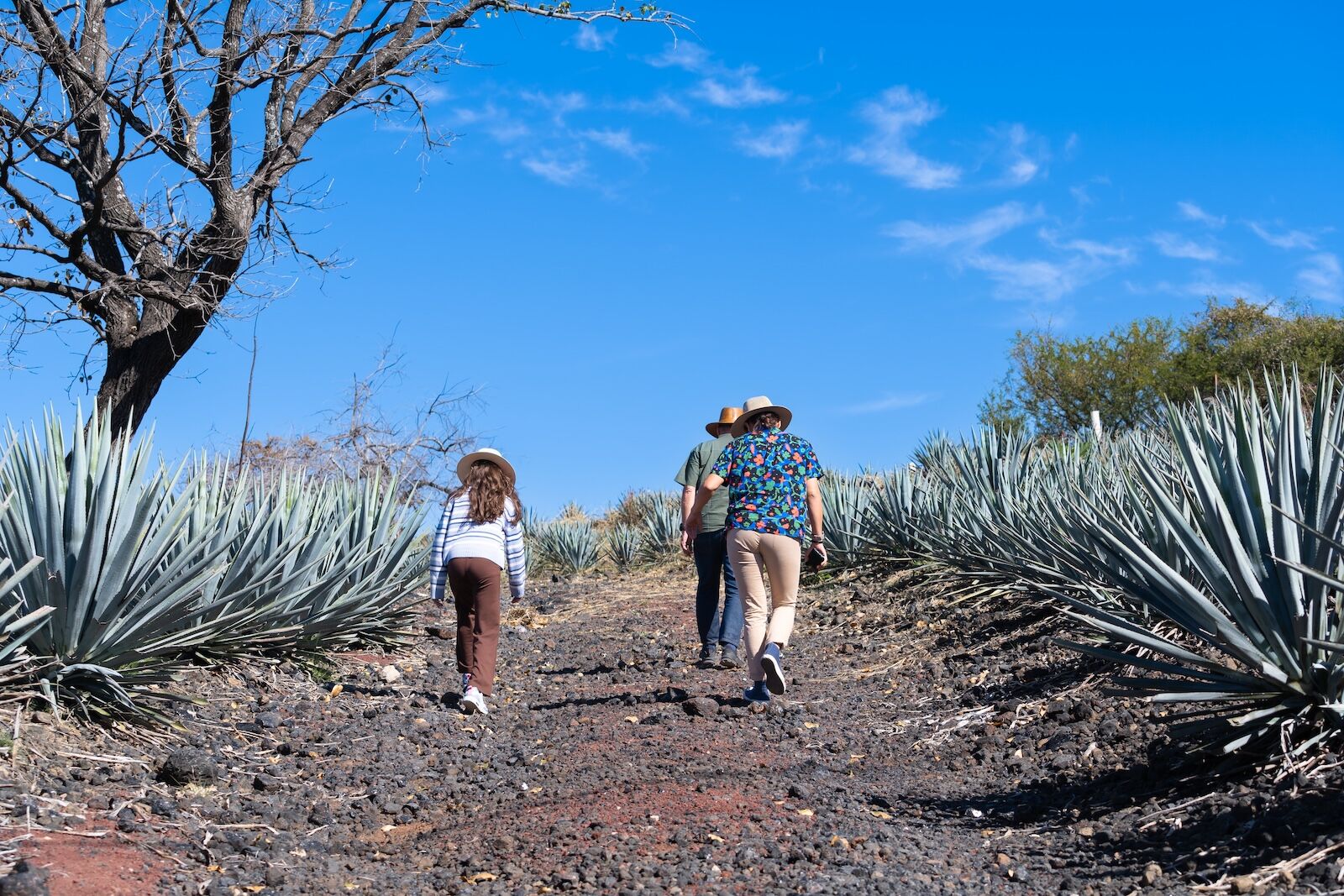
Photo: Jose de Jesus Churion Del/Shutterstock
The only state making tequila that doesn’t border Jalisco, Tamaulipas wasn’t included in the original 1974 definition of where tequila can be made. It didn’t take long. This northeastern state bordering Texas and the Gulf of Mexico joined in 1977 and now 11 municipalities in the south can legally call the spirits made there tequila.
“In Tamaulipas, the soil is black,” Romero says. “You can find more minerality first thing when tasting. It’s more herbal too, because in this area we have higher temperatures that develop this kind of aroma. In the mouth, you feel the minerality.”
Don’t expect to taste many tequilas that use agaves from this state outside of what’s blended into Maestra Selection No. 2. The only fully Tamaulipas-made tequila you’re likely to find is Chinaco from Tequilera La Gonzaleña, founded in 1972 and, while rare, has gained international recognition.
Nayarit
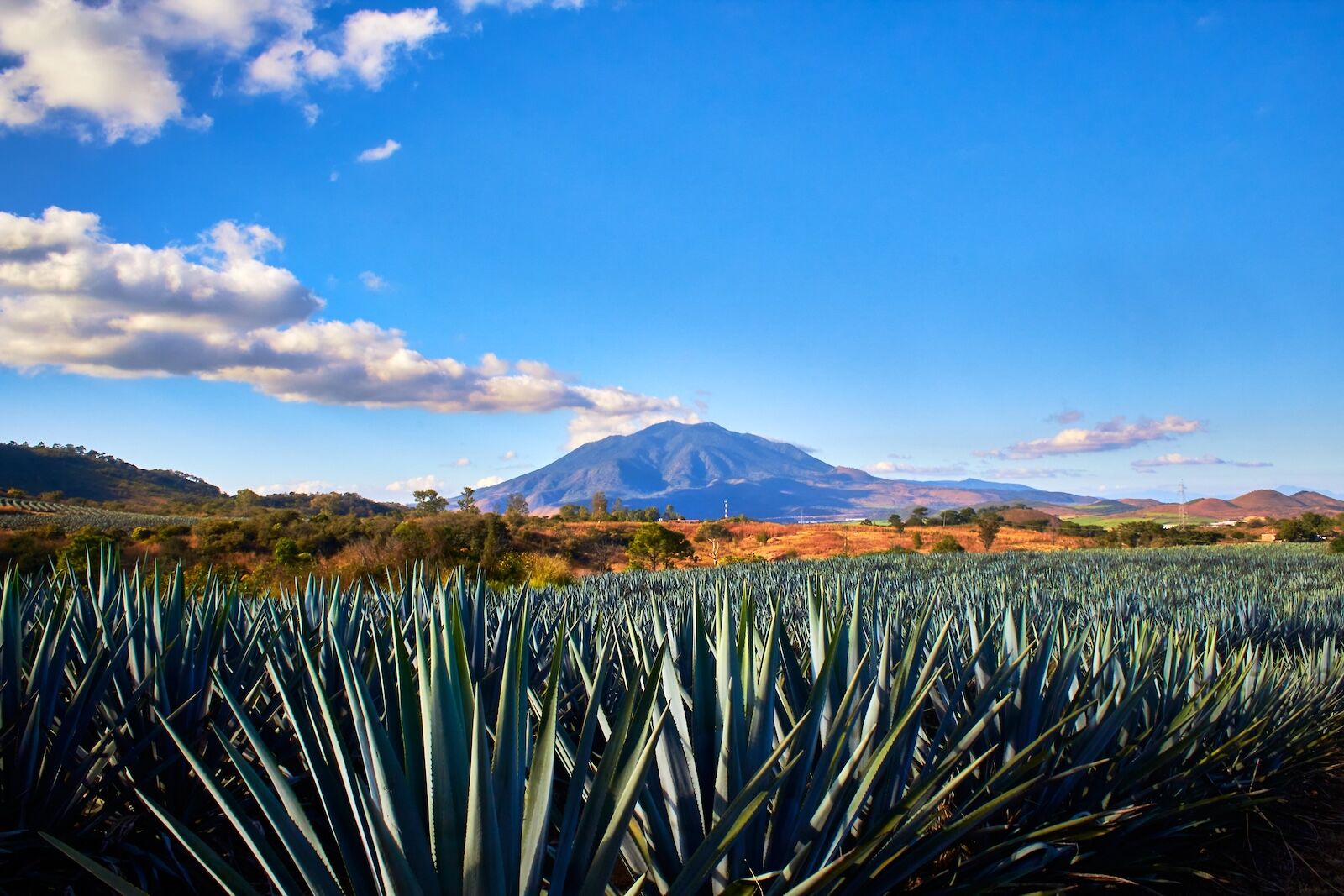
Photo: Alex Borderline/Shutterstock
To the north of Jalisco near the Pacific coast, the state of Nayarit has eight tequila-producing municipalities. Although most of the state’s agave is distilled just across the border in Jalisco, Nayarit is part of the official Denomination of Origin for tequila, with authorized production zones around the inland towns of Ahuacatlán, Ixtlán del Río, and Tepic. Tequila from this region is bright and fruit-forward.
“I can always find the fruit,” Romero says. “The soil is like sand almost, with fresh weather that helps the fruity flavor — especially red fruits.”
The agaves here take their time to mature in the high elevation mountains in the state, which gives the distillate its light body and vivid aromatics. Prolijo makes single-estate, small-batch tequila by a lake in the mountains in the town of Santa María del Oro that are praised for their expression of the place the agaves grew.
Guanajuato
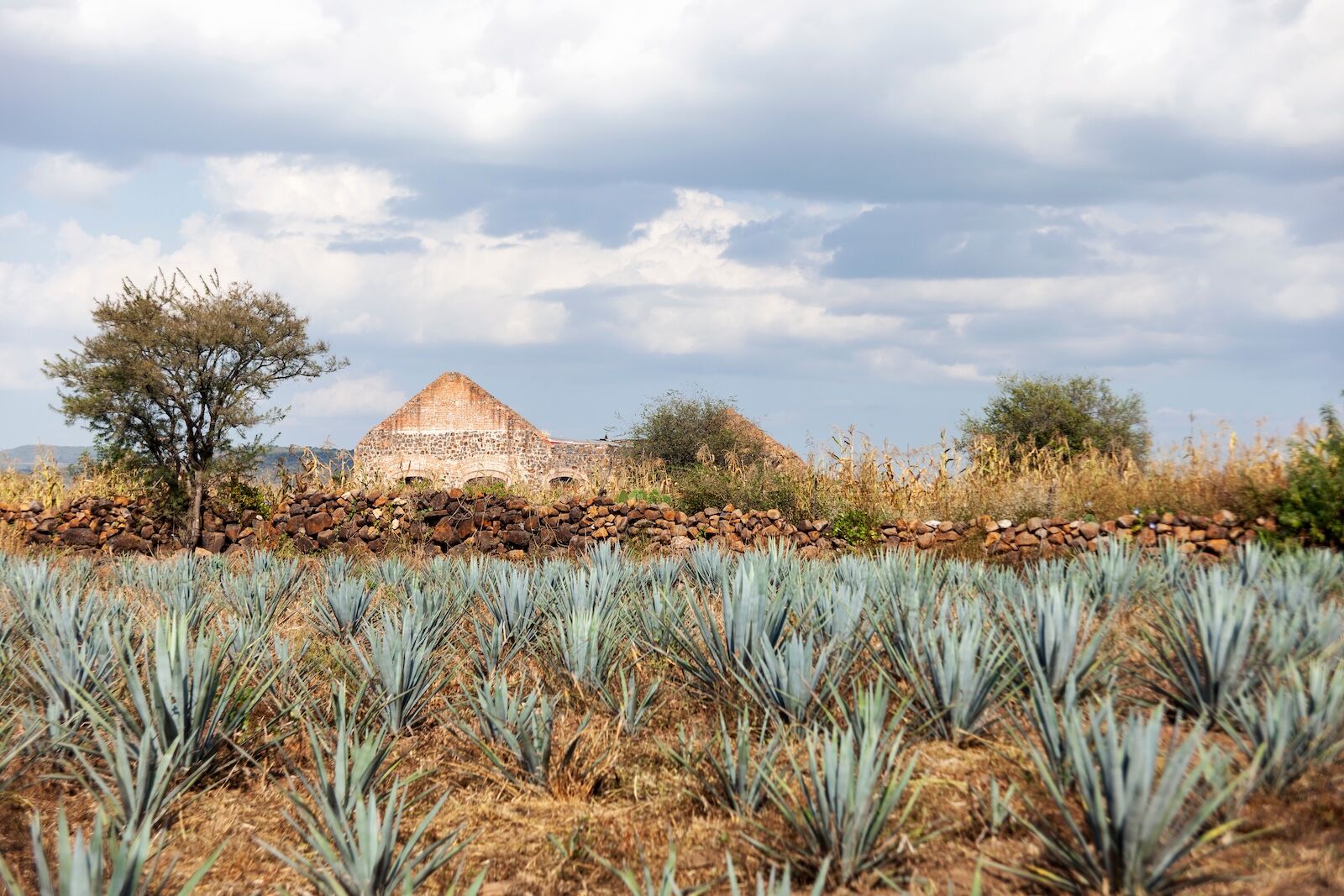
Photo: DAVID PANIAGUA GUERRA/Shutterstock
Just east of the state border of Jalisco, the agave fields of Guanajuato roll across the central Mexican plateau. Altitude, red soil, and a high-desert environment leads to agaves that make a spicier tequila than in Jalisco. The state earned its place in the Tequila Denomination of Origin in 1974, and today its epicenter is the town of Pénjamo, home to Tequilera Corralejo, one of Mexico’s oldest distilleries that makes bartender-favorite spirits.
At more than 5,000 feet above sea level, days run hot and nights run cool. The agaves toughen under that stress, storing concentrated sugars and minerals. The resulting tequilas tend to show pepper and dry herbs.
“It’s more peppery, more savory on the nose and sweet on the palate,” Romero says. “The biggest difference is it doesn’t have that same deep cooked agave sweetness as Jalisco while still having underlying sweetness — more herbaceousness and pepper notes.” 