Mountain towns in winter are a culture in and of themselves, and if you don’t ski, don’t check snow forecasts, and have never once said “stoked” out loud, the whole scene kinda feels like showing up immensely overdressed to a casual happy hour. You already stick out and don’t know the lingo, and despite the casual style, ski resorts have a reputation for penny pinching, with lift tickets at high-end spots topping $200 per day. Then you walk into the coffee shop and the people in front of you in line keep talking about “skinning” and “slaying.” It’s no wonder the whole thing starts to feel a bit ominous.
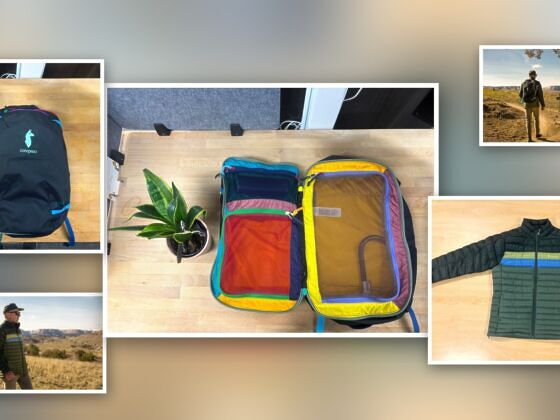
I’ve lived in Colorado my whole life, and I’m here to tell you one thing: The code is easier to crack than it looks. Most of it comes down to dressing for the weather and taking satisfaction out of “type 2” fun. My advice to wary mountain travelers is to obtain three pieces of gear: a puffy jacket, a versatile backpack that works on the mountain and in town, and a good luggage set. Then, embark on a short vocabulary lesson, and you’ll be set up for success. Cotopaxi, the Salt Lake City outfitter whose striped puffies are a mountain town staple, makes a fitting guide to doing this the right way. Follow suit and you might even like it here.
Matador Network may receive compensation if you make a purchase through these links. Prices are accurate as of publication.
First up, the dress code
First rule: dress for technicality, not style. I went to college in Durango, Colorado, and over the course of my five years of “studying” the town was voted America’s worst-dressed multiple times. It’s all a ruse. You’ll certainly see someone at trivia night wearing sweatpants, but those sweatpants are fleece-lined, the hoodie is merino, and the puffy is 800-fill down. Sloppy may not be a good look, but cold is a mistake not worth making.
Layering is the whole trick. A base layer that wicks (wool or synthetic, never cotton), something warm in the middle and a puffy or shell on top. Mountain weather changes by the hour and by the elevation, so you want to be able to peel. Not to repeat myself, but avoid wearing that cotton/poly blend university logo sweatshirt – cotton is terrible when it’s wet, and there’s no surer sign you’re a tourist.
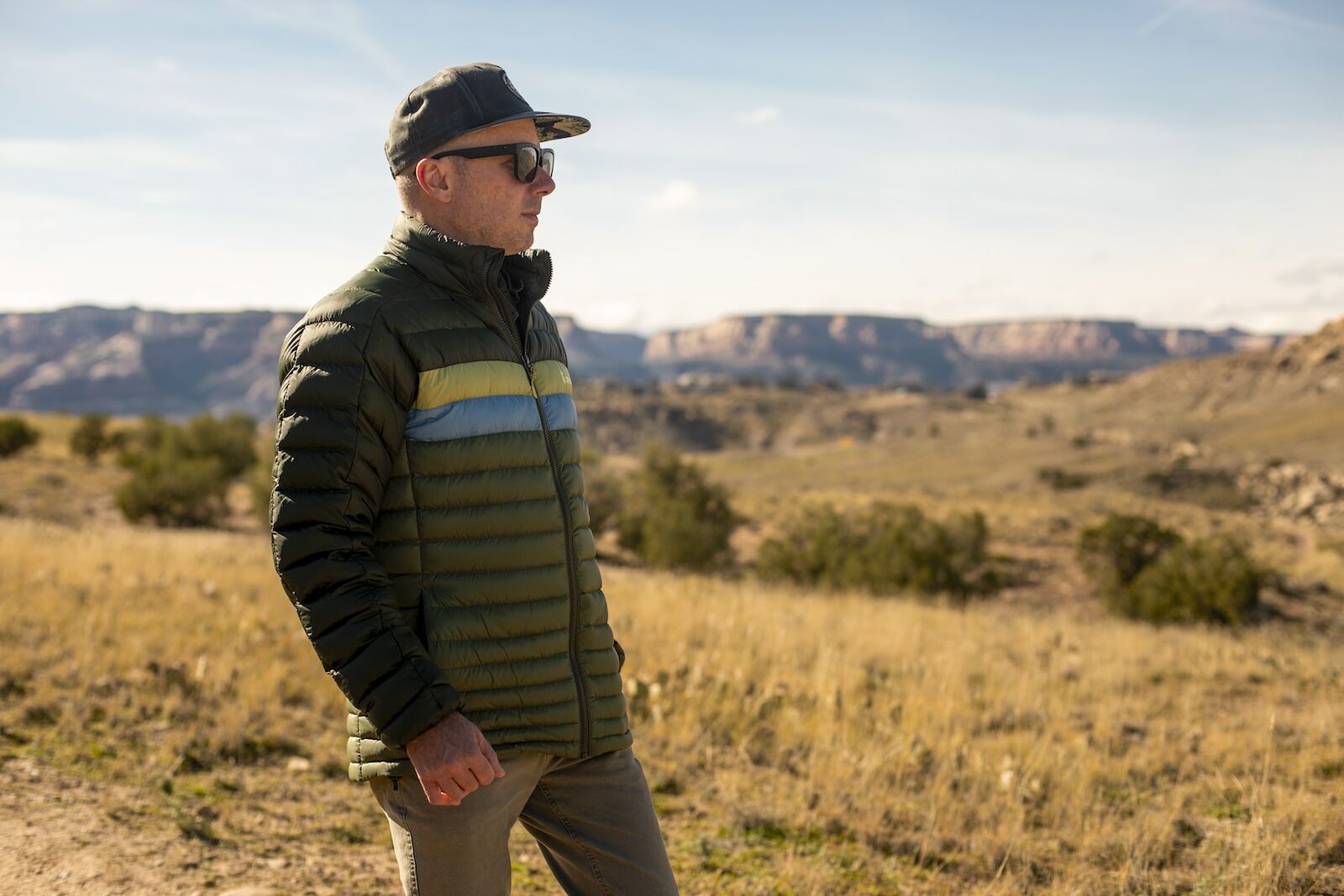
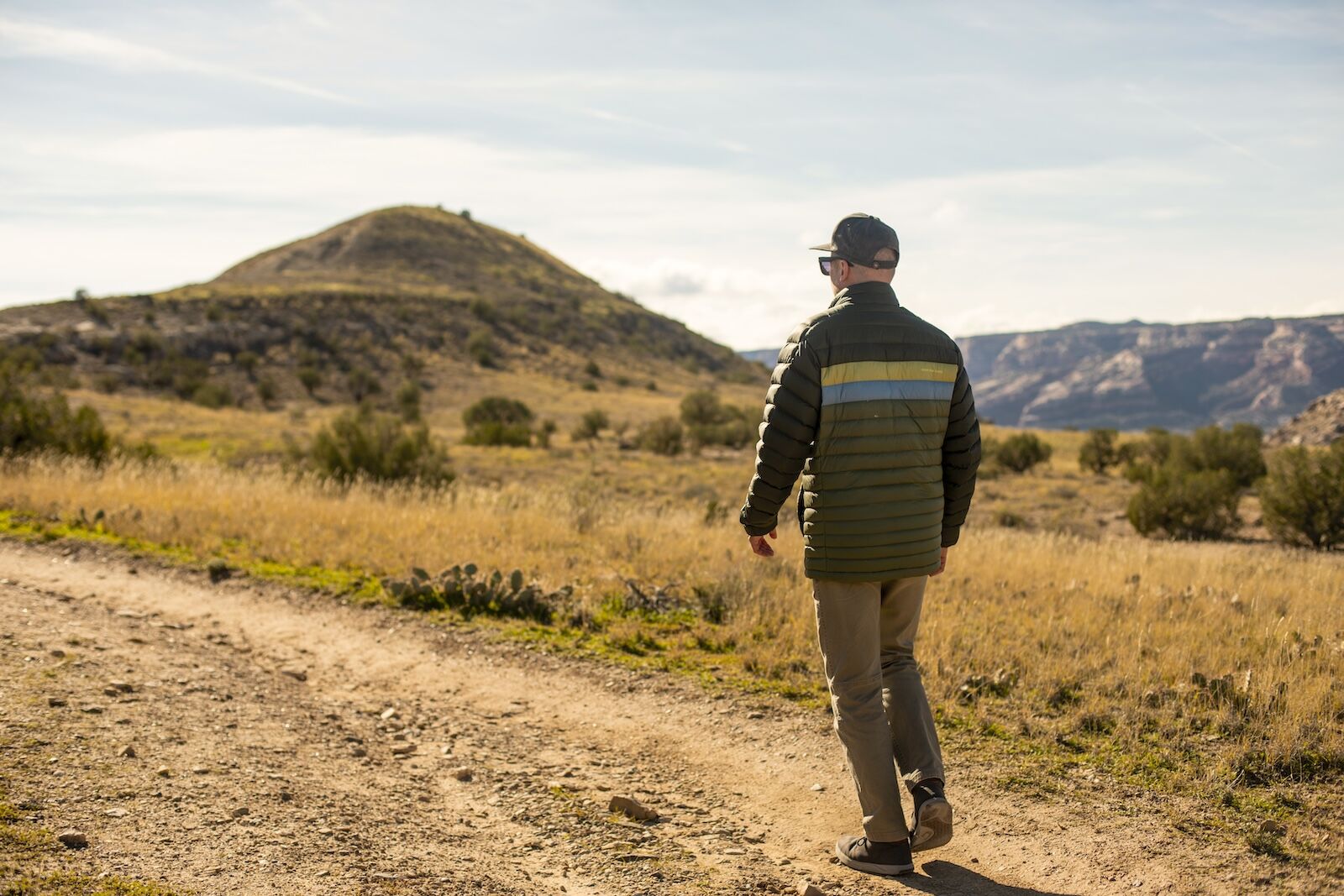
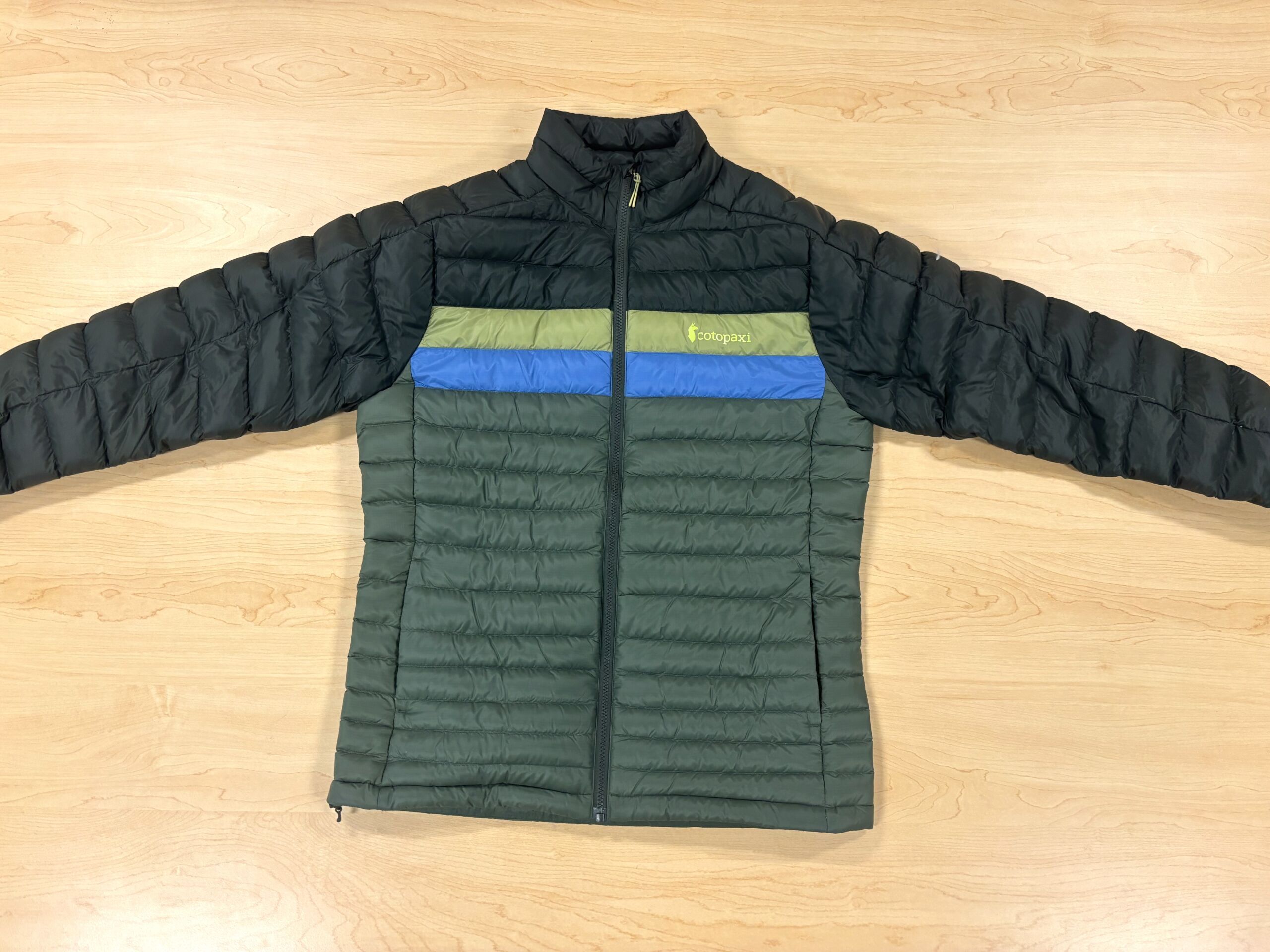
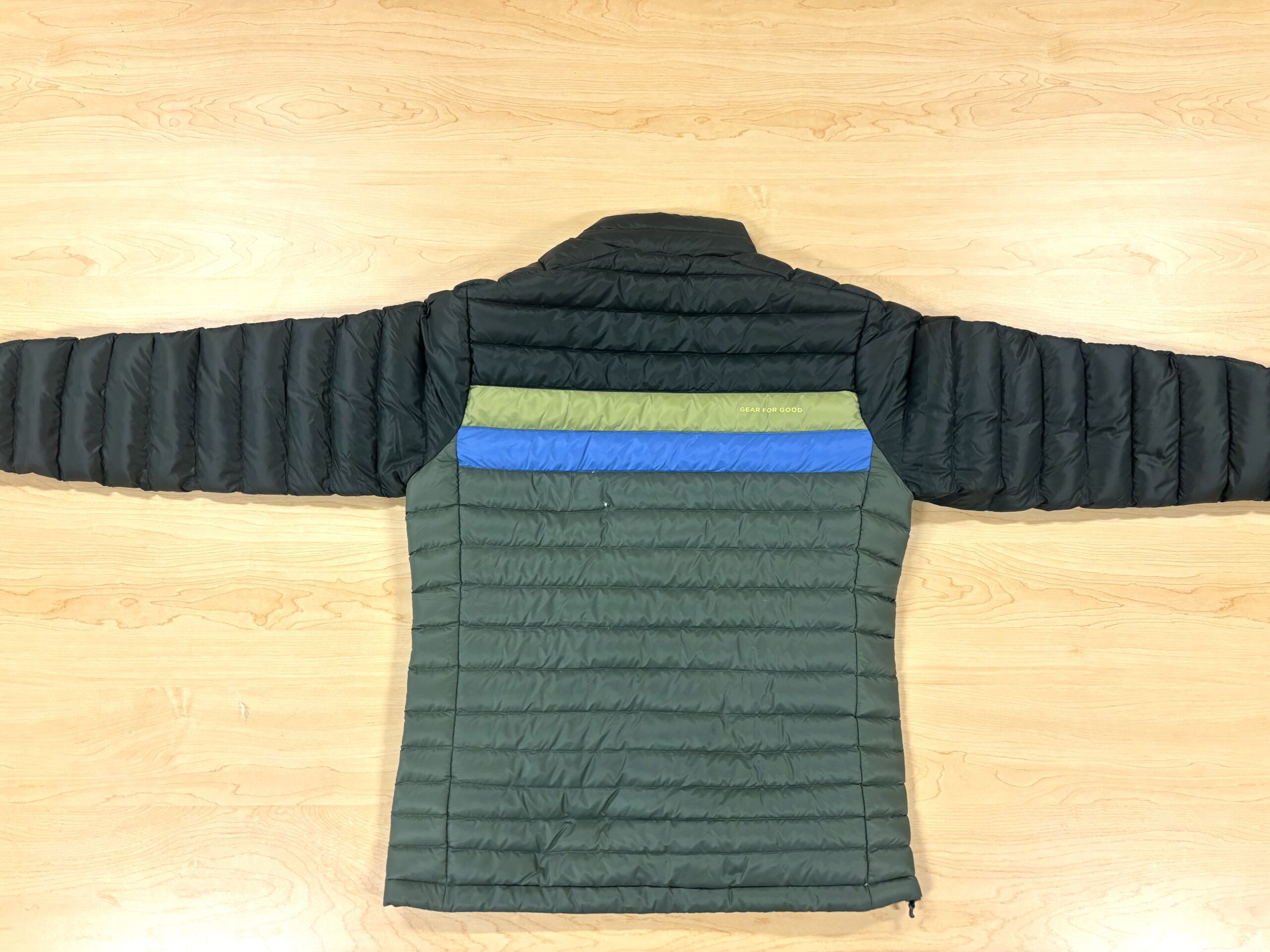
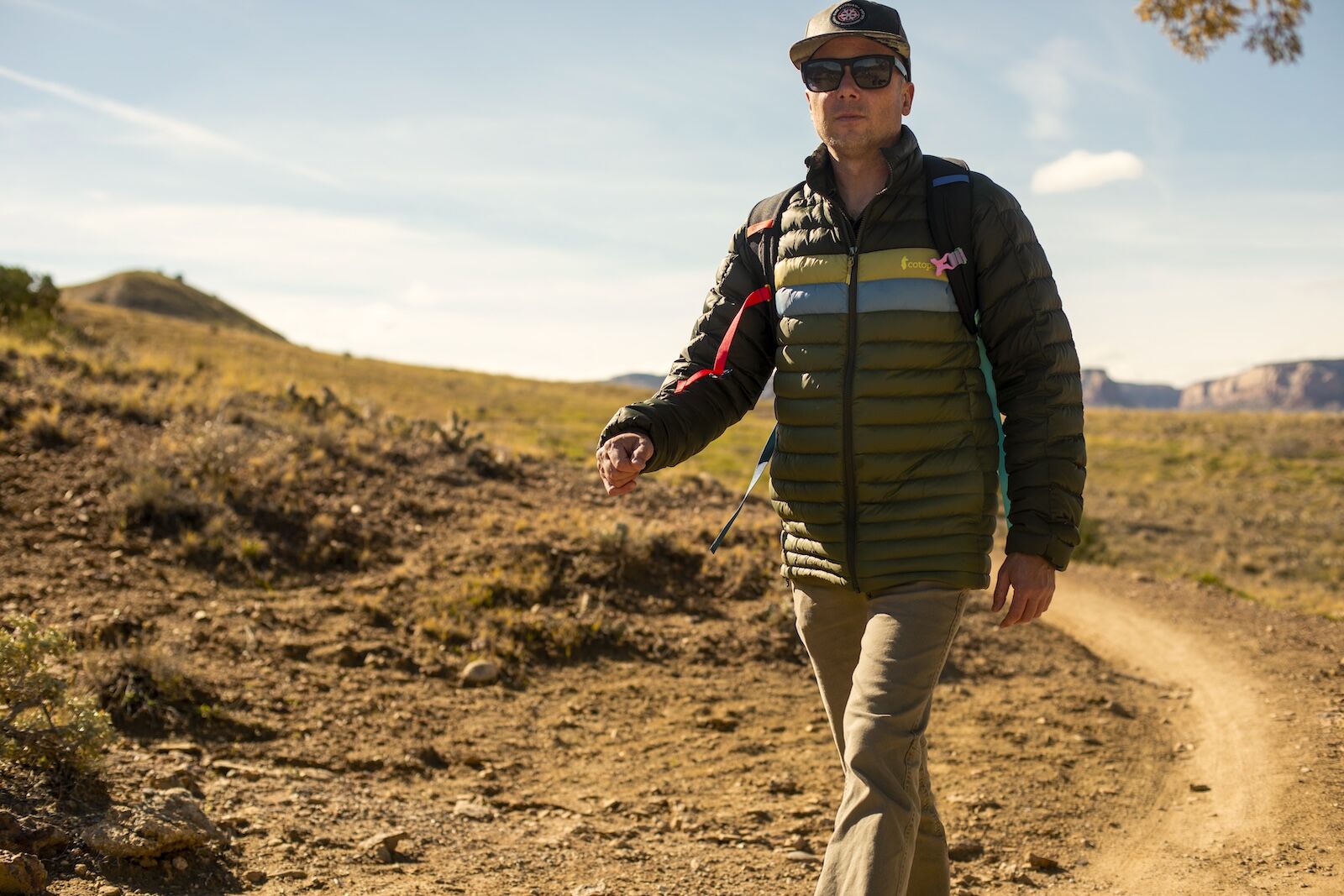
The puffy is where you spend the money, and it’s the one piece that works everywhere, from a 7 am sidewalk to a 7 pm bar. Cotopaxi’s Fuego Down Hooded Jacket ($300) is the brand’s flagship, and the recent redesign kept the part that matters: 800-fill responsibly sourced down. Fill power is warmth per ounce, and at that number the men’s jacket comes in around 13 ounces. The shell and lining are now 100 percent recycled nylon with a DWR finish, made without intentionally added PFAS chemicals. The whole thing stuffs into its own internal pocket for the flight home. Before you scoff at the price, the key to outdoor wear is to buy once and keep forever. You will not need to replace a well-made puffy jacket. Cotopaxi covers it with a lifetime warranty and repairs.
It also comes in colors, which is good because mountain towns are visually loud. A jacket in Carbon Stripes or Woods Stripes is in style every year. I’ve worn a Fuego hooded jacket for years, to the point that it’s rare I’m not wearing it between October and April. It’s been with me on mountain peaks in Kyrgyzstan and on the patio at the brewery a few blocks from my house, and I feel just as comfortable in either setting.
A good backpack is the key to everything
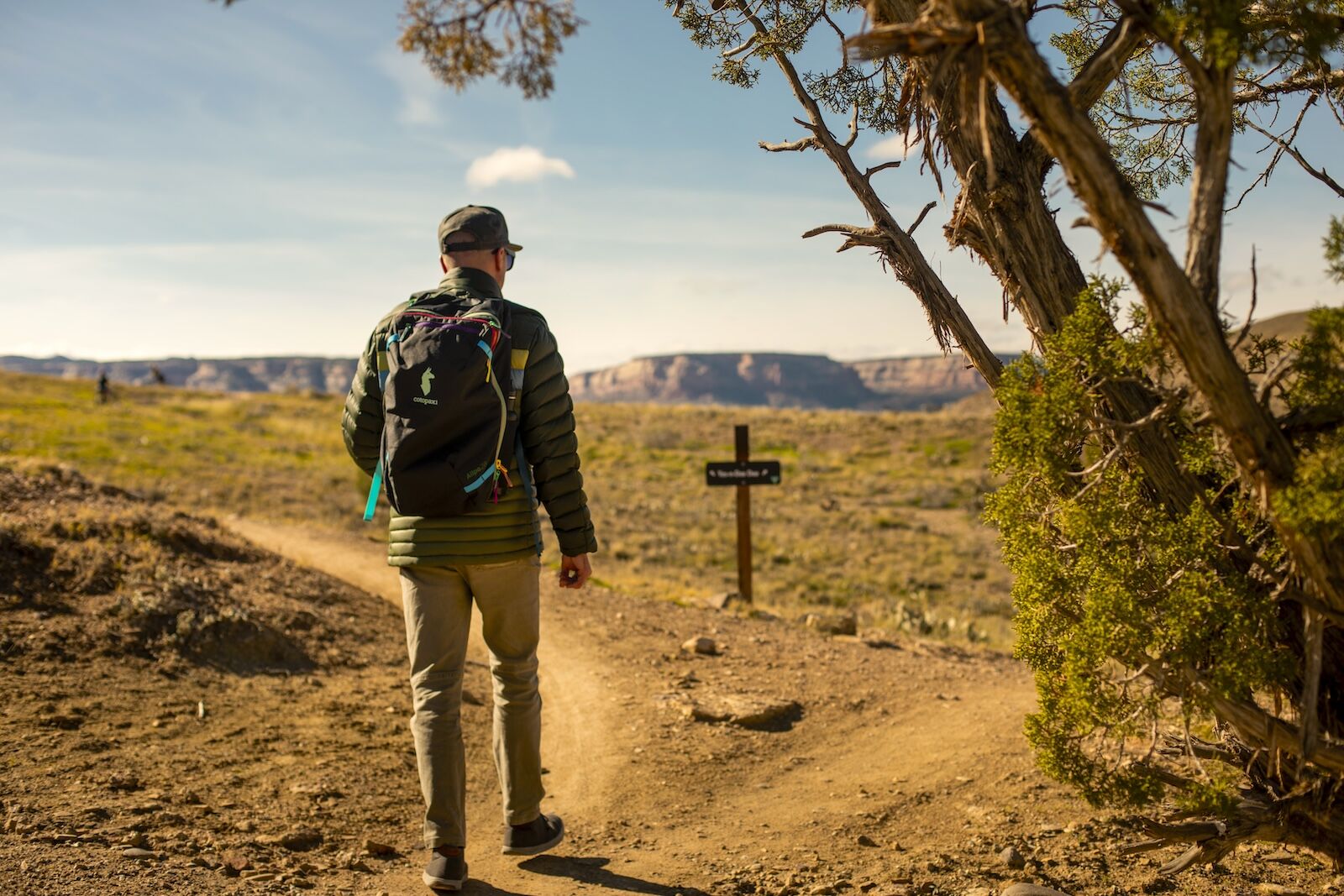
Walk into any mountain town coffee shop and count the backpacks. Then count the briefcases. It’s gonna be a shutout.
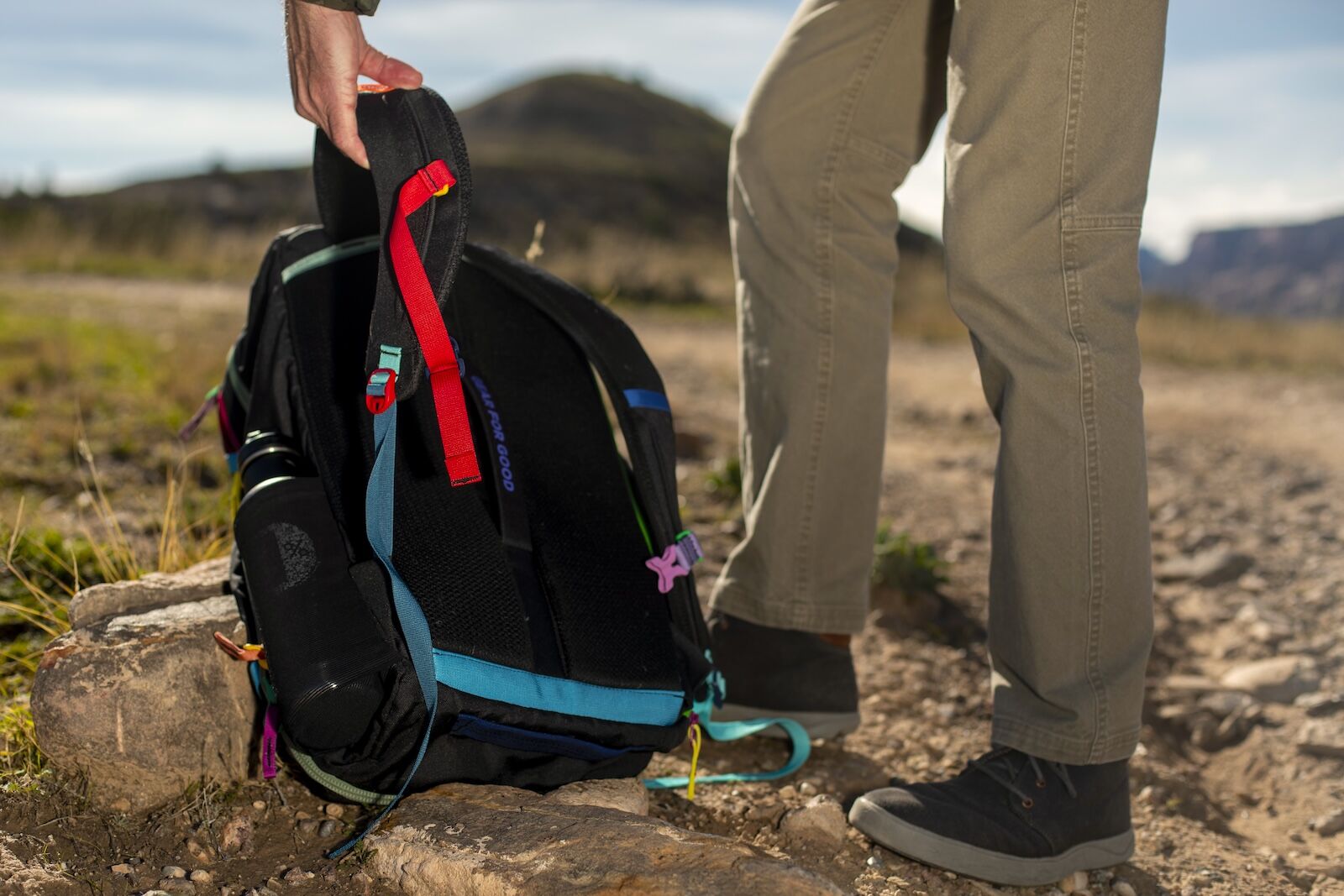
The right daily carry here is a pack that shrugs off slush and can be with you on the chairlift and at the airport. Cotopaxi’s Allpa 28L Travel Pack ($205) is that pack. It opens like a suitcase, with a full-wrap clamshell zipper, so you’re not digging blind for your gloves. A padded sleeve holds a 15-inch laptop. Air mesh shoulder straps and a tuckable hip belt carry the weight, and lockable YKK zippers, a stretch water bottle pocket, four grab handles and a pass-through strap that slides over a roller handle round it out. It weighs 2 pounds 4 ounces, measures 19 by 12 by 9 inches, and clears carry-on limits on most airlines. Scroll the gallery below to see the insides of the pack:
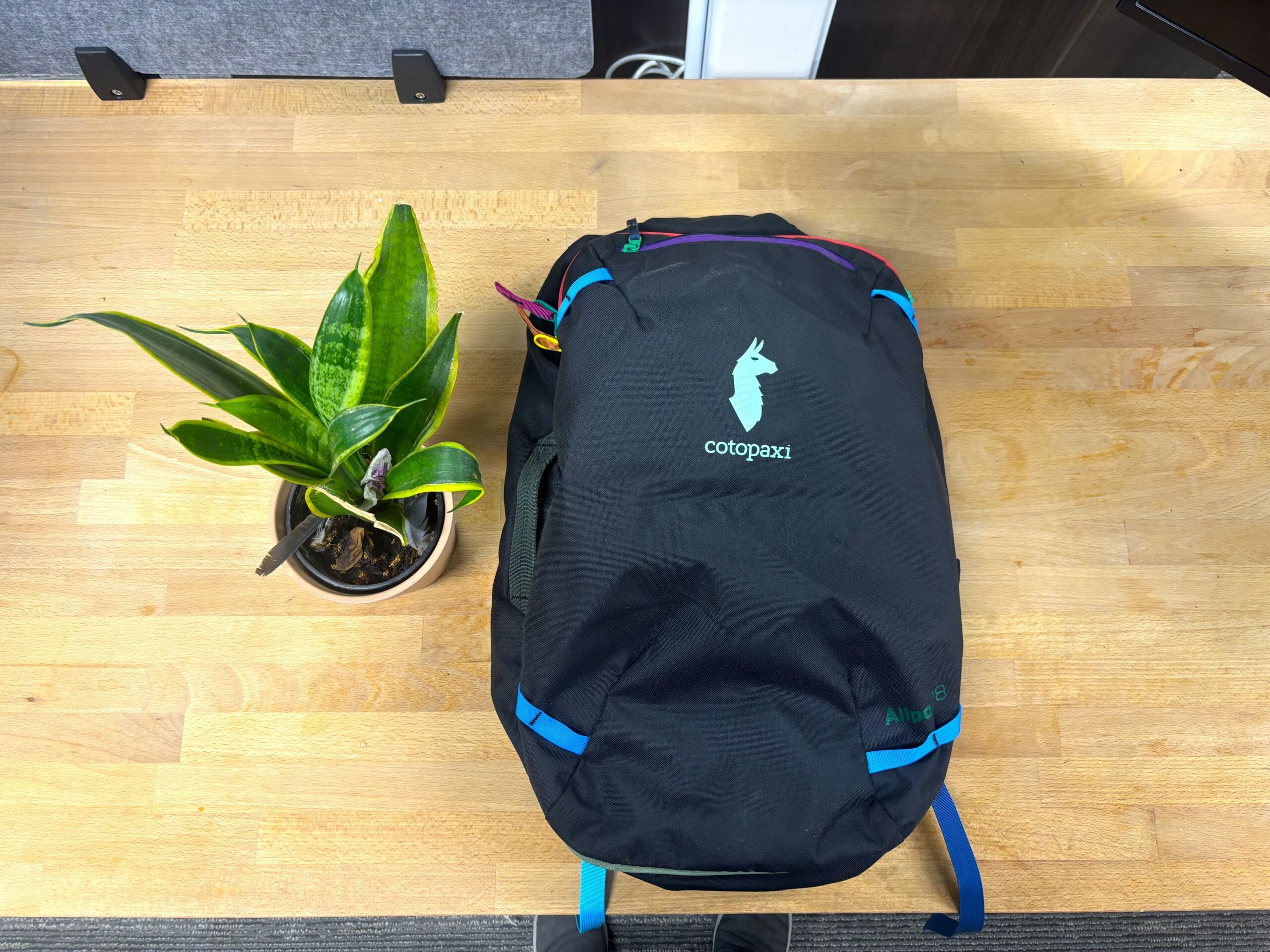
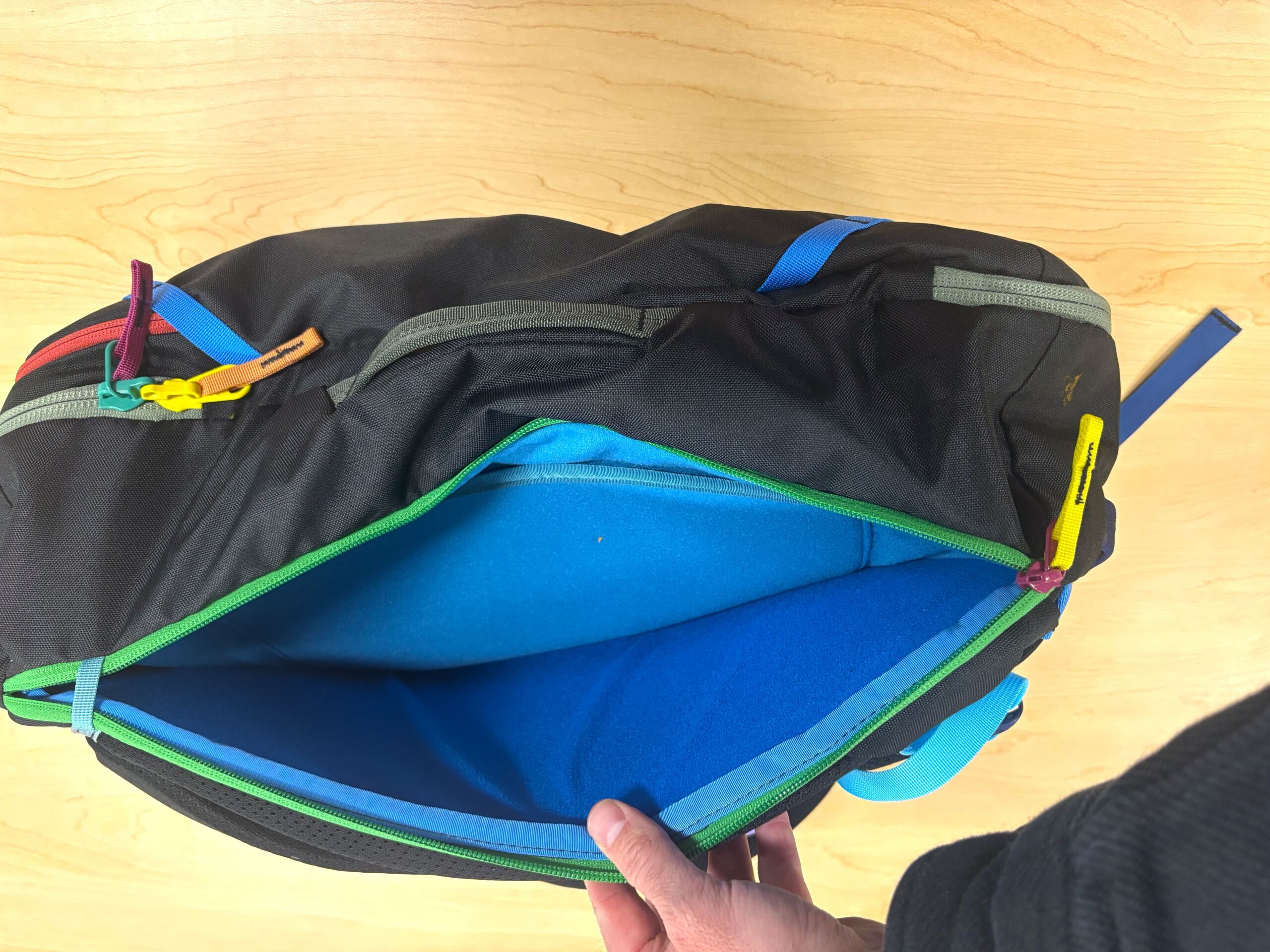
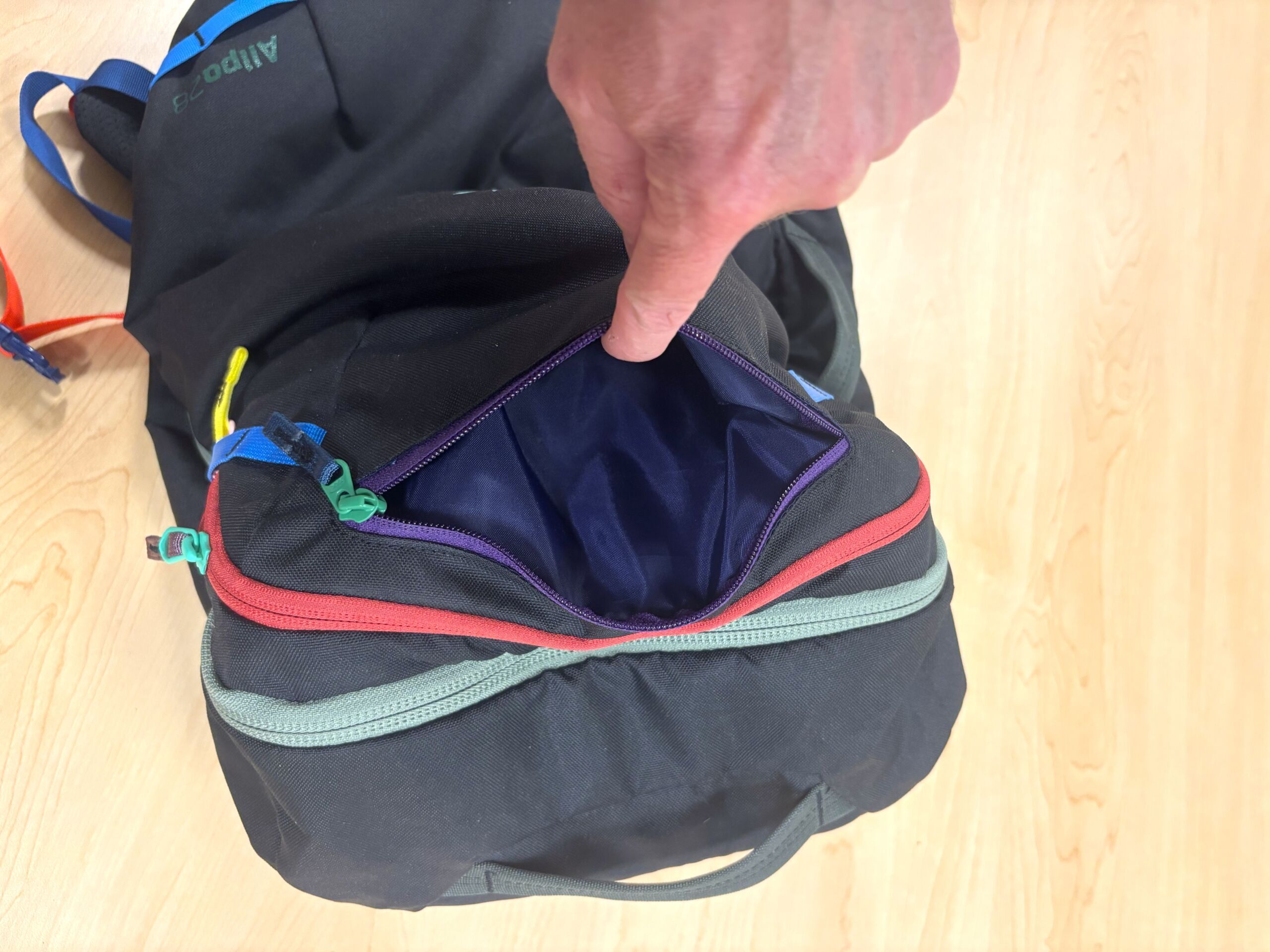
The Del Día Dark version, which I have and rarely leave home without, is built from 100 percent deadstock nylon and polyester left over from other brands’ production runs, cut in darker tones than the standard rainbow Del Día. It’s cool because no two packs match, so even though you’ll likely see another Allpa pack on the hill or in town, you’ll still maintain your individual integrity. I use mine for travel and adventuring, but also for work – it comes with me to my coworking space every day and is on my back when I’m bike commuting around town.
Getting there without looking like you’re getting there

Photo: Alisha Wenger
Checked luggage is the one place a city dweller can out-gear the locals, since most of them haven’t flown with a suitcase in years. Mountain town airports are small and the carousels are slow. Not the moment for a bag with a wobbly wheel.
Cotopaxi’s Coraza line is the brand’s first hardshell roller, and it it channels the brand’s vivid vibes while optimizing them for hectic travel days. I acquired both the carry-on roller and the checked roller when they came out earlier in 2026 and they’ve become my staple. I travel for work at least once a month, and the carry-on has been with me on every trip since I got it. The shell is fully recycled polycarbonate, ribbed horizontally to echo the baffles on the Fuego, so the two pieces look like they belong together. There are no zippers. TSA-approved locking latches close the case instead, because zippers are the first thing to fail on luggage and close to impossible to repair once they go. Inside, removable liners made from recycled fabric clip in and out and double as packing cubes, so you can unpack in a cramped condo without splaying the clamshell across the bed.
What’s particularly cool about the Coraza line is that wheels, axles, handles, latches, and liners are all replaceable by the owner, with parts handled through Cotopaxi’s warranty and spare wheels sold on its site. Again, buy it once and it will never need to be replaced. Oh, the simplicity!
Time to get stoked
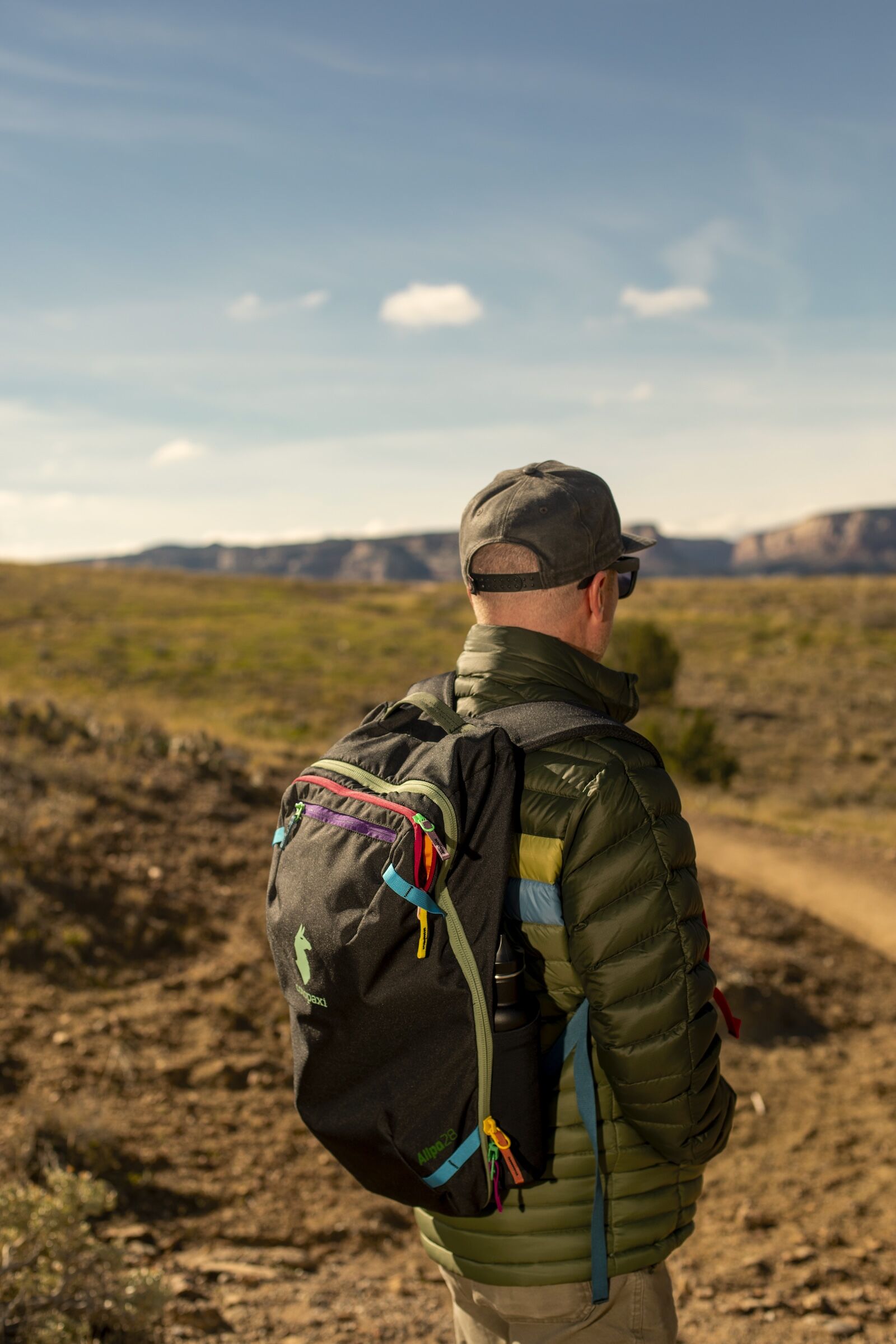
Photo: Jeff Chrisler
There are some common phrases you’ll encounter on your trip. Most are far more innocent and basic than they hit the first time you hear them.
- Bluebird: a sunny, cloudless day after a storm. This is the gold standard of adventure life in the high country.
- Pow: fresh powder. A “pow day” is the only accepted excuse for being late to anything, including work.
- Après: the drinking that happens after skiing, often in ski boots, often starting at 3 pm. Attendance does not require having skied. Many regulars haven’t.
- Gaper: a visitor who is visibly out of their element. Named for the gap of forehead between goggles and helmet.
- Send it: commit fully to the activity, whether that’s getting to the top or bottom
- Liftie: the person running the chairlift. Never ask what they do for a living. This is what they do for a living.
- Dirtbag: A complimentary term for someone who has arranged their entire life around snow and owns almost nothing beyond ski gear. Very likely to live in a van in the resort parking lot.
I’ll never forget the time back in college when I complained to a buddy about a long lift line or something of the sort, groaning that I wanted people to just go home. His response set the course for how I view mountain towns to this day: the visitors basically sign our paychecks. None of this would be here without them.
That knowledge is key to settling into mountain life. Ski towns are friendly places where travelers come from all over to have a good time. Say hi to people on the sidewalk. Tip in cash. Newcomers tend to assume the town exists for the mountain. It exists for the people who live there, and most of them do plenty besides ski. Just don’t bring up real estate prices with anyone who was born there. 