European travel had another record-breaking summer in 2026, but the tourists aren’t going where they used to. New data from the European Travel Commission (the association of national tourism boards that tracks the continent’s visitor numbers) shows international arrivals across the continent rose 2.9 percent in the first part of 2026, with overnight stays up 2.7 percent and four out of five destinations reporting that they drew more foreign visitors.
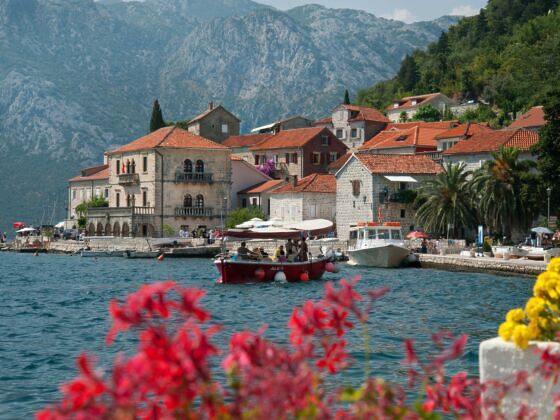
Photo: Evgeny Matveev/Shutterstock
The Hottest Destinations in Europe Right Now? The Cheap Ones.
But that growth isn’t in well-loved destinations like Paris and Rome. It’s concentrated in smaller, cheaper countries, many of which US travelers used to overlook. Malta, Ireland, and Montenegro are among them, while bigger names like France barely moved. Part of that may be due to financial shifts on both sides of the Atlantic. In Europe, inflation is still above three percent, and it’s higher than that in the US, with the average cost of airfare to Europe running 33 percent higher in fall 2026 compared to fall 2025. That means travelers are watching their budgets, and may explain why they’re turning up in Europe’s cheapest corners. Central and Eastern Europe are now outpacing the Mediterranean. Here’s what to know.
Malta had the summer’s biggest jump
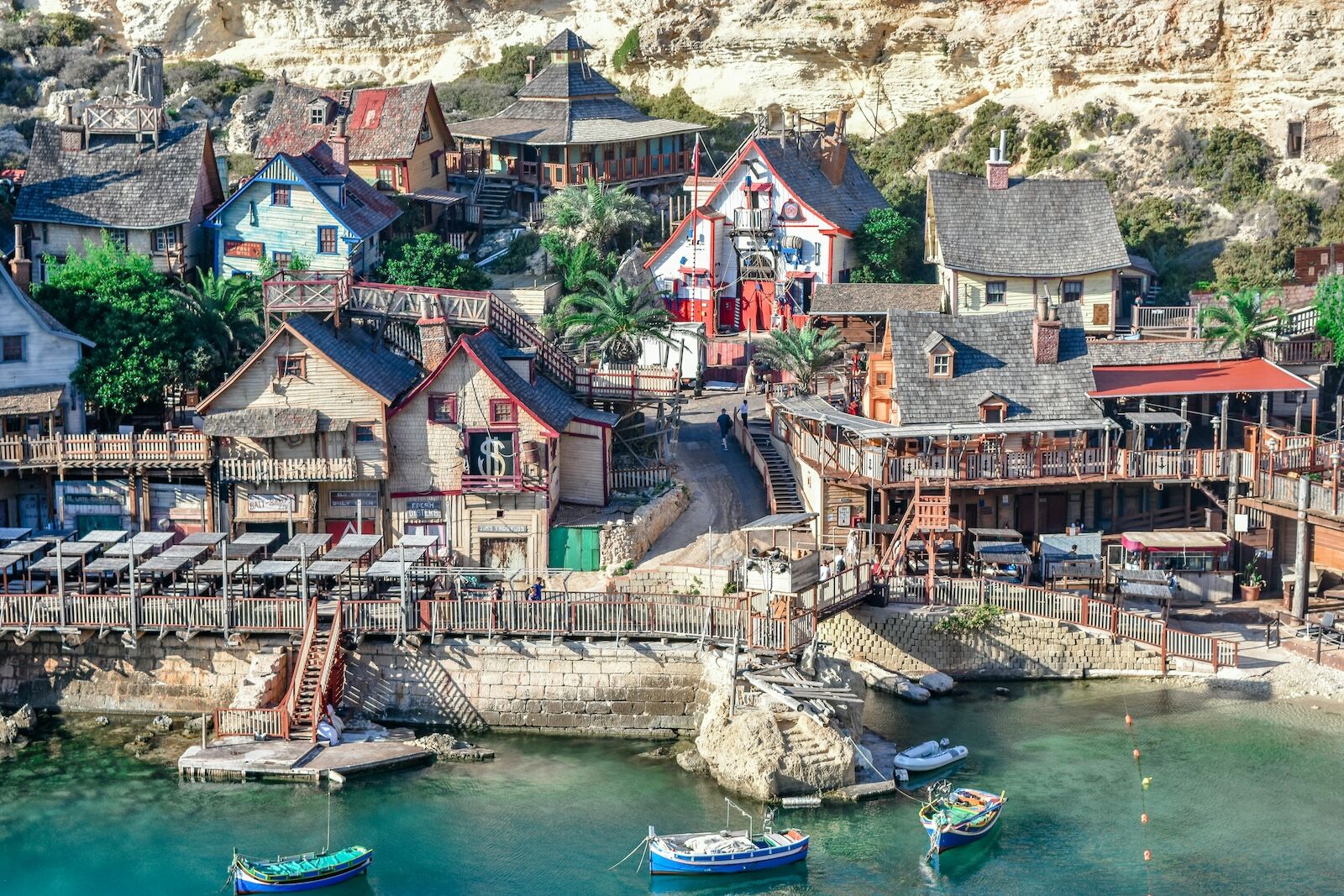
Photo: alehandra13/Unsplash
No country grew faster on arrivals than Malta, up 18.1 percent. Cheap short-haul flights and visitors from nearby European markets drove most of that, the European Travel Commission found, meaning the island filled up on budget carriers running quick hops from the rest of Europe rather than long-haul traffic. That also explains why nights grew more slowly, at 10.1 percent: a lot of these trips are long weekends, not two-week vacations. Malta is built for a three- or four-day getaway and is still one of the Mediterranean’s cheaper places to chase sun and history. It also stays warm well into fall, so doing a spring or fall trip skips the worst of the summer crowds and prices while still offering great weather.
Travelers are staying longer in Ireland
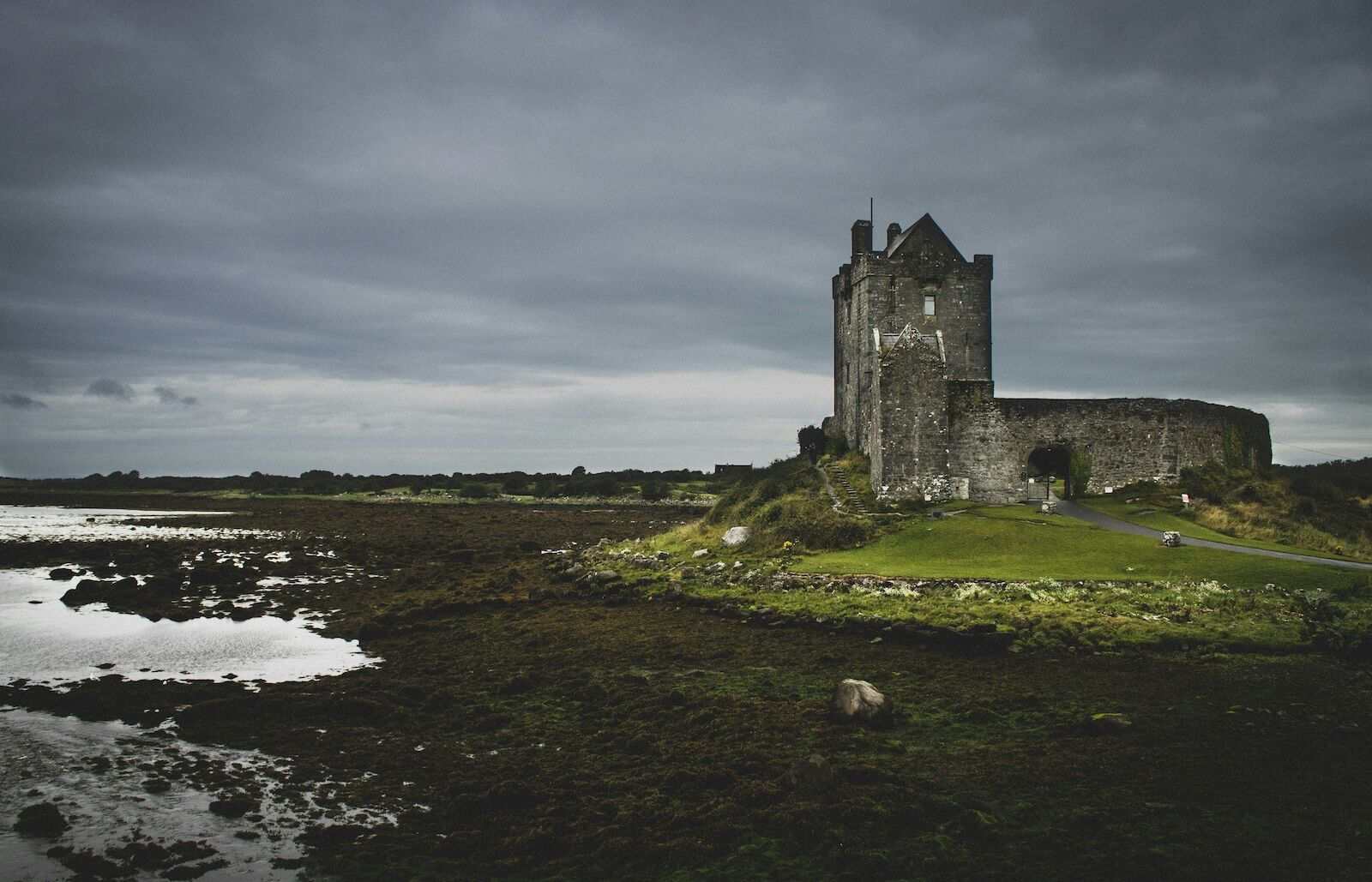
Photo: Matteo PaonessaUnsplash
Ireland’s arrivals rose 12.7 percent, but what stands out is the number of overnights, which rose by 17.6 percent. It was the largest jump of any European country in 2026. When nights climb faster than arrivals, it means people are staying for longer. It suggests more and more visitors may be viewing Ireland as a place to road trip or tour, rather than just doing long weekend trips to Dublin. And that’s probably correct. One famous driving route, the Wild Atlantic Way, hugs the country’s rugged west coast for about 1,600 miles, stringing together sea cliffs, green peninsulas that jut into the Atlantic, bucolic farmland, and fishing villages. Almost none of it is near Dublin, on the opposite side of the country. Most of the country is also much cheaper than Dublin, which has some of the priciest hotels in Europe.
Montenegro, a cheaper alternative to Croatia
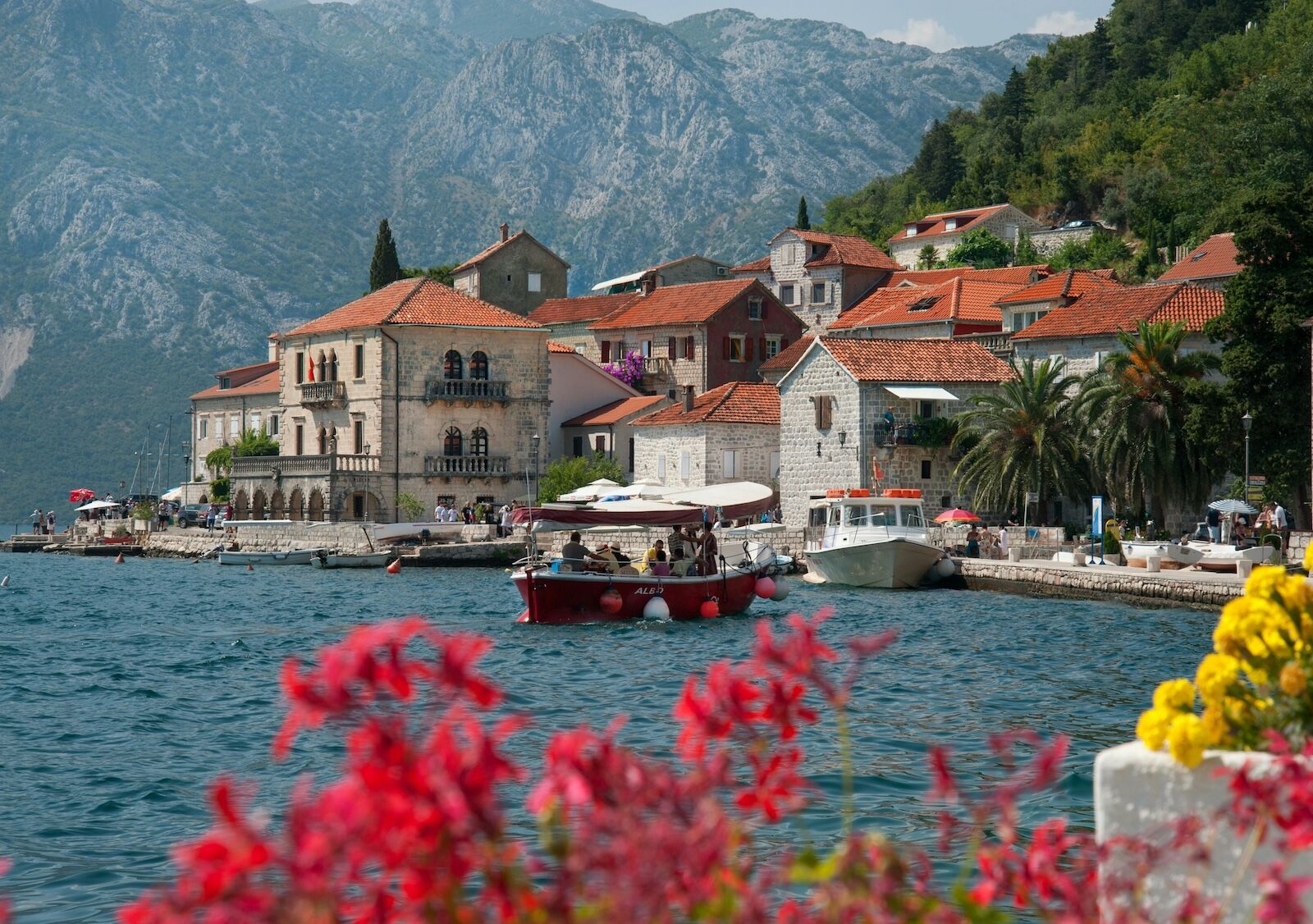
Photo: Evgeny Matveev/Unsplash
Montenegro’s 9.6 percent arrivals bump has a clear reason why: Wizz Air opened a base at Podgorica airport in spring 2026, and flight volumes jumped 30 percent year over year, with new direct flights to smaller cities like Tivat. It’s fairly easy to explain away the rest. Montenegro’s coast looks a lot like Croatia’s, with the same turquoise Adriatic views, walled medieval towns, and mountains that drop straight into the sea — but visiting costs noticeably less.
Slovakia is cashing in on the outdoors
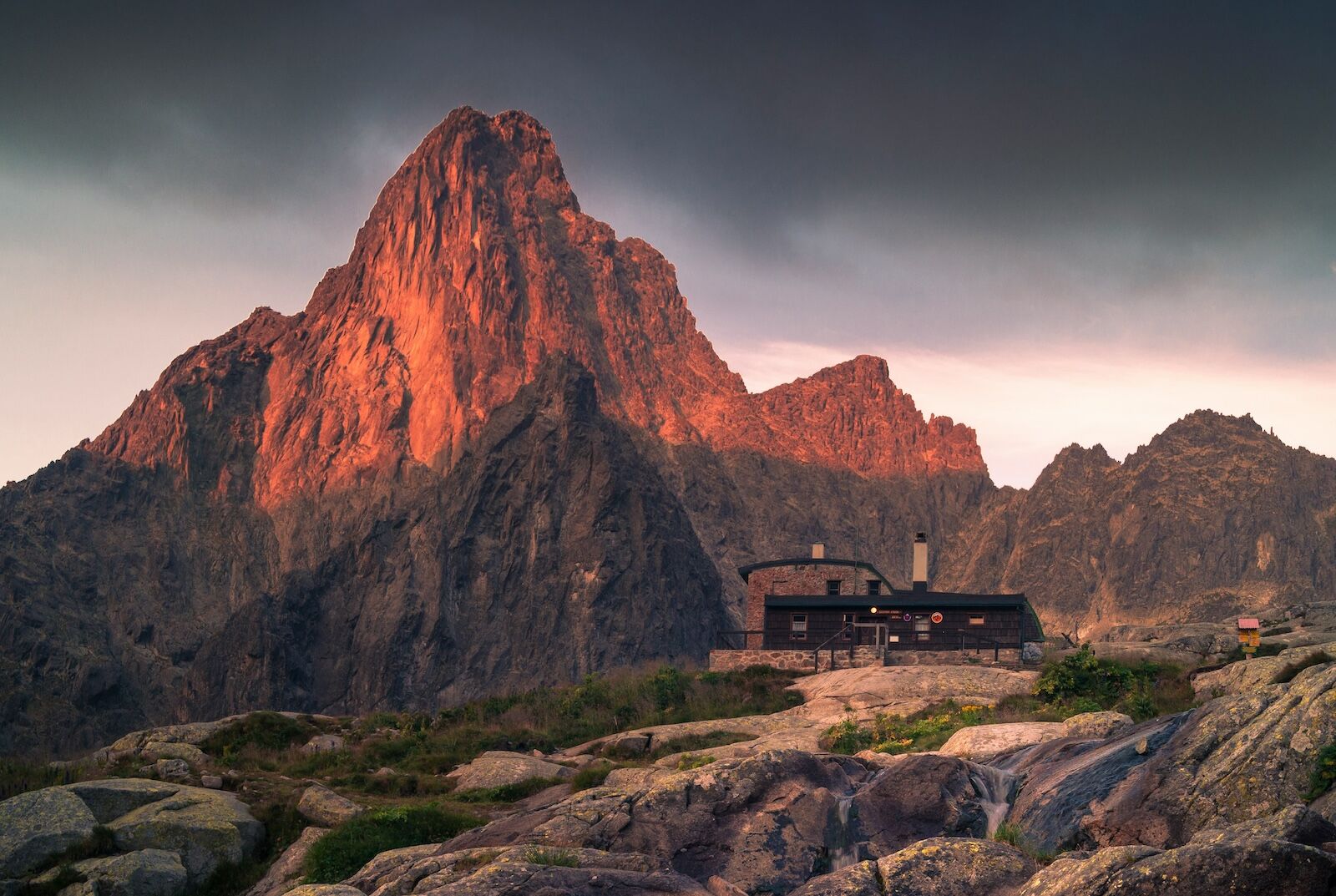
Photo: Štefan Štefančík/Unsplash
Slovakia was the fastest-growing destination in Central and Eastern Europe, with arrivals up 14.8 percent and overnight stays up 15.4 percent. The commission credited an interest in nature and wellness trips for most of the demand.
The appeal is partially that it’s a cheaper version of the Alps, with regions like the High Tatras (jagged granite peaks on the Polish border known for hiking and skiing) and a string of thermal spa towns like Piešťany, where you can soak in hot mineral water for a fraction of what a Western European spa charges. Bratislava, the capital, is about an hour from Vienna by train, making it easy to tack the country onto a bigger Central European trip rather than building a whole vacation around it. For anyone who’s watched the Alps get pricey and packed, Slovakia is turning into the value alternative.
US travelers are part of the shift
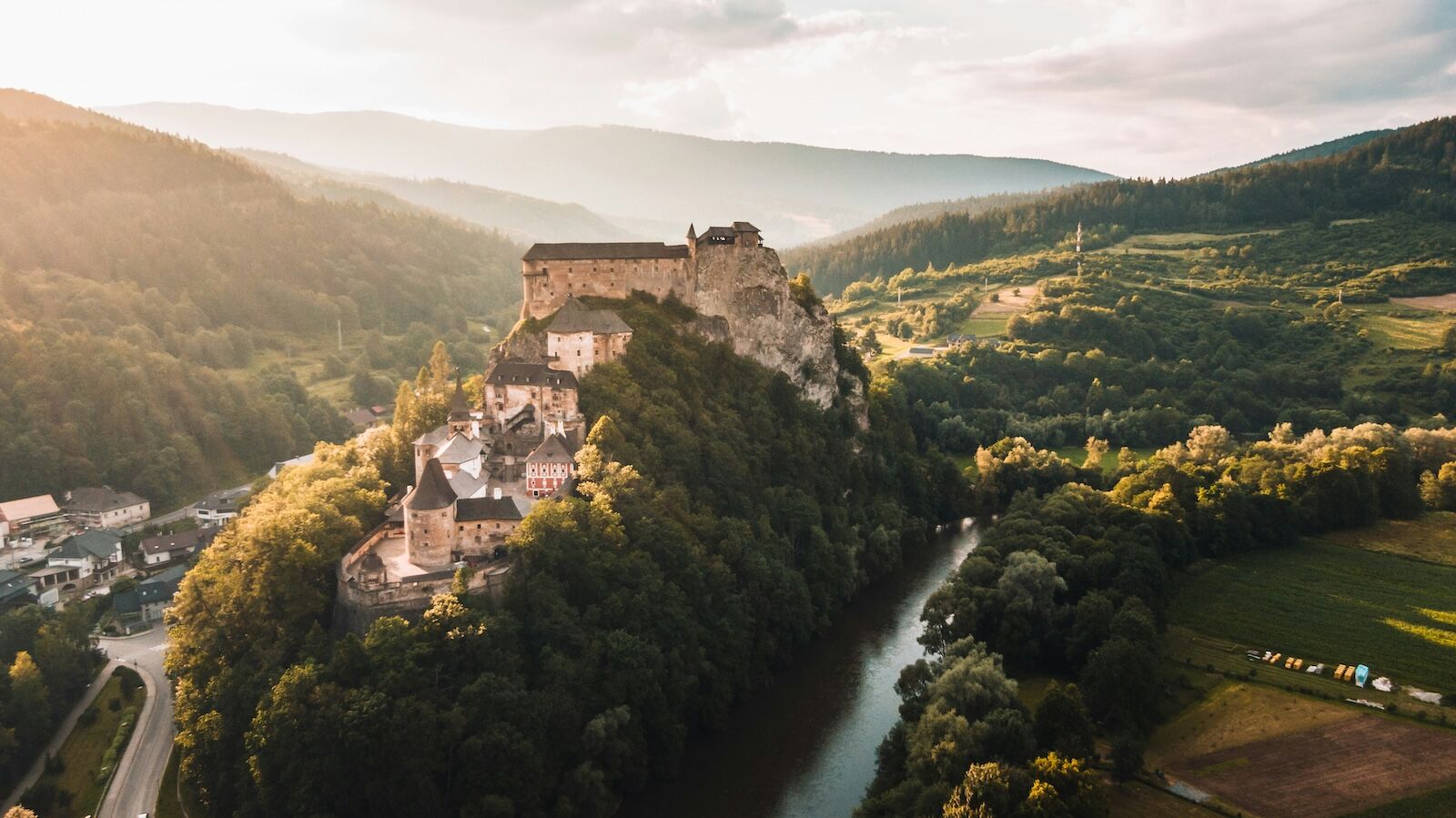
Photo: Martin Katler/Unsplash
In 21 of 28 countries, arrivals from the US were up. Spain still pulled in the most Americans by volume, growing 11.6 percent, but the bigger jumps were all in the cheaper countries. Visits to Montenegro were up 29 percent, Romania 24.7 percent, Slovenia 24.1 percent, and Poland 20.5 percent. So if your Instagram feed seemed heavy on Kotor and Kraków this year, that’s why. The report says it doesn’t think the pattern is a fluke, projecting the numbers in Central and Eastern Europe to rise by about another 10 percent in 2027. So if one of these countries has been on your list, 2027 could be the year to make it happen. Montenegro, Slovakia, and the rest are still affordable and uncrowded now, but growth like that tends to bring higher prices — exactly what happened to Croatia and Portugal a few years ago. 