Mountain biking is among the fastest-growing outdoor sports in the United States. Aside from the fact that two years of COVID-19 sent Americans scrambling toward new adventures in their local forests, it’s partly because of better bike technology and the huge number of trails built in the last five years by local trail and stewardship foundations. And on top of that, no longer is a hardtail bike with limited sizing your only option. New bikes have dual suspension to absorb impact in the front and rear, longer (slacker) frames that make it easier to send it faster and steeper without taking a header, and options like dropper posts and low-fill tubeless tires that can save the butts (and guts) of riders as they progress to increasingly challenging and rocky terrain.
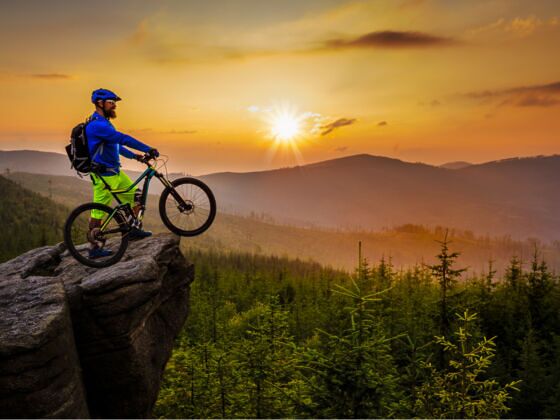
The Best Eco-Friendly Men's Mountain Biking Gear for Your Next Ride
Increased access to backcountry trails and better maintenance of those trails has grown with the demand; even GoogleMaps now shows legal trails. And, above all else, a slew of specialized and eco-friendly clothing and gear means you can hit the trails without hitting the planet and carry your bike and tools without using brand new plastic products. No matter your skill level or destination, the following items are essential for a successful mountain bike trip, whether it be one day or one week long.
Before you hit any backcountry trail, download a GPS-enabled trail map app. There are many available for mountain bikers, including AllTrails, which has recently updated its entire platform to be more user-friendly for users beyond hikers. I’ve used it extensively for mountain biking as well as hiking and other activities over the past year since the update launched, and its taken over the majority of my navigation tracking. Grab 50 percent off a Pro or Plus membership this season.
MTB Project, a trail app developed by REI, is the most comprehensive mountain bike trail guide you can have on your phone, and it’s free to download on iOS and Android. The app features mountain bike trails around the world, searchable by specific location. Riders can check into a trail, share conditions, post photos, and offer advice for important issues like where to grab a post-ride beer. The app is the ultimate trip-planning tool for riders, especially when paired with a trail map from the local bike shop.
Many riders opt for the Trailforks app, which is ideal for downloading maps before heading deep into the backcountry. It also allows you to quickly check trail conditions based on recent rider reviews.
Check out our guide for women’s mountain bike gear here. And of course, all the gear and recommendations for storage and repairs are exactly the same, so scroll down to racks and more if you’re just on the prowl for hardgoods.
We hope you love the eco-friendly mountain biking gear we recommend! Just so you know, Matador may collect a small commission from the links on this page if you decide to buy anything. Listed prices are accurate as of the time of publication.
Eco-friendly mountain bike gear basics
Mountain bike shoes
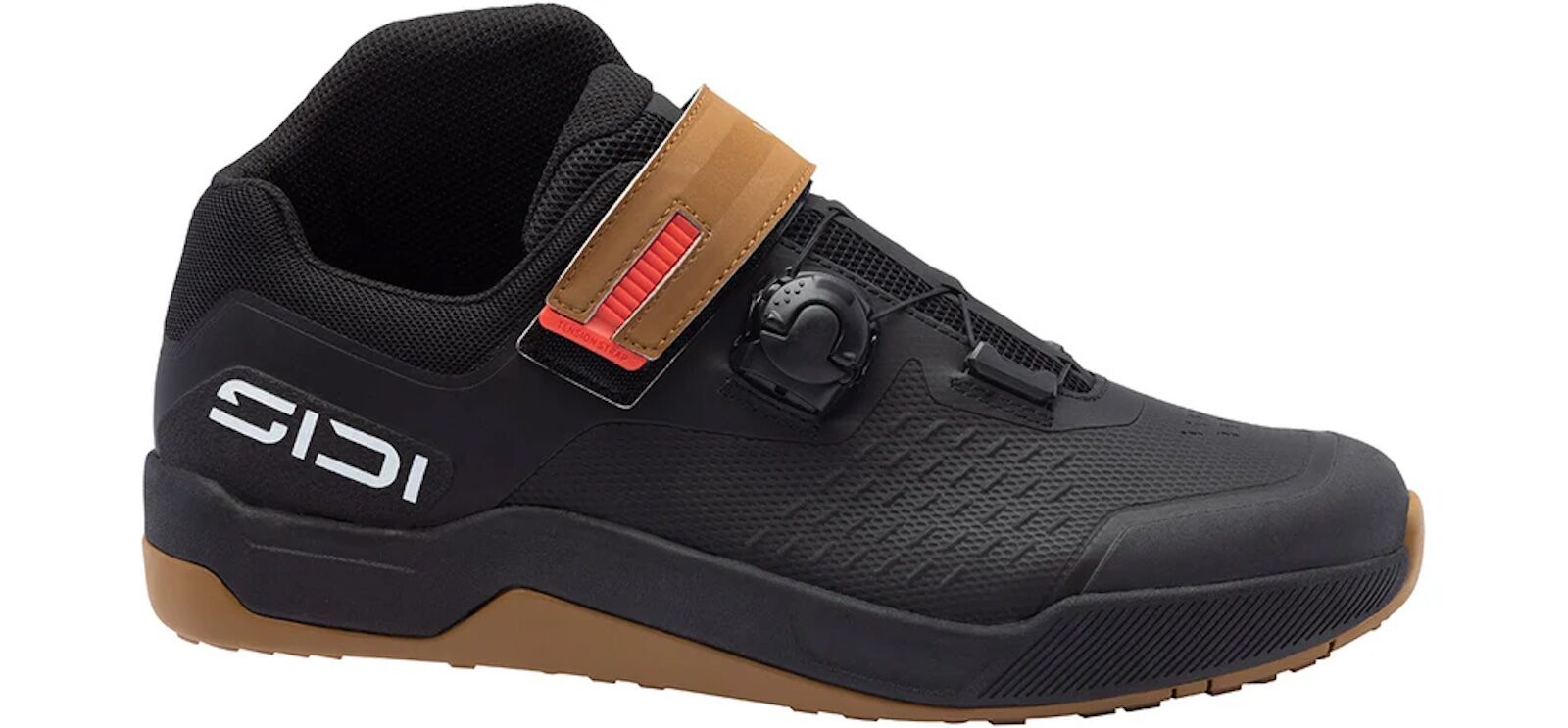
Photo: SIDI
SIDI is a European bike shoe brand known more for clipless shoes than flat-pedal options. The brand has re-entered the US market with excellent options for both styles, however, and I recently got a pair of the Descentios and have been riding them exclusively this spring. I tend to do mostly cross-country riding with a bit of downhill across Colorado here and there. The shoes feature SIDI’s D30 technology to prevent ankle rubbing and injury, and the shoes tighten via a BOA-style dial system that means no untied laces on the trail. The grip is sticky and clean with a strong rubber sole. Importantly, the shoes feel good on my feet, even after longer rides I’m not itching to take them off.
The brand posts its sustainability outline on its website, noting its efforts to minimize waste production during the manufacturing process as well as during packaging. My package arrived plastic-free, which is always a good first impression.
A comfy chammy and bike shorts
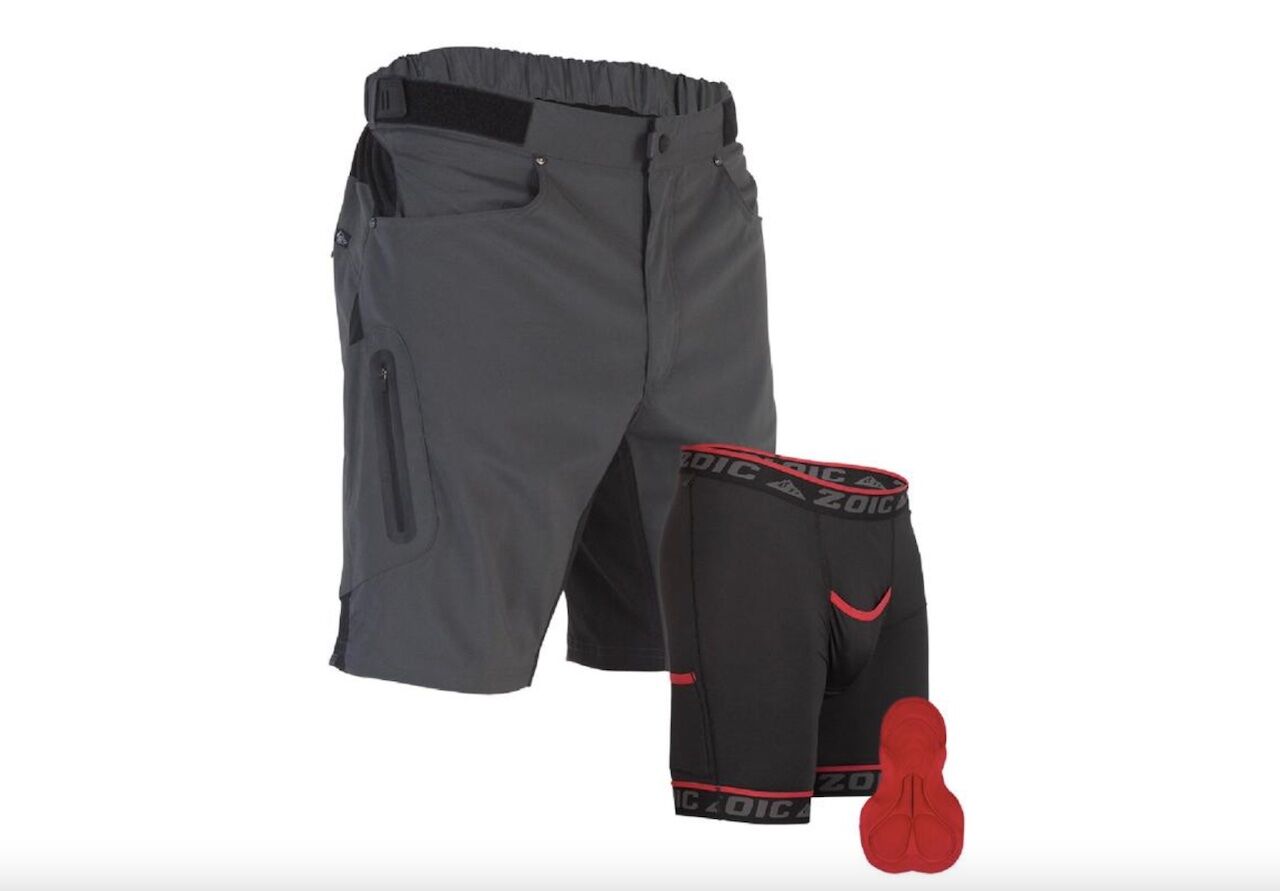
Photo: REI
A breathable, comfortable chamois is an essential piece of mountain bike gear for long rides. The Zoic Ether 9″ Bike Shorts and Liner top the list because the chammy (the inner layer) has a lightly padded rear and cool mesh fabric. The outer short has an adjustable waistband, and the shorts fall above the knee so as not to inhibit movement. These shorts will keep you relaxed and comfortable on every ride, no matter the quality or shape of your bike seat.
A breathable, moisture-wicking jersey and shorts
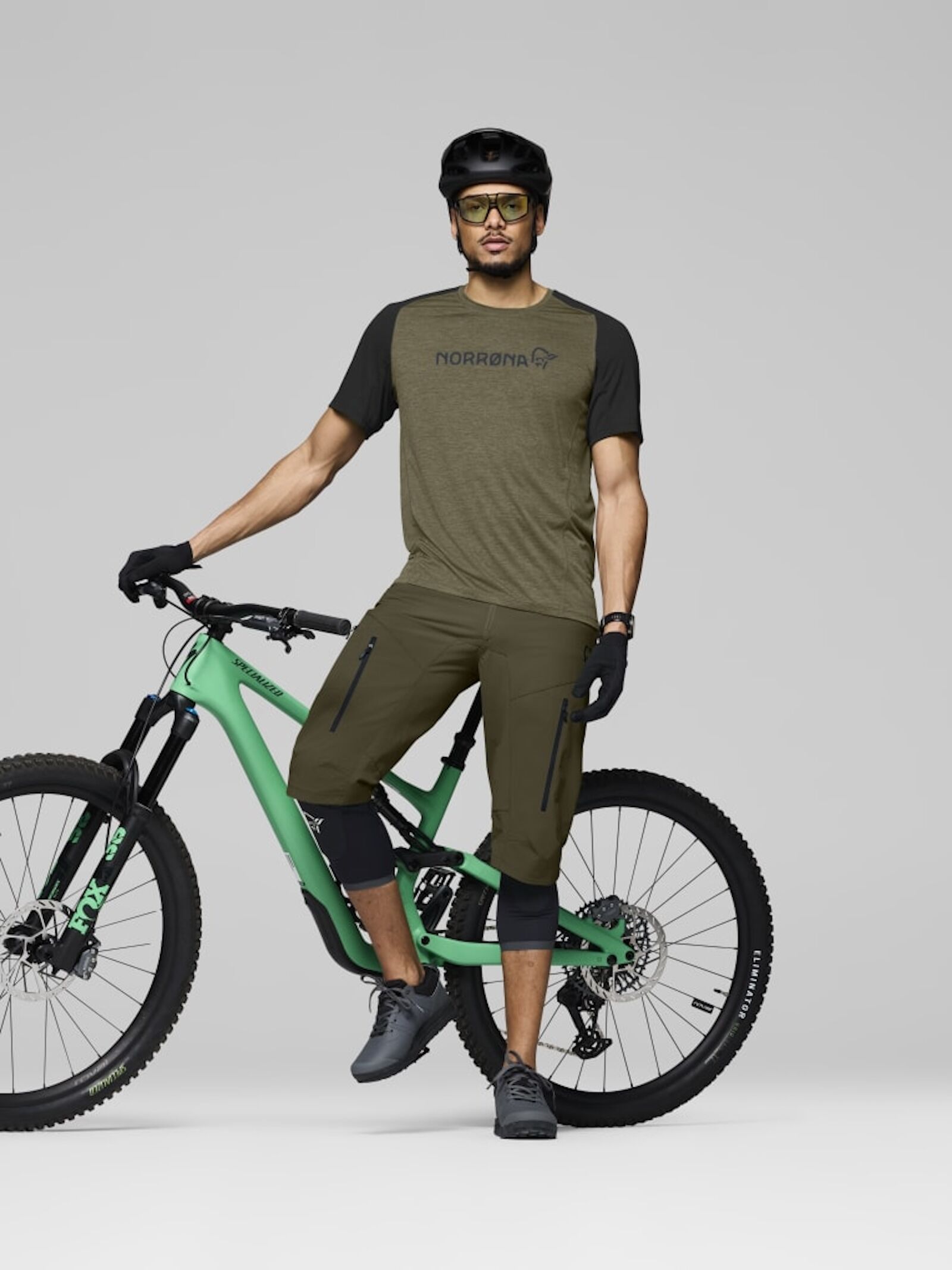
Photo: Norrøna
Mountain biking, particularly cross-country and enduro, is great excercise — and you’re going to work up a sweat. Norwegian brand Norrøna makes an excellent bike jersey, the fjørå Equalizer Lightweight Short Sleeve shirt, and a matching pair of pants and shorts, the fjørå Flex1 Tech line.All are breathable and flexible, while wicking moisture as you ride and looking cool at the same time.
Buy Now – Jersey
Buy Now – Pants
A good helmet
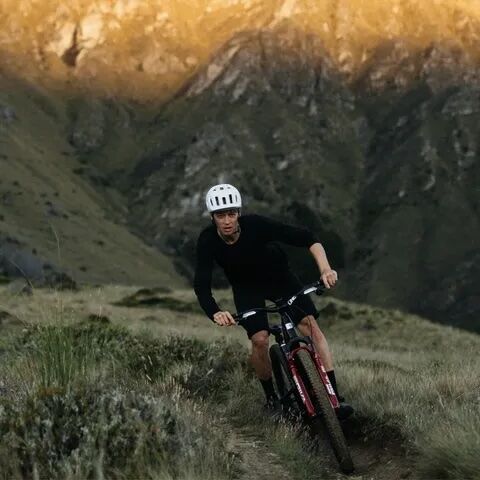
Photo: POC
In general, look for a helmet with Mips technology, which essentially allows the exterior of the hemet to shift a bit on impact — that absorbs most of the impact, rather than transferring that sudden, jarring impact to your skull. I first discovered POC when I was on the hunt for a new pair of splitboarding shades, and those worked so well that I’ve trusted the brand’s new Cularis helmet, as well. This trail helmet is built around two priorities that have historically competed with each other: low weight and effective protection. The company used heat-flux modeling and computational fluid dynamics testing to tune airflow at both climbing and descending speeds, while keeping the helmet to 350 grams in a medium under EU standards. In MTB terms, that means it optimizes air flow through the helmet’s windows and front to remain comfortable, while including Mips Air Node, an adjustable 360-degree fit system, eye garage storage, Aramid bridges for added structural stability and penetration protection, and a patented breakaway peak designed to reduce force transfer in a crash. After that mouthful and a handful of rides on the helmet so far, I’m sold.
Shin guards and knee pads
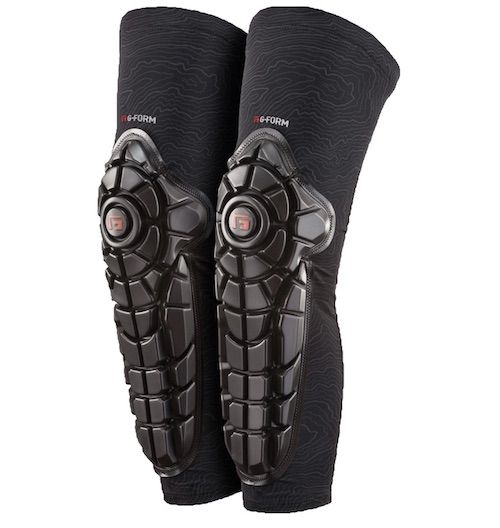
Photo: G-Form
Like everything in life, getting up to snuff in mountain biking involves making mistakes and learning from them. One mistake you’ll only make once is sometimes called the “snakebite.” This involves a sudden stop, fall, or anything else that results in your pedal suddenly slamming into your shin. It’s quite painful, but it’s also a near-guaranteed way to go home with an unwanted collection of small scars on your leg from the pedal’s grippy pegs. You can avoid both the “snakebite” and other minor shin and knee scuffs by wearing the Elite Knee-Shin Guards from G-Form.
Durable mountain bike gloves
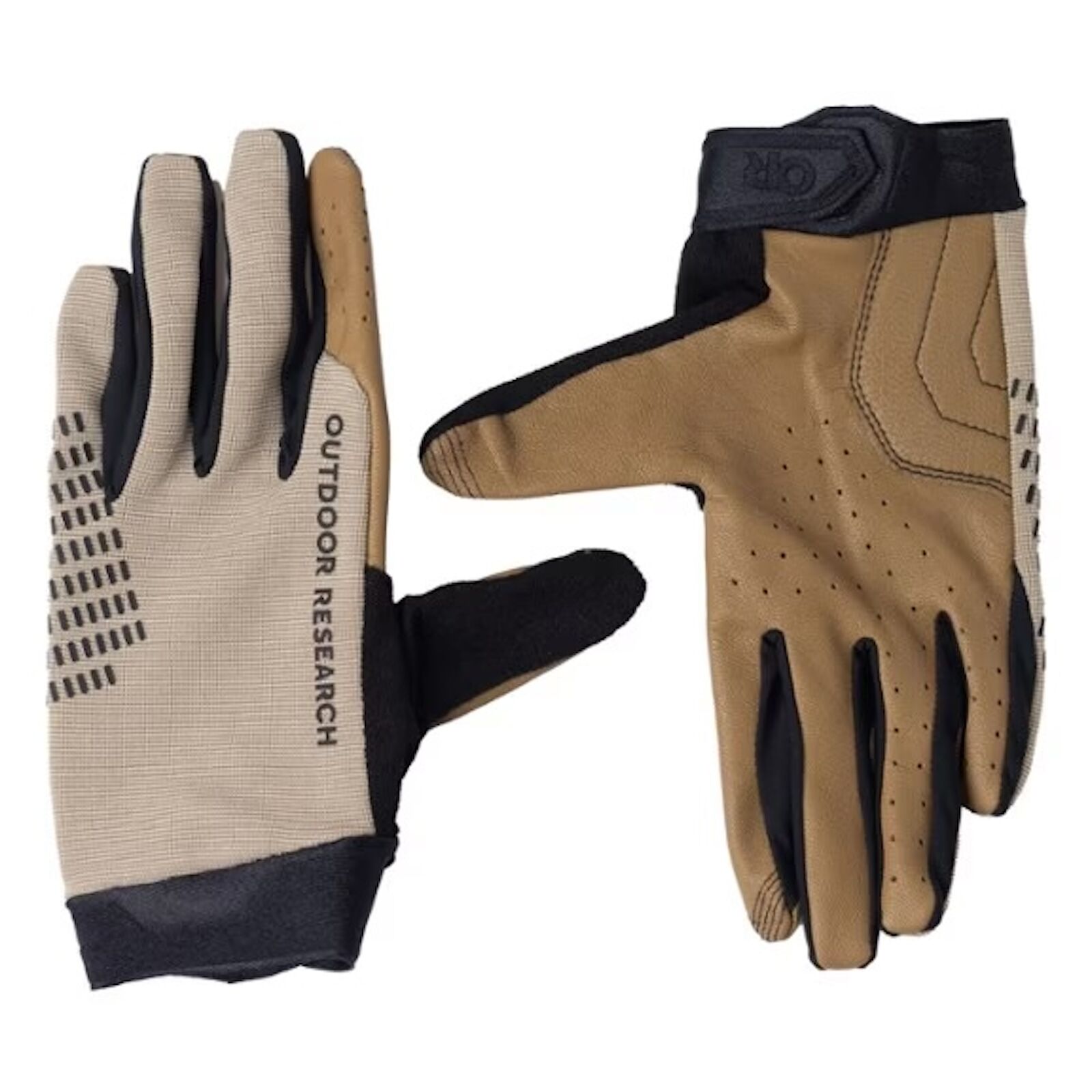
Photo: REI
Outdoor Research recently dropped the most comfortable, durable, and functional mountain bike gloves I’ve tried — the Freewheel Leather Palm Bike Gloves. The goat leather palm makes the gloves more stretchable than other pairs I’ve owned, without sacrificing function. That’s combined with the mostly nylon build that also features some poly and spandex. I like a tight pair of gloves where I can move my fingers quickly as though there’s nothing there. In that sense, these gloves are the closest thing to mittens yet in the MTB space.
The gloves aren’t waterproof but they are very breathable, so if you do get caught in a storm they’ll dry out quickly. Plus, they’re touch-screen compatible and include a back of thumb sweat wipe, the gloves are also as productive when you’re stopped as they are in action. For $59, you won’t find a better pair of biking gloves.
Backpack
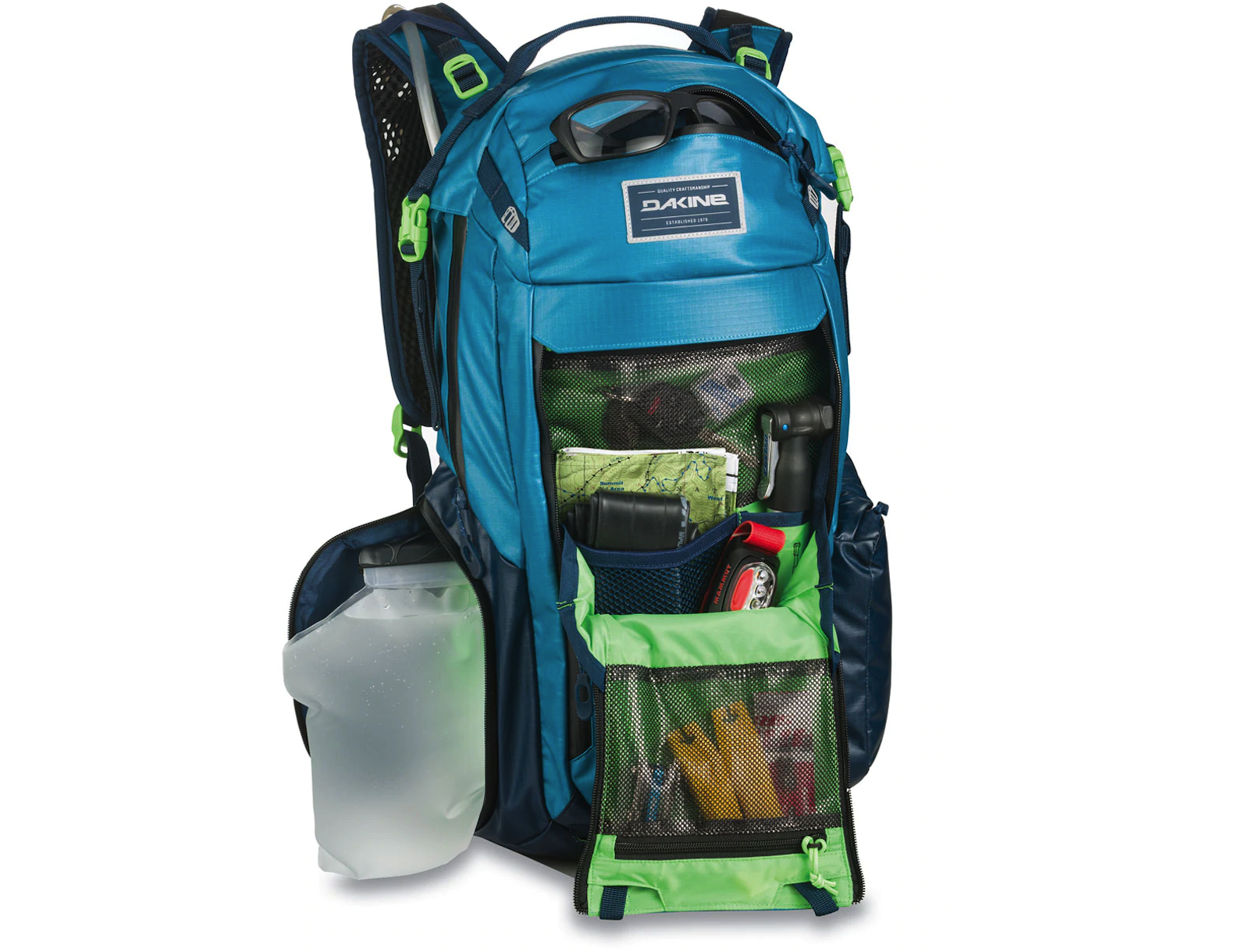
Photo: Dakine
When looking at backpacks, consider two options: a day pack and a multi-day pack. When heading out for a day on the trail or embarking on a trip where you’ll be returning to the trailhead each day with a chance to replenish basic supplies like water, opt for a small pack with a water bladder. It doesn’t need to be one specifically for mountain biking — though the Dakine Seeker 10L is perfect and from a company with a good track record on sustainability.
For longer or overnight excursions, a larger option like the Dakine Seeker 18L is ideal. You want at least 12-15 liters of storage space for gear, food, and other essentials, and water bladder storage and access, which this pack provides. Its real advantage over a traditional backpacking pack is that it doesn’t sacrifice the huggy, compact design of a biking daypack. The Seeker won’t get in your way and won’t spill out should you take a tumble. Whether you buy one of these packs or not, make sure the pack you do choose has a chest clip and a hip belt, both of which you’ll need to keep the pack snug on your back on the downhills.
Smith Wildcat ChromaPop Sunglasses
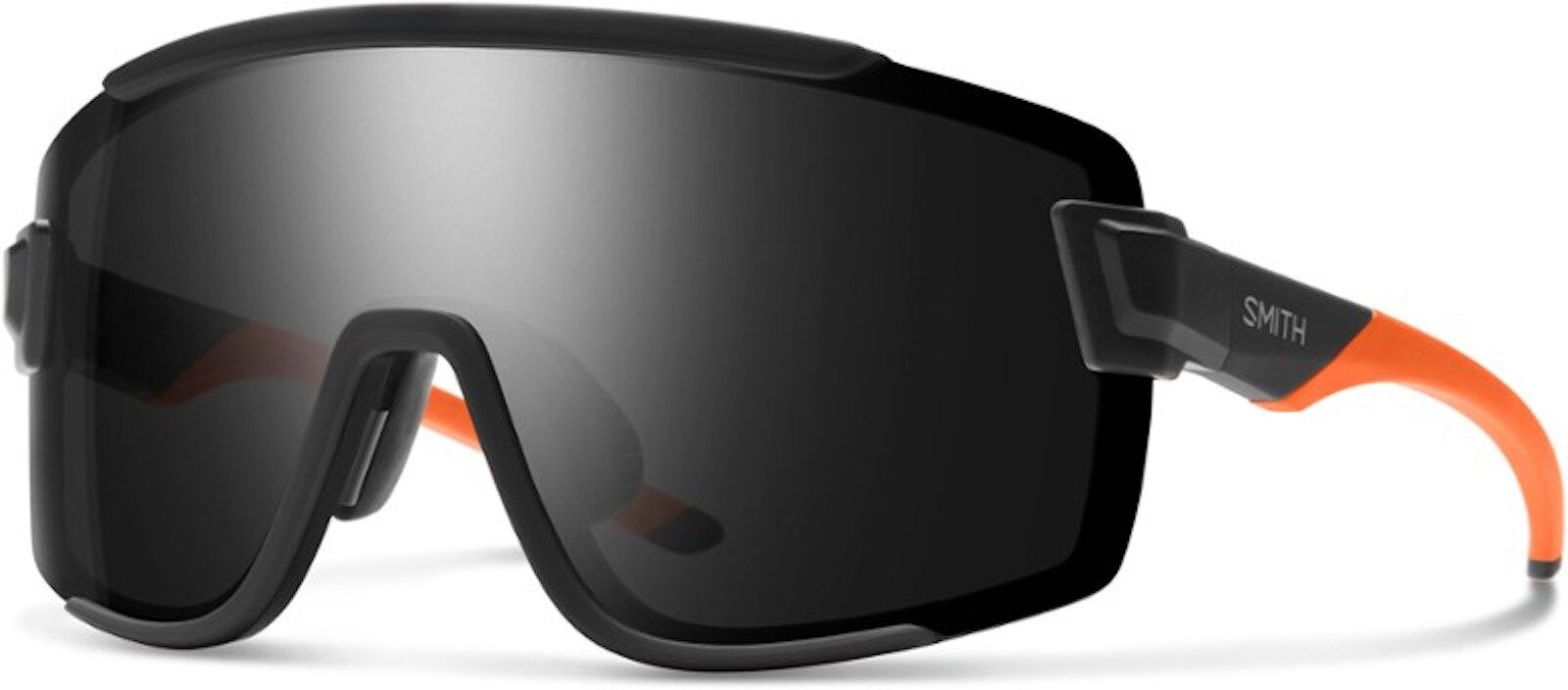
Photo: REI
When riding, you want a pair of shades that will stay on your face. You also need those shades to remain in place without straining your ears or nose. For this, there’s no better option than the Smith Wildcat Chromapop Sunglasses, available through REI. The ChromaPop lens shields bright light, ideal for high-altitude rides or anytime you’re in Moab, Fruita, or elsewhere where slickrock desert forms the base of your ride. Keep them in the case in your pack when not in use and never worry about them being lost under the car seat or sat on during an après-ride beer session. The larger, google-like frame shape also prevent your eyes from getting windblown on speedy downhills — no one wants to take a header because their eyes started watering.
What to keep in your backpack:
- A filled water bladder
- A rain jacket
- A first-aid kit
- Protein bars and snacks. I’m all about GoMacro’s Macro Bar vegan protein bars
- A pair of mountain bike (or otherwise athletic) socks such as Smartwool’s eco-friendly Bike Zero socks for women and men
To get to the trailhead
Outside your vehicle
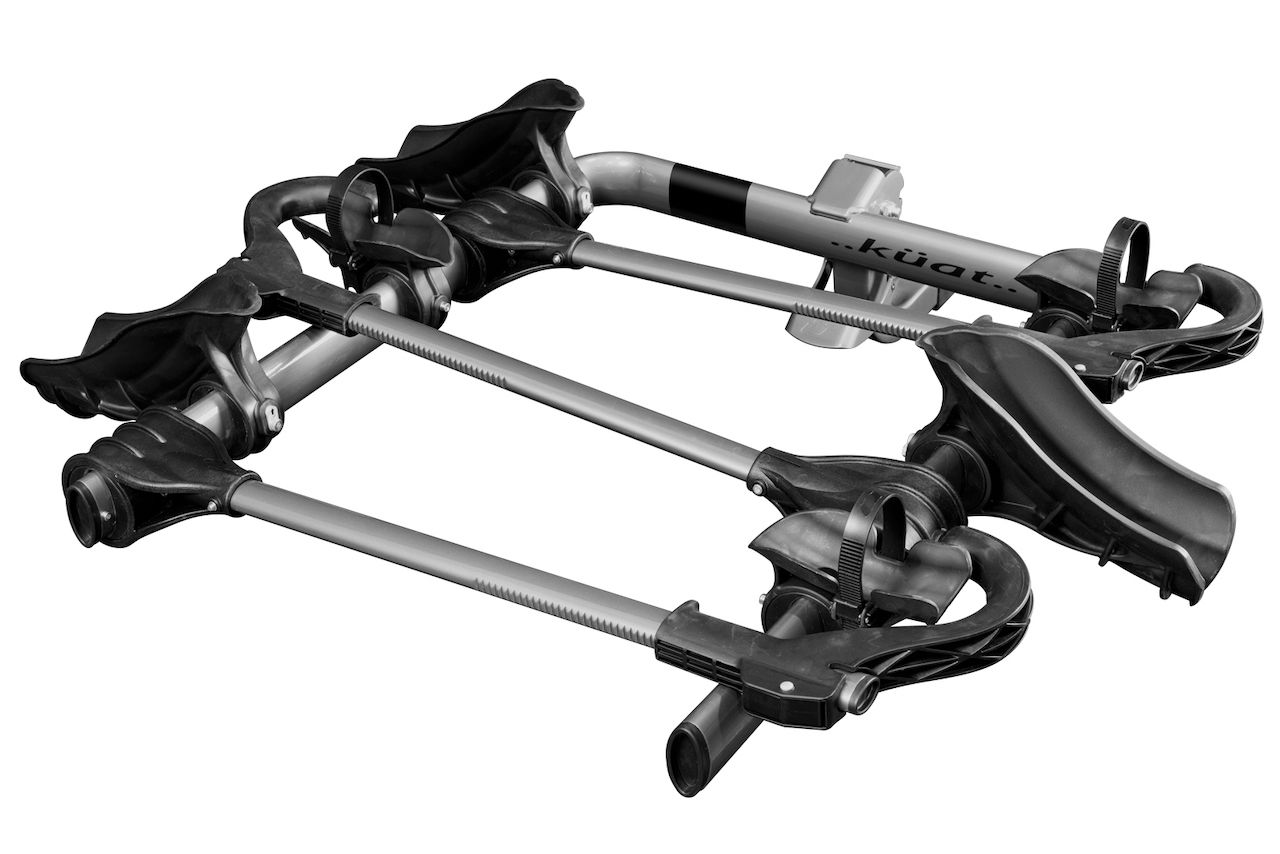
Photo: Küat Racks
Beyond your bike and the gear on your body, the most important piece of mountain bike gear you need is a way to get your bike to the trailhead. Unless you’re riding a Huffy, folding your backseats to maneuver your fully assembled bike into the trunk is a solid way to ruin your investment — both the bike and the car. If you drive a truck, you can load the bike into the back without inherently damaging the tires or your interior, but it won’t help if you slam on the breaks or take a tight turn at some speed.
If you’re going to bike more than a few times, put a few hundred bucks into a rack for your vehicle. The best mountain bike rack for a tow hitch (which you can install for usually around $300) is the Küat Racks’ Transfer, both for day trips and mountain bike road trips. It takes less than an hour to mount and you can easily unhitch and remove the rack for in-town travel when you’re not carrying a bike. The steel rack has over-the-wheel and bike tire attachment points to safely hold your bikes. It’s also easy to lock the bike onto the rack or vehicle, whether with the Küat’s specific lock or, in a pinch, with some general bike locks.
Plan to spend $389 for a one-bike rack and a couple hundred more for a two-bike rack. Add-on pieces to convert a one-bike rack into a double are also available, should need to carry a second bike down the line. Just be sure to check the weight rating for your vehicle and hitch as some heavier mountain bikes and e-bikes can push the limits on smaller sedans.
What to keep in your vehicle
- A lock kit and hitch-pin
- More spare tubes
- Gear for inclement weather or for overnight use
Mountain bike gear for when something goes wrong
Gear to change or patch a tire tube
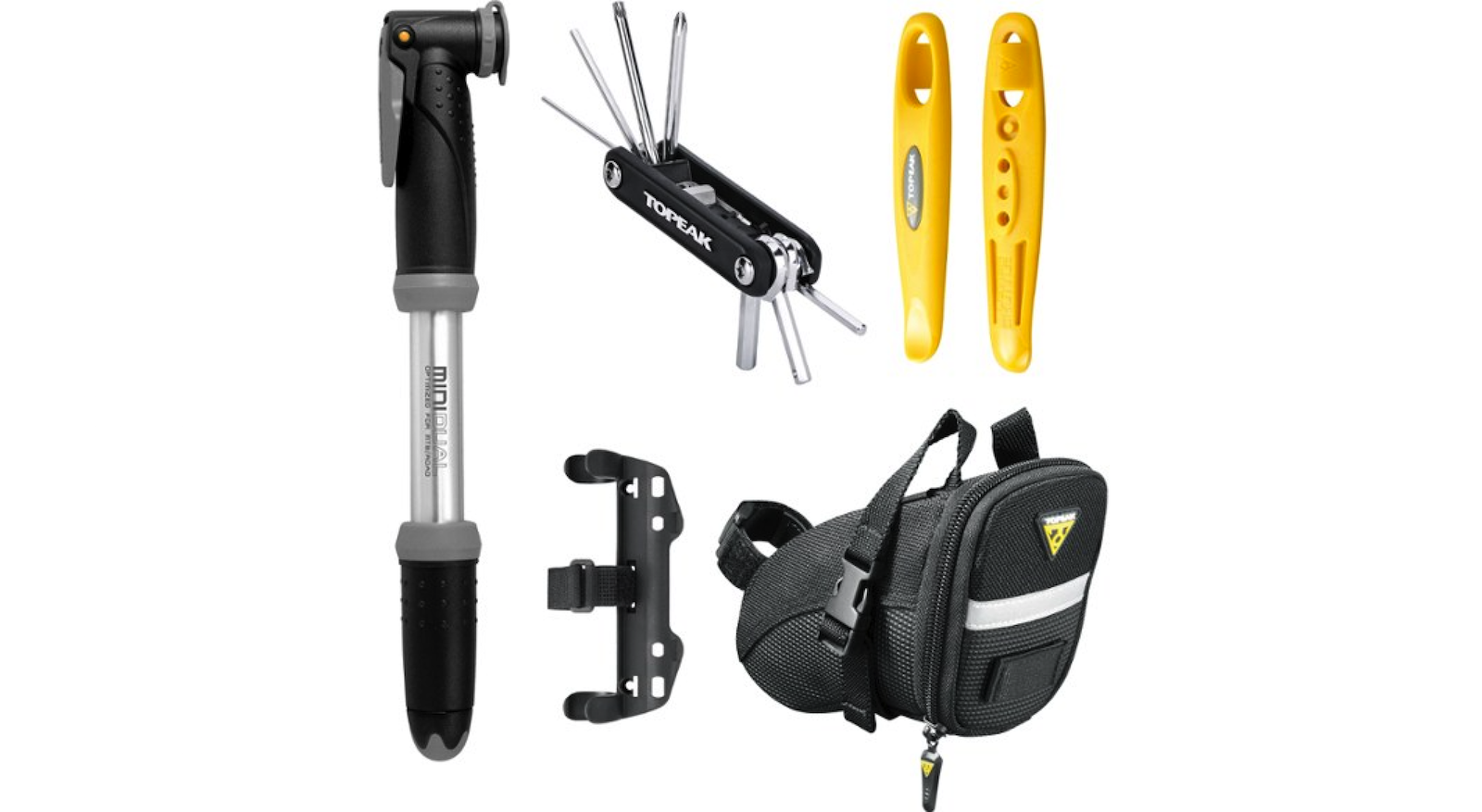
Photo: REI
No one should enter the backcountry on a bike without knowing a few basic repair necessities, starting with how to patch and change a tire or install a tube, should you get a flat. For this, you need five essential pieces of mountain bike gear:
- Steel tire levers — there are cheaper plastic ones, but spending a few extra dollars for steel prevents the risk of them snapping on you (and because they last, less material is needed to keep you stocked)
- Spare tubes specific to your tire diameter (26, 27.5, or 29 inches), unless you ride a tubeless setup. If you ride a tubeless setup, you’ll still want to carry a tube in case you pop a tire or have trouble maintaining a seal. Flat tires are less likely with tubeless, but possible.
- A hand pump
- A patch kit
- Crankbrothers Multi-Tool with chain tool
YouTube is full of videos that will walk you through the process of changing a tube, and you should practice a couple of times before embarking on a serious ride that could leave you stuck miles from a trailhead or road. To stock yourself quickly and easily, grab the Topeak Deluxe Accessory Kit, which mounts onto your bike and contains levers, a hand pump, and a multi-tool in an under-the-seat storage pouch. You may have to mount the items separately (for example, pumps can mount along your top bar) if you’ve got a tall dropper post.
Gear to fix a broken chain
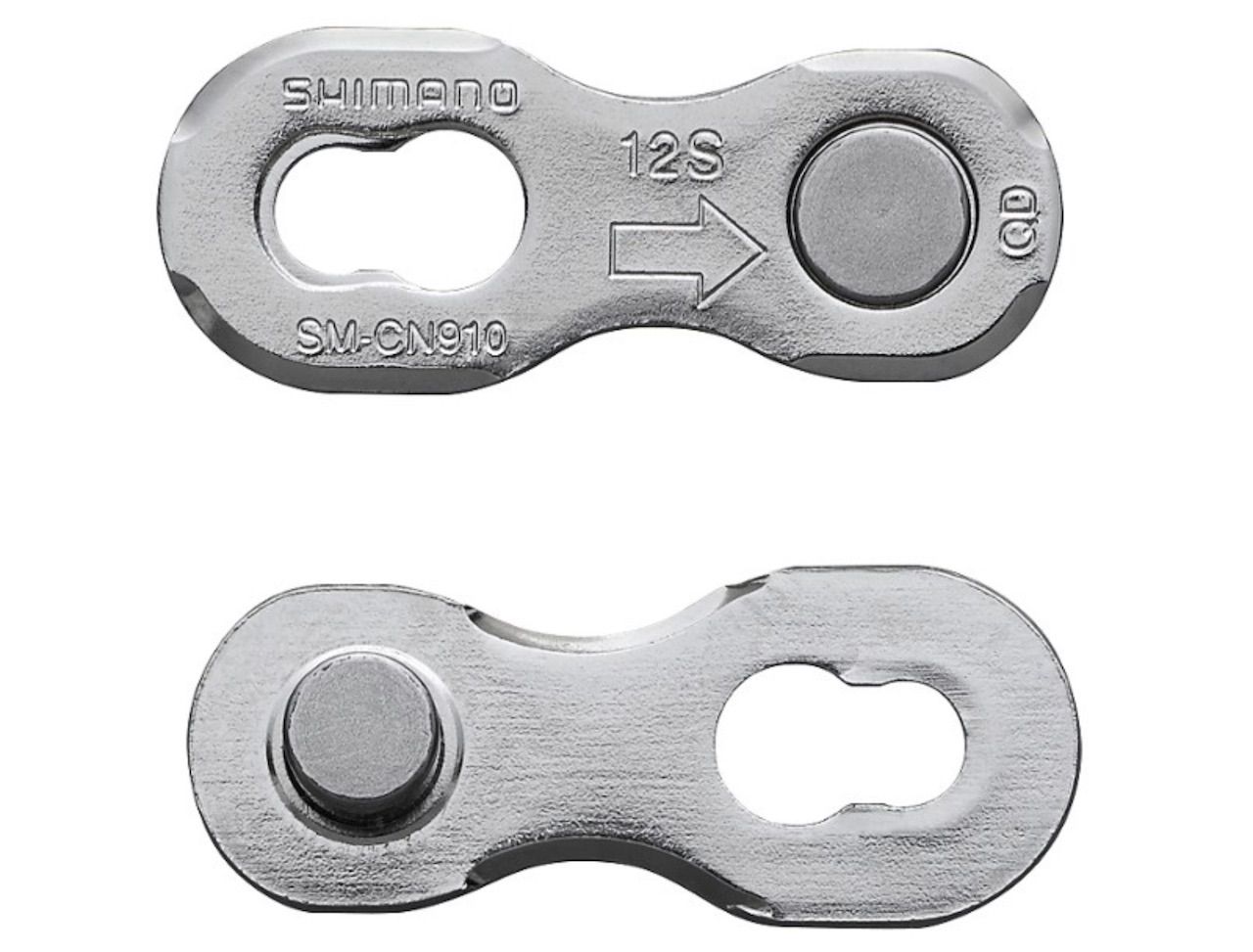
Photo: REI
A snapped chain can quickly lead to panic, but it doesn’t need to. After stocking the items listed above, you should already have the proper chain tool. Again, YouTube is your training reference here, and a quick practice round should get you up to speed. Here’s what else to add to your mountain bike gear arsenal:
- Masterlinks (to replace the broken link), with male link on both ends
- Chain lube. We recommend Green Oil lube both because it works very well and because it’s PTFE-free, is biodegradable, and its bottles are made from recycled plastic. It’s best to tube your chain before most rides anyway, especially if you ride in dusty or dry conditions.
Gear to fix a broken derailleur hanger
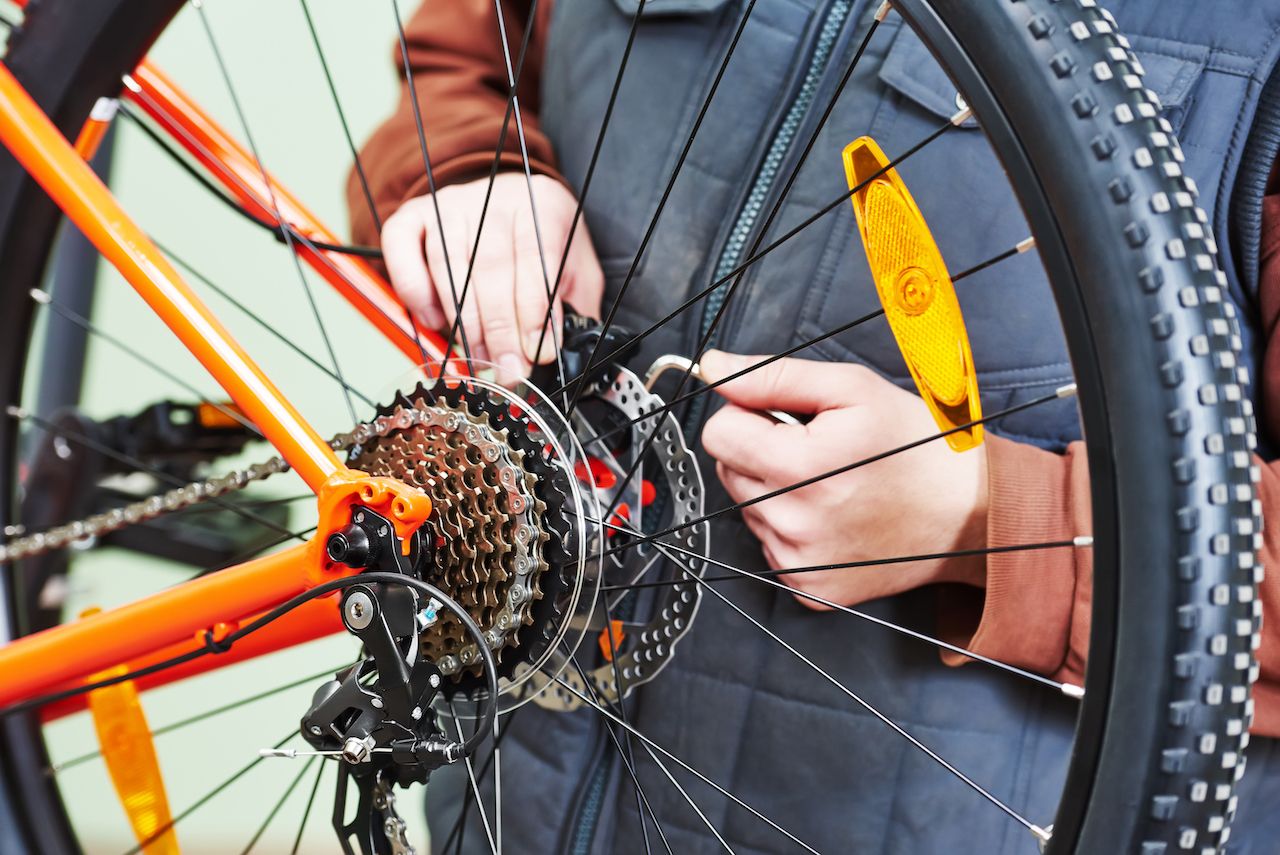
Photo: Dmitry Kalinovsky/Shutterstock
A broken derailleur hanger is a consistent threat if you ride hard and frequently. Without being able to fix it, you might find yourself stuck, or in a best-case scenario, having to complete the rest of your ride in the gear you were in when it broke. While being stuck is worse, both situations are a major bummer. Keep a derailleur hanger specific to your bike on hand. 