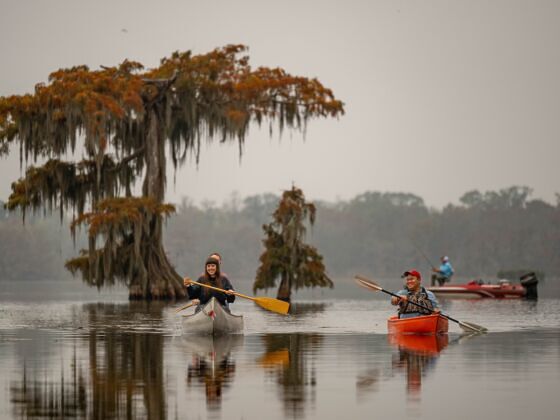
Photo: Hannah Thorn

Lake Charles and Lafayette Show You Louisiana Culture Outside New Orleans

Louisiana Outdoor Insider Guides
by Carlos Omar Gardinet Nov 20, 2026

Before the sun clears the rice fields of Southwest Louisiana, the land is already in motion. Teal tears across a pale sky. An alligator slips from the bank into dark water. A redfish circles beneath the surface, waiting for the light. This is a country run by tides and migrations, and by older rhythms still: Cajun and Creole traditions carried down through generations, and folklore that gives the swamp its own ghosts.

Far from New Orleans’ jazz clubs and wrought-iron balconies, this corner of the state rewards the curious. Lake Charles, near the Gulf of Mexico, opens onto the Creole Nature Trail, sprawling wetlands, and a cultural scene shaped by diverse communities. About 75 miles east, Lafayette anchors Acadiana, where music, food, and tradition are not attractions but daily habits.
Follow the Creole Nature Trail to Louisiana’s wild coast

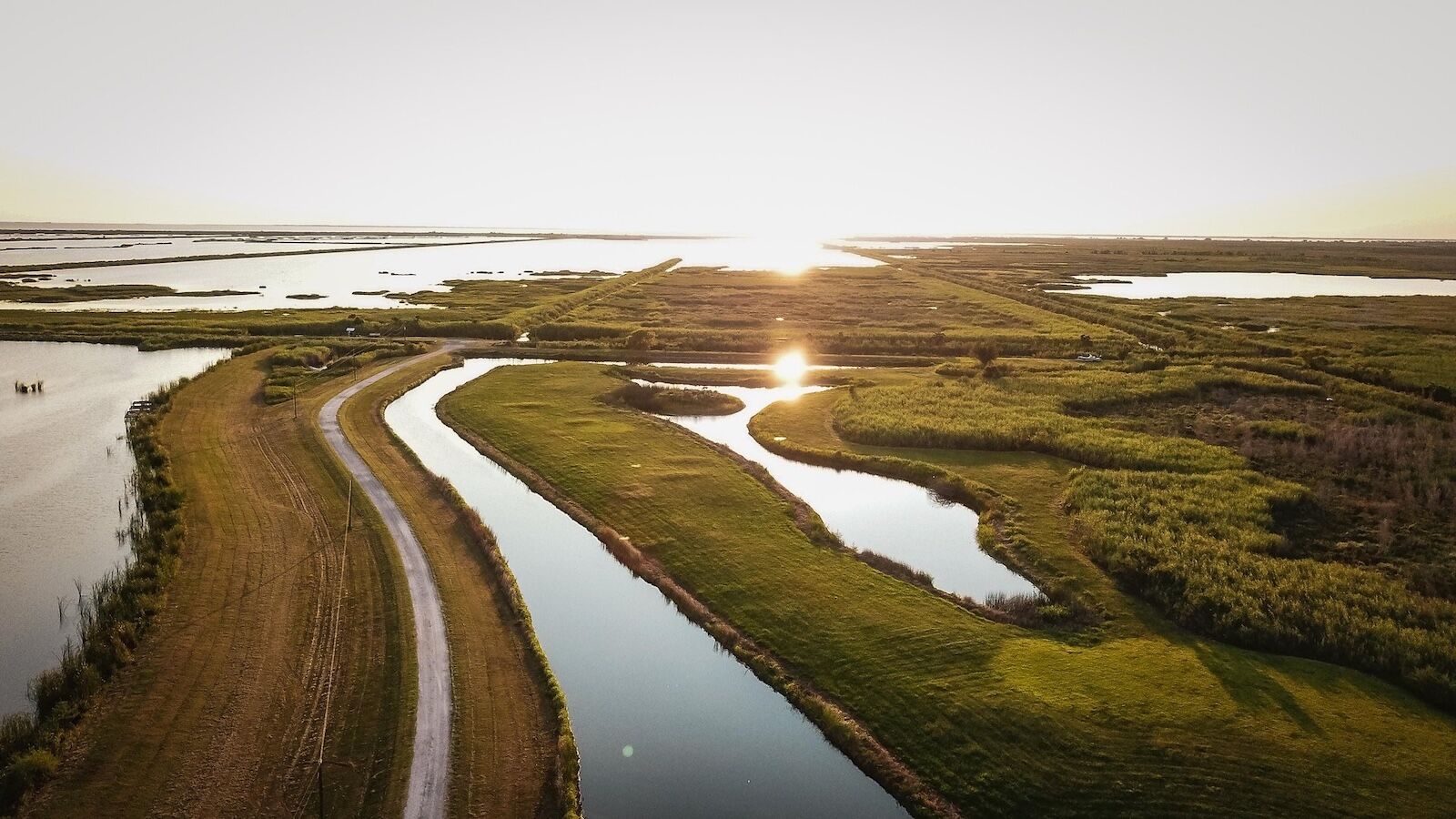
The Creole Nature Trail All-American Road, often called Louisiana’s Outback, threads through coastal wetlands, grasslands, and Gulf-front communities. Alligators sun along the waterways, and the area’s position on major migratory routes makes it a draw for birdwatchers.

At Sabine National Wildlife Refuge, the Wetland Walkway carries visitors into the habitat, past freshwater impoundments, canals, ponds, bayous, and wooded ridges. Anglers come here too: its 26,000 acres of freshwater impoundment make it a top fishery, and bank fishing along Louisiana Highway 27 stays open year-round. Nearby, Cameron Prairie National Wildlife Refuge’s Pintail Wildlife Drive loops three miles through open grassland and wetlands, with alligators year-round and different bird species depending on the season.

Then the trail reaches the Gulf. Holly Beach, nicknamed the Cajun Riviera, and Rutherford Beach are rustic stretches of shoreline for beachcombing, fishing, and watching shorebirds, valued for what they lack: elaborate development. Before setting out, travelers can stop at Creole Nature Trail Adventure Point in Sulphur for free, hands-on exhibits and visitor information.

The Creole Nature Trail All-American Road, known as Louisiana’s Outback, is a 180-mile scenic byway through Southwest Louisiana. Photo: Charles Warren

Bayou Glamping trades the hotel lobby for a riverside setting. Kayaks slide into the water, lines go out for fish, and modern comforts wait back at camp.

Grosse Savanne Lodge goes deeper into the wetlands, built around guided fishing and hunting. Anglers target redfish, flounder, and trophy bass, and landing a redfish, speckled trout, and flounder in a single day earns what locals call the Cajun Grand Slam. Fall is peak saltwater season, when flounder begin their run in Calcasieu Lake, and teal season sends hunters out in the dark to call in ducks at dawn.

That sporting tradition is the draw of Garden & Gun’s Cast & Blast, held in September at the lodge since 2018. The weekend pairs two guided fishing outings with two morning teal hunts, plus game dinners from head chef Matt Whitney rooted in Southwest Louisiana’s culinary traditions.

Sam Houston Jones State Park: a landscape in recovery

Photo: Kathryn Shea Duncan

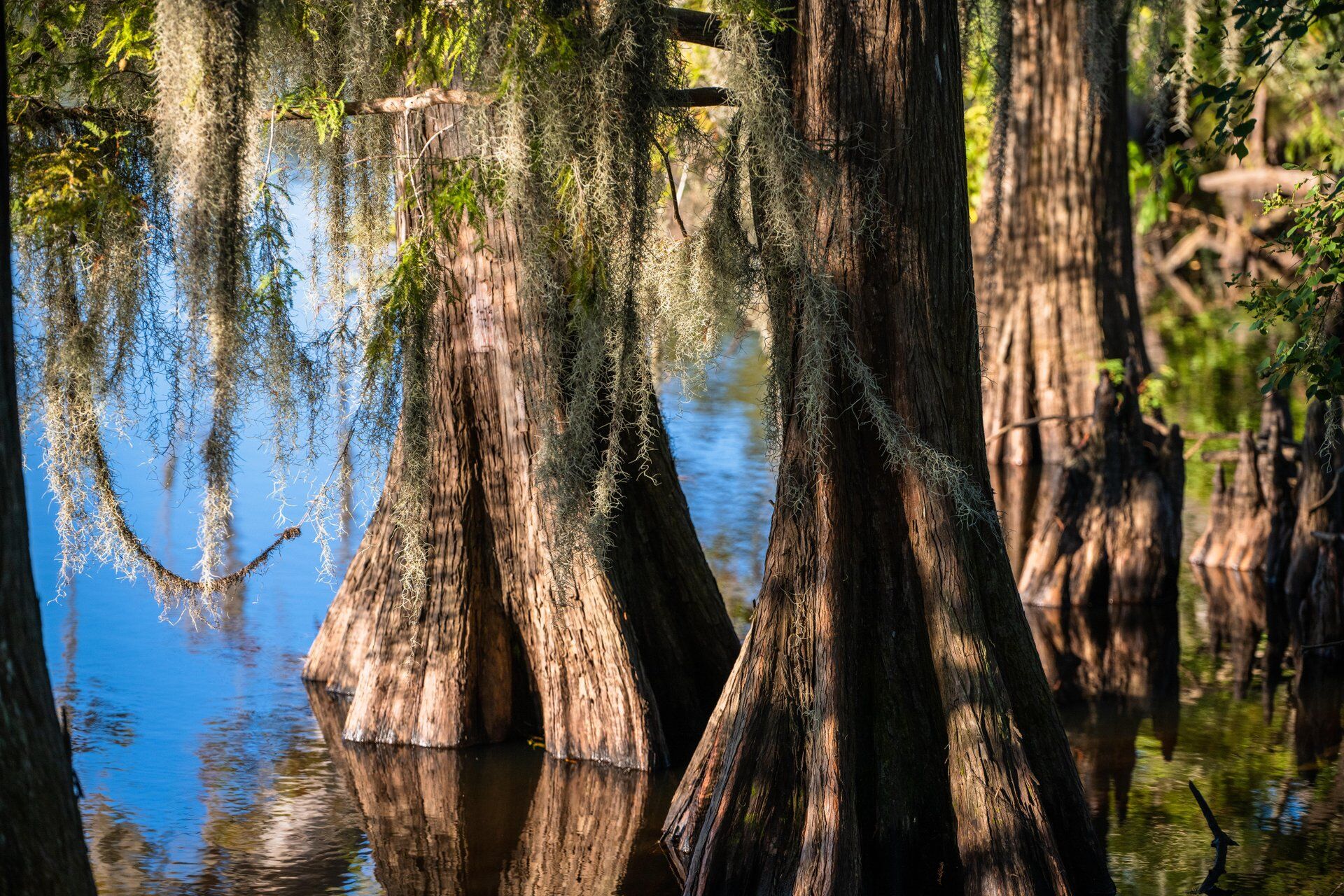
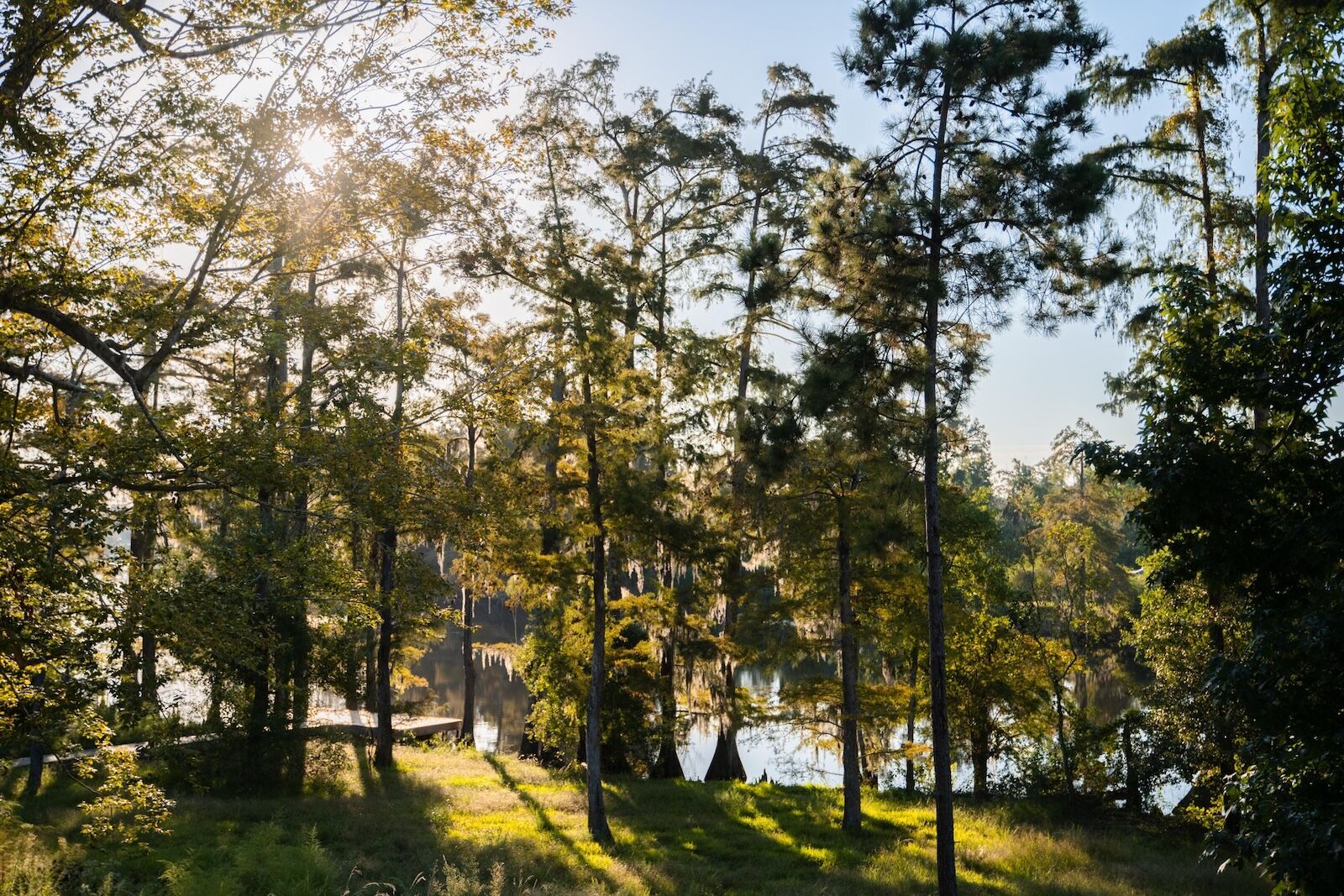
Just north of Lake Charles, Sam Houston Jones State Park spreads across about 1,100 acres of longleaf pine forest, cypress-tupelo swamp, hardwood stands, and tree-lined lagoons. Established in 1944, it is one of Louisiana’s oldest and most visited state parks, with hiking, birdwatching, and two boat launches onto the west fork of the Calcasieu River. Ten cabins with screened porches let guests fall asleep to the sounds of the swamp.

Getting back to that took six years. Hurricane Laura knocked down roughly 80 percent of the park’s trees in August 2020, and the gates stayed shut until Memorial Day 2022.

The park is now also the focus of a major restoration effort, announced in June 2026 by Louisiana State Parks, Woodside Energy, ecological restoration firm RES, and McNeese State University. Woodside is funding the project exclusively, committing $5 million over six years to restore more than 800 acres of forest habitat, the largest corporate donation ever received by a Louisiana state park. Lieutenant Governor Billy Nungesser said the aim is to keep the park a place for future families to enjoy.

Photo: Kathryn Shea Duncan

RES, founded in Louisiana in 2007, will remove invasive species, plant about 245,000 native flora, and use prescribed burns to help longleaf pines regenerate. The goal is a more resilient forest, one that reduces wildfire risk and better withstands storms after hurricanes and years of invasive plant growth took their toll.

McNeese State University will lead biodiversity research, supporting four postgraduate students, and visitors can follow along through volunteer activities, educational outreach, and a project story map reachable by a QR code posted in the park. These landscapes, the project makes clear, are living ecosystems that need sustained care.

Lake Charles Beyond the Outdoors

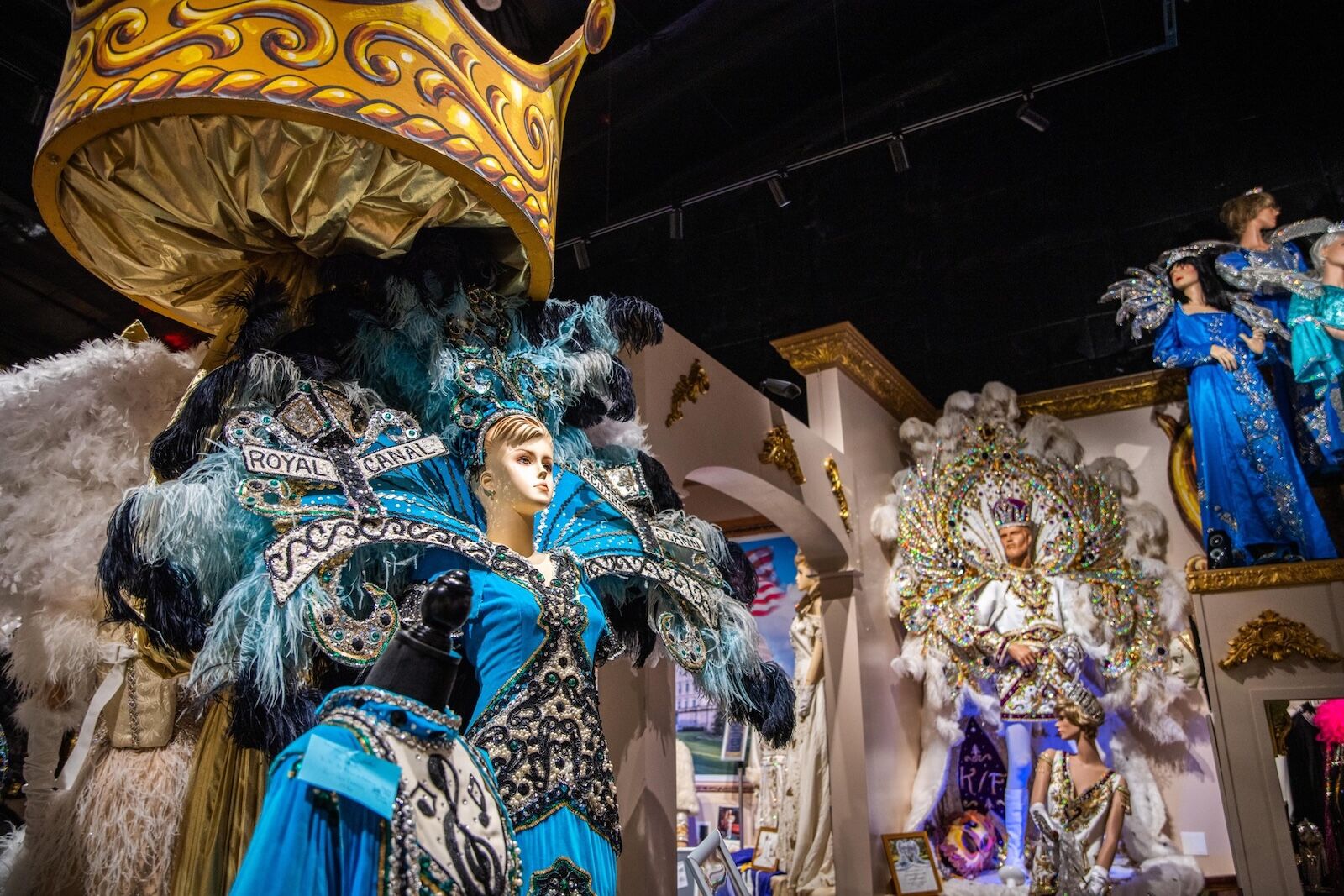
The Mardi Gras Museum of Imperial Calcasieu opened in 2026. Photo: Kathryn Shea Duncan

Back in the city, the Mardi Gras Museum of Imperial Calcasieu is the place to start. Its 6,000-square-foot space opened in 2026 and showcases elaborate headdresses, gowns, king cake traditions, and the Courir de Mardi Gras, a rural celebration associated with the Cajun community. With more than 60 Mardi Gras krewes in Southwest Louisiana, some more than 70 years old, Carnival culture runs well beyond the weeks leading up to Fat Tuesday.

For families, Port Wonder on the waterfront houses the Children’s Museum of Southwest Louisiana and the Louisiana Department of Wildlife and Fisheries’ Nature and Science Center. Exhibits explore the coastline, fisheries, barrier islands, and regional waterways, while aquariums hold native species from freshwater bayous to the Gulf.

The city’s food tells its story in miniature. At Area 337, a family-owned restaurant, Cuban, Spanish, Venezuelan, and Dominican dishes share a menu, while Cousin’s Lebanese Cuisine gives Lebanese fare a Louisiana twist. After dark, Panorama Music House stages live performances in historic buildings that were extensively renovated after Hurricanes Laura and Delta in 2020.

Lafayette: Cajun Culture on Two Wheels

Vermilionville. Photo: Hannah Thorn

East of Lake Charles, Lafayette is Acadiana’s hub for food, music, and tradition, and Rouler Bike Tours puts it all at street level. Guides weave local history, art, music, and nature into two routes: the 3.5-hour Cajun, Creole & Beyond tour ($95) digs into the cultures that shaped the city, while the 2.5-hour Bike Like a Local ride ($60) gives a street-level look at the Hub City.

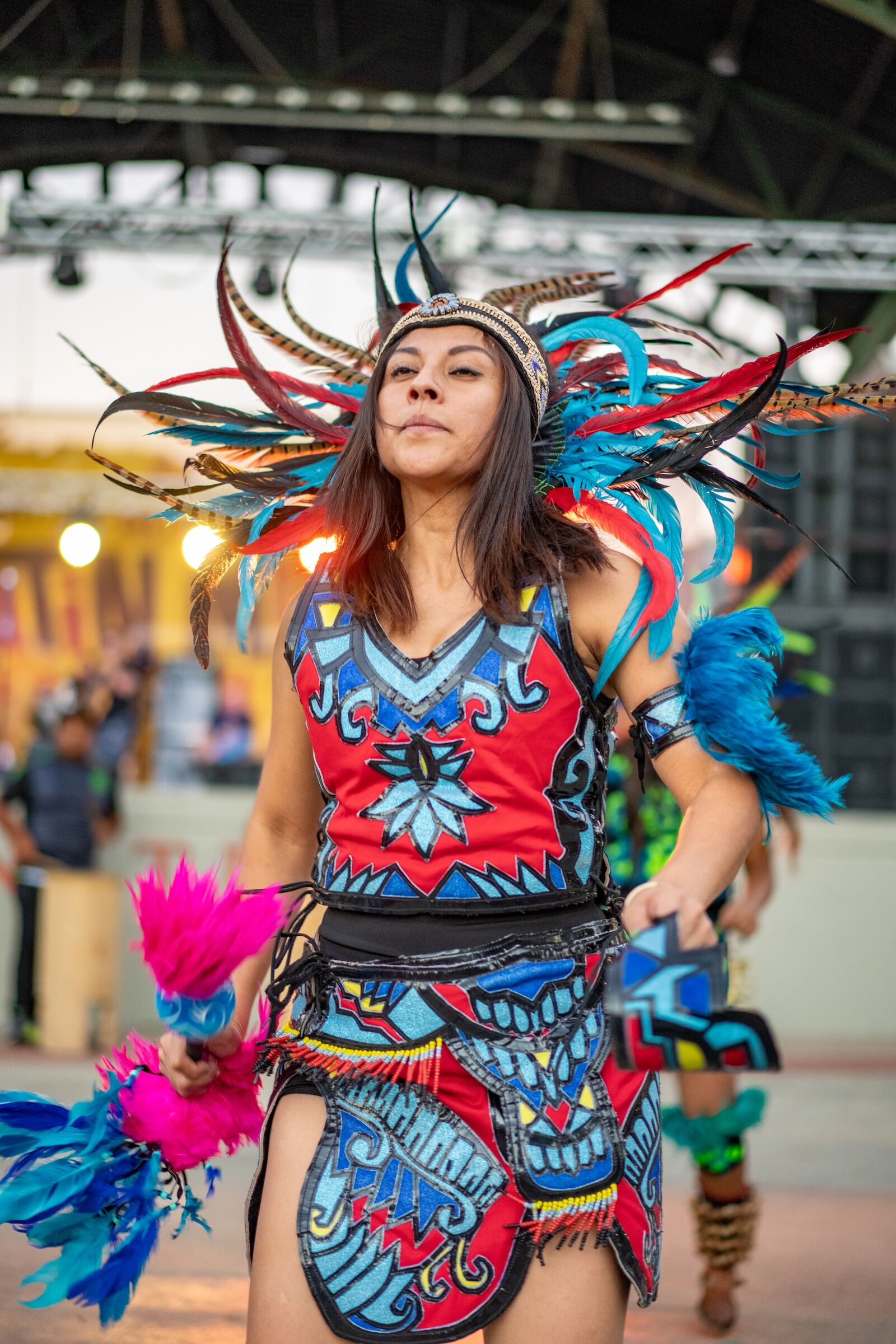
Acadian, Creole, and Native American cultures all have history in Lafayette. Photo: Hannah Thorn

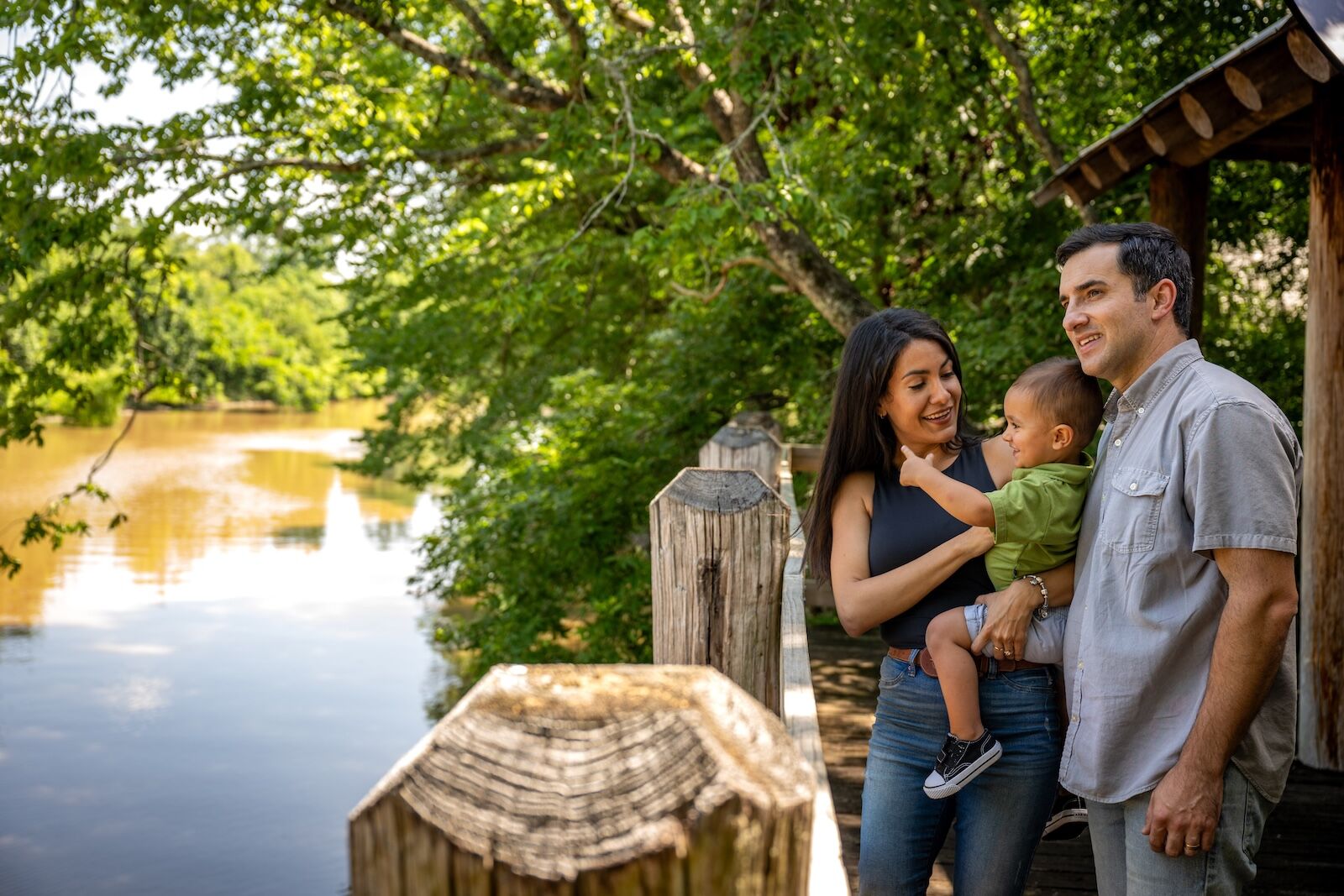
At Vermilionville Living History Museum and Folklife Park, the region’s past takes center stage. Set on 23 acres along Bayou Vermilion, the site interprets Acadian, Creole, and Native American cultures from 1765 to 1890. Costumed artisans, traditional crafts, cooking demonstrations, and music bring historic buildings to life.

Lafayette’s food scene runs on the same spirit of reinvention. Scratch Farm Kitchen began as a pop-up and food truck at a farmers market, rooted in owner Jamie Harson’s family farm in Duson, and now serves breakfast and lunch from a daily menu posted beside the register. The Boudini, a biscuit stacked with boudin, cheese, egg, pesto, and kimchi, sums up Acadiana’s habit of making old traditions new.

Into the Atchafalaya Basin

East of Lafayette, the Atchafalaya Basin is where the region’s folklore feels most at home. Here live the rougarou, a werewolf-like figure in Louisiana French tradition, and the feu follet, mysterious lights tied to local legend. Airboats skim the basin’s waterways and swamps, gliding past cypress trees, wetlands, and wildlife.

The broader Atchafalaya National Heritage Area stretches across 14 parishes in south-central Louisiana and marks the 20th anniversary of its federal designation in 2026. Its landscape ranges from sugarcane and cotton fields to ancient live oaks and towering cypress, and its communities include people of Cajun, European, African, Caribbean, and Native American descent. Alligators, raccoons, bears, and more than 270 bird species inhabit the wider area.

Southwest Louisiana rewards travelers willing to look beyond its most familiar destinations. From the coastal wetlands near Lake Charles to Lafayette’s living traditions and the vast Atchafalaya Basin, the outdoors here is not separate from the culture. It is one of the places where that culture takes root.

If You Go

Discover Matador

Save Bookmark

We use cookies for analytics tracking and advertising from our partners.

For more information read our privacy policy.