My trip to Rwanda started long before my feet touched down in the land of a thousand hills. It started in the pages of a book. Immaculée Ilibagiza authored Left to Tell: Discovering God Amidst the Rwandan Holocaust, detailing her harrowing survival of the Rwandan genocide while hiding in a small bathroom of a local pastor’s house with a group of women. In vivid detail, she describes the city, towns, lakes, and landmarks of her homeland. By the time I arrived in Rwanda, I found myself standing in places she once described, today no longer marked by the bloodshed she survived 32 years ago.
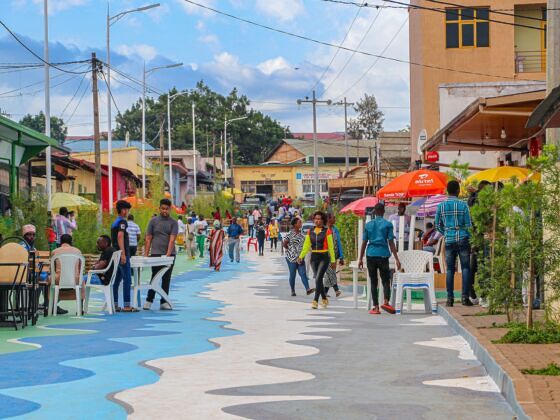
Photo: Omri Eliyahu /Shutterstock
Why Rwanda Is One of Africa's Most Inspiring Cultural Destinations
Rwanda is a country scarred by genocide. There’s ample to read (and watch) about its strife. But it’s also a nation where visitors Gorilla trek through some of the most stunning natural beauty on Earth. Its people are resilient, remaining disciplined and so often demonstrating a profound community spirit. We as travelers have the privilege to experience the fullness of this country and, when we bring home tales of our adventures, the responsibility not to tell an incomplete story. I recently traveled across the country in hopes of going deeper than what I’d read in the headlines, and what I found were tight-knit communities lifting one another up and providing support and training to help residents move forward.
Traversing Rwanda in search of community
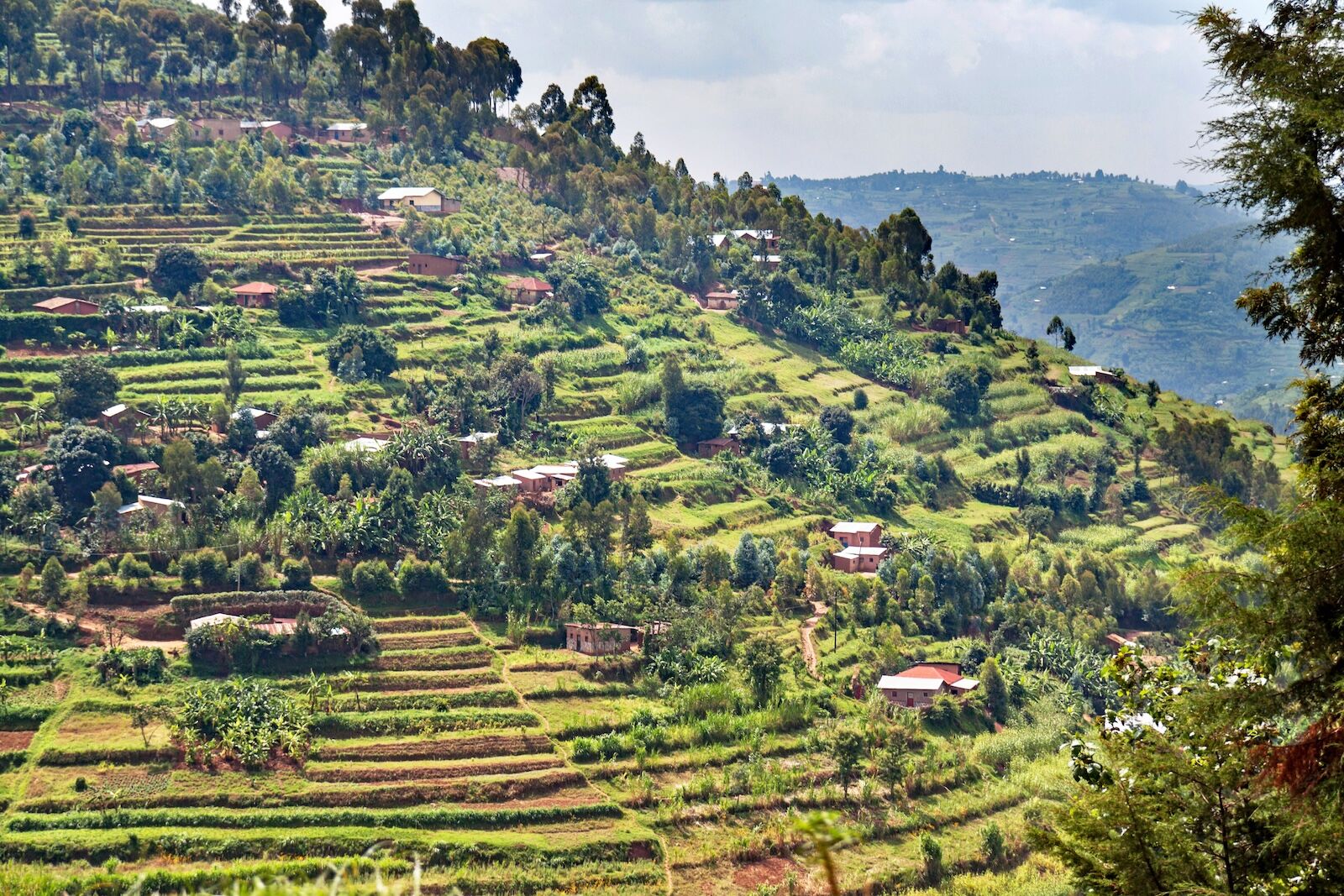
Photo: Wirestock Creators /Shutterstock
In her 2009 TED Talk, storyteller Chimamanda Adichie described the danger of telling only a single story about a person or place, rather than seeking to convey its nuance.
“I’ve always felt that it is impossible to engage properly with a place or a person without engaging with all of the stories of that place and that person,” she said. “The consequence of the single story is this: It robs people of dignity. It makes our recognition of our equal humanity difficult. It emphasizes how we are different rather than how we are similar.”
I brought this mindset to Rwanda on my two-week trip. My goal was to travel across and engage with as much as I could with the whole of the country, one of the smallest in mainland Africa – it’s roughly the size of Maryland. I was able to cover the vast and diverse landscapes from across the country, beginning with a visit to the Kigali Genocide Memorial in the country’s capital city. This visit rooted us in the country’s history and allowed us to learn about the progress the country has made from the ground up.
Traveling up north, we visited Kinigi Women’s Village, founded by Doreen Kanyesigye. The community is a safe haven for local women experiencing violence, teaching them traditional Rwandan art forms such as weaving, tailoring, painting, and crochet, to name a few. These crafts are sold in the village shop. When our group arrived we had an intimate shopping experience and were greeted with drinks as we roamed through the isles of intricate crafts.
We then headed off to the Western Province to tour the Gisakura Tea Plantation. which sits on the western edge of Nyungwe Forest National Park. Here we visited and had a local cultural experience at Inmo Tea Plantation where our guild walked us through vast tea fields and explained the harvesting process from start to the first sip. In Musanze district, in the north, we spent the afternoon at Red Rocks Intercultural Exchange Center, a local hub that offers a hostel and tent accommodations along with guided outings and cultural experiences. The center provides jobs, education and safe place for disadvantage youth and women.
Exploring Kigali’s artistic and culinary sides
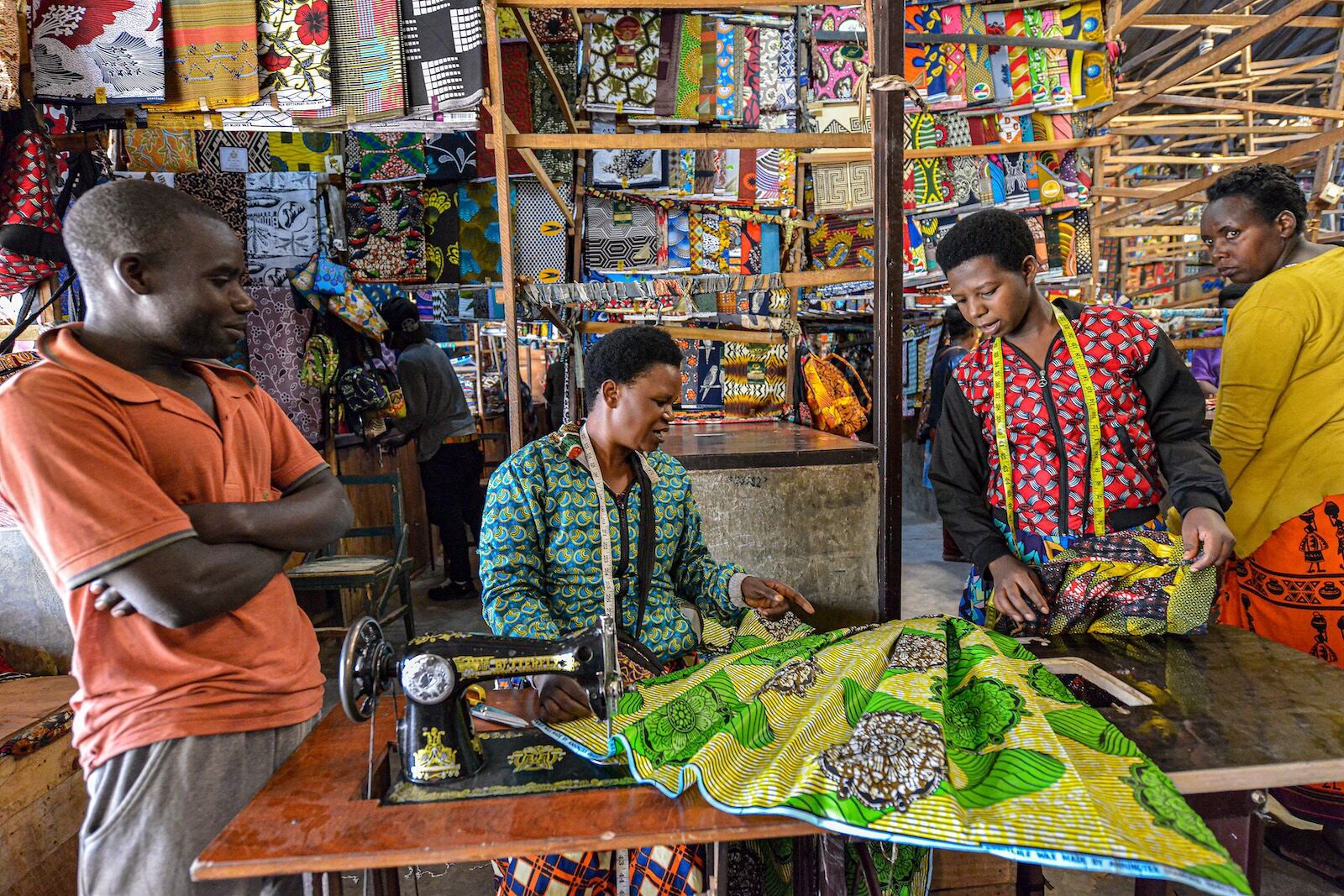
Photo: Oscar Espinosa /Shutterstock
As a girl who loves exploring cities, one of my favorite parts of the trip was spending time in the capital city of Kigali. What always touches me most about the places I visit are the people, from the artists to the business owners, who shape what there is to do, see, taste, and touch. In the heart of Kigali, I stayed at Amata n’Ubuki Boutique Hotel. This refined boutique luxury property, with rooms from about $141, genuinely felt like staying in someone’s home. With only nine rooms, a lush garden, and a backyard pool, the property is intimate – I felt like I were stepping into someone’s personal manor. It was the perfect base after long days exploring Kigali, offering a peaceful retreat and homemade meals, the kind of food you’d get if a friend invited you over for dinner. The hotel is filled with art that acts as a guided history lesson woven into every wall. Walking through the halls felt like moving through a curated exhibit, one that celebrated Black creativity and heritage at every turn.
Kigali is, at its heart, a city that teaches you why showing up with an empty suitcase is a good idea. Kigali has markets where you can shop for local fabrics and patterns, which proved an excellent way to spend an afternoon. I also loved exploring more contemporary stores focused on fashion and lifestyle. Two stores I visited in the city center were Saint Umi and Kezem. Every piece at Saint Umi is crafted with elegance and luxury craftsmanship. At Kezem, traditional and modern style collide, with unique sets and designs focused on honoring African heritage through fashion.
On the last night of my trip, I savored the setting and drinks at Ruä. This restaurant and cocktail bar gave elevated vibes for a perfect night out. Perched with sweeping views over the city, Ruä is where you go for a meal with a view. The rooftop setting makes it an easy pick for golden hour, with the city unfolding before you. It’s the kind of spot that turns a meal into an experience, part food, part front-row seat to Kigali’s skyline.
Jollof Appetit offers a deeper dive into Kigali’s food scene. Led by guides who know the city’s best-kept culinary spots, the tour takes you beyond the typical restaurant scene and into the heart of local flavor, food-hopping through a variety of local dishes: brochettes, chapatis, ugali with stew, isame rice, french fries, sambaza, and matoke, finishing with fresh fruit for dessert. The tour winds through Nyamirambo, Kigali’s lively “Car-Free Zone” and an Islamic cultural hotspot known for its energy, the perfect spot to explore and taste authentic flavors.
Umusambi Village is a peaceful escape from the city, home to Rwanda’s rescued grey crowned cranes. We wandered the walking trails as these striking birds roamed freely above, and learned about the conservation work behind the facility’s rescue and rehabilitation. It’s a quiet, reflective stop that blends nature, wildlife, and a meaningful story of protecting Rwanda’s national bird. For a look at contemporary Rwandan and African art, we visited Gihanga Institute of Contemporary Art. The gallery showcases work from artists across the region, offering a window into the creativity and storytelling shaping the continent’s art scene today. It’s a great stop for anyone looking to see how Rwanda’s cultural identity is being expressed through modern art. 