I’ve worn my Ridgelite FUTUREFLEECE™ Wind Jacket — made by The North Face — through cold, windy, occasionally rainy days in the Basque Country and dawn and dusk game drives in Kenya, where the chill hits hardest as the sun is not up. It’s done the work of three separate layers I used to pack. In my view, every woman needs a lightweight black jacket even more than a little black dress, and this is that jacket for me.

Photo: Debbie Gonzalez Canada
This 7.2-Ounce Jacket Replaced Three Layers in My Suitcase
All products and listings featured on Matador Network are independently selected by our writers and editors. Matador Network may receive compensation if you make a purchase through these links. Prices are accurate as of publication.
My previous The North Face wind jacket lasted me over 20 years, and I only got a new one because I moved countries and forgot to bring the previous one along. The Ridgelite FUTUREFLEECE Wind Jacket is incredibly light (just 7.2 ounces — lighter than any jacket I’d owned before), so now it’s a no-brainer in any packing list.
The shell is 100 percent recycled nylon with a non-PFC DWR finish, and the fleece lining is 100 percent recycled polyester — details that matter if you, like me, care about your footprint. The material feels soft, and the jacket is warmer than you would think at a first glance. It stows into its own hood for storage, and underarm gussets and a cinch-cord hem round out the build.
Shopping for a packable travel jacket? Check out Matador’s detailed reviews:
- The Orvis Pro Insulated Hoody is a Go-Everywhere Jacket That Turns Into a Travel Pillow
- This Packable Rain Jacket Will Keep You Bone Dry, Even In Torrential Rain
- Patagonia’s Houdini® Air Jacket Is The Perfect Packable Light Jacket
- Patagonia’s Micro Puff Hoody Is Perfect For Winter Travels
- The Cotopaxi Fuego Is the Most Durable and Dependable Down Jacket on the Market
- Arc’Teryx Made The World’s Most Packable Puffy Jacket

Photo: Debbie Gonzalez Canada
Under the hood (literally and figuratively), the shell is a 15-denier, 32 g/m² recycled nylon treated with that non-PFC DWR finish, while the FUTUREFLEECE lining is a 30-denier, 65 g/m² recycled polyester. Beyond the hood and hem cinch-cords, the build includes a full-length center front zip, secure-zip hand pockets with reverse-coil #3 zippers, encased-elastic cuffs, and a reflective bar on the lower back for low-light visibility — a nice touch for those pre-dawn Kenya drives. It’s cut with a regular, not slim, fit, which tracks with the room I noticed through the hips.
The wind-blocking comes from The North Face’s WindWall™ fabric, a technology the brand has used across its softshell and wind-layer lines for years. WindWall fabrics are engineered to reduce the effects of wind chill while still allowing enough flexibility and breathability to avoid overheating, using a fabric-bonding process that helps hold onto the body’s own micro-climate. The North Face rates wind protection in CFM — the volume of air that passes through a square foot of fabric per minute — and a 0 CFM rating means a fabric is fully windproof. FUTUREFLEECE is the newer half of the equation: a fabric construction The North Face designed specifically to balance thermo-regulation, weight, and packability in a thin, lightweight format, which is exactly the kind of layer-replacing performance I’ve been getting from mine.
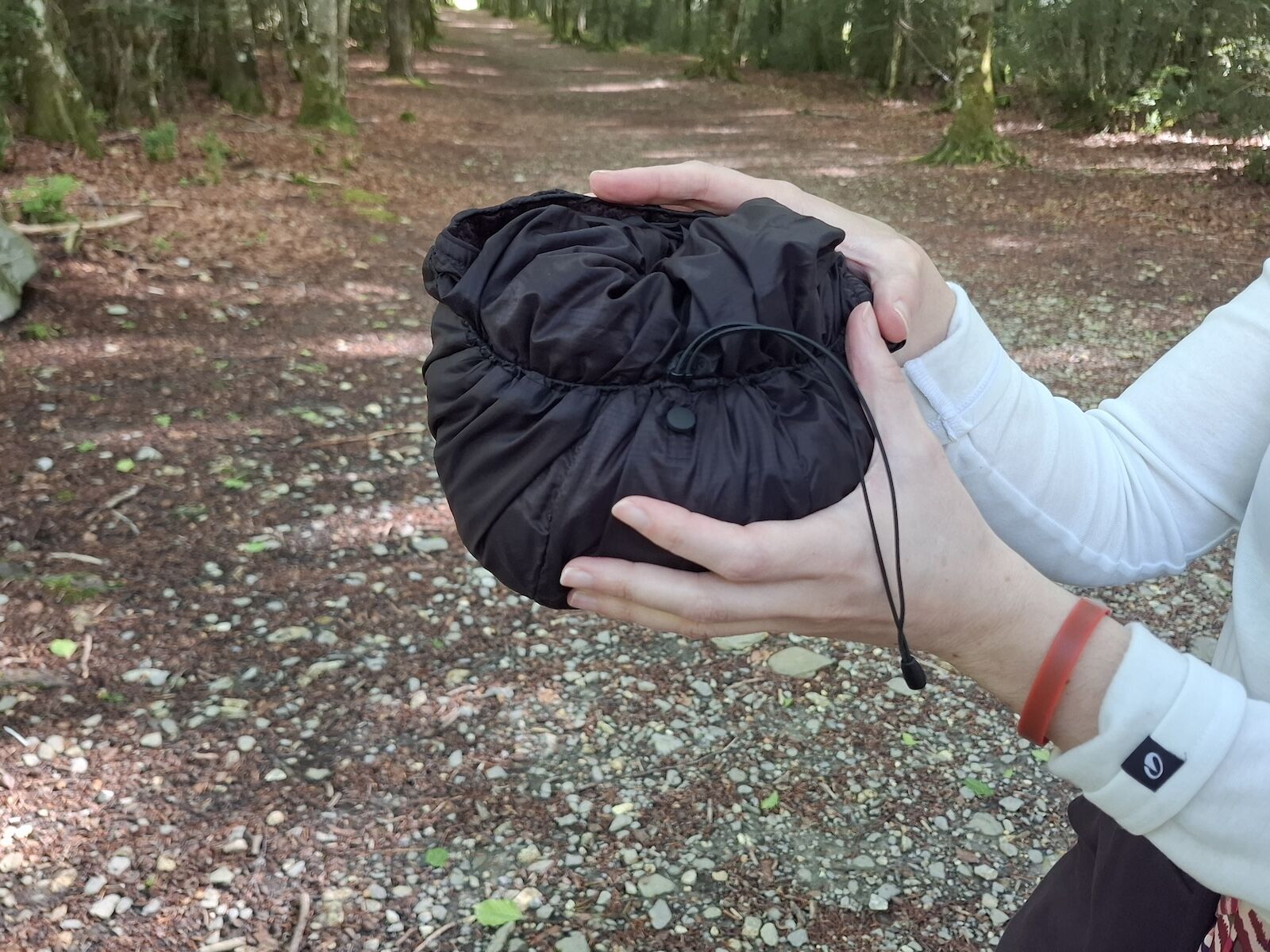
Photo: Debbie Gonzalez Canada
The good: Excellent warmth-to-weight ratio, genuinely wind-resistant, soft next-to-skin fleece lining, room through the hips and body compared to slimmer-cut competitors (I have a pear-shaped body), recycled materials throughout, reflective detailing for low-light visibility.
The bad: The built-in hood-stash isn’t great, but still does the job. $220 is a premium price for what is, at its core, a wind layer. I am hoping the jacket will last me for ages (like the previous one did), and my only concern here are the thin zippers, but I will trust the brand, since it hasn’t disappointed me before. 