The Only Ski Pass Question That Matters: Are You a Local or a Traveler?

Colorado Utah British Columbia California Maine Vermont Québec Ski and Snow
by Tim Wenger Nov 24, 2026

I live in Palisade, Colorado, and ski Powderhorn, 30 minutes from my house, on a pass that still costs under $500 per year. My daughter’s pass there is $29. This covers much of my resort skiing for the season, but what happens when its time to pack up the gear bag and head out on a trip?

For a long time the answer was “an Ikon or Epic pass you don’t fully use.” The big passes are built for people who ski 25 days at an owned resort and treat the partner mountains as a bonus. If you ski 10 days a season at your local and six on the road, you are paying $1,100 to $1,500 for the travel days. There’s a better way to structure that season, and it starts with the pass that most skiers forget exists.
It comes down to what kind of skier you are

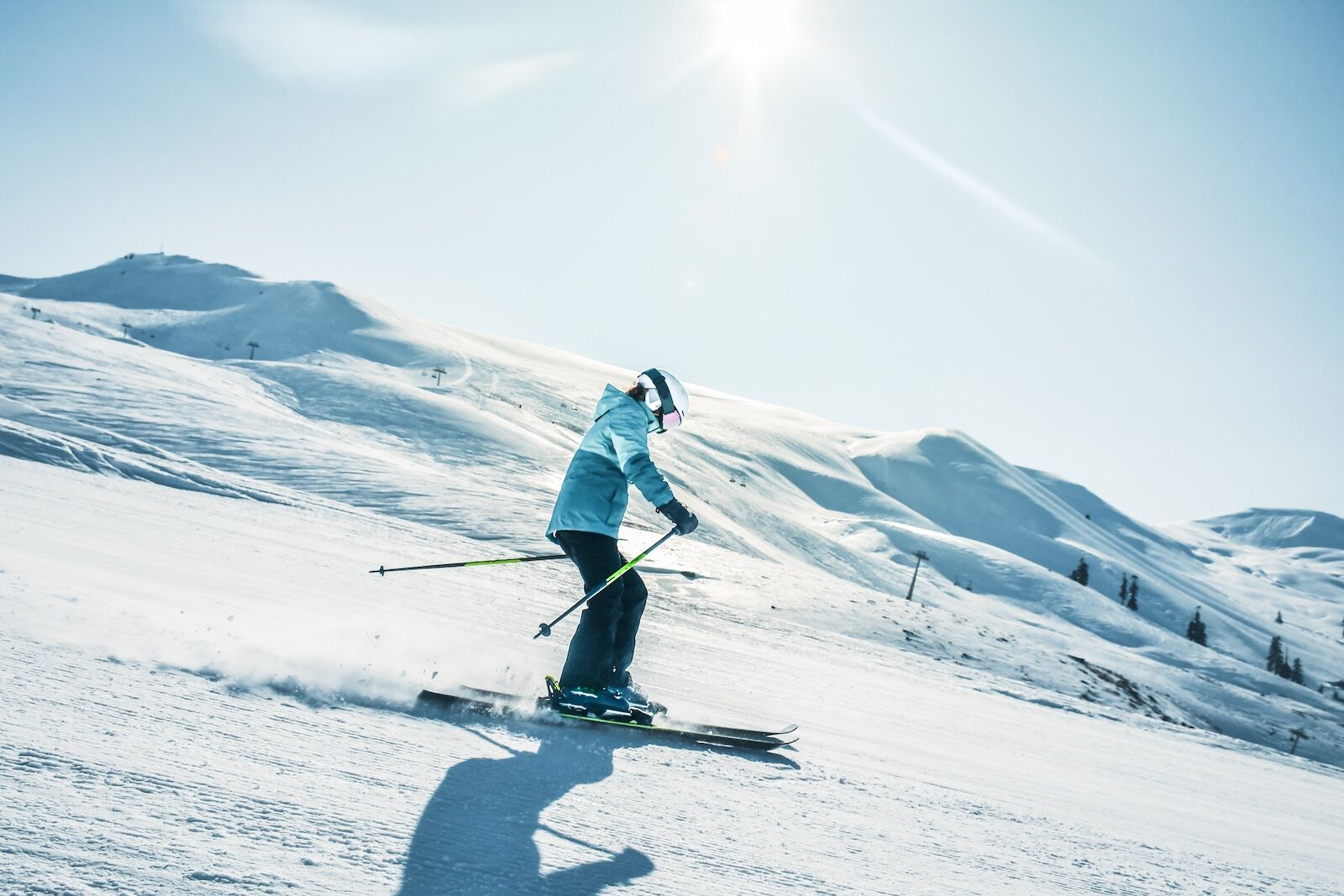
person skiing at resort

Photo: EvaL Miko/Shutterstock

Every pass on the market answers one of two questions. Unlimited passes (Epic, Ikon, your home mountain’s own) reward frequency at one or a handful of resorts. Days-per-resort passes (Mountain Collective, Indy) reward range. Buy the first kind for the mountain you drive to and the second kind for the mountains you fly to.

A full Epic Pass at five days works out to about $229 a day, which is roughly a walk-up ticket. At 20 days it’s a steal. It’s important to consider, however, whether you frequently ski a full day or, as many passholders do, you often call it early afternoon or show up late. There are also those who, like me, frequently get out for a few laps before work and then head back to town.

Mountain Collective: for the skier whose season is a series of trips

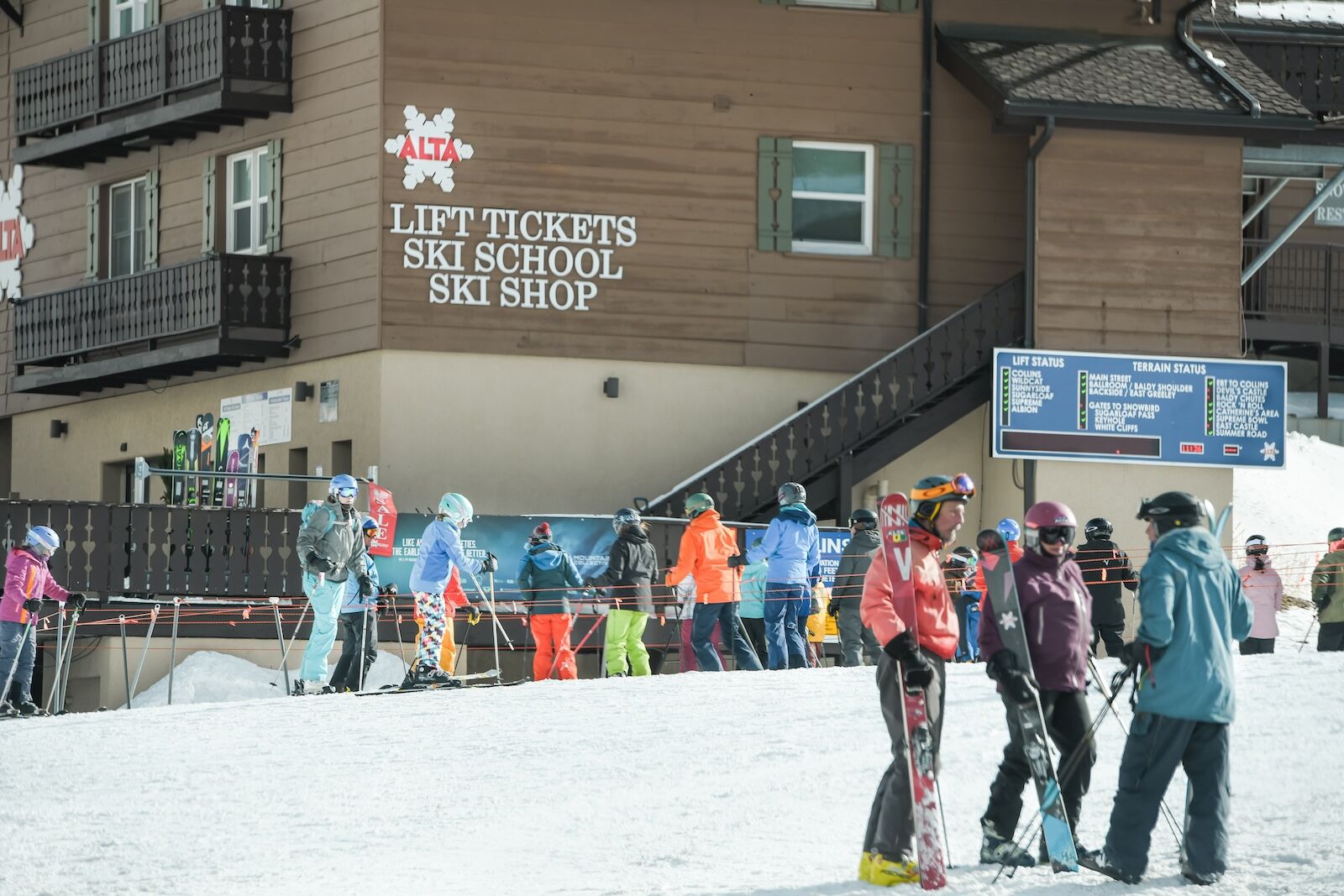
skiers at alta

Photo: FrankKB/Shutterstock

The Mountain Collective pass has been around since 2012, and it has stayed deliberately small while Epic and Ikon grew into conglomerates. For 2026-27 it covers 27 resorts, and the structure hasn’t changed: two days at each partner, then 50 percent off any additional days, no blackouts. Eighteen of the 27 are direct-to-lift. Jackson Hole and Taos still require a reservation. New this year is a referral program that gives passholders a bonus day at a resort of their choosing when a friend buys in.

Todd Burnette, CEO of the Mountain Collective, describes the pass as built around destination trips rather than one home mountain.

“One pass, a whole season of trips,” he told Matador.

That’s the pitch, and the price makes it work: the adult pass is $759, which is roughly half of a full Ikon. Burnette says it can pay for itself in a Salt Lake City long weekend.

“Fly to Salt Lake City, ski two days at Snowbird, two at Alta, two at Snowbasin,” he says. “The possibilities are really endless.” Six days at 3 resorts where walk-up tickets run north of $200, on one pass, with the remaining 24 resorts still untouched.

I’ve done numerous ski trips to Utah and can confirm that this will work, provided you’re willing to drive north to Snowbasin, where it’s better to base yourself in Ogden than Salt Lake City. As a snowboarder, I must also add that we’re screwed at Alta, which bars our kind from its mountain.

Where the pass earns its keep is the mix. If I were on Mountain Collective’s marketing team, I’d build a campaign around a different pitch: where would you ski if money weren’t an object? The website reads like a dream trip, and while you only get two days at each spot, you can take one trip to Utah or Colorado or British Columbia and get your money’s worth. A second trip is effectively free skiing.

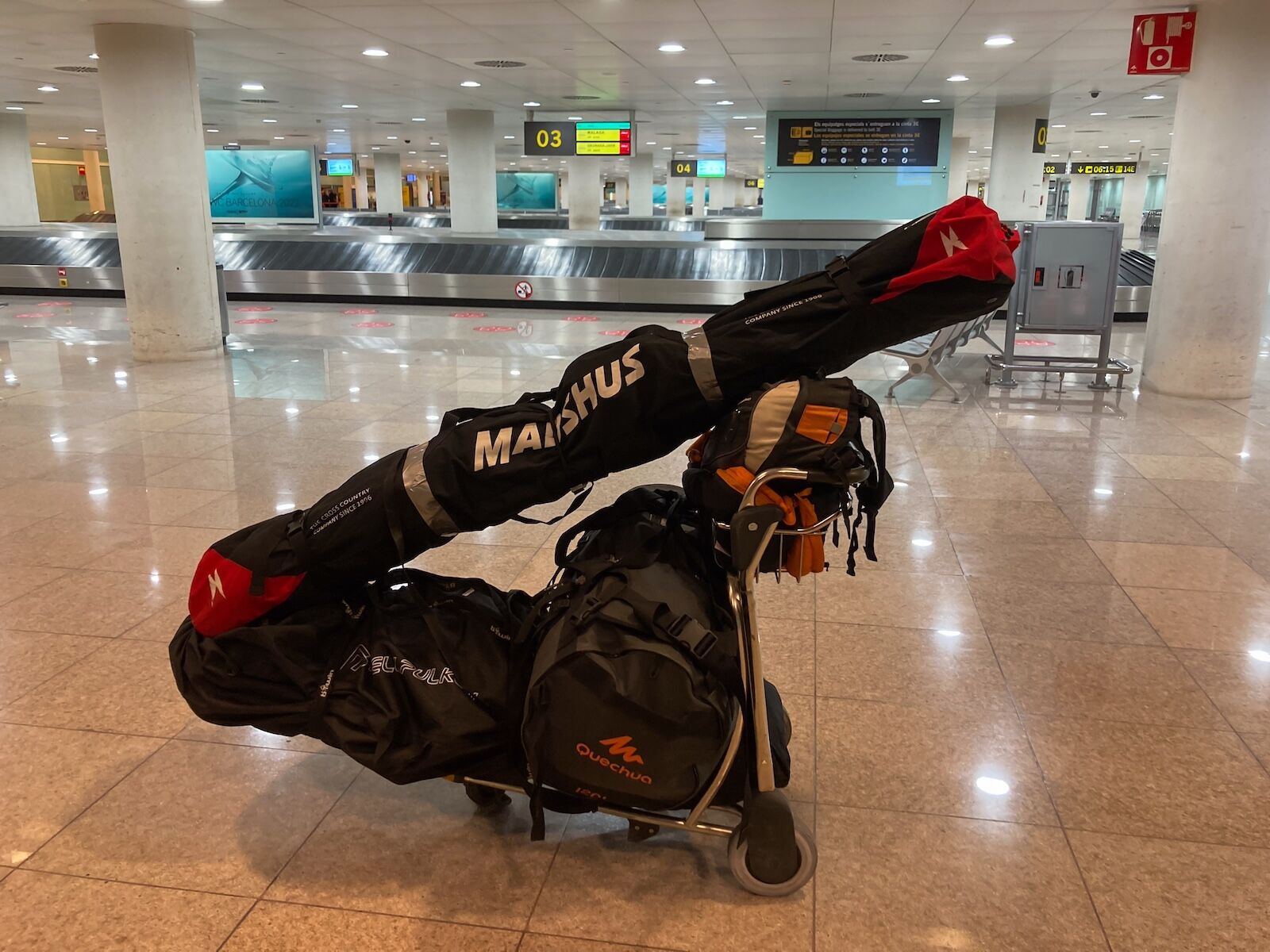
ski gear at airport

Photo: AlbertoGonzalez/Shutterstock

Storm chasers. Alta averages 543 inches of snow per season. Grand Targhee averages more than 500. Panorama, in British Columbia, had its snowiest December in 30 years last winter. Burnette’s line is “no blackouts, so you can follow the storm,” and that is the first time a pass marketing line has described my intended behavior. The real trick is that the pass includes Alta and Snowbird, which otherwise require either an Ikon or a mortgage.

Big-mountain trips. Jackson Hole’s 4,139 vertical feet is the longest continuous rise of any US ski area. Aspen Snowmass is on the pass, and so is Sun Valley, which hosted the first chairlift in 1936 and is opening two new ones this December: a six-passenger Lookout Express that cuts the ride to the top of Baldy to about eight and a half minutes, and a new high-speed Christmas quad. Sun Valley is the resort on this list I’d point a traveling skier to first, because it still works like a ski town rather than a resort complex.

You fly into Hailey or drive up from Boise, the lift lines on Bald Mountain are shorter on a Saturday in February than those on a Tuesday in Summit County, and Ketchum has a bakery, two good bars and a free bus that runs up and down the valley. Two days on Baldy and a third at half price, with the pass already paid for by the Utah trip, is a cheap week by any current standard.

Big overseas trips. Niseko United in Japan got 244 inches in January 2026 alone, has a new gondola, and now is served by nonstop service to Sapporo from San Francisco and Vancouver. Chamonix is on the pass. So are Thredbo and Mt. Buller in Australia, Coronet Peak and The Remarkables in New Zealand and Valle Nevado in Chile, which is why Burnette says the pass makes a ski trip possible almost any month of the year. Banff Sunshine opened for 16 days of summer skiing in 2026.

“It’s always snowing somewhere on the Mountain Collective pass,” Burnette said, and he’s not wrong, though I’d note the Southern Hemisphere flights are on you.

Families and beginners. Sun Peaks in BC has four kids’ adventure zones. Sun Valley’s Sunny’s Adventure Park is built for first-timers. Sugar Bowl, near Tahoe, has a new eight-passenger village gondola and a redesigned main lodge. Snowbasin, outside Ogden, is the Utah resort with the fewest people per acre. It also boasts Lone Tree, a run that is only slightly behind Jackson Hole’s Corbett’s Couloir in reputation.

East Coast. Whiteface has 3,430 feet of vertical drop, the most in the East. Bromont, outside Montreal, is the largest illuminated ski area in North America, with 90 lit runs, which means an after-work ski day is on the table. Sunday River and Sugarloaf cover Maine. And Jackson Hole and Grand Targhee now have nonstop flights from Boston, which makes a Wyoming week from New England a two-flight problem instead of a three-flight one.

The move Burnette recommends is the one I’ve been making.

“A Mountain Collective pass can work alongside a local pass,” he said. “Ski local and use the Mountain Collective pass for trips.”

Ikon Pass: for the skier with an Alterra mountain in the driveway

winter park, colorado

Photo: Chris MR/Shutterstock

The full Ikon Pass was $1,529 for adults by late October, up from its $1,399 launch, and the Ikon Base ran $1,099. Full passholders get unlimited days at Alterra-owned resorts (Steamboat, Winter Park, Palisades Tahoe, Mammoth, Deer Valley) and 7 days at each of the partners. Base adds blackouts and 5 days at Aspen Snowmass this year, a change from last season. Ikon added Lutsen, Granite Peak and Snowriver in the Midwest and SilverStar in BC for 2026-27.

Ikon is the right pass if you live near one of the Alterra mountains and ski it 15-plus days, and it has real overlap with the Mountain Collective: Aspen Snowmass, Sun Valley, Alta, Snowbird, Jackson Hole and Snowbasin are on both. If you’re choosing between them, the question is whether unlimited days at a home hill are worth the extra $700 or so. For a Steamboat local, yes. For someone in Grand Junction or Boise, probably not. Also worth knowing: Ikon’s new Squad Pack sells 5 Base passes for $750 each to a group between ages 23 and 28, bought in one transaction.

Epic Pass: for the skier whose home mountain belongs to Vail

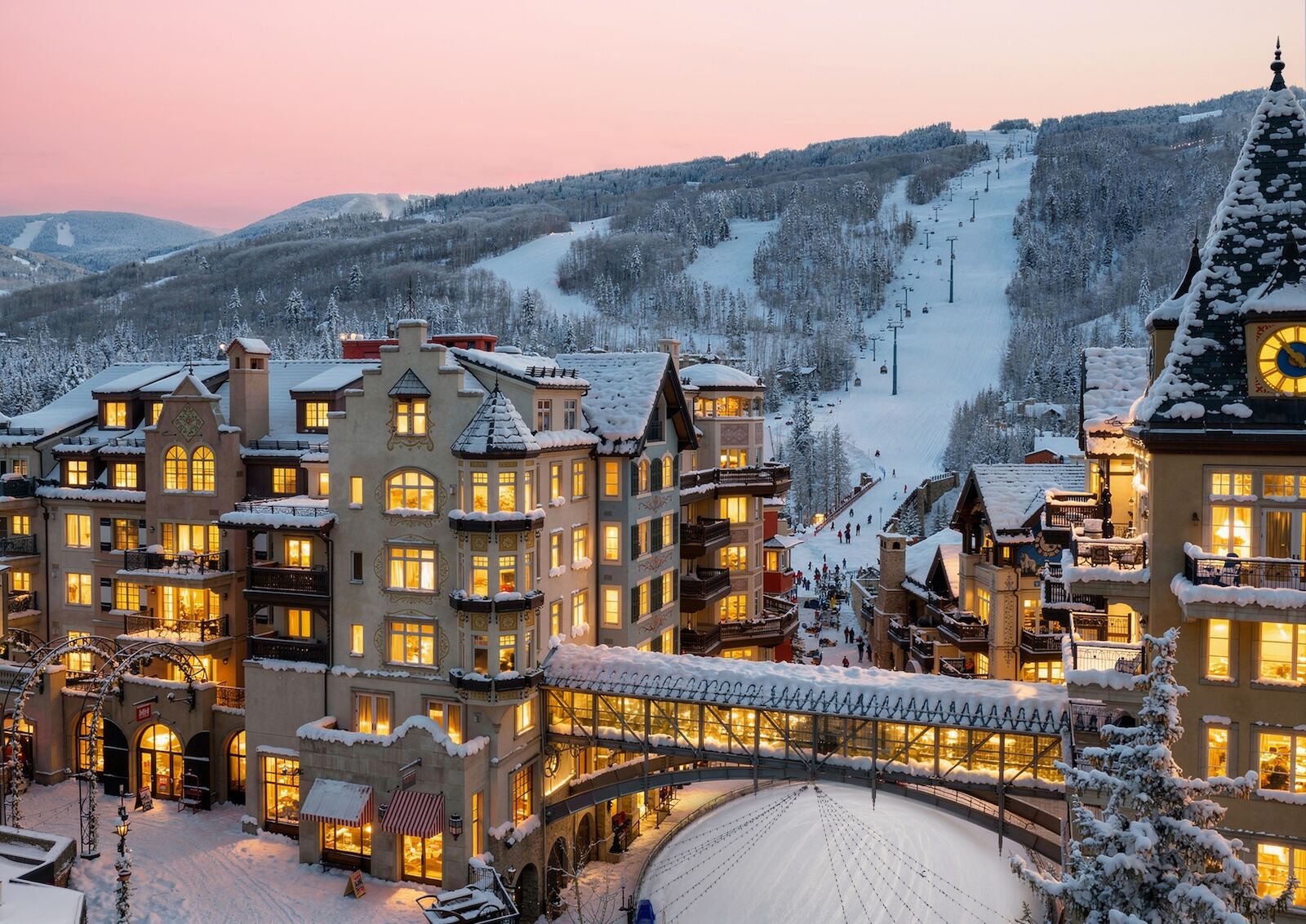
vail, colorado

Photo: Cavan-Images/Shutterstock

The Epic Pass was $1,169 for adults 31 and over by late October, $929 for ages 13 to 30 under a new 20 percent Gen Z discount, and $869 for the Epic Local with blackouts. Unlimited at Vail-owned resorts, which means Vail, Beaver Creek, Breckenridge, Keystone, Park City, Whistler Blackcomb, Heavenly, Northstar, Kirkwood, and Stowe, plus limited days at partners.

Epic is for the Summit County, Tahoe, and Park City regular, and for families whose kids are in Vail’s lesson programs. If you ski five days a season at a Vail resort, skip the pass and buy an Epic Day Pass in the spring, which brings a Vail day into the roughly $100 range. Just don’t buy a full Epic for a single trip to Whistler and four days at Breck. That’s the pass equivalent of buying a truck to haul one couch.

Indy Pass and Power Pass: for the skier who likes a wood stove in the lodge

view from purgatory ski area

Photo: Gdodd/Shutterstock

The Indy Pass is the Mountain Collective for mountains you haven’t heard of: 300-plus mostly independent ski areas, two days at each, with the no-blackout Indy+ at $399 and the Base at $419 with blackouts at some resorts. It sold out last spring in under an hour, reopened in September with added capacity, and may be gone again by the time you read this. It lost Lutsen, Granite Peak, and Snowriver to Ikon this year. A $269 add-on version exists for anyone who holds an unlimited pass at an Indy partner resort.

Indy pairs well with the Mountain Collective for a skier who wants the legends and the oddballs in the same winter, for less than one Epic. Mountain Capital Partners’ Power Pass starts at $549 and covers the Southwest (Purgatory, Arizona Snowbowl, Brian Head, and small resorts in the four corners states) plus 10 days in Chile. The Cali Pass is $679 for a handful of California resorts. Walk-up tickets at the big names are projected to hit $344 to $392 on peak days this season, so nearly any pass pays for itself in four to six days. Beyond a pass to your local mountain, the pass to buy is the one that gets you where you want to be in the second week of February.

Discover Matador

Save Bookmark

We use cookies for analytics tracking and advertising from our partners.

For more information read our privacy policy.