F
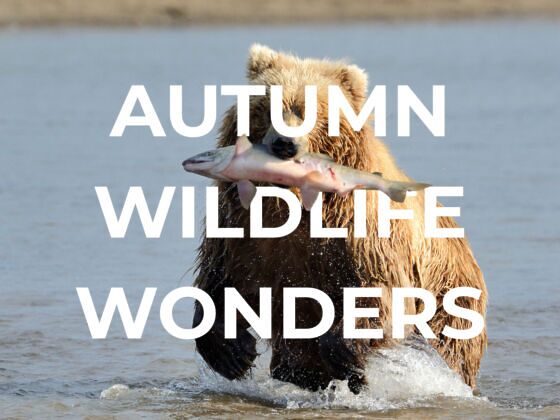
or wild animals, fall is about feeding. Before winter, animals work hard to collect food for winter (or eat enough food to hibernate through winter), which usually means they move in numbers through predictable places. That combination of high activity and known behavior is exactly what makes fall one of the better times to try to spot wildlife in North America. In the US and Canada, salmon return to their home rivers in the fall, bringing bears down to water sources, along with other animals that feed on fish leftovers.
But it’s not just North America — wildlife destinations around the world excel in fall. In Kenya, the Great Migration stays in the Maasai Mara until October, and November is an excellent window in which to visit for lower prices before the holiday crowds begin to arrive. And if you prefer your creatures a bit less dangerous (but only a bit), consider visiting northern Australia in September or October. At Kakadu National Park, those months tend to be dry, leading animals to congregate at watering holes and making wildlife sightings much easier.
Of course, wildlife sightings are never guaranteed, which is part of the fun. Visiting during prime viewing season doesn’t mean you’ll have a better experience, but it at least raises your chances of a wildlife encounter. Another pro tip? Hire a guide who knows not just the terrain, but the seasons, to ensure you spend your time and money on the best experience possible.
British Columbia
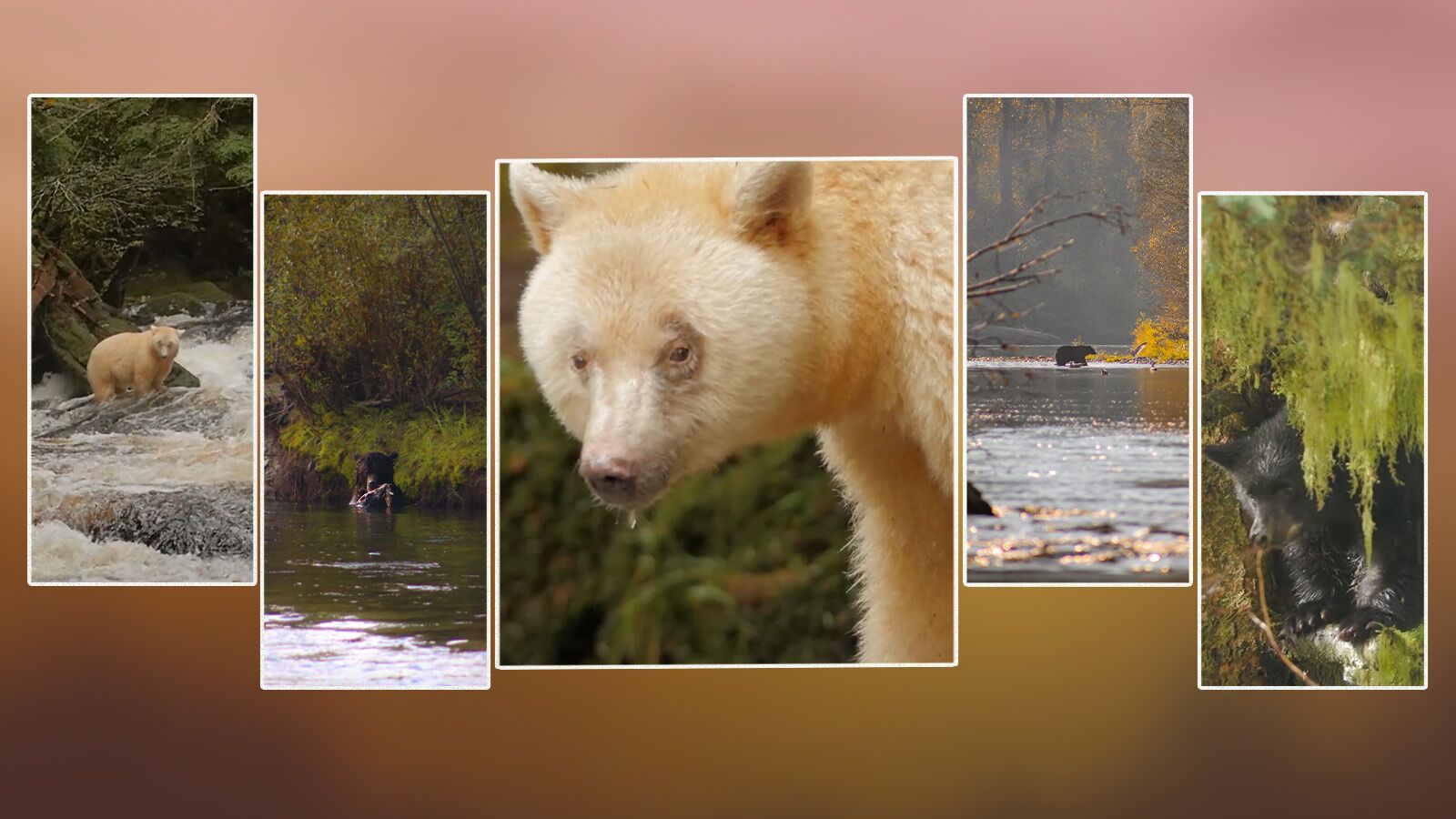
British Columbia is one of the best places in the world to watch bears, and fall is when the viewing peaks. Northern Vancouver Island is the jumping-off point for boat tours from Telegraph Cove across to Knight Inlet on the mainland, where grizzlies gather to fatten up before winter. September is the best month to do it, when bears are feeding on the salmon run. The same coast holds the Great Bear Rainforest, a temperate rainforest known for its extremely rare white spirit bears (not to mention coastal wolves). Head farther north into BC, and you’ll find inland grizzlies, black bears, bald eagles, and mountain goats, and coastal areas are perfect for spotting whales as they migrate south for the winter.
- See Grizzlies From Your Front Porch at This Canadian Wilderness Lodge
- Bucket List Collection: Tracking “Spirit Bears” in BC’s Great Bear Rainforest
- Bears, Whales, and the People Who Kept the Coast Alive
Alaska
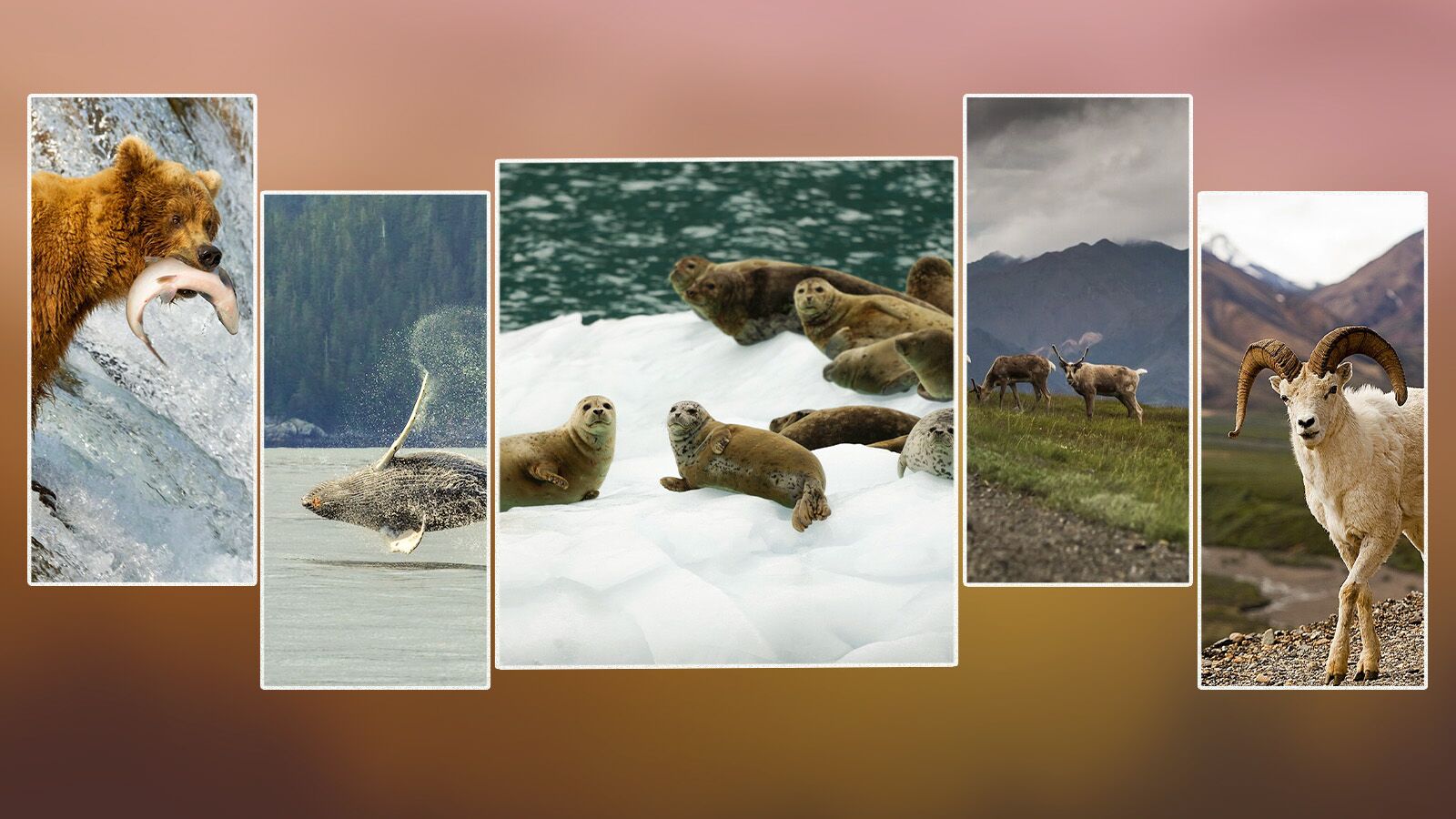
Alaska packs its wildlife into two very different fall settings. On the coast, Kenai Fjords National Park runs boat tours out of Seward that reach glaciers and the animals that live around them, like sea otters, harbor seals, Steller sea lions, and orca whales that feed in this area. Inland, Denali holds the “big five” of the interior (moose, caribou, Dall sheep, wolves, and grizzlies), with landscapes at their best in early September. In the southwest, at Katmai National Park, brown bears crowd the rivers to fatten on one of the largest wild salmon runs left on Earth, which is why the park stages its “Fat Bear Week” vote each fall. Peak bear viewing at Katmai runs from July into October, but everywhere else you’ll want to visit by early September, as many tourism outfits close for the season when the weather starts turning.
- National Parks to Visit in 2026: Denali, Alaska
- Go to Alaska’s Stillpoint Lodge for Wilderness Adventure and Cliffside Luxury
- Alaska’s Kenai Fjords National Park Is America’s Answer to Norway
- See 26 Glaciers in Five Hours: the Alaskan Fjord Near Anchorage You Need to Visit
Kenya
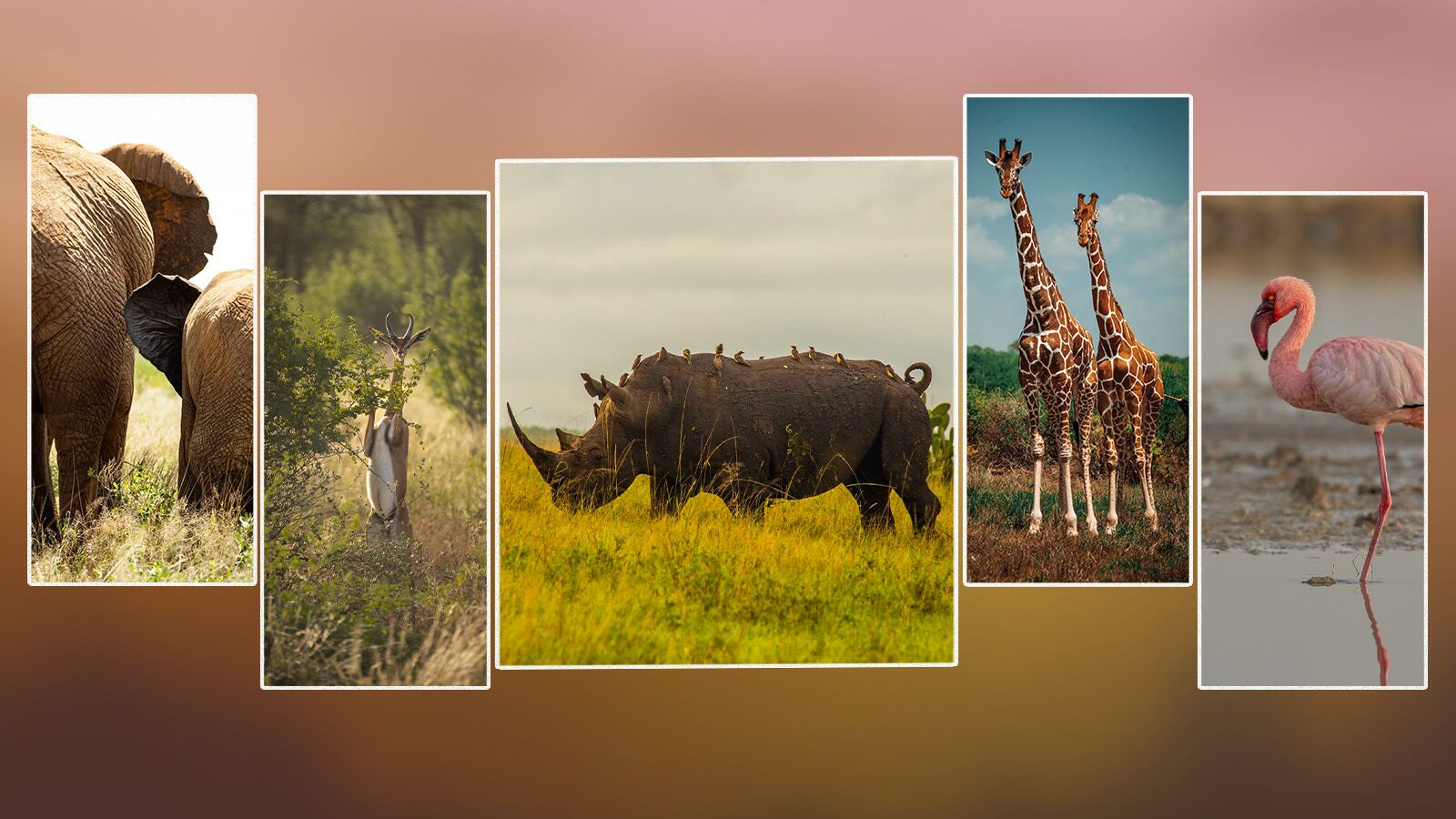
The Great Migration gets most of the attention in Kenya, but there’s a case for going right after it. The herds return south to the Serengeti between October and early November, and once they’ve gone, the Mara shifts into its quieter green season. The animals that draw most people don’t migrate at all. Lions, leopards, cheetahs, elephants, giraffes, and the plains game stay year-round, so predator sightings hold up even without the wildebeest. November brings the short rains, turning the plains green and bringing in migratory birds as well as more affordable, less crowded lodges. For a return visitor, or anyone who’d rather not share a river crossing with dozens of vehicles, it’s an excellent time to visit.