America’s national parks are still drawing huge crowds, and even a record-long government shutdown didn’t slow the crowds as much as you might think. Newly released 2025 visitation data show that recreation visits across the system’s 406 reporting parks slipped from 331,863,358 in 2024 to 323,014,305 in 2025, about a 2.7 percent decline. But that’s not the whole story, as 2025 saw a 43-day partial government shutdown — the longest in American history — that forced many parks to operate with limited staffing and reduced services. That disruption likely affected visitation totals.
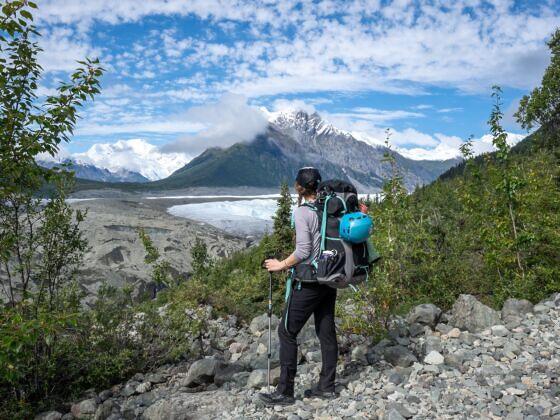
Photo: Suzie Dundas
These 9 National Parks Known for Glaciers, Giant Trees, and Wildlife Just Broke Visitation Records
Even with the overall decline, the data still show noteworthy jumps in park attendance. According to the preliminary figures, 26 National Park Service sites broke visitation records in 2025, including nine national parks. None of the record-setting parks are the usual heavy hitters like Yellowstone, Yosemite, or Zion. Instead, most are the kind of parks that comparatively fly under the radar because they’re remote, harder to reach, or simply offer a more rugged experience.
Overtourism concerns are always top of mind in national parks. These numbers suggest that some travelers are branching out to quieter alternatives rather than adding to the crowds and congestion of the most famous sites.
But that also means these quieter parks may not stay quiet for long. If you’ve been hoping to explore some of the country’s less-crowded national parks, now might be the time — before crowds start to follow.
These are the nine national parks that set new visitation records in 2025, according to the National Park Service.
Congaree National Park, South Carolina
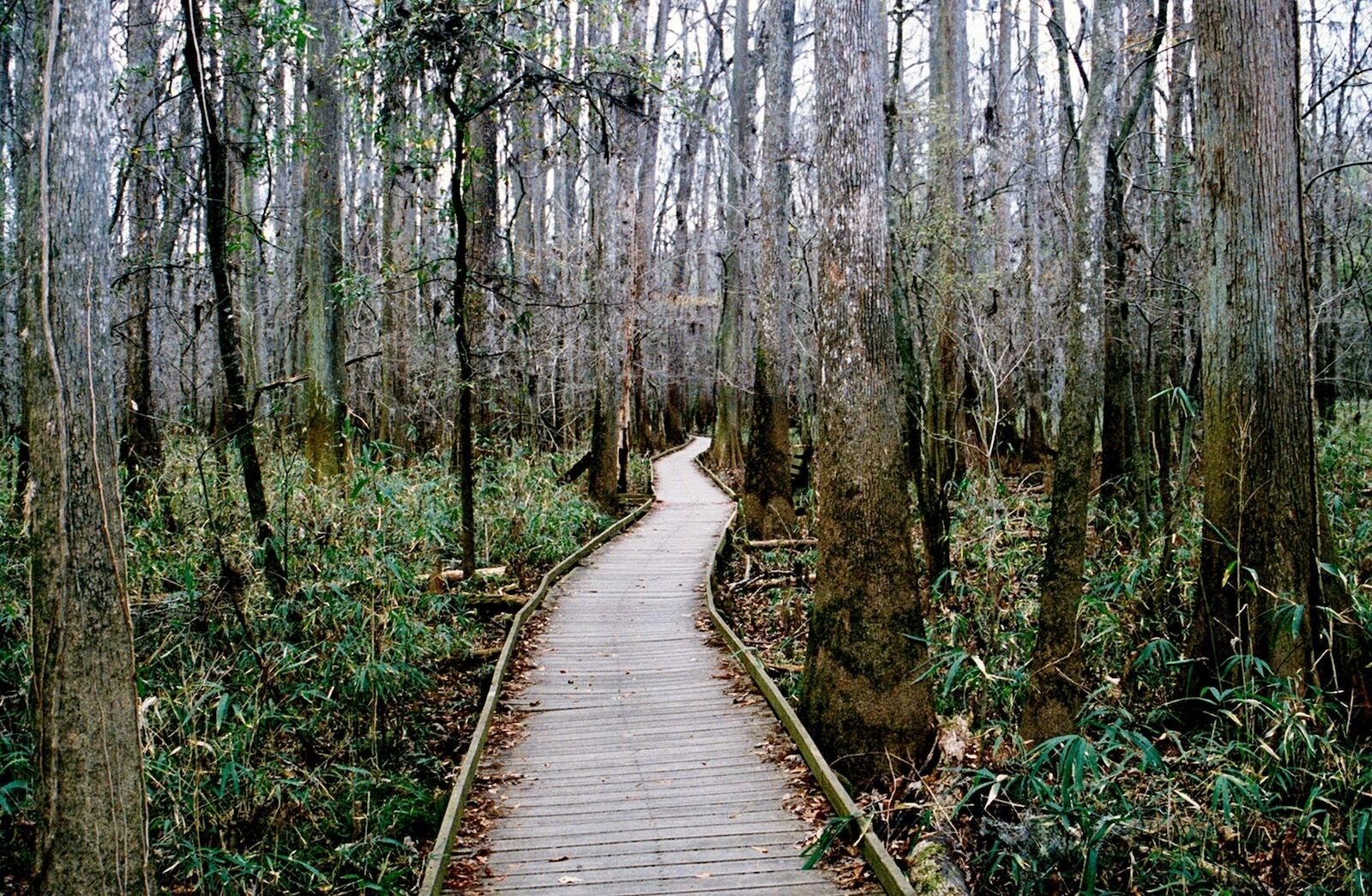
Photo: National Park Service/Public Domain
- 2025 visitors: 287,833
- Previous record: 250,114 (2023)
Visitors come to Congaree primarily to walk through one of the largest remaining old-growth bottomland hardwood forests in the Southeast, where bald cypress, water tupelo, and loblolly pine dwarf anything nearby. The park’s elevated boardwalk trail offers a way to move through the terrain (which is technically not a swamp), though paddling the Cedar Creek Canoe Trail is also an excellent way to get a feel for the park. At night, Congaree draws crowds during firefly synchronization season in late May and early June, when thousands of the bioluminescent creatures flash in unison. It’s so in-demand that NPS runs a permit lottery to determine who gets to see the spectacle.
Dry Tortugas National Park, Florida
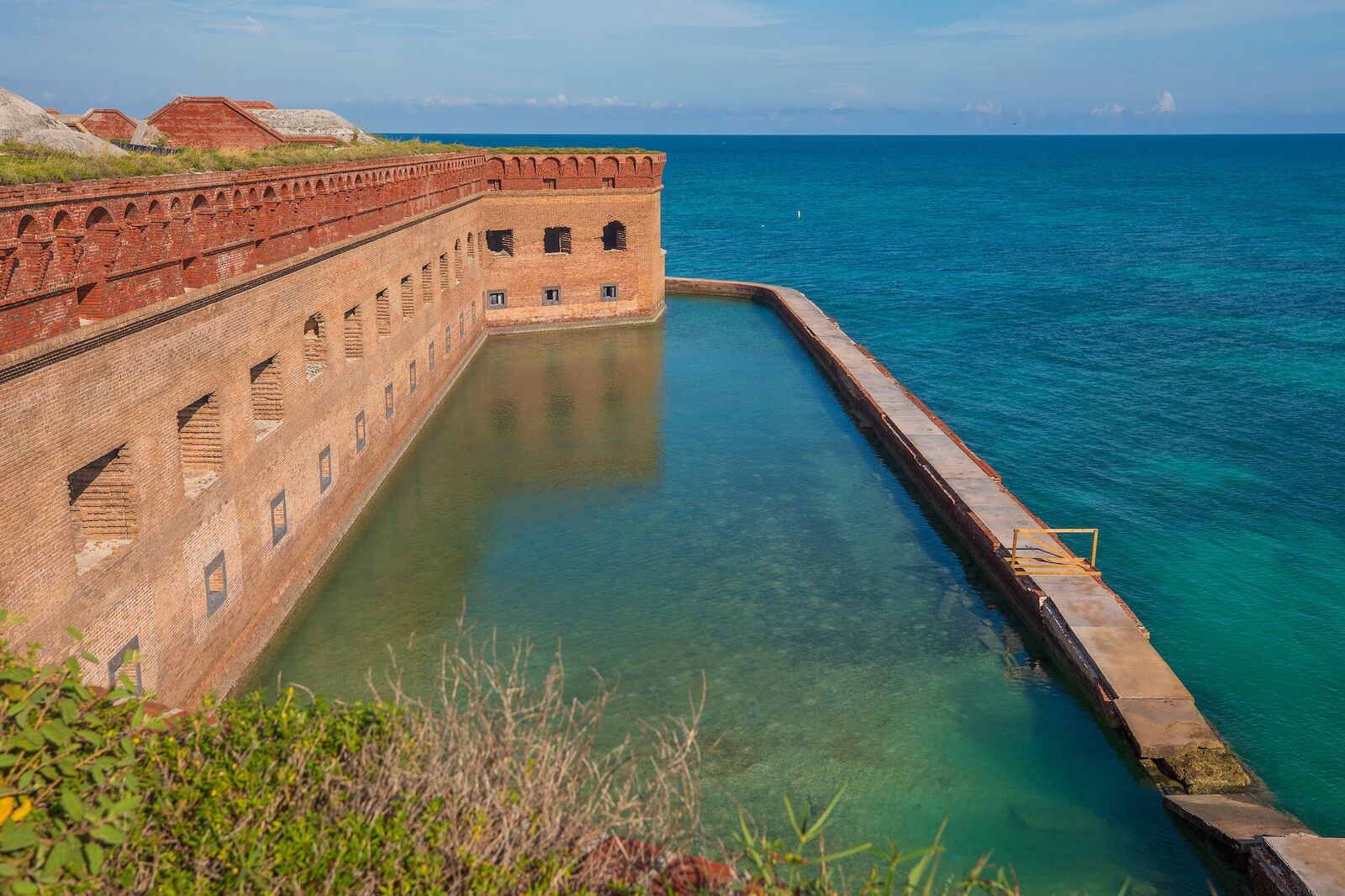
Photo: Dry Tortugas National Park/Brandon Cintron Gerena/Public Domain
- 2025 visitors: 89,355
- Previous record: 83,817 (2021)
Most people make the 68-mile trip from Key West by ferry or seaplane to see Fort Jefferson, the 19th-century fort that anchors Dry Tortugas National Park. The park’s clear, warm water and coral reefs make it an ideal place for snorkeling. It’s also popular with birders, especially in spring, when an extraordinary number of bird species pass the islands as they cross the Gulf of Mexico between late February and May.
Gates of the Arctic National Park and Preserve, Alaska
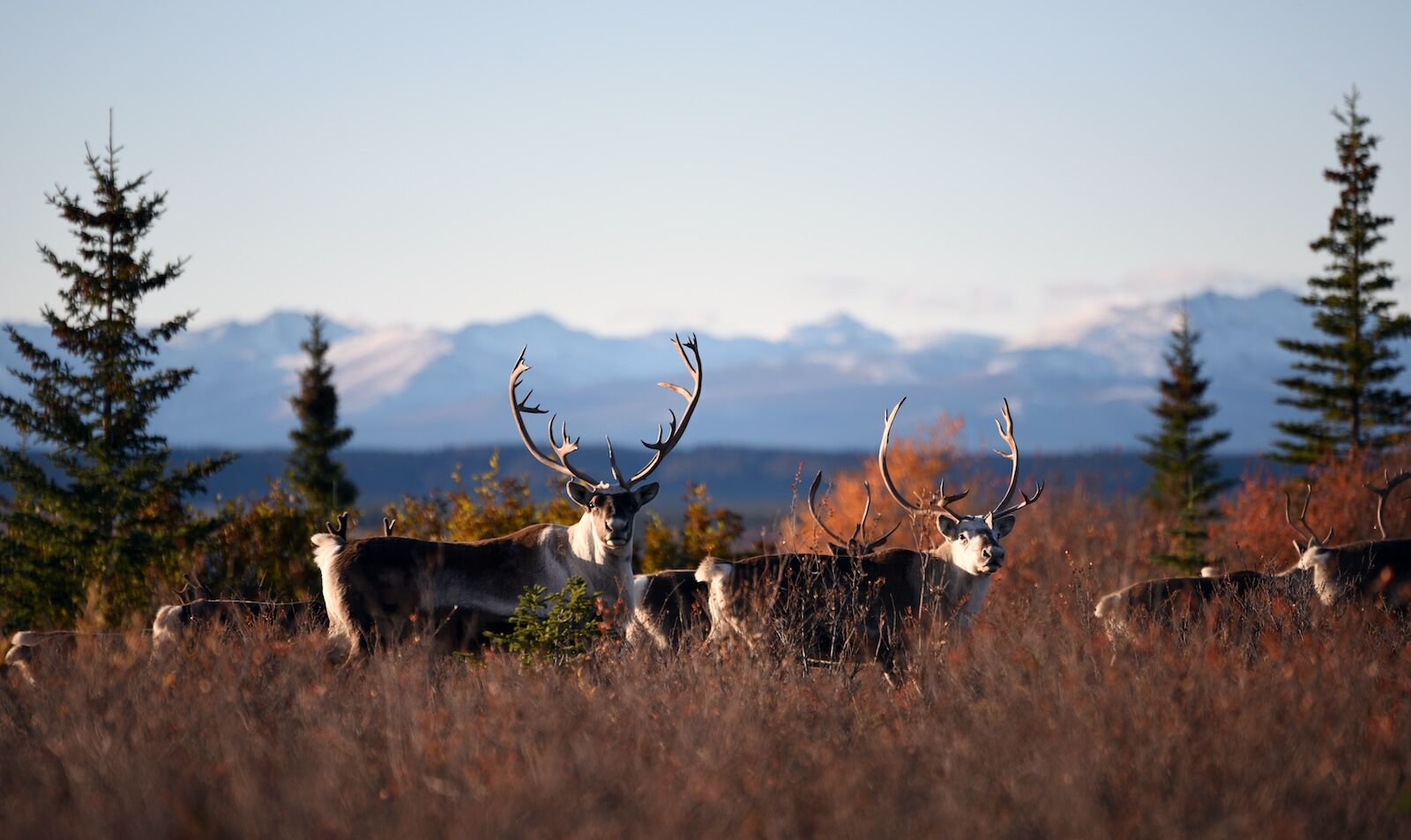
Photo: Gates of the Arctic National Park and Preserve/Matt Cameron 2016/Public Domain
- 2025 visitors: 14,923
- Previous record: 12,669 (2014)
Gates of the Arctic tends to draw a rugged type of visitor. The park has no roads, no trails, and no facilities. Everyone has to either fly in or hike in from the nearest road and practice completely self-sufficient camping. Those who make the trip, however, are rewarded with a wilderness mostly untouched by humans. Expect to see vast river valleys, migrating caribou, the jagged peaks of the Brooks Range, and a kind of solitude that can be almost impossible to find anywhere outside of the Arctic Circle.
Redwood National and State Parks, California
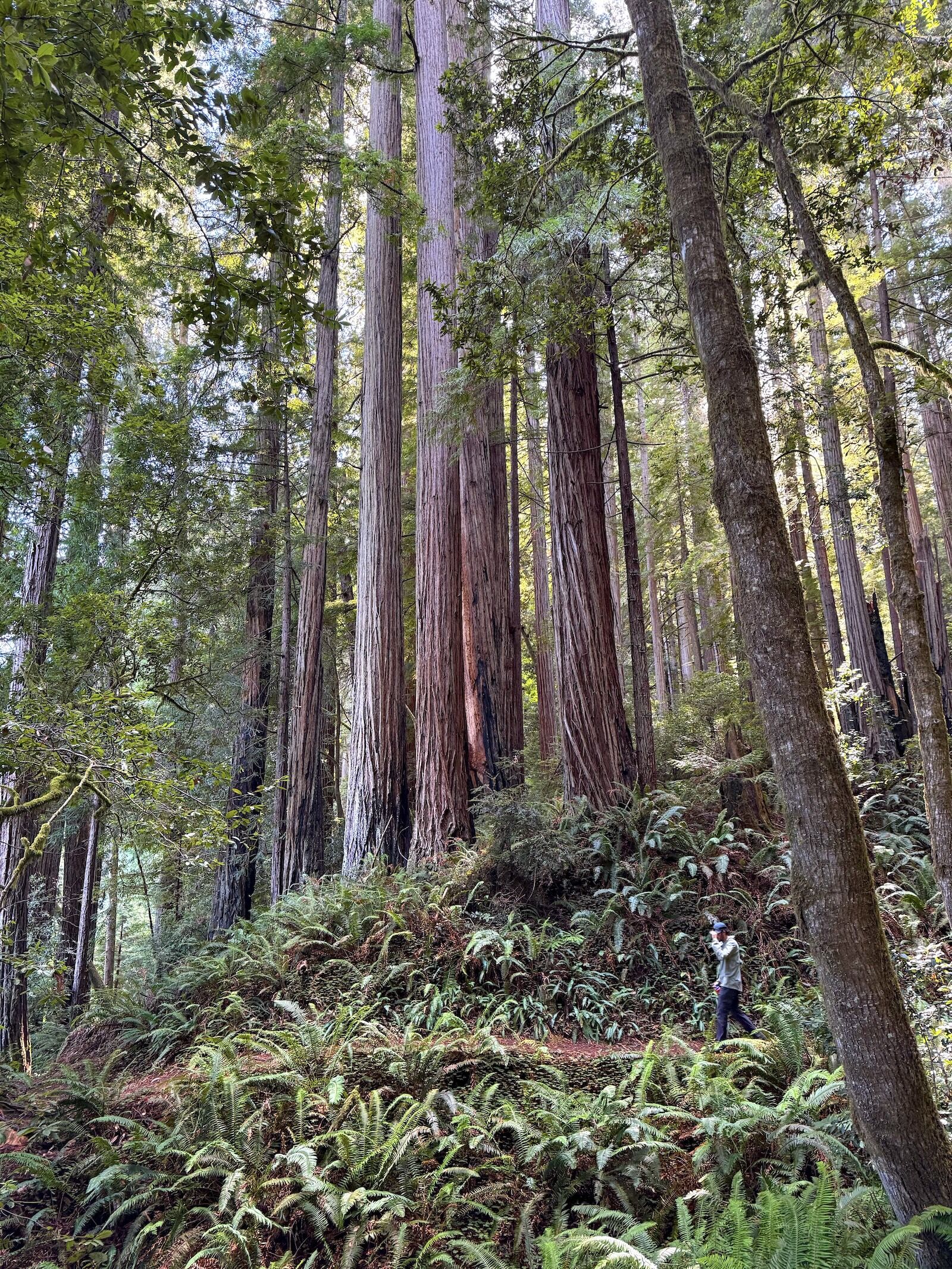
Photo: Suzie Dundas
- 2025 visitors: 1,202,480
- Previous record: 677,135 (1988)
People make the trip to Redwood National Park (co-managed with California State Parks and officially called “Redwood National and State Parks”) to stand in the shadows of the tallest trees on Earth. Walking through an old-growth redwood grove, where the canopy is several hundred feet above and light sneaks through in long shafts between the trees, is something you can do few other places in the world.
The parks run along a stretch of Northern California coastline, so visits can combine tree-viewing with rugged Pacific beaches. Prairie Creek Redwoods State Park within the system is an excellent place to spot Roosevelt elk, while even non-hikers can see the impressive behemoth trees in relatively flat and accessible groves lik Lady Bird Johnson Grove and Stout Memorial Grove.
Note that visitation numbers for this park nearly doubled from previous years, but the numbers could shift once the preliminary data is finalized.
Glacier Bay National Park and Preserve, Alaska
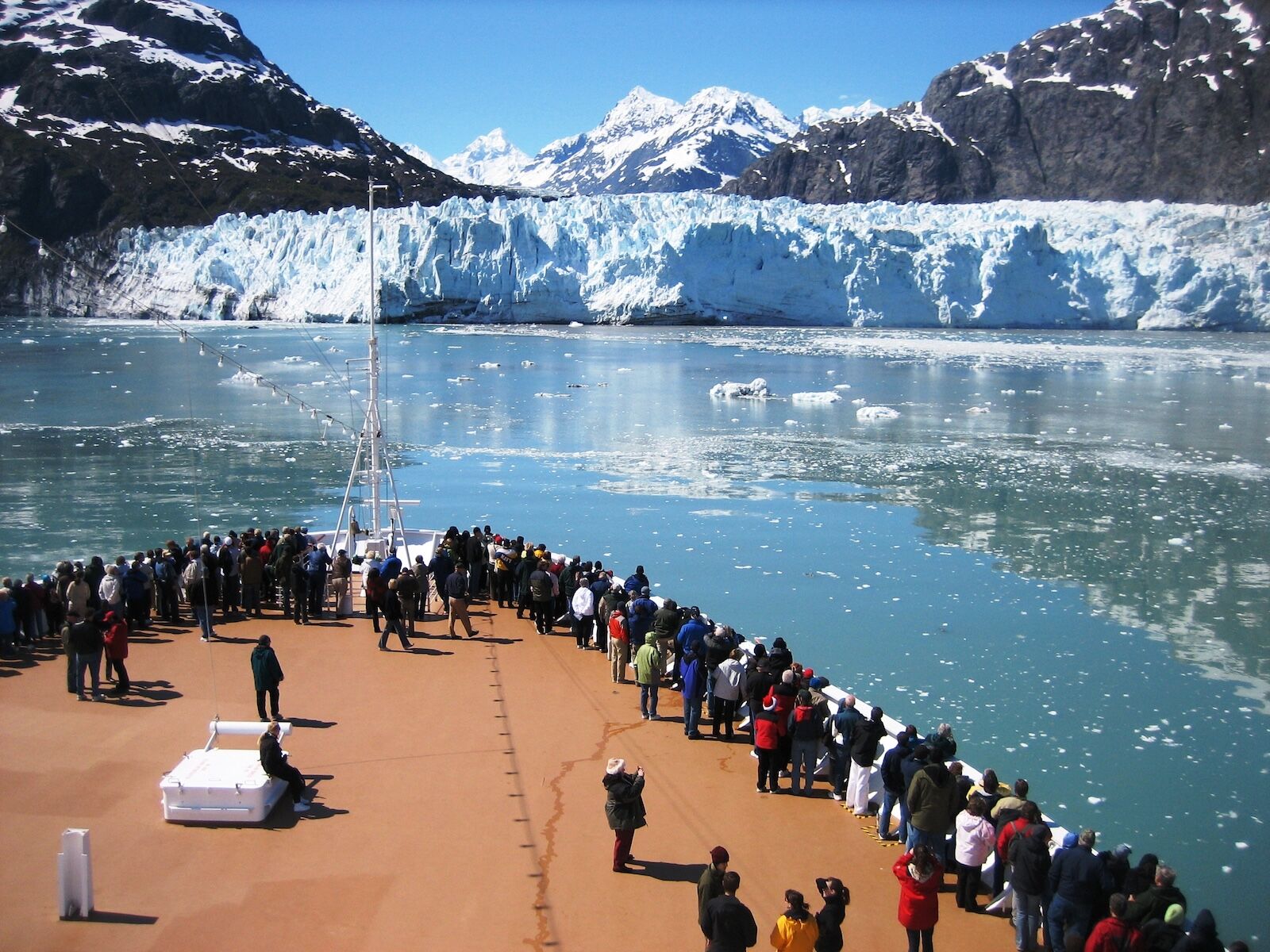
Photo: National Park Service
- 2025 visitors: 740,044
- Previous record: 672,087 (2019)
The main draw at Glacier Bay is its tidewater glaciers — particularly the spectacle of seeing massive chunks of ice calve off into the blue water below. Most visitors arrive by cruise ship or charter boat, since there are no roads into the bay itself. Glacial retreat here over the last two decades has changed the landscape, and now, it’s possible to see green forests just a few miles from the enormous, shimmering glaciers. Glacier Bay is also home to a huge population of humpback whales, making whale-watching trips popular, as well as brown bears, mountain goats, and harbor seals, all of which you can see from the deck on boat tours.
New River Gorge National Park and Preserve, West Virginia

Photo: New River Gorge National Park/Gary Hartley/Public Domain
- 2025 visitors: 1,958,440
- Previous record: 1,682,720 (2021)
It makes sense to see New River Gorge on this list. The area was redesignated as a national park and preserve in 2020, and visitation has climbed steadily since, showing a glimpse of the future of the region. The Lower Gorge is the reason many people visit, with some of the most challenging whitewater rafting in the eastern US. Rapids range from III to Class V, depending on water levels. The sandstone cliffs lining the gorge have also helped it become a top climbing destination, with more than 1,400 routes rated from 5.5 to 5.15a (though most are in the 5.9+ range). For a bit of softer exploration, visitors can admire the views from the Canyon Rim Visitor Center, or take a guided tour across the historic New River Gorge Bridge, once the longest steel arch bridge in the world.
Kenai Fjords National Park, Alaska
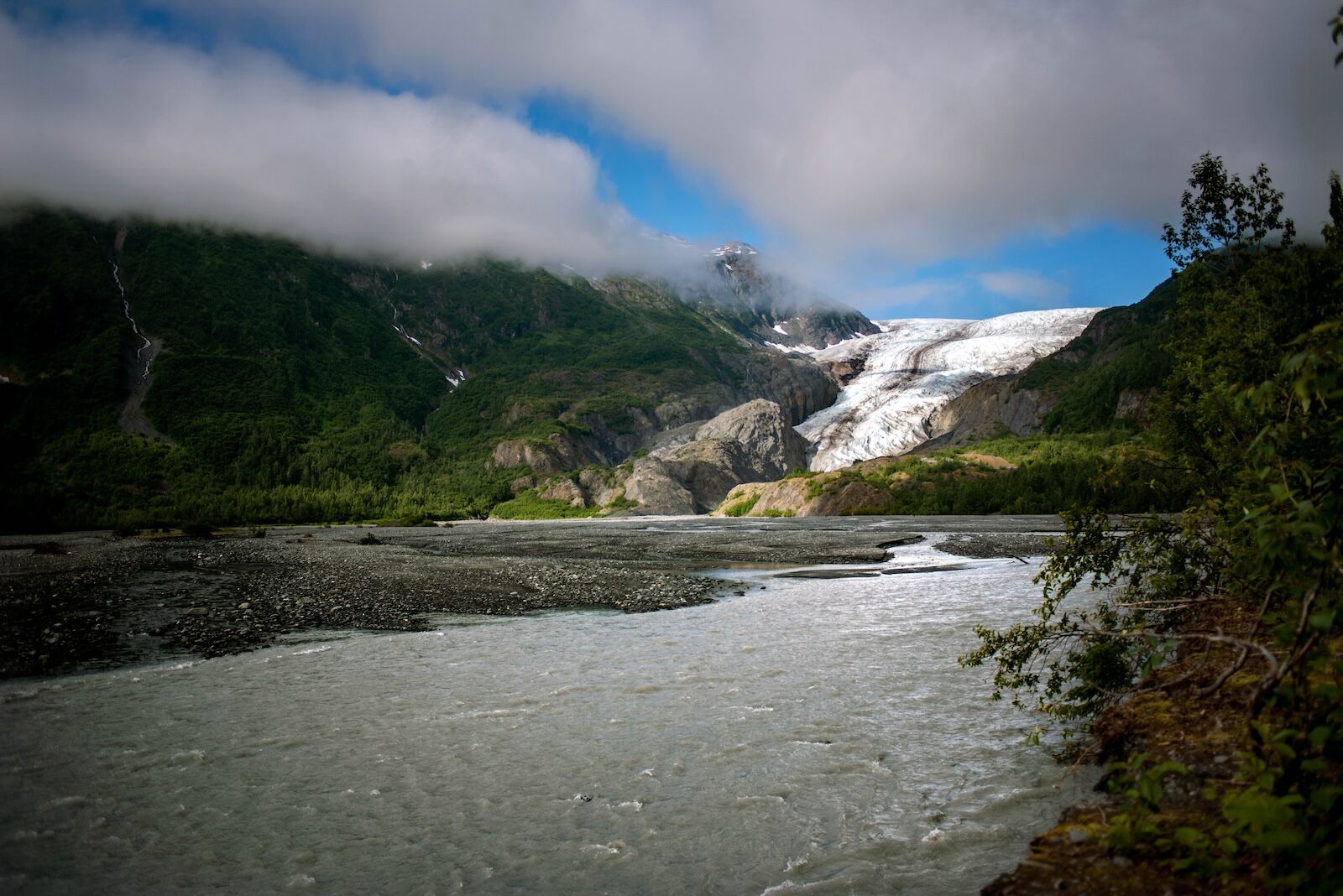
Photo: Kenai Fjords National Park/Public Domain
- 2025 visitors: 425,369
- Previous record: 411,782 (2021)
The boat tours out of Seward draw most visitors to Kenai Fjords National Park. Tours travel through fjords carved by glaciers, passing sea otters, Steller sea lions, orcas, humpback whales, and seabird colonies in as little as four hours. Exit Glacier is the only part of the park accessible by road, and a trail there takes hikers to the edge of the Harding Icefield, one of the largest ice fields in the US. For travelers who want a quick and easy way to see incredible cold-weather landscapes and some of the state’s most impressive wildlife, it’s an unbeatable option — especially
if you’re an experienced kayaker who can paddle through the cold, dark-blue water.
Sequoia National Park, California
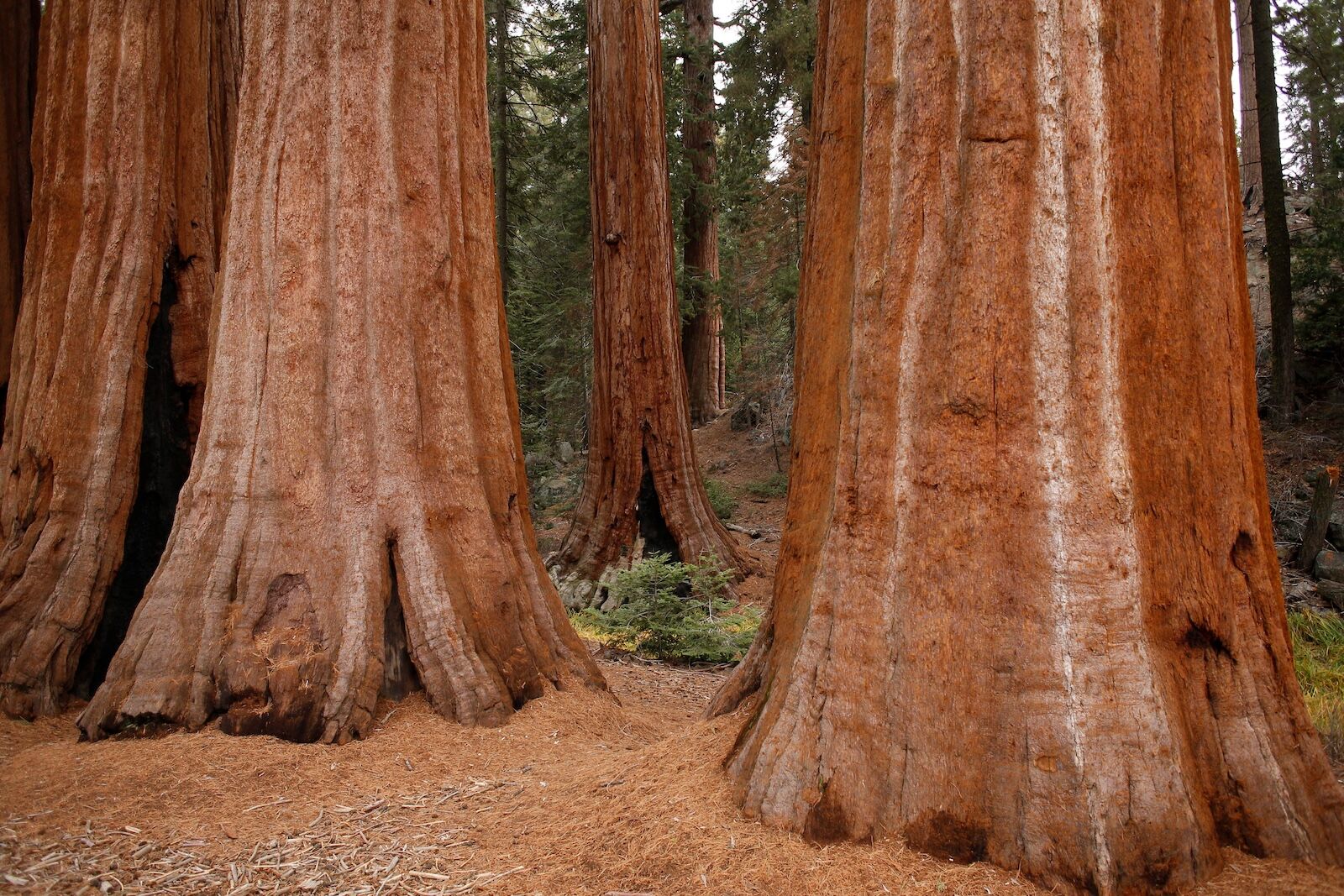
Photo: Sequoia National Park/Kurt Moses/Public Domain
- 2025 visitors: 1,378,337
- Previous record: 1,291,256 (2017)
The redwoods of Redwood National Park are the tallest trees on Earth, but giant sequoias are the largest by volume — and that’s what draws people to this central California park in the Sierra Nevada range. The park is most famous for the General Sherman Tree, which the NPS identifies as the largest living tree on Earth by volume. Fortunately, it sits in an easy-to-reach grove and is surrounded by other trees almost as big, creating an absolutely wild sense of scale. The park shares a border with Kings Canyon National Park and is fairly close to Yosemite, making it easy to see three parks in a single trip. Though the park is most popular from April to November, in winter, the sight of snow-covered sequoias is borderline magical, and the park’s Generals Highway is one of the state’s prettiest drives.
Wrangell-St. Elias National Park and Preserve, Alaska
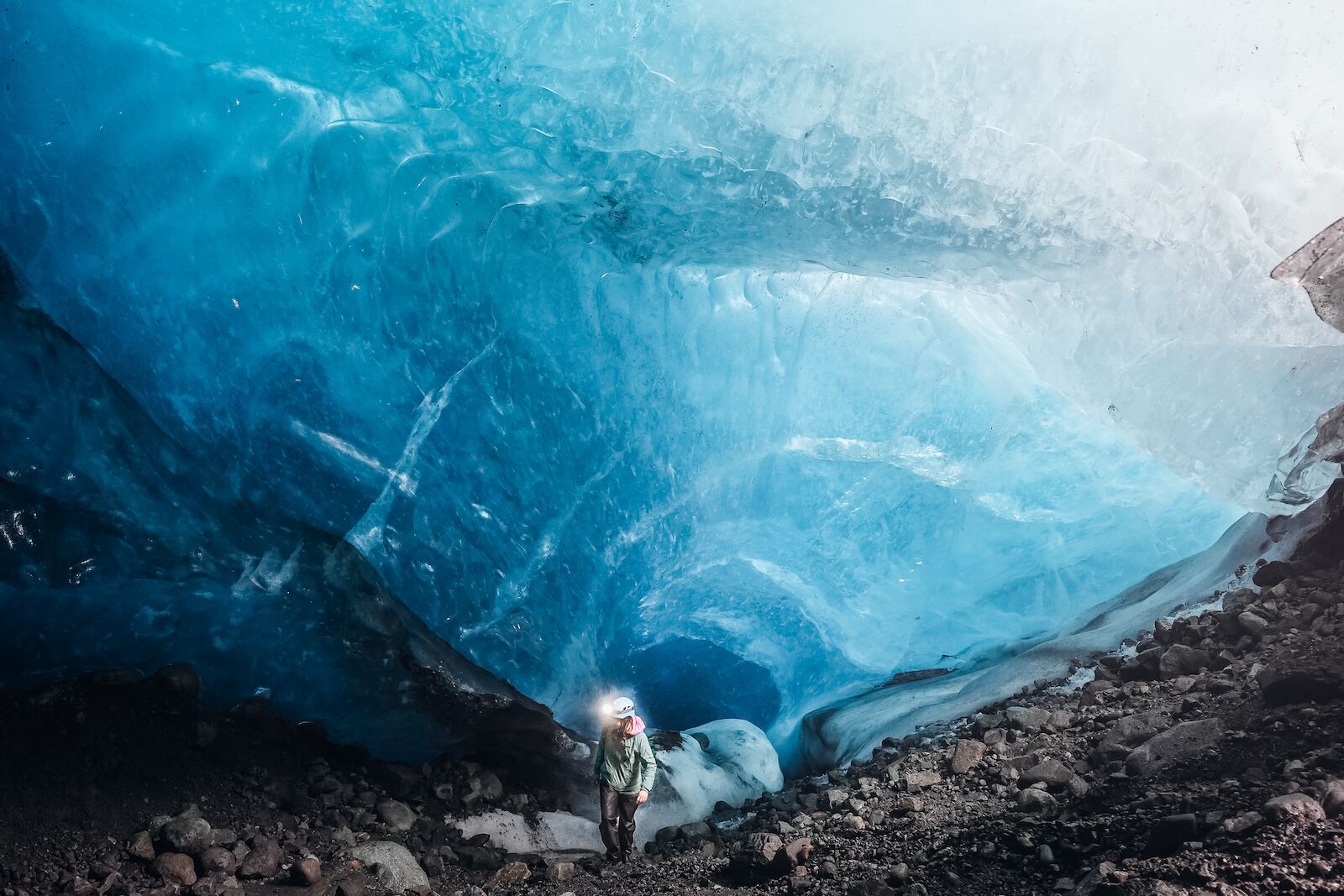
Photo: Suzie Dundas
- 2025 visitors: 108,840
- Previous record: 87,158 (2017)
Wrangell-St. Elias is so large (at 13.2 million acres, it’s bigger than Switzerland) that most people see only a small fraction of it. The popular area for travelers is around Kennecott, a former copper mining town that sits at the end of a long dirt road that’s one of the best-preserved mining buildings in the world. (Visitors can tour it with St. Elias Guides.) From Kennecott, visitors can hike onto the Root Glacier, climb into ice caves, or go backcountry camping in the wilderness with a chance to spot wildlife like grizzlies and lynx. The semi-ghost town of McCarthy is inside the park and is one of the quirkiest towns in the entire country, which serves as a start and end point for mountaineers planning to take on some of North America’s most serious summits, including Mount St. Elias (the second-highest peak in the US). 